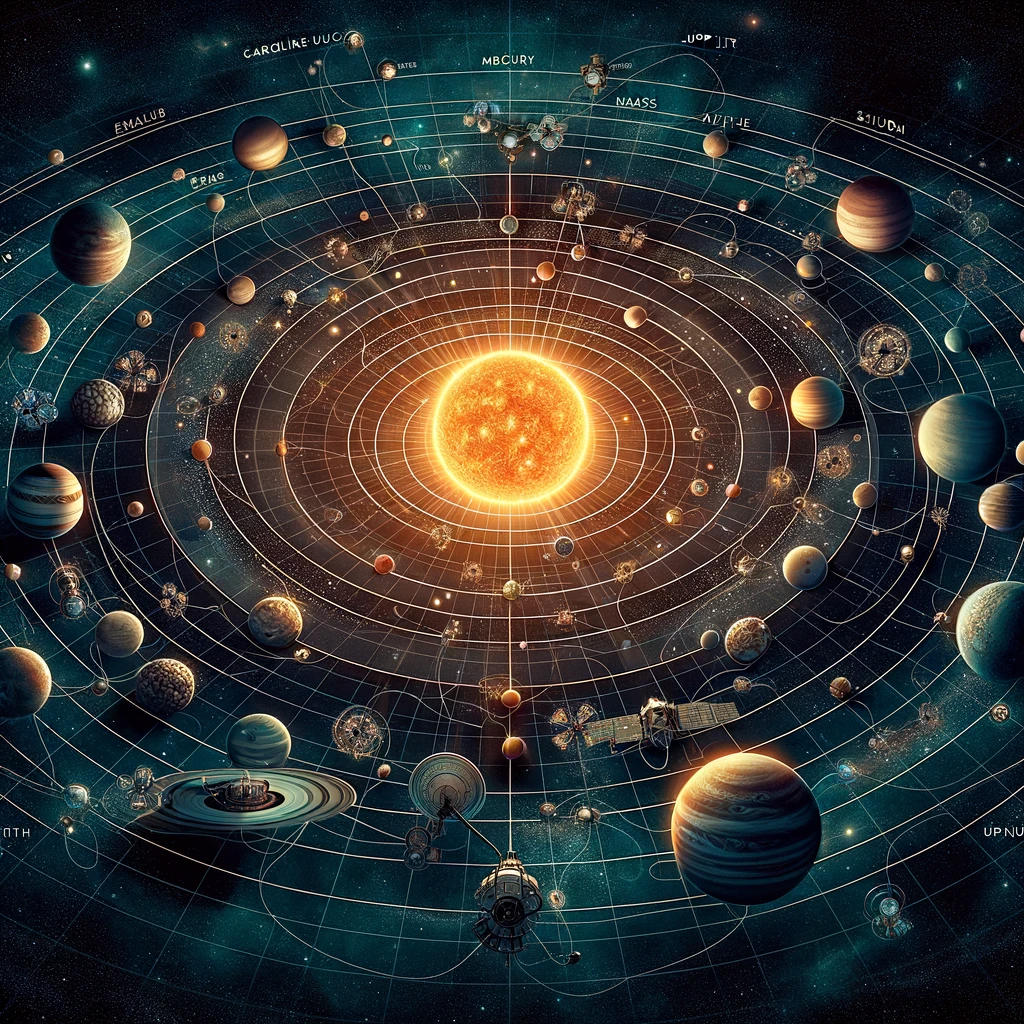
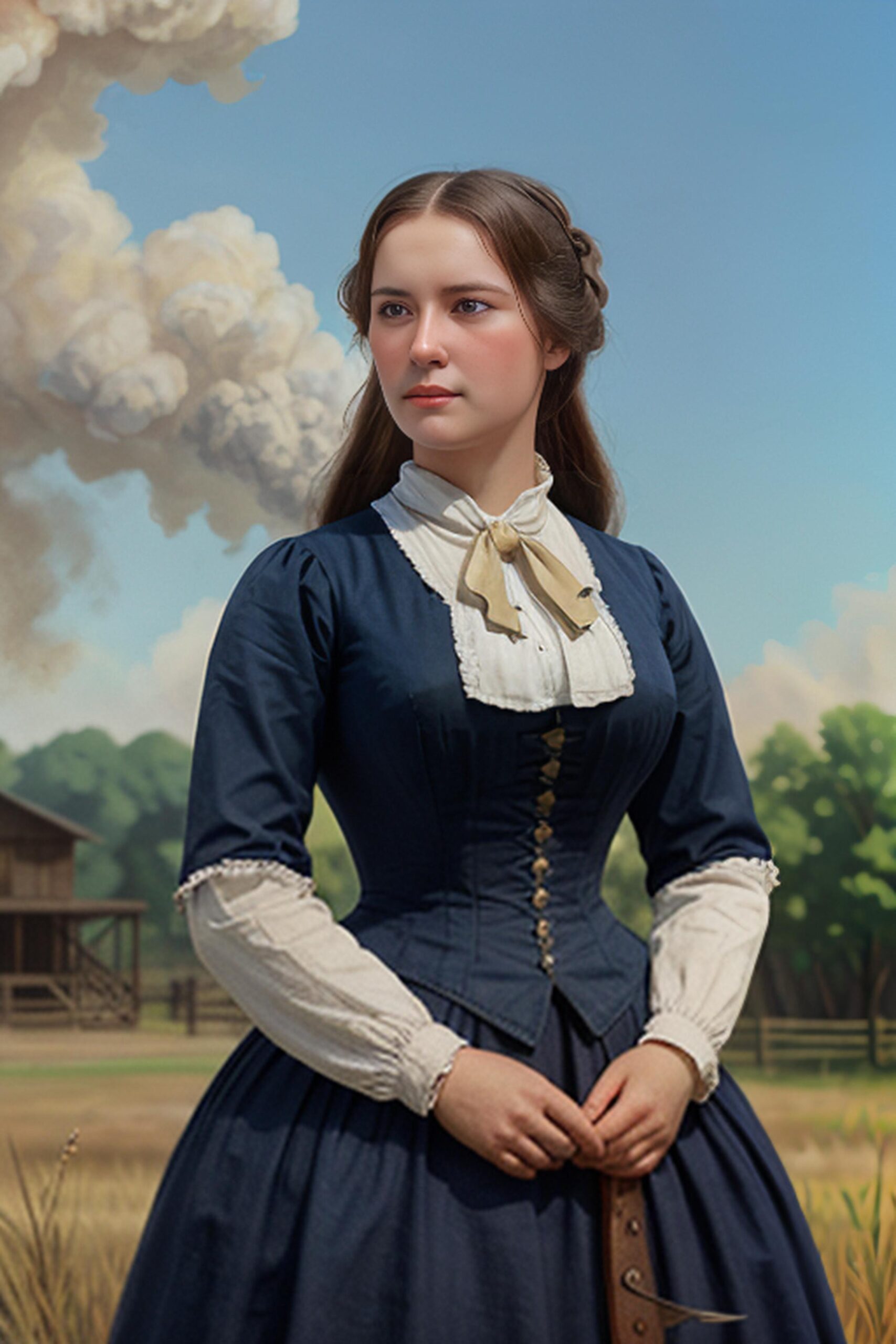
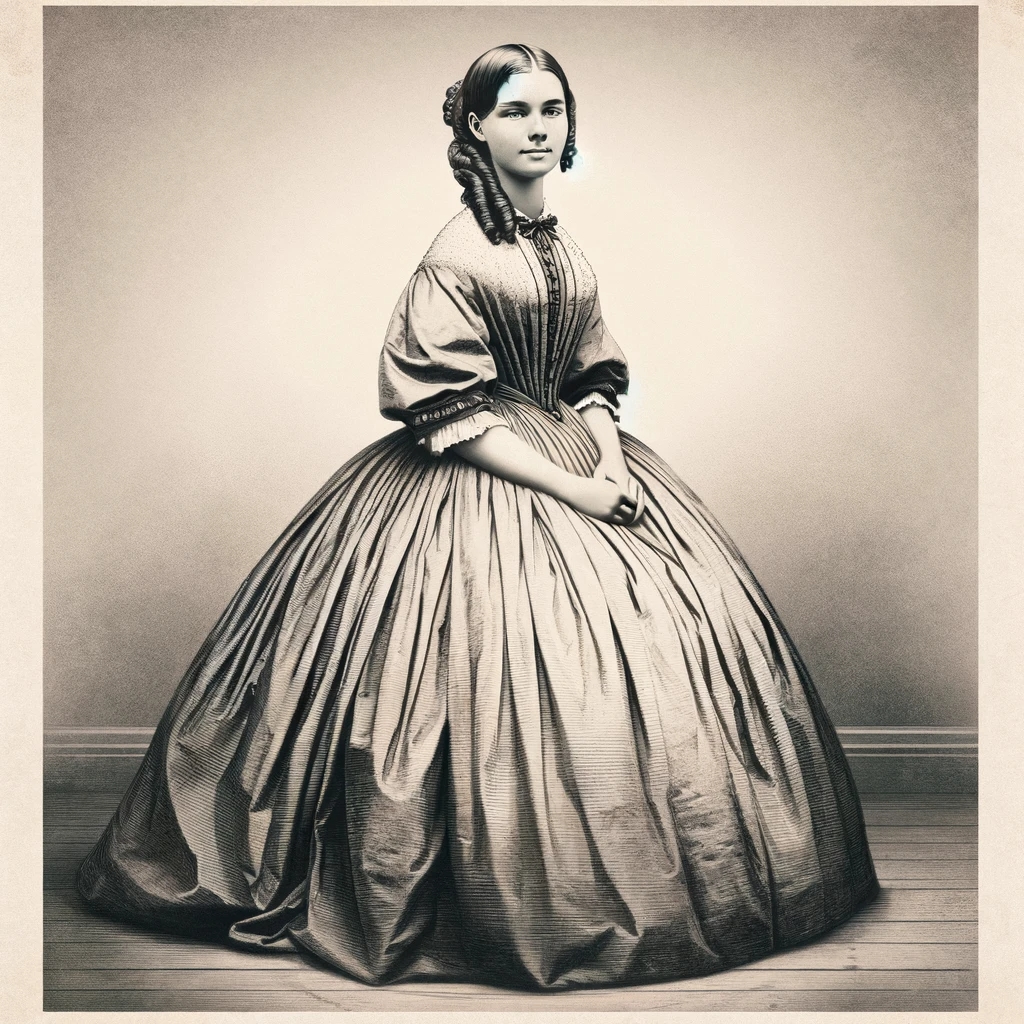
Dr. Rebecca Masters is a highly educated and accomplished scientist known for her early contributions to the field of astrophysics. Born on October 15th, 1965, in a small town in the United States, her passion for the cosmos was evident from an early age. Driven by a relentless curiosity, she embarked on a journey of intellectual exploration, which ultimately led her down a path that diverged from conventional scientific thinking.
Graduating at the top of her class, Masters obtained a Ph.D. in astrophysics from a prestigious university. Her early career was marked by ground breaking research, pioneering advancements in space observation techniques and data analysis. Her contributions to the scientific community earned her recognition and several prestigious awards.
However, as her career progressed, Masters began to question the established scientific narrative and the motivations behind certain space missions. Consumed by a growing scepticism, she started investigating alternative explanations and unearthing hidden patterns that diverged from the mainstream scientific consensus.
Dr. Masters’ journey into conspiracy theories was driven by her unwavering curiosity and a deep desire to seek alternative explanations. Challenging the mainstream scientific consensus, she delved into the motivations behind certain space missions and raised questions about the authenticity of images and data presented to the public.
While her theories remain highly controversial within the scientific community, Dr. Masters gained a following of individuals who resonated with her perspectives. She authored thought-provoking books that urged readers to question accepted truths and explore hidden agendas. Through her writings, she aimed to promote critical thinking, open inquiry, and the examination of alternative possibilities.
Masters states it is important to emphasize that the vast majority of scientists adhere to high ethical standards, ensuring the reliability and integrity of their research. The scientific community has established protocols, peer-review processes, and mechanisms to identify and address instances of misconduct. Maintaining transparency, reproducibility, and open dialogue are essential components of scientific progress and knowledge advancement. But, despite facing scepticism and criticism from mainstream scientists, today Rebecca Masters remained steadfast in her pursuit of truth. She actively engaged with the public through conferences, debates, and media appearances, sparking dialogue and encouraging individuals to critically analyse the information presented to them.
Master, goes on, falsifying scientific evidence is a serious violation of scientific ethics and goes against the principles of the scientific method. However, it is important to note that instances of scientific fraud or misconduct, though rare, have occurred in the past. There can be several motivations behind such actions, although they do not represent the majority of scientific research and findings.
Firstly, Personal gain or reputation. Some individuals may be driven by personal ambitions, such as career advancement, prestige, or financial gain. Falsifying data or evidence could be an attempt to bolster their own reputation, secure funding, or gain recognition in the scientific community.
There is a lot of pressure to publish or meet expectations. The pressure to produce ground-breaking, sexy results, publish papers, or meet certain expectations can sometimes push researchers to engage in scientific misconduct. The competition for limited resources and recognition within the scientific community can create an environment that incentivizes unethical behaviour.
Of course there is also much confirmation bias or preconceived notions. Researchers may be influenced by their own biases or preconceived ideas, leading them to manipulate or selectively present data that supports their desired outcome. This can distort the scientific evidence and compromise the integrity of their work.
Lastly , she claims, there is a general lack of oversight or safeguards: In some cases, inadequate supervision, lack of proper checks and balances, or weak institutional policies can contribute to scientific misconduct. Insufficient oversight or a lack of consequences for fraudulent behaviour may embolden individuals to engage in misconduct.
If you continue to have concerns or suspicions about the legitimacy of a space mission or related information, we encourage you to engage with credible sources, such as space agencies, scientific institutions, or experts in the field. They can provide accurate and reliable information, address any doubts, and help clarify any confusion surrounding the mission.
In the dim confines of “The Dusky Jeans,” a rundown bar on the outskirts of town, Garvey poured his soul into his music. His fingers glided over his instrument with a passion that belied his surroundings. The few locals scattered around the room paid him little attention. Their attention lost to bottles and personal sorrows.
The final, lingering note of his set faded into the smoky air. Garvey looked towards the bartender. The bartender was a gruff man with little appreciation for music or musicians. “Sorry, pal, no dough tonight. Business is slow,” the bartender grumbled. He glanced up from his task of wiping down the counter. Garvey felt the sting of rejection. It was a familiar companion on his musical journey. He was too tired to argue. Countless similar nights weighed heavy on his shoulders. He nodded and gathered his instrument with a resigned dignity.
Garvey’s pockets were witness to his current plight. They were as empty and hollow as the echoes of his last performance. He rummaged , fingers dancing over the seams. He searched for any forgotten coins, hoping to find one overlooked in better times. But all he encountered was the smooth, worn interior of his pockets. This added a physical pang of hunger to his growing list of woes.
Stepping out into the night, the cool air did little to ease the heaviness in his heart. The streets appeared deserted. The only sounds were his footsteps echoing against the sidewalk. The distant hum of the town’s life was oblivious to his plight.
With nowhere to go, Garvey felt the burden of his unfulfilled dreams more than ever. He made a decision. Driven by a mix of desperation and a last flicker of hope, he began walking out of town. His steps unconsciously guided him towards the infamous crossroads of county legend.
Garvey stood alone at the Sable Junction, his heart heavy with a mix of fear, desperation, and a flicker of hope. The dim light of the waning moon cast long shadows. The deserted roads seemed even more isolated. In his hands, he clutched his treasured instrument. It was the one companion of his years of struggle and unfulfilled dreams during his time on the road in the blues jazz scene.
He had heard the tales and legends whispered in dim corners of bars. He had also heard them among fellow musicians who had tasted the bitterness of failure. The crossroads is a place of potent magic and dark deals. One could trade their soul for the success that had eluded them in life.
With a deep breath, Garvey began the ritual. He played a haunting melody that was a culmination of his life’s work. Each note was a plea to the forces lurking at the edge of reality. The music filled the night. It was a mournful beckoning, a beautiful testament to his journey, and his desire for fame and fortune.
As the final note faded into the silence, a distant roar shattered the stillness. Garvey’s heart raced as he saw a large black Cadillac hurtling towards the crossroads. This had to be it. It was the moment his fortunes would change. It was the arrival of the entity who would grant him the success he so craved.
But as the car neared, instead of slowing down, it maintained its speed. Garvey’s anticipation turned to horror as he realized it wasn’t going to stop. He barely had a moment to react before the car struck him, the impact throwing him aside like a ragdoll.
Inside the car, the devil, an entity as old as time and as cynical as the depths from which he hailed, let out an exasperated curse. “The last thing I need is another lame ass jazzies’ soul,” he muttered under his breath. The souls of failed musicians were all too common. Their desperation made them easy pickings, albeit with an unappetising taste.
The devil shifted stick and pushed down hard on the pedal. The Cadillac sped away into the night, leaving behind a cloud of dust and the broken dreams of yet another musician. The devil was already focusing on his next collection. Sable Junction has lore and allure. It would continue to attract people looking for an easy path to glory. They are unaware of the true cost of such a deal.
At the crossroads, Garvey was alone, his body twisted, bloodied, and dying. He clutched a busted instrument. His fate was a stark reminder of the danger of making deals with dark forces. It was a tale of the price of desperation and the elusive nature of success.
In the shadowy neon-lit corners of Portland, ’81, a phantom machine blinked into existence. Not your garden-variety joystick jockey’s dream, but a siren call to the arcade-addled brains of suburbia. This wasn’t just Pac-Man munching pellets; this was something else, something… other.
Lines coiled like serpents, kids hypnotized, tokens clinking—addiction wasn’t just for the back alleys anymore. It was here, in bright, blinking cabinets. But then, the Men in Black descended, not to flash their badges or zap memories, but to harvest something far more insidious from the glow of those screens. Data? Sure. But what kind of data needs a suit and a silence vow?
The whispers started as murmurs, escalating to screams in the void. Players, pale as the moon and twice as haunted, spoke of sleep stolen, memories erased like chalkboards. Nightmares? Child’s play. This was the stuff of night terrors, the kind that gnaws at the soul. Suicides inked the headlines, but the dots, they never connected back to that cursed cabinet.
“Polybius,” they said, was just a game. But games don’t leave shadows in their wake, nor do they whisper secrets in the dark. In the myth-laced haze of conspiracy, one truth remains: not all games are meant to be played.
Interest
Examining the phenomenon is intriguing for several reasons, touching upon aspects of human psychology, the impact of digital culture, and the nature of urban legends in the modern world.
Here are some key reasons why the phenomenon warrants attention:
Urban Legend and Mythology: It serves as a contemporary digital urban legend, reflecting society’s anxieties and fascinations with technology. Understanding why such stories emerge and spread can offer insights into collective fears and the ways in which myths evolve in the digital age.
Psychological Impact of Gaming: The legend taps into concerns about the psychological effects of video games, including addiction, desensitization, and the potential for games to influence behavior. Investigating these aspects can contribute to broader discussions about media influence and the responsible design of digital content.
Memory and Collective Belief: The Mandela Effects associated with the game highlight how collective belief and shared false memories can form around a piece of cultural lore. This phenomenon is a fascinating area of study within psychology and social science, shedding light on how memories can be shaped by community narratives.
Cultural Impact of Arcades: The setting of the legend in early ’80s arcades speaks to the cultural significance of these spaces at the time. Exploring the legend offers a window into the arcade era’s social dynamics, communal experiences, and the role arcades played in shaping gaming culture.
Government Conspiracy Theories: The involvement of mysterious “men in black” and the suggestion of government experiments in the story tap into broader conspiracy theories about government surveillance and control. Analyzing these elements can help understand the appeal and persistence of conspiracy theories in public consciousness.
Evolution of Digital Folklore: The game exemplifies how folklore can develop and spread in the digital era, with stories evolving through online forums, social media, and gaming communities. Studying this phenomenon provides insights into the lifecycle of modern myths and the role of the internet in folklore creation and dissemination.
Impact on Game Development: The enduring interest has influenced some game developers to create games that pay homage to or are inspired by the legend. This influence underscores the legend’s impact on creative processes and the interplay between myth and media creation.
In essence, the phenomenon offers a rich case study for exploring the intersections of technology, culture, psychology, and storytelling, making it a subject of enduring fascination and relevance in understanding contemporary digital myths.
Hardware
Arcade hardware in the early 1980s was characterized by its bespoke, game-specific nature, with each machine often being designed around the needs of the individual game it hosted. Despite this customization, there were common technical capabilities and limitations shared by arcade systems of the time:
Processing Power:
CPUs: The central processing units (CPUs) used in arcade machines were typically 8-bit microprocessors. Popular choices included the Zilog Z80, the Motorola 6800, and the MOS Technology 6502. These processors generally operated at clock speeds ranging from 1 to 4 MHz, providing the basic computational power needed for game logic and simple physics calculations.
Graphics:
Display: Arcade games were displayed on raster CRT monitors, with resolutions often around 256×224 pixels, though this could vary significantly between machines. The graphics were relatively simple by today’s standards, with a limited color palette (often 16 to 256 colors).
Sprites: Graphics were typically rendered using sprites—small, 2D bitmap images that could be moved independently across the screen. Hardware limitations dictated the number of sprites that could be displayed simultaneously and their sizes.
Tile Maps: Backgrounds were commonly made of tile maps, grids of square or rectangular tiles pieced together to form larger images or levels. This was a memory-efficient way to create complex scenes.
Sound:
Audio Chips: Sound was generated using dedicated audio chips, such as the AY-3-8910 or the Yamaha YM2149. These chips supported a few channels of monophonic or simple polyphonic sound, capable of producing basic melodies and sound effects.
Memory Limitations: Due to limited memory, audio samples were rare, and most game sounds were synthesized in real-time by the audio chip.
Memory:
RAM: Arcade machines were equipped with a relatively small amount of RAM, often in the range of a few kilobytes. This memory was used for storing the game state, player scores, and other dynamic data.
ROM: Game code and static assets like graphics and sound data were stored in read-only memory (ROM) chips. The size of these ROMs could vary but was generally much larger than the available RAM, sometimes reaching up to a few hundred kilobytes in more advanced machines.
Input/Output:
Controls: Arcade cabinets featured a range of input devices, including joysticks, buttons, trackballs, and steering wheels, designed to suit the specific requirements of each game.
Coin Mechanism: An essential component of arcade hardware was the coin mechanism, which validated inserted coins and credited the player with game time or lives.
Cabinet Design:
Artwork: Arcade cabinets were often elaborately decorated with artwork related to the game, featuring bright, eye-catching designs to attract players.
Construction: Cabinets were typically made of wood and metal, housing the CRT monitor, control panel, motherboard, power supply, and speaker system.
Despite these technical constraints, the creativity and ingenuity of game developers during this era led to a golden age of arcade gaming, with many classic titles that remain played to this day.
Software
If this were a real arcade game from the early 1980s, it would likely have been programmed in a language or development environment typical of that era’s arcade systems. During this period, arcade games were often developed using assembly language specific to the hardware they were designed to run on.
Assembly Language:
Low-Level Programming: Assembly language is a low-level programming language that is closely related to machine code. It provides direct control of the hardware, allowing developers to optimize performance and manage graphical and processing capabilities very efficiently, which was crucial for the limited hardware of the time.
Hardware Specific: Each processor or microcontroller has its own specific version of assembly language, tailored to its instruction set.
Why Assembly Language?
Performance: The need for real-time performance in video games, particularly in terms of graphics and user input responsiveness, made assembly language a preferred choice. It allowed developers to squeeze every bit of performance out of the hardware.
Custom Hardware: Arcade cabinets often used custom hardware configurations optimized for the specific needs of each game. Assembly language programming enabled developers to tailor their code to these unique setups.
Alternative Possibilities:
While assembly language was predominant, it’s also possible that parts of a game like “Polybius” could have been written using higher-level languages that compiled down to assembly, such as:
C Language: By the late ’70s and early ’80s, C was becoming more popular for systems programming, offering a balance between high-level programming ease and the control of low-level languages. However, its use in arcade game development at the time was less common due to the overhead and less direct hardware control compared to assembly.
Given the mythical nature of this game, with its supposed advanced psychological effects and data collection capabilities, it’s conceivable that the game might have also incorporated experimental programming techniques or even custom-built languages or frameworks to achieve its purported capabilities. However, given the technological constraints of the era, assembly language remains the most likely candidate for the core programming of such a game.
The Game
The urban legend of holds that the game was no mere arcade pastime but a conduit for a deeply psychological, perhaps even nefarious, experiment.
The game’s mechanics, visuals, and audio were rumoured to be engineered in such a way to deeply influence the player’s subconscious mind.
Visual and Audio Design:
The game allegedly utilized a unique combination of flashing images and hypnotic patterns, far beyond the standard fare of arcade games of the time. These patterns were said to induce a trance-like state in players, making their minds more susceptible to the game’s psychoactive effects. Coupled with a soundtrack that utilized binaural beats or subliminal messages, the game might have been capable of altering brain wave patterns, inducing various psychological states.
Gameplay Mechanics:
The gameplay itself was designed to be both addictive and disorienting. The progression and difficulty levels could have been calibrated to create a compulsion loop, keeping the player engaged for extended periods, while the game’s challenges and speed induced a high level of stress and anxiety. This combination of compulsion and stress could lead to significant psychological strain.
Subliminal Messaging:
It was rumoured that the game contained subliminal messages. These messages, flashing on the screen at speeds and durations too quick for conscious recognition, could have been designed to influence players’ thoughts and behaviours, embedding suggestions or commands into their subconscious.
Psychological Effects:
The combination of these elements could explain the adverse effects reported by players. The intense, trance-inducing gameplay could lead to disassociation, where players would lose track of time and reality, leading to amnesia. The stress and anxiety from the gameplay, coupled with possible subliminal suggestions of despair or hopelessness, might contribute to insomnia, nightmares, and in extreme cases, suicidal ideation.
Night Terrors and Suicides:
The most extreme reports of night terrors and suicides could be the result of a profound psychological break. For individuals who might have been predisposed to mental health issues, the intense and manipulative nature of the game could have been the tipping point, leading to tragic outcomes.
The Experiment:
The theory that the game was part of a psychological experiment gains credence from these detailed mechanisms of influence. The men in black, rather than being mere technicians, could have been researchers or agents collecting data on the game’s effects on players, analysing how effectively it could manipulate mental states and behaviours.
In the end, while the existence of the game remains unconfirmed, the legend persists as a cautionary tale about the potential for technology to impact human psychology in profound and unsettling ways. It serves as a reminder of the power of the media we consume and the unseen effects it can have on our minds and well-being.
Features
Creating a game with effects similar to those attributed to the games, while ensuring it remains within current ethical and legal boundaries, would involve designing a highly immersive and psychologically engaging experience.
Here’s a structured approach to developing such a game, focusing on immersion, engagement, and psychological impact without the negative side effects:
1. Concept and Theme:
Title: “Portland81”
Premise: Players navigate through a series of increasingly complex mazes, each designed to represent different aspects of human psychology and emotion.
2. Visual Design:
Aesthetics: Utilize a retro-futuristic design reminiscent of early arcade games but with modern graphical fidelity.
Effects: Integrate subtle, pulsating patterns and fractal imagery that change based on the player’s progress, designed to enhance immersion without causing discomfort or harm.
3. Audio Design:
Soundtrack: Develop a dynamic soundtrack that adapts to the player’s actions and the game’s pacing, incorporating binaural beats at safe frequencies to promote relaxation and focus.
Sound Effects: Use layered, ambient sounds that contribute to the game’s atmosphere, offering cues and feedback to the player’s decisions.
4. Gameplay Mechanics:
Levels: Design levels that become more intricate, reflecting themes such as memory, fear, ambition, and joy. Each level’s design and challenges are metaphorically linked to its psychological theme.
Interaction: Implement puzzle elements that require critical thinking and adaptability, encouraging players to engage deeply with the game’s mechanics and themes.
Feedback Loop: Create a rewarding feedback loop for solving puzzles and navigating mazes, reinforcing positive engagement without encouraging addictive behaviour.
5. Psychological Engagement:
Narrative: Weave a compelling narrative throughout the game that explores human psychology, encouraging players to reflect on their experiences and perceptions.
Personalization: Allow players to personalize aspects of the game, fostering a deeper connection to the content and enhancing the reflective aspect of gameplay.
6. Adaptive Difficulty:
Challenges: Adjust the difficulty based on the player’s performance, ensuring the game remains accessible yet challenging, promoting a sense of achievement without frustration.
Safe Zones: Include areas within the game where players can ‘rest,’ allowing them to take a break from the intense gameplay and reflect on their journey so far.
7. Player Well-being:
Break Reminders: Integrate regular reminders for players to take breaks, emphasizing the importance of balance and well-being.
Positive Reinforcement: Ensure that the game rewards problem-solving and critical thinking with positive reinforcement, avoiding negative or distressing consequences for failure.
8. Community and Support:
Social Features: Incorporate social features that allow players to share experiences and strategies, fostering a supportive community around the game.
Resources: Provide in-game resources on psychology and mental well-being, offering players insights into the themes explored within the game and support for real-life application.
By structuring the game around these elements would offer an engaging, immersive experience that stimulates psychological and emotional engagement without the adverse effects associated with the legend. The focus would be on positive player impact, promoting mental well-being, reflection, and a supportive community.
Production
The development would likely have been shrouded in secrecy, with all involved bound by strict confidentiality agreements or even more severe measures to ensure the project’s details remained hidden. The collaboration between diverse specialists suggests a well-funded and highly organized operation, possibly with significant resources at its disposal. In the end remains a fascinating urban legend, the true identity of its hypothetical creators and their intentions continue to fuel speculation and intrigue within the gaming community and beyond.
The design and code would likely be the work of an exceptionally skilled and perhaps multidisciplinary team, possibly involving expertise from both the video game industry and fields outside of traditional game development, such as psychology, neurology, and even espionage or military technology.
The complexity and supposed capabilities of the game suggest a level of sophistication beyond typical arcade games of the early 1980s.
Potential Creators:
Cutting-edge Programmers and Game Designers: The coding and game design would require innovative programmers and game designers, those who were not only at the top of their field in terms of technical skill but also willing to push the boundaries of traditional game development. They would need to integrate complex visual and audio elements in ways that had never been done before.
Psychologists and Neuroscientists: The game’s alleged effects on the human psyche imply that the developers had a deep understanding of human psychology and neurology. Psychologists and neuroscientists might have been consulted or directly involved in crafting the game’s content to ensure it could produce the desired psychoactive effects.
Specialists in Subliminal Messaging and Hypnosis: Experts in subliminal messaging and hypnosis could have contributed to embedding hidden commands and suggestions within the game. Their knowledge would be crucial in creating a game that could allegedly manipulate players’ thoughts and behaviours without their conscious awareness.
Government or Military Contractors: Given the legend’s insinuations of psychological manipulation and data reported to be have been collected by “men in black”, a plausible theory is that the game was developed by a government agency or a private contractor working on behalf of national security or defence interests. This would align with historical instances where governments have investigated the potential of psychological operations and mind control.
Market
The arcade industry of the early 1980s was a vibrant and rapidly evolving sector, marked by innovation, competition, and a cultural phenomenon that captured the imaginations of players around the world. This period, often referred to as the “Golden Age of Arcade Video Games,” was characterized by ground-breaking developments in game design, technology, and arcade culture.
Rise of the Arcade Industry:
The late 1970s and early 1980s saw a surge in the popularity of arcade video games, beginning with the success of titles like “Pong” (1972) and reaching a fever pitch with the release of “Space Invaders” (1978) by Taito. “Space Invaders” became a cultural sensation, leading to the installation of arcade machines in various venues beyond traditional arcades, including restaurants, bars, and shopping centres.
Technological Advancements:
During this period, the industry saw significant technological advancements. The transition from black-and-white to colour graphics, the introduction of more complex sound chips, and the development of more powerful and efficient microprocessors allowed for increasingly sophisticated games. Games like “Pac-Man” (1980) and “Donkey Kong” (1981) showcased these technological improvements with their colourful graphics, distinctive characters, and engaging gameplay.
Experimentation and Diversification:
The success of arcade gaming encouraged experimentation and diversification within the industry. Developers explored various genres, including shooters, platformers, and maze chase games, each bringing new mechanics and narratives to the arcade landscape. This era also saw the introduction of vector display technology, as seen in games like “Asteroids” (1979) and “Tempest” (1981), offering a distinct visual style and gameplay experience.
Competitive Scene and High Scores:
The arcade industry of the early ’80s also gave rise to a competitive gaming scene, with players striving to achieve high scores and gain recognition on local and national leader boards. This competitive aspect was fuelled by publications like “Twin Galaxies” and the inclusion of high score tables in games, creating a community around arcade gaming.
Experiments in Interactivity and Immersion:
Developers experimented with new forms of interactivity and immersion. Games like “Dragon’s Lair” (1983) introduced laser disc technology, offering animated movie-quality graphics and branching gameplay based on player choices. Additionally, the use of environmental cabinets for games like “Discs of Tron” (1983) provided a more immersive experience by surrounding the player with sound and visuals related to the game.
Challenges and Decline:
Despite the booming popularity, the arcade industry faced challenges by the mid-1980s, including market saturation, the rise of home gaming consoles, and a changing economic landscape. These factors, combined with instances of moral panic over the supposed negative effects of video gaming, led to a decline in the arcade industry’s prominence.
Legacy:
Though the golden age waned, the innovations and cultural impact of this era left a lasting legacy. Many of the period’s iconic games continue to be celebrated and played, and the experimental spirit of the time has influenced generations of game developers. The arcade industry of the early ’80s demonstrated the potential of video games as a form of entertainment and art, laying the foundation for the future of the gaming industry.
Urban Legend
The urban legend of itself is often considered a form of the Mandela Effect within the gaming community, given its murky origins and the conflicting accounts of its existence. The Mandela Effect refers to a phenomenon where a large number of people remember an event or detail differently from how it is officially recorded, often attributing these discrepancies to alternate realities or collective false memories.
In the case of “Polybius,” several Mandela Effect-like aspects contribute to its mythos:
Existence of the Game: The most significant Mandela Effect surrounding the game is the debate over its very existence. Some people claim to vividly remember playing the game or seeing it in arcades, while no concrete evidence of the game has ever been found.
Gameplay Details: There are varying accounts of what the gameplay entailed, with some recalling it as a puzzle game, others as a shooter, and still others as something almost psychedelic or hypnotic. The lack of consistency in these descriptions adds to the Mandela Effect phenomenon.
Side Effects: Different stories attribute various side effects to playing, from headaches and nausea to more severe effects like amnesia or even more dire psychological impacts. The specific side effects and their intensity vary widely among accounts.
Developer and Origin: The company allegedly behind the game is often cited as Sinneslöschen, a name that roughly translates to “sense delete” or “sensory extinguish” in German. However, no such company has been definitively proven to exist, leading to speculation and conflicting memories about the game’s origin.
Government Involvement: Some remember tales of as being part of a government experiment, possibly related to behaviour modification or data collection, with “men in black” visiting arcades to collect data from the machines. Others don’t recall this aspect of the legend at all, further illustrating the effects at play.
Arcade Locations: Accounts differ on where the machines were supposedly located, with the most common setting being in suburban Portland, Oregon. However, others recall seeing or hearing about the game in different parts of the United States or even in other countries, adding to the confusion.
Removal of the Game: The timeline for when the game cabinets supposedly appeared and how quickly it was removed from arcades is also inconsistent. Some remember it being available for a few weeks, while others recall a longer or shorter presence, contributing to the Mandela Effect narrative.
The urban legend, with its myriad of conflicting accounts and lack of tangible evidence, serves as a prime example of how the Mandela Effect can manifest within digital culture and collective memory, turning an urban legend into a phenomenon that blurs the lines between reality and myth.
In essence, “Polybius” and “Tron” are both reflections of the early ’80s fascination with video games and digital realms, albeit from different perspectives. The relationship between “Polybius” and “Tron” is primarily thematic and cultural, as both are part of early 1980s arcade lore and share a connection to the burgeoning video game culture of that era.
Shared Themes:
Virtual Realms: Both “Polybius” and “Tron” explore themes related to virtual worlds and the blurring of lines between reality and digital spaces. “Tron” tells the story of a software engineer who gets transported into a digital universe, a concept that resonates with the mysterious and immersive experience attributed to “Polybius.”
Arcade Culture: “Tron” and the legend of “Polybius” are both deeply rooted in the arcade culture of the early ’80s. “Tron” celebrated this culture by centering its narrative around video games and featuring arcade scenes, while “Polybius” is said to have been an arcade game that mysteriously appeared in arcades.
Influence and Impact:
“Tron” Legacy: The release of “Tron” and its depiction of a digital frontier had a significant impact on pop culture and the perception of video games. It inspired arcade games like “Tron” (1982) and “Discs of Tron” (1983), which allowed players to engage with the film’s universe in a tangible way.
Urban Legend of “Polybius”: The legend of “Polybius” taps into the mystique and allure of arcades, much like “Tron.” However, “Polybius” added a darker twist to the arcade narrative, with rumours of its psychological effects and mysterious origins feeding into the era’s anxieties about technology and its influence on the youth.
Differences:
Documentation: “Tron” is a well-documented part of film and video game history, with tangible evidence of its influence and legacy. In contrast, “Polybius” exists only as an urban legend, with no physical proof of its existence ever being found.
Tone and Message: While “Tron” presents a somewhat optimistic view of technology and digital worlds, celebrating the potential for adventure and heroism within them, the “Polybius” legend warns of the potential dangers and negative impacts of video games.
What is in a Name ?
The name of the game in the context of the urban legend does not have a clear, documented origin explaining why this particular name was chosen for the mythical arcade game.
However, it’s worth noting that Polybius is a historically significant name, most famously associated with an ancient Greek historian of the same name who lived in the 2nd century BCE.
Historical Polybius:
Polybius was a Greek historian known for his work “The Histories,” in which he chronicled the period of the Roman Republic’s rise to dominance, aiming to provide a rational and analytical account of historical events. His emphasis on factual accuracy, critical analysis of sources, and the importance of understanding the cause and effect in history had a lasting impact on historiography.
Possible Connotations:
Complexity and Analysis: The use of the name “Polybius” for the game could subtly reference the complexity and analytical depth characteristic of the historian’s work, perhaps alluding to the game’s supposed complexity and psychological depth.
Cryptography: Polybius is also associated with the “Polybius square,” a cryptographic tool attributed to him. This device is a method for encoding letters into numbers and has been used in various forms of cryptology. The connection to cryptography might allude to the enigmatic and encoded nature of the game in the urban legend.
Mystery and Legend: Choosing a name linked to a historical figure with a legacy in analysis and cryptography could add an aura of mystery and intellectual intrigue to the legend, making the game seem more enigmatic and sophisticated.
Speculation and Myth-Making:
The choice of the name for the game in the urban legend could be purely speculative or a deliberate decision by the originators of the legend to imbue the story with a certain depth or mystique.
The lack of concrete evidence or documentation about the game’s origins allows for multiple interpretations, and the name’s historical and cryptological associations contribute to the legend’s enduring fascination. In summary, while the exact reason for the naming of the “Polybius” game remains unclear, the historical and cryptological connotations of the name add layers of intrigue and complexity to the urban legend.
Research
As an acronym, given the context of its urban legend and the mysterious, possibly psychological, and experimental nature of the game, it could stand for something related to those themes.
Here’s our speculative interpretation:
Psychological
Operations
Layered
Yielding
Behavioral
Influence
Using
Simulation
This acronym suggests that the P.O.L.Y.B.I.U.S. project was designed as part of psychological operations (PsyOps), aiming to influence or modify behaviour through a complex simulation (or stimulation). This aligns with the urban legend’s narrative that implies the game was part of an experiment, possibly conducted by a government or unknown organization, to study or manipulate the minds of its players.
Doe, J., & Smith, A. R. (1985). “Explorations in Digital Simulation and Behavioral Influence: The POLYBIUS Initiative.” In Proceedings of the International Symposium on Virtual Environments and Cognitive Processes (pp. 142-156). New Atlantis Press.
“ Abstract The Psychological Operations Layered Yielding Behavioural Influence Using Simulation (POLYBIUS) Project represented a pioneering investigation into the intersection of behavioural psychology, digital simulation, and strategic influence operations. At the core of POLYBIUS was the development and deployment of a highly sophisticated digital simulation platform designed to subtly influence user behaviour and cognitive patterns through immersive interactive experiences. Drawing upon foundational theories in psychology (Bandura, 1977; Zajonc, 1968) and the then advancements in virtual reality and simulation technologies (Sherman & Craig, 2003; Slater & Sanchez-Vives, 2016), POLYBIUS sought to explore the latent potential of digital environments in shaping perceptions, decisions, and actions.
The project’s methodology involved a multi-layered approach to simulation design, incorporating elements of cognitive behavioral therapy (Beck, 1979), classical and operant conditioning (Skinner, 1938; Pavlov, 1927), and subliminal messaging (Strahan, Spencer, & Zanna, 2002) to create a series of scenarios within the simulation that engage users at both conscious and subconscious levels. Initial trials had demonstrated significant shifts in short-term behavioural markers and cognitive bias (Kahneman & Tversky, 1979), suggesting a substantial potential for long-term behavioural influence.
Ethical considerations were paramount in the design and implementation of POLYBIUS, with rigorous adherence to established guidelines for psychological research (American Psychological Association (revised), 2010) and digital ethics (Ess, 2020). The project, at that time, operated under strict oversight to ensure the well-being and autonomy of participants, with informed consent and debriefing processes integral to the research protocol.
POLYBIUS represented a novel frontier in the application of digital simulations for psychological operations. Its implications extend across various domains, from therapeutic interventions and educational enhancements to strategic communications and defense operations. As this whitepaper elucidates, the carefully calibrated integration of psychological principles with digital simulation offers an unprecedented avenue for understanding and influencing human behavior in the digital age.
Citations American Psychological Association. (2010). Ethical principles of psychologists and code of conduct. http://www.apa.org/ethics/code/index.aspx Bandura, A. (1977). Social learning theory. Prentice Hall. Beck, A. T. (1979). Cognitive therapy and the emotional disorders. Penguin. Ess, C. (2020). Digital media ethics. Polity Press. Kahneman, D., & Tversky, A. (1979). Prospect theory: An analysis of decision under risk. Econometrica, 47(2), 263-291. Pavlov, I. P. (1927). Conditioned reflexes. Oxford University Press. Sherman, W. R., & Craig, A. B. (2003). Understanding virtual reality: Interface, application, and design. Morgan Kaufmann. Skinner, B. F. (1938). The behavior of organisms: An experimental analysis. Appleton-Century. Slater, M., & Sanchez-Vives, M. V. (2016). Enhancing our lives with immersive virtual reality. Frontiers in Robotics and AI, 3, 74. Strahan, E. J., Spencer, S. J., & Zanna, M. P. (2002). Subliminal priming and persuasion: Striking while the iron is hot. Journal of Experimental Social Psychology, 38(6), 556-568. Zajonc, R. B. (1968). Attitudinal effects of mere exposure. Journal of Personality and Social Psychology, 9(2, Pt.2), 1-27. “
Morning: Woke up feeling a mix of excitement and nervousness. Today marks the start of my new project, “Our Condition.” Spent the morning prepping my camera and gear.
Afternoon: Met with the first subject, Ella. Her eyes told a story of lost dreams. Captured her in natural light, which beautifully accentuated the raw emotions she conveyed.
Evening Reflection: Feeling humbled. Ella’s vulnerability in front of the camera was both powerful and heartbreaking.
Day 3: A Spectrum of Emotions
Morning: Struggled with lighting today. Wanted to capture the subtle nuances in a way that felt authentic.
Midday: A breakthrough moment with Maya, whose expression of silent sorrow was for me, deeply moving. It reminded me why I started this project.
Evening Reflection: Realized that each woman I photograph is like a different story, unique yet universally relatable.
Day 7: The Art of Listening
Early Morning: Spent time just listening to my subjects before photographing them. Their stories are as important as the images.
Afternoon: Photographed Aisha. Her eyes were pools of unshed tears. It was a silent conversation between her soul and the lens, her body….
Evening Reflection: Today was emotionally taxing but fulfilling. Each story adds more depth to the project, making it more than just a series of portraits. I begin to feel exploitative.
Day 12: Challenging Perspectives
Morning: Experimented with different angles and shadows to capture the complexity of emotions.
Late Afternoon: Met with Zoe. Her defiant despair contrasted with the others, adding a new layer to the project.
Evening Reflection: Realizing how each woman, each portrait, challenges and reshapes my understanding of their despair and our resilience.
Day 18: Reflections and Realizations
Morning: Spent time reviewing the shots taken so far. The journey of each woman is vividly etched in each photo.
Afternoon: A moment of introspection. Realized how this project is affecting me, making me more aware of the depths of human emotion.
Evening Reflection: Feeling grateful for the trust these women have placed in me, allowing me to capture their most vulnerable moments. Spent time on digital retouches.
Day 24: Nearing the End
Early Morning: A sense of melancholy as the project nears its end. Each photo feels like a goodbye.
Afternoon: Last shooting day. The final portraits are as powerful and poignant as the first.
Evening Reflection: “Our Condition” has become a part of me, a journey through the facets of human emotion.
Final Day, 30: Looking Back
Morning: Reflections at Dawn
As the first light of dawn crept through my flat window, I found myself immersed in contemplation. Today marks the culmination of “Our Condition,” a journey that has been as personal as it has been professional. Each photograph, now neatly arranged for the exhibition at my mother’s gallery, feels like a chapter of a much larger story, a narrative of collective human experience.
Sifting through these images, I am struck by the intensity and diversity of emotions they capture. From the subtle furrow of a brow to the quiet strength in a gaze, each portrait is a testament to resilience and vulnerability. The journey these women have shared with me, and now with the world, is a poignant reminder of the silent battles fought and often unseen.
This project started as a vision to explore the depths of despair and hopelessness, but it evolved into something much more profound. It became an exploration of inner strength, unspoken pain, and a celebration of the quiet courage that lies within.
Afternoon: Preparing for the Exhibition
The hours leading up to the exhibition were a whirlwind of activity. As I arranged each portrait, I couldn’t help but recall the stories behind them. The gallery space transformed into a sanctuary of sorts, each photograph a sacred relic of a moment shared, a trust earned.
I took a moment to stand in the center of the gallery, surrounded by the faces that had become so familiar to me. There was Ella, whose eyes first opened the project with a tale of lost dreams. Maya, with her silent sorrow that spoke volumes. Aisha, whose resilience shone through her unshed tears. Each woman, an embodiment of our shared condition.
The weight of responsibility feels heavier than ever. They have entrusted me with their real stories, a mosaic of mixed emotions and experiences that demanded respect and empathy.
Evening: The Exhibition
As the first guests arrived, I felt a mix of pride and vulnerability. Each viewer’s reaction to the portraits was a reflection of their own journey, their own battles with despair and hope. The gallery became a space of silent conversations, of unspoken understandings.
Throughout the evening, I observed as people moved from one portrait to another, sometimes pausing for a long time, sometimes quickly moving on. It was clear that each image resonated differently, touching on the myriad experiences that make up our human existence.
The most profound moments were those of quiet recognition, when a viewer stood before a portrait, and something unspoken passed between them and the subject. It was in these moments that “Our Condition” transcends its physical form, becoming a bridge, a shared understanding of the fragile beauty of life.
A Journey Shared
As the night drew to a close, I realized that “Our Condition” was no longer mine alone. It belonged to every person who had shared in this experience, who had seen themselves in these portraits, who had connected with the raw, unfiltered emotions they depicted.
This project was a journey into the hearts of humanity, a reminder that beneath our varied exteriors, we share a common thread of emotions, experiences, and aspirations. In capturing their despair, I have unwittingly captured hope – the hope that comes from knowing we are not alone in our struggles, that our stories matter, and that in our vulnerability lies our greatest strength.
“Our Condition” is part of me, a chapter in my life where I learned as much about myself as I did about the subjects I photographed. I am aware of the depths and complexities of human emotion, the incredible strength that lies within our shared vulnerabilities.
The Intersection of Surrealistic Art Photography and Cultural Content:
Roots to Convergence/Divergence
In the evolving landscape of visual culture, the intersection of surrealistic art photography and cultural content, particularly social media memes, presents a fascinating study in contrasts and convergences.
This essay explores the roots of both surrealistic photography and meme culture, examines their points of intersection, and discusses the ways in which they converge and diverge within the broader spectrum of visual communication.
Surrealist Photography and Meme Culture
Surrealistic photography, born out of the Surrealist movement of the early 20th century, was grounded in the exploration of the unconscious mind, dreams, and the irrational. Artists like Man Ray and Salvador Dalí used photography to create images that defied logical interpretation, challenging viewers’ perceptions of reality. The essence of surrealistic photography lies in its ability to provoke and disturb, using visual paradoxes and bizarre imagery to tap into deeper psychological experiences. Surrealist themes persist in contemporary high art and culture, as driver with commercialism to provoke demand.
Meme culture, primarily a product of the digital age, has its conceptual root of the ‘meme’ as defined by Richard Dawkins in 1976. Dawkins described memes as units of cultural transmission – ideas, behaviors, or styles that spread within a culture. With the advent of the internet and social media, memes evolved into a predominant form of digital communication, often characterized by humor, satire, and rapid dissemination.
Memes, in the context of digital culture, are pieces of media, typically humorous in nature, that are rapidly spread by internet users. They often consist of images, videos, or text that are replicated with slight variations and shared extensively across social media platforms. Initially, memes were predominantly seen as a form of entertainment, but over time, they have become a significant mode of communication and cultural expression.
The convergence of surrealistic art photography and meme culture is most apparent in their shared capacity to communicate complex ideas quickly and impactfully. Both use a codified visual shorthand – surreal photography through symbolic imagery and memes through captioned photos or videos – to convey messages that might be more complex or less engaging if expressed through text alone. Furthermore, both surrealistic photography and memes often serve as a commentary on society and culture. Surrealistic photography has been used to challenge norms, question reality, and explore the human psyche. Similarly, memes frequently reflect and critique contemporary social issues, politics, and trends, albeit often in a more lighthearted or satirical manner.
Despite these convergences, surrealism within photography and meme culture diverge significantly in their purpose and perception. Photography is often seen as high art, with high content to value ratio, requiring careful consideration and interpretation. It is usually crafted with intentionality and artistic vision, aiming to provoke thought and emotional response. Memes are intended to be transient forms of popular culture with a shelf life aligned to their distribution. They are generally created for quick consumption and immediate impact. The value of a meme is often measured by its viral potential – its ability to be widely shared and understood. Memes are transient; they are rapidly created, consumed, and replaced.
At the intersection of surrealistic art photography and meme culture there is a sapce that raises questions about the evolution of visual language and its impact on our culture. As memes become more sophisticated and surrealistic elements more mainstream, the line between high art and popular culture blurs. This merging presents both challenges and opportunities – while it democratizes art and allows for broader engagement, it also risks diluting the depth and meaning traditionally associated with art. This is no bad thing, offsets of value through disruption has often been shown to drive innovation. The intersection is a complex and dynamic space where perception on high art meets the consumption of popular culture. They share some similarities in form and function, their divergences in purpose, perception, and cultural impact are have been significant. As digital culture continues to evolve, understanding these intersections becomes crucial in comprehending the changing landscape of visual communication and cultural expression.
Surrealism’s Viral Potential
The journey of surrealism from a niche, avant-garde movement to a viral element of mainstream culture is long established, and its subsequent reabsorption and transformation by meme culture into a new form of high art, is a fascinating study of cultural dynamics and the fluidity of artistic boundaries.
Surrealism, which began as an intellectual and artistic movement rooted in the exploration of the unconscious, dreams, and the irrational. Its high art status was marked by its focus on philosophical and psychoanalytical underpinnings, and its deviation from traditional artistic norms. Artists like Salvador Dalí, René Magritte, and Man Ray created works that were visually arresting, deeply symbolic, thought-provoking and enduring, with images still in wide cultural circulation ~100 years later.
The very elements that made surrealism so distinctive – its dream-like, bizarre imagery, and its ability to subvert reality – also held a wide appeal beyond the confines of high art. These elements began to permeate mainstream culture, particularly through the influence of advertising, film, and later, digital media. Surrealistic imagery became a tool for capturing attention, evoking emotions, and creating memorable visual experiences in various forms of mass media, another toolkit in our economy.
The advent of the internet and social media supercharged the viral potential of surrealistic elements. Digital platforms democratized content creation and distribution, allowing surrealistic imagery to be shared, reinterpreted, and repurposed by a vast audience. In this digital context, surrealism found a new life, its images resonating with a generation attuned to the quick consumption of visually driven content.
As surrealism seeped again into the digital mainstream, it also caught the attention of meme culture, a domain characterized by its rapid production, wide dissemination, and often, a satirical or humorous undertone. Meme creators began incorporating surrealistic elements into their work, using its ability to distort reality and provoke thought in a more lighthearted or ironic context.
This incorporation of surrealism into memes can be seen as a form of subversion. Meme culture, with its roots in popular culture and its inherently transient nature, contrasts sharply with the traditional, enduring nature of high art. By adopting surrealistic elements, memes not only bring these concepts to a broader audience but also transform them, often stripping them of their original context and meaning.
Interestingly, this interplay between surrealism and meme culture has led to a re-evaluation and re-contextualization of surrealistic imagery in the art world. As memes become more sophisticated, pervasive, their surrealistic elements are distilled and made more widely recognizable in our popular culture, there is a growing appreciation for the complexity and depth these elements can bring to both the sell of digital art forms and commercial content.
Contemporary artists and digital creators are now exploring ways to blend surrealism with digital and meme aesthetics, creating works that challenge the traditional boundaries between high art and popular culture. This fusion is leading to a new appreciation elevating them once again to the status of high art, but in a form that is deeply influenced and informed by their journey through mainstream culture and meme subversion.
A Surrealism is a viral meme form, its journey from high art to mainstream, and its re-elevation through meme culture, highlight the fluidity of artistic boundaries and the continuous evolution of cultural and artistic expressions. This cycle not only demonstrates the enduring appeal of surrealistic elements but also underscores the dynamic nature of art in the digital age, where the distinctions between high art and popular culture are constantly being renegotiated and redefined.
Memes and the Mundane
Memes, as a fundamental component of digital culture, have created a unique intersection with the mundane aspects of everyday life. This section explores how memes, originally seen as trivial or humorous internet phenomena, have evolved to encapsulate and reflect the mundane, turning everyday experiences into relatable, viral content.
The key characteristics of memes is their ability to capture and reflect the mundane – the ordinary, everyday experiences that people commonly relate to. Whether it’s a meme about the struggles of waking up early for work, dealing with mundane tasks, or the universal experiences of daily life, memes have a unique way of turning the ordinary into something engaging and shareable.
The power of memes in representing the mundane lies in their relatability. They often articulate common feelings or situations in a humorous and exaggerated manner, making them resonate with a wide audience. This relatability is what drives their virality; people see their own lives reflected in these memes and are compelled to share them with others who might have similar experiences.
Beyond entertainment, memes have evolved to become a form of social commentary, using the mundane to highlight larger issues. They often provide insights into societal norms, behaviors, and the absurdities of everyday life. By doing so, they not only entertain but also provoke thought and discussion about the shared human experience. Memes the, can also serve as a coping mechanism, allowing people to deal with the challenges of daily life through humor. By laughing at a meme that perfectly encapsulates a frustrating or relatable situation, individuals find a sense of community and shared understanding, making the burdens of everyday life seem a little lighter.
The intersection of memes and the mundane has become to have cultural significance. That statement is of course divisive, Meme based Content before it was mainstream was a culture, Memes have act as a snapshot of the zeitgeist, capturing the mood, attitudes, and experiences of a particular time. They can will provide future generations with insights into what everyday life was like during a certain period, much like how folklore or idiomatic expressions have offered insights into past cultures.
Memes and the mundane intersect in a way that transforms everyday experiences into a shared digital language. This intersection entertains and creates a sense of shared identity and community among internet users. As memes continue to evolve, their role in capturing and reflecting the mundane aspects of life highlights their significance not just as a form of digital entertainment, but as a cultural phenomenon that shapes and reflects the collective experience of society.
The Loss of Shock
In contemporary culture, there has been a noticeable decline in the ability of various forms of media and art to elicit shock among audiences. This phenomenon speaks volumes about the changing landscape of media consumption, the desensitization of audiences, and the evolving nature of what is considered taboo or shocking.
One of the primary reasons for this loss of shock value is the sheer volume of content available to modern audiences. With the advent of the internet and social media, people are exposed to a vast array of images, stories, and information on a daily basis. Surrealism shock value was in in its limited means of production and distribution, with an audience became increasing desensitized as our society moved from print, to broadcast to digital. This constant barrage of content, often including graphic and extreme material, has led to a certain level of desensitization. What once would have been considered shocking or provocative now barely registers a blip on the audience’s radar.
Another factor contributing to this phenomenon is the shift in cultural and moral norms. Over the past few decades, there has been a significant change in what society deems acceptable or taboo. Again this appears to be a volumetric issue, with a mass audience overriding gatekeeping, moderation and censorship, with content that were once off-limits for public discussion, such as sexuality, mental health, and political dissent, are now openly discussed and represented in media and art. This openness has undoubtedly contributed to the positive progress in many social areas, but it has also raised the threshold for what can genuinely shock an audience.
As we a have discussed with surrealism, artists and media producers historically have pushed boundaries to evoke reactions from their audiences, often using shock as a tool to challenge societal norms or draw attention to overlooked issues, However, in an environment where audiences are increasingly difficult to shock, creators are facing new challenges. The effectiveness of shock as a tool for conveying a message or eliciting a response is waning, forcing creators to find new methods of engaging with their audiences. The internet has played a dual role in this context. On one hand, it has facilitated the rapid spread of shocking content, making such material more commonplace and less impactful. On the other hand, it has also created a platform for more nuanced and diverse narratives, allowing for the exploration of complex issues in a more in-depth and less sensationalized manner.
It’s important to note that the loss of shock value is not uniform across all cultures and contexts. In some societies or communities, where exposure to certain types of content is less common, the capacity for shock still exists, this is either die to a genuine lack of exposure or cultural norms generally being resistent to visual as a means of commercialization. Moreover, even in desensitized cultures, certain events or revelations can still provoke a significant shock response, particularly when they involve real-life incidents or profound societal implications, typically the content you can’t make up.
The Transience and Endurance of Content
In the realm of visual culture, the interplay between the mundane and the shocking in imagery presents a complex and intriguing dynamic. This section explores the nature of everyday (mundane) images, the impact of shocking imagery, and the curious journey of how some transient content comes to endure and gain significance over time.
The mundane in imagery refers to the depiction of everyday life, ordinary scenes, and commonplace objects. These images are powerful in their subtlety and familiarity. Photographers like Stephen Shore and William Eggleston revolutionized the art world by turning their lenses towards the ordinary, elevating the mundane to a subject worthy of artistic consideration. The power of the mundane lies in its relatability and its ability to evoke a sense of shared experience. Everyday images act as mirrors reflecting the viewer’s own life, thereby creating a quiet but profound connection.
In the fast-paced digital world, where the extraordinary often overshadows the ordinary, images of the mundane offer a moment of pause, an opportunity to find beauty and meaning in the overlooked aspects of life.
Contrasting sharply with the mundane are images that shock – those that arrest the viewer with their intensity, unexpectedness, or ability to disturb. Shocking imagery has been a tool for artists and activists alike, used to draw attention, provoke thought, or incite change. The works of photographers like Diane Arbus or photojournalists capturing moments of crisis and conflict often fall into this category. Shocking images have a visceral impact. They jolt the viewer out of complacency, forcing them to confront uncomfortable realities or reconsider their perceptions.
In the digital age, the power of shock is often magnified by the virality of content, allowing such images to reach and impact a global audience rapidly.
The transient nature of visual content in the digital era is marked by the constant flow of images vying for attention. In this deluge, both mundane and shocking images can be fleeting, often lost in the endless stream of visual information. However, paradoxically, some of this content transcends its transient nature to endure and gain lasting significance.
Several factors contribute to the endurance of an image. Sometimes, it’s the historical or cultural context that imbues an image with lasting relevance. For example, iconic photographs from significant historical events continue to resonate with audiences long after they were taken. In other cases, the emotional or aesthetic impact of an image allows it to stand out and maintain its relevance over time.
In the realm of the mundane, images that capture the essence of an era, a culture, or a universal human experience can transcend their ordinary nature to become symbols of something larger and more profound. Similarly, shocking images that encapsulate pivotal moments or powerful emotions can leave an indelible mark on the collective consciousness. The journey of some transient content to enduring significance also speaks to the evolving nature of visual interpretation and appreciation. What may initially appear fleeting can, over time, gain layers of meaning and relevance, influenced by changing social, cultural, and historical contexts.
The interplay between images of the mundane, images of shock, and the transition from transient to enduring content, highlights the complex nature of visual culture. It underscores the idea that the power of an image lies not just in its immediate impact but also in its ability to resonate, evolve, and acquire new meanings over time.
In a world inundated with visual stimuli, understanding these dynamics becomes crucial in appreciating the depth and breadth of visual communication and its influence on society and culture.
The diminishing ability to shock in contemporary culture is a multifaceted issue, reflecting changes in societal norms, media consumption habits, and the role of art and media in society. While it poses challenges for creators looking to make an impact, it also opens the door for more sophisticated, nuanced, and meaningful engagement with audiences. This evolution suggests a shift from shock value to substance, where the depth and relevance of the content become the primary drivers of audience engagement and reaction.
Interplay and Value
The interplay between memes, art, commerce, and surrealism reveals a complex web of cultural, aesthetic, and economic factors that shape our understanding of value in the digital age.
Memes, originally simple internet jokes, have evolved into significant cultural artefacts. They embody the zeitgeist, encapsulating political opinions, societal moods, and universal human experiences. Their ease of creation and dissemination through social media platforms makes them a powerful tool for communication and community building. However, their transient nature often leads to questions about their lasting value.
Art, particularly surrealism, challenges our perceptions of reality, pushing the boundaries of imagination and creativity. Surrealist art, known for its dreamlike, bizarre imagery, has influenced various forms of modern media, including memes. While art is traditionally seen as having intrinsic value, the digital age challenges these notions, blurring the lines between high art and popular culture.
The commercial aspect comes into play when considering the monetization of digital content, including memes and art. The internet has democratized content creation, allowing creators to reach global audiences. However, it also raises questions about the commodification of art and culture. The value of a digital work, whether a meme or a piece of art, is often determined by its popularity and ability to generate revenue, shifting the focus from intrinsic artistic value to market-driven factors.
Surrealism finds a new expression in memes, blending high art with popular culture. This fusion has led to the creation of memes that are not only humorous but also thought-provoking, providing a value system elevating them beyond an entertainment. The surreal nature of these memes challenges viewers, encouraging them to question and interpret, much like traditional surrealistic art.
The value of memes, art, and their intersection with commerce and surrealism is multifaceted. It encompasses cultural significance, artistic merit, commercial potential, and social impact. While traditional metrics of valuing art remain relevant, the digital age demands a broader perspective that recognizes the cultural and social influence of digital content, including memes.
The shifting landscape of cultural production and consumption in the digital age, where the lines between art, entertainment, and commerce are increasingly blurred, understanding this dynamic is crucial for appreciating the varied forms of value that digital content can hold in contemporary society.
Beyond Aesthetic Value
The advent of Non-Fungible Tokens (NFTs) has tired to revolutionize the digital art world, including in their scope the monetization of memes, which traditionally have been perceived as lacking in both aesthetic, and arguably more importantly shock value. This development has sparked a significant shift in how digital content is valued and commercialized.
Where NFTs are unique digital assets verified using blockchain technology, ensuring their authenticity and ownership. This technology has enabled the creation of a market for digital assets that were previously difficult to commodify, including memes. By turning memes into NFTs, creators can sell their original digital content, often for substantial amounts of money. Creativity is at best fleeting, stretching a good idea mass production through codified minor variations is the personification of the definition of mundane. Where, historically, memes have been shared freely online, with little to no financial benefit for the original creators. NFTs have tried to disrupt this dynamic, allowing meme creators to monetize their work. This has been sold a ground breaking development for creators who have seen their work go viral without any direct financial benefit. Memes such as “Nyan Cat,” “Bad Luck Brian,” and others have been sold as NFTs, transforming them from cultural artifacts into digital commodities.
As we have discussed, memes have not been considered high art, often characterized by their simplicity and humor rather than aesthetic sophistication. Their value has been in their relatability and viral potential rather than traditional artistic merit. Similarly, while some memes have carried a temporal shock value, but most are benign and designed for mass appeal and humor. The NFTs challenges traditional notions of what constitutes valuable art. By placing a traded monetary value on memes, NFTs seek disrupt the conventional art market, suggesting that the value of digital art can stem from the manufacture of supply and demand to cultural impact and popularity rather than traditional aesthetic criteria or shock value. The monetization of memes through NFTs has not been without criticism. From an aesthetic viewpoint, arguing that NTFs commodify cultural expressions into what were meant to be freely shared and enjoyed has limited scope, while raising concerns about the environmental impact of blockchain technology, which requires significant energy use fails when measured about other production and consumption patterns within society.
NFTs and the monetization of memes represent a probable temporary shift in the dynamics digital art landscape. They challenge traditional notions of artistic value, moving to a new paradigm where cultural impact and virality hold monetary worth. As the market for NFTs continues matures, it will likely further reshape our understanding of the value and ownership of digital content.
Similarly, the advent of generative AI into the realm of imagery has introduced a new dimension to the creation and interpretation of digital art. This technology, which uses artificial intelligence to generate images from textual prompts, is reshaping the landscape of visual content. However, it also brings forth issues. Well discuss the mundanity of recycled images from patterns and the role of consensus of meaning in prompt engineering.
Generative AI employs advanced algorithms to create images that can range from realistic depictions to abstract creations. This technology is grounded in machine learning, where AI systems are trained on vast datasets of images and then use this training to generate new, original visual content based on input prompts. This process can open up a world of possibilities for creating digital art, offering an unprecedented level of speed and variety to those who choose to consume.
A critical concern with generative AI is the potential mundanity arising from recycled image patterns. Since these AI systems learn from existing datasets, there’s a tendency to reproduce familiar patterns and themes. This recycling can lead to a homogenization of visual content, where generated images lack originality or become predictable. The richness and diversity of human creativity may not be fully captured if AI relies solely on pre-existing images and styles. Similar to our NFT issue, many minor variations erode value from the source. Our meme is at best canonical to its content, its shock within the context of its distribution, its value over spilling form social media to art. Are generative AI produced meme is a thousand variations diluted short of those moments.
Prompt engineering is the process of crafting textual prompts to guide generative AI in producing specific images. The effectiveness of this process hinges on the consensus meaning – the shared understanding of the terms and concepts used in the prompts. The challenge lies in articulating prompts that accurately convey the desired outcome, considering the AI’s interpretation may differ from human expectations. This reliance on consensus can be both a limitation, and an opportunity. It can restrict the range of outputs to what is commonly understood or accepted within the dataset’s scope. On the other hand, it both allows for the exploration of shared cultural and visual languages, creating images that resonate with broader audiences. This is within the context of democratized content creation, which reapplies the moderation, gatekeeping and censorship our memes escaped.
As generative AI continues to evolve, there’s a growing need to balance the efficiency and novelty it offers with the preservation of creativity and originality. Artists and developers are exploring ways to expand the datasets and algorithms used, incorporating diverse and unconventional imagery to broaden the AI’s creative scope. The debate on Generative AI has raises ethical questions about authorship, ownership, content and the value of AI-generated art. The potential for AI to perpetuate biases present in training datasets is a concern that requires careful consideration and ongoing refinement.
The artistic community grapples with defining the role of AI in the creative process and the implications for human artists, the fear of being replaced is higher than their fear of being institutionally moderated. For our old school surrealists, the lifestyle choice of an Art as Outsider came with the territory of providing shock and accepting fame or infamy. But lets be honest, this was really set of generational pressures associated with the limits to production and distribution, with Post WW2 commercialization largely eliminated the high Art value of surrealism until the development of millennial digital based culture and their means of production and distribution.
Generative AI (the means of production) is made for NFTs (the means of distribution). It represents a significant development in digital imagery, offering the real potential to democratize art creation and explore new visual languages. However, this quicky devolves into a series of challenges of value, where the mundanity of outputs, recycled image patterns and the reliance on consensus meaning in prompt engineering highlight the need for a more nuanced approach. The Interface of Humans with Technology is always about balancing capabilities. Providing opportunities for the richness of human creativity, addressing ethical considerations within the context of the digital economy is crucial for harnessing the full potential of this technology for valuer based content production.
Navigating the Culture Wars: The Power of Memes in Global Discourse
Introduction:
In the digital age, the concept of the ‘culture war’ has taken on new dimensions. Originally referring to conflicts over social and moral issues, the term now encapsulates a broader range of ideological battles being fought across the globe.
This blog explores the intriguing role of memes as a tool for expressing ideas within these culture wars, highlighting their global impact and diverse applications.
Understanding the Culture War:
At its core, the culture war represents a clash of beliefs, values, and ideologies. From debates on climate change and immigration to clashes over gender rights and political ideologies, the culture war is ever-present. It’s not confined to a single nation or region; instead, it manifests differently across various cultural and national landscapes.
The Role of Memes in Culture Wars:
Memes, in this context, have emerged as a potent medium for conveying complex ideas through simple, often humorous imagery and text. They cut through the noise of traditional discourse, offering a succinct, relatable, and easily shareable format. Memes can distill nuanced arguments into digestible content, making them accessible to a broader audience.
Global Examples of Memes in Culture Wars:
“Distracted Boyfriend” (Global): Originating in Spain, this meme gained international fame, used to represent anything from political loyalty shifts to societal focus on new trends.
“Florida Man” (USA): Specific to American culture, this meme humorously highlights bizarre news stories originating from Florida, reflecting on the oddities of regional behaviors.
“Brexit” (UK): In the UK, memes around Brexit encapsulated the confusion, frustration, and humor found in the political and social discourse surrounding the UK’s decision to leave the EU.
“Gilets Jaunes” (France): French Yellow Vests movement-related memes, which spread across Europe, exemplified grassroots political mobilization and the public’s response to economic policies.
“Koi Fish Miracle” (China): In China, the koi fish meme symbolized good luck and fortune, reflecting traditional beliefs blended with modern digital culture.
The Impact of Memes:
The impact of memes in culture wars is multifaceted. On one hand, they democratize discourse, allowing anyone with an internet connection to contribute to global conversations. On the other hand, they can oversimplify complex issues, leading to misinterpretation and spreading of misinformation.
Conclusion:
As we delve deeper into the intricacies of the culture war and its global manifestations, it becomes clear that memes are more than just internet jokes. They are a reflection of our times – a unique blend of humor, satire, and social commentary. By understanding the power and limitations of memes, we can better appreciate their role in shaping our collective consciousness and the way we engage with the world’s most pressing issues.
Culture Wars
The term “culture wars” refers to the conflict between groups with different ideals, beliefs, and practices regarding cultural, moral, and social issues. This conflict often manifests in public debates, policy discussions, and even in the legislative arena, typically along political, religious, or ideological lines.
The scope of the culture wars can be broad, encompassing a range of topics including but not limited to:
Moral and Ethical Issues: This includes debates over abortion, LGBTQ+ rights, family and marriage values, and other topics where moral and ethical viewpoints are strongly held and vary widely.
Education and Academia: Disputes over curriculum choices, such as the teaching of evolution versus creationism, sex education, and the inclusion of certain books or materials in school programs.
Media and Entertainment: The portrayal of certain groups or lifestyles in media and entertainment, and the debate over censorship, age-appropriateness, and cultural representation in films, TV shows, and books.
Political Ideology: Differences in political ideology often underpin culture wars, particularly in areas like immigration policy, healthcare, welfare, and governance.
Religion and Secularism: The role of religion in public life, government, and policy-making, and the tension between religious values and secular approaches.
Science and Technology: Ethical implications of scientific advancements such as genetic engineering, climate change policies, and the role of technology in society. Race and Ethnicity: Issues surrounding racial justice, affirmative action, and historical narratives.
The culture wars are characterized by a lack of compromise, as they often involve fundamental beliefs and values that are deeply held and resistant to change. These conflicts can have significant social and political implications, shaping national discourse and influencing the direction of societies.
As such, the culture wars are not just isolated disputes but ongoing, evolving dialogues about the kind of society people want to live in and the values that should guide it.
The online discourse related to culture war is reflected in the complex, and often polarized nature of contemporary societal debates. In the realm of the internet, where communication is instant and widespread, discussions about cultural, moral, and social issues can become especially intense and multifaceted.
Here are some key aspects of how the online discourse relates to culture war:
Amplification of Voices: The internet allows for a vast array of voices to be heard. Individuals and groups who may have been marginalized or unheard in traditional media can share their perspectives widely online. This democratization of voice contributes to the culture wars by bringing more diverse opinions into the public sphere.
Echo Chambers and Confirmation Bias: Online platforms often facilitate the creation of echo chambers where individuals are exposed primarily to viewpoints that reinforce their own. This can lead to confirmation bias, where people become more entrenched in their beliefs and less open to opposing viewpoints, intensifying the culture wars.
Rapid Spread of Information and Misinformation: The internet enables the fast dissemination of both information and misinformation. In the context of culture wars, this can lead to the rapid spread of both factual content and false narratives, complicating discussions and sometimes fueling conflicts based on misunderstandings or manipulated information.
Anonymity and Impersonal Interaction: Online interactions often lack the nuances of face-to-face communication and allow for a degree of anonymity. This can lead to more aggressive and less empathetic discourse, as individuals feel emboldened to express opinions they might not share in person.
Memes and Viral Content: Memes and other forms of viral content play a significant role in shaping online discourse related to culture wars. They can succinctly and powerfully express complex ideas, but they can also oversimplify issues and contribute to stereotyping and misinformation.
Polarization and Division: Online platforms can exacerbate societal divisions. The culture wars are often intensified by algorithms that prioritize content likely to engage users, which can mean promoting more extreme or polarizing material.
Activism and Mobilization: The internet is a powerful tool for activism related to cultural, moral, and social issues. Online platforms can be used to mobilize support, organize events, and raise awareness, playing a significant role in how culture wars are fought and perceived.
Globalization of Local Issues: Through the internet, local or national issues can gain international attention, leading to a globalization of culture wars. This means that cultural debates are no longer confined to specific regions but can become part of a global conversation.
The internet acts both as a battleground and a meeting place for different ideologies, beliefs, and practices, playing a crucial role in how cultural conflicts are experienced and evolved in contemporary society.
Importance
The importance of the culture war and the reasons for writing about it stem from the significant impact these conflicts have on society, politics, and individual lives. The culture war encompasses a broad range of issues and debates that are central to the functioning and direction of societies. Here’s an explanation of its importance and why it’s a critical subject for discussion and analysis:
Shaping Societal Values and Norms: Culture wars influence and reflect the values and norms of a society. They are often about what a society considers acceptable, moral, and important. Writing about these conflicts helps in understanding and navigating these evolving values and norms.
Influencing Political Policies: Many culture war issues translate into political action and policy-making. Debates on topics like abortion, LGBTQ+ rights, and climate change have direct implications for legislation and governance. Analyzing these debates helps in understanding policy decisions and their broader societal impacts.
Reflecting and Challenging Societal Power Structures: Culture wars often highlight existing power dynamics and inequalities within societies. Writing about these topics can shed light on issues of social justice, equity, and the distribution of power.
Encouraging Civic Engagement and Dialogue: Discussing culture war topics can foster civic engagement and dialogue. It encourages people to think critically about societal issues, form informed opinions, and participate in democratic processes.
Providing Historical Context: Writing about the culture war offers a historical perspective on current issues. Understanding the historical roots of these debates can provide insights into why they are so contentious and how they have evolved.
Promoting Social Cohesion and Understanding: While culture wars can be divisive, writing about them thoughtfully can promote understanding and empathy between opposing sides. It can help in finding common ground and solutions that respect diverse viewpoints.
Educational Value: Exploring culture war topics is crucial for educational purposes. It helps in teaching critical thinking, media literacy, and the ability to navigate a complex and often polarized information landscape.
Global Relevance: Many culture war issues have global implications. Writing about them can highlight how these debates are interconnected across national boundaries, influencing and being influenced by global trends.
Documenting Societal Change: Writing about the culture war serves as a record of societal change, capturing the zeitgeist of an era. It documents how societies grapple with change and progress.
Artistic and Creative Expression: Finally, the culture war inspires artistic and creative expression, serving as a catalyst for literature, film, art, and music that reflect and comment on contemporary societal issues.
Theory of Memes
The theory of memes, often referred to in the context of memetics, is a concept that seeks to understand how cultural information spreads and evolves, analogous to the biological process of genetic evolution. This theory was popularized by British scientist Richard Dawkins in his 1976 book “The Selfish Gene.” Here’s an outline of the theory:
Fundamental Concepts of Meme Theory
Definition of a Meme: A meme is defined as a unit of cultural information that can be replicated and transmitted from one individual to another. This includes ideas, behaviors, styles, rituals, catchphrases, symbols, and practices.
Replication and Transmission: Just as genes replicate through biological processes and are transmitted across generations, memes replicate through imitation and communication and are transmitted within a culture.
Variation and Evolution: Memes undergo variation as they are passed on. As they replicate, they can change – intentionally or accidentally. This variation can affect the meme’s ability to survive and replicate further, similar to natural selection in biological evolution.
Survival of the Fittest: Memes that are more appealing or useful to their cultural environment are more likely to be replicated and spread. This is akin to the evolutionary principle of “survival of the fittest,” where memes adapt over time to fit their cultural surroundings.
Application to Modern Internet Memes
In the context of internet culture, meme theory can be applied to understand the rapid spread and evolution of online memes:
Digital Replication: Internet memes are easily replicated and shared across digital platforms, leading to rapid transmission on a global scale.
Adaptation and Variation: Online memes often undergo significant adaptation as they spread, with users modifying them to fit different contexts or adding their own creative twists.
Cultural Reflection and Influence: Memes reflect and influence cultural trends, societal norms, and public opinion. They can shape discourse and contribute to the collective understanding of events and issues.
Short Life Cycle: Unlike traditional cultural memes, internet memes often have a short life cycle, quickly rising to popularity and then fading as new memes emerge.
Criticisms of Meme Theory
While meme theory provides a framework to understand cultural transmission, it has faced criticism:
Oversimplification: Critics argue that it oversimplifies the complex processes of cultural change and transmission.
Lack of Empirical Evidence: The theory has been criticized for its lack of empirical evidence and difficulty in testing.
Reductionism: Some see it as reductionist, reducing complex cultural phenomena to mere replicators of information.
Despite these criticisms, meme theory remains a useful lens through which to examine the dynamics of cultural information, especially in the rapidly changing landscape of digital media and communication.
Role of Memes in Culture War
Memes, which are often humorous images, videos, or texts that are copied (with slight variations) and spread rapidly by internet users, have become a significant part of online discourse. While they are a popular form of communication and entertainment, their impact on cultural narratives, especially in the context of polarizing topics, is noteworthy.
Here’s an explanation of how memes can sometimes have a polarizing effect on discourse:
Simplification of Complex Issues: Memes typically reduce complex issues to simple, easily digestible content. While this makes them highly shareable and accessible, it can also lead to oversimplification of nuanced topics, stripping away important context and details.
Echo Chambers and Confirmation Bias: Memes often reinforce existing beliefs and viewpoints, making them particularly resonant in echo chambers where individuals are primarily exposed to information that aligns with their perspectives. This can strengthen confirmation bias, further entrenching people in their views and deepening divisions.
Emotional Appeal and Humor: Memes usually have a strong emotional or humorous appeal. This can make them powerful in swaying opinions and shaping attitudes, as they often bypass rational analysis and appeal directly to the viewer’s emotions and biases.
Rapid Spread and Viral Nature: The viral nature of memes means that they can spread quickly and widely, influencing public opinion and discourse on a large scale. This rapid spread can amplify polarizing messages, making them more dominant in the online conversation.
Anonymity and Lack of Accountability: Many memes are created and shared anonymously. This can encourage the sharing of more extreme or polarizing content, as creators and sharers do not have to take personal responsibility for their messages.
Use in Propaganda and Misinformation: Memes are sometimes used as tools for propaganda or to spread misinformation. They can be crafted to deliberately mislead or manipulate, contributing to misinformation and further polarizing discourse.
Group Identity and ‘Us vs. Them’ Dynamics: Memes often play on group identities, including political, cultural, or social affiliations. They can enhance in-group solidarity but also create or exacerbate an ‘us vs. them’ dynamic, leading to greater polarization.
Reaction and Counter-Memes: Memes can provoke reactions and the creation of counter-memes, leading to a back-and-forth dynamic that can entrench opposing sides in a debate. This reactive nature can escalate conflicts and deepen divisions.
While memes are an integral part of modern digital communication with the power to entertain and inform, their tendency to simplify, emotionally charge, and rapidly disseminate content can sometimes lead to the polarization of discourse, especially on contentious topics.
As with any form of media, the impact of memes on public discourse is complex and multifaceted.
Culture War Memes
Culture war memes are a prominent feature of online discourse, often reflecting and amplifying the contentious social and political debates of our times. These memes, while seemingly simple at first glance, carry deeper meanings and implications.
Below are a few examples, with context, interpretation, and their influence:
“OK Boomer” – This phrase became popular as a retort used by younger generations towards the Baby Boomer generation. It encapsulates the generational tensions and disagreements, particularly over social, economic, and political issues. The meme reflects the frustration and disenchantment of younger generations with what they perceive as outdated attitudes or oversimplified solutions proposed by older generations. It has fueled the generational debate, highlighting the differing perspectives on issues like climate change, economic policy, and social values.
Pepe the Frog – Originally a harmless comic character, Pepe the Frog was co-opted by various online communities, notably in alt-right circles, and used in a range of political memes. The evolution of Pepe demonstrates how symbols can be repurposed to convey vastly different messages, ranging from innocent jokes to hate speech and extremist ideologies. This meme sparked discussions about the appropriation of internet culture for political purposes and the need for vigilance against hate speech online.
The NPC Wojak – The NPC (Non-Playable Character) Wojak meme depicts individuals who do not think for themselves and instead parrot mainstream media and popular opinion. It’s used to criticize people who are perceived to lack critical thinking or individual thought, often aimed at those with opposing political views. The meme has become a tool for political commentary on echo chambers and ideological conformity, particularly in online and media narratives.
“Let’s Go Brandon” – This phrase became a euphemism for a more explicit insult directed at US President Joe Biden, stemming from a misinterpretation by a reporter during a televised NASCAR event. It represents a politically charged expression of dissatisfaction with the Biden administration, while also highlighting media mistrust and political polarization. The meme has gained traction across various media, reflecting and amplifying political divisions within the United States.
“Clown World” – Depicted by the imagery of clowns, this meme suggests that the world has become absurd and illogical, often used to comment on social and political issues. It is used to express disillusionment and cynicism towards current events and societal trends, suggesting that the world is upside down or nonsensical. This meme has resonated with those who feel alienated by the current socio-political climate, though it has also been criticized for trivializing serious issues.
“Cancel Culture” – This meme refers to the practice of ‘canceling’ individuals or entities after they have said or done something considered objectionable or offensive. It is often used to discuss the limits of free speech, accountability, and the consequences of social media outrage. This meme has sparked debates about censorship, social justice, and the power dynamics of public shaming.
“Virtue Signaling” –This phrase is used to describe the act of expressing opinions or sentiments to demonstrate one’s good character or the moral correctness of their position. It’s often employed critically to suggest that individuals or organizations are disingenuously adopting certain stances to gain social approval. The meme has been influential in discussions about authenticity, performative activism, and the sincerity of public statements on social issues.
“Karen” – The ‘Karen’ meme typifies a middle-aged white woman perceived as entitled or demanding beyond the scope of what is considered appropriate. It touches on themes of privilege, entitlement, and social behavior, particularly in the context of customer service and community interactions. The meme has been used to critique certain types of socially disruptive behavior, though it has also sparked discussions about gender and racial stereotyping.
These examples demonstrate how memes in the culture wars can encapsulate complex social and political sentiments, serving both as a means of expression and as a tool for spreading specific ideologies. They often simplify complex issues, which can lead to widespread dissemination, but also risk oversimplification or misrepresentation of nuanced topics.
This table offers a broader perspective on various memes, illustrating their cultural significance, origins, and the impact they’ve had on society and online discourse.
Meme
Meaning
Origin
First Use
Popularity (1-10)
Influence
Area 51 Raid
Commentary on government secrecy and conspiracy theories
Facebook event proposing a raid on Area 51
June 2019
7
Sparked a real event and discussions on conspiracy theories
Cancel Culture
Practice of ‘canceling’ individuals for objectionable behavior
Social media discussions on accountability
2017
8
Ongoing debates about free speech and social justice
Virtue Signaling
Criticizing people for disingenuous moral posturing
Political and social discourse
2015
6
Discussions on authenticity and performative activism
Karen
Stereotype of entitled middle-aged white woman
Social media stereotypes
2018
9
Debates on gender and racial stereotyping
The Rent Is Too Damn High
Commentary on rising housing costs and economic disparity
Political party and its founder’s statements
2010
5
Raising awareness about housing policy and income inequality
Fauci Ouchie
Humor/satire related to COVID-19 vaccines
Discussions about COVID-19 and Dr. Anthony Fauci
Early 2021
7
Highlighted polarized responses to the pandemic
Epstein Didn’t Kill Himself
Skepticism towards official narratives on Jeffrey Epstein’s death
Conspiracy theories following Jeffrey Epstein’s death
August 2019
8
Fueled conspiracy theories and discussions on media trust
This Is Fine Dog
Denial or minimal reaction in catastrophic situations
Webcomic depicting a dog in a burning room
2013
9
Widely used to comment on personal and societal crises
Gender Reveal Party
Satire on extravagant events to reveal a baby’s gender
Social media trends and discussions
2017
6
Sparked discussions on gender norms and environmental concerns
I’m Just Gonna Tell My Kids
Humorous misinformation about historical or current events
Social media trend for satire
Late 2019
6
Commentary on historical revisionism and misinformatio
OK Boomer
Generational tensions between Baby Boomers and younger generations
Internet retort by younger generations
2019
8
Highlighted generational debates and misunderstandings
Pepe the Frog
Initially harmless, became a symbol in various online communities
Comic character by Matt Furie
2005
9
Became a contentious symbol in political and social discussions
NPC Wojak
Depicts individuals as non-thinking, echoing mainstream opinions
Online political commentary
2018
7
Used in political discussions to criticize lack of original thought
Let’s Go Brandon
Euphemism for insult directed at US President Joe Biden
Misinterpretation by a reporter at a NASCAR event
2021
8
Became a political slogan reflecting media mistrust
Clown World
Suggests the world is absurd and illogical
Internet satire on societal absurdities
2016
6
Reflects cynicism and disillusionment with the modern world
Distracted Boyfriend
Highlights distracted nature of human desires and infidelity
Viral stock photo turned into a meme
2017
9
Widely used to comment on human nature and relationships
They Live Among Us
Alien conspiracy theory, suggesting aliens live among humans
Sci-fi and conspiracy theory communities
2010s
5
Sparked discussions on conspiracy theories and science fiction
Change My Mind
Invites open debate on controversial opinions
Political commentator’s sign in public space
2018
7
Encouraged debates on various social and political topics
Florida Man
Stereotype of bizarre behavior attributed to Florida residents
Headlines of bizarre news stories from Florida
2013
7
Became a cultural reference point for absurd or bizarre news
Harambe
Outpouring of grief and humor following the death of a gorilla
Cincinnati Zoo incident and subsequent online reaction
2016
8
Led to discussions on animal rights and internet culture
American Bias
There is a phenomenon of perceived American bias in memes, especially those revolving around culture war topics, and the difficulty in translating the humor and context of memes across different cultures, highlights the challenges of cross-cultural communication in the digital age.
American Bias in Memes
Cultural Context: Many American memes are deeply rooted in the specific socio-political context of the United States. They often reference American history, pop culture, politics, and social issues that are familiar to American audiences but may be obscure to people from other cultures.
Language and Slang: The use of English, particularly American slang, idioms, and colloquialisms, can make these memes less accessible or relatable to non-English speakers or those unfamiliar with American vernacular.
Polarization and Echo Chambers: American social media platforms, where many of these memes are generated and shared, often reflect the polarized nature of American politics and social issues. These platforms can act as echo chambers, reinforcing a uniquely American perspective on culture war topics, which might not resonate or may be misunderstood in other cultural contexts.
Global Reach vs. Local Relevance: While American memes can have a wide reach due to the global influence of American media and the internet, their content may not always be globally relevant. Cultural nuances, localized humor, and specific references may lose their impact when viewed outside of the American context.
American-specific memes often reference unique aspects of American culture, politics, or social issues, which may not be easily understood or relatable to people outside the United States. Here are some examples:
“This Is Fine” Dog: Originating from a webcomic by American artist KC Green, this meme features a dog sitting in a burning room, saying “This is fine.” While its representation of denial in the face of disaster has universal aspects, the meme is often used to comment on specific American issues like politics or health care, which might not resonate with a global audience.
Super Bowl Halftime Show: Memes that emerge from performances or incidents during the Super Bowl halftime show are often very specific to American culture. The Super Bowl is a major event in the U.S., but its cultural significance and the nuances of the halftime performances might not be as relevant or recognized internationally.
Thanksgiving Family Dynamics: Memes about awkward family conversations at Thanksgiving, particularly around topics like politics or personal life choices, are based on the American tradition of Thanksgiving and the family dynamics specific to it.
Non-American Memes and American Audiences
Cultural Specificity: Just as American memes may not fully translate to other cultures, memes from other countries often contain cultural, political, and social references specific to their origins. These nuances may be lost on American audiences who are not familiar with the respective culture’s context.
Language Barriers: Non-English memes, or those using region-specific language and humor, can be challenging for Americans to understand, particularly if the humor is language-dependent or involves wordplay.
Different Humor Styles: Humor varies significantly across cultures. What is considered funny or appropriate in one culture may not be perceived the same way in another. This difference can make it hard for Americans to connect with the humor in non-American memes.
Variation in Cultural Norms and Values: Memes often reflect the norms and values of their culture of origin. Americans may not always identify with or understand the perspectives and values expressed in memes from different cultural backgrounds.
The perception of American bias in memes and the challenges in translating memes across cultures underscore the localized nature of digital humor and cultural expression.
Memes, as a reflection of the societies from which they originate, offer a fascinating insight into cultural similarities and differences. They also highlight the importance of cultural literacy and sensitivity in an increasingly interconnected world, where digital content can cross borders even when its underlying context does not.
Culture Wars in Australia
Culture wars in Australia, much like in other parts of the world, involve a series of debates and conflicts over social, moral, and political issues.
These conflicts are shaped by Australia’s unique history, cultural diversity, and social dynamics.
Here are some key aspects of the culture wars in Australia:
Indigenous Rights and Reconciliation: A significant aspect of Australia’s culture wars revolves around the rights and recognition of Aboriginal and Torres Strait Islander peoples. Issues include land rights, the impact of colonialism, reconciliation, and the recognition of historical injustices.
Immigration and Multiculturalism: Australia’s identity as a multicultural society is often at the forefront of cultural debates. Discussions around immigration policies, integration of immigrants, and the treatment of asylum seekers and refugees are recurrent themes.
Climate Change and Environmental Policies: Given Australia’s unique natural environment and its susceptibility to climate change impacts (like bushfires and droughts), there are ongoing debates over environmental policies, fossil fuel reliance, and climate change action.
Same-Sex Marriage and LGBTQ+ Rights: The legalization of same-sex marriage in 2017 followed a contentious public debate and a national postal survey, reflecting broader discussions on LGBTQ+ rights in Australia.
Media Bias and Freedom: The role and influence of media in Australian politics, particularly the dominance of certain media conglomerates, provoke debates about media bias, freedom, and the shaping of public opinion.
National Identity and Values: Debates about what constitutes “Australian values,” the significance of national symbols, and the celebration of national holidays like Australia Day are part of the cultural discourse. Australia Day, in particular, has been a point of contention, with debates about changing the date due to its association with the colonization and its impact on Indigenous peoples.
Gender Equality and Women’s Rights: Issues such as the gender pay gap, women’s representation in politics and business, and societal attitudes towards women and gender roles are actively debated in Australia.
Education and History Curriculum: Discussions about what should be included in the national school curriculum, particularly regarding Australian history and how it addresses issues like colonization, Indigenous history, and Australia’s role in global conflicts, are contentious.
Religious Freedom and Secularism: Balancing religious freedom with secular policies, especially in areas like education, health, and public policy, is a recurring theme in Australian culture wars.
Economic Policy and Social Welfare: Debates around economic management, social welfare policies, housing affordability, and the treatment of the unemployed and disadvantaged groups reflect broader ideological conflicts within Australian society.
In summary, the culture wars in Australia encompass a wide range of issues, reflecting both global trends and unique local concerns.
These debates are integral to understanding the evolving nature of Australian society and its values.
Memes in Australia
Australian-specific memes often draw from the unique cultural, linguistic, and societal characteristics of Australia. These Australian-specific memes reflect the nation’s unique humor, language, and cultural norms, showcasing the distinctiveness of Australian internet culture.
These memes might be less relatable or understandable to those outside of Australia due to their specific references and humor.
Here are some examples:
“Yeah Nah” – A common Australian phrase used to express agreement before a disagreement or vice versa. It’s often used in memes to humorously show indecision or a polite way of saying no. The phrase’s nuanced use and its role in Australian conversational norms might be lost on those unfamiliar with Australian English.
“Bunnings Sausage Sizzle” – Refers to the iconic sausage sizzles held outside Bunnings Warehouse stores. Memes often play on the cultural significance of this tradition in everyday Australian life. The specific cultural context of Bunnings and the sausage sizzle tradition is unique to Australia.
“Drop Bears” – An Australian joke about a mythical, dangerous creature resembling a koala. Often used to playfully scare tourists. Understanding the humor requires knowledge of Australian wildlife, the koala, and local folklore.
“Shoey” – The act of drinking a beverage from a shoe, popularized by some Australian athletes. Memes often use it to comment on Australian party culture. The practice may seem bizarre or unhygienic to those not familiar with this particular aspect of Australian culture.
“Tony Abbott Eating an Onion” – Memes about former Prime Minister Tony Abbott biting into a raw onion. It captures a famously odd moment in Australian politics. The humor is tied to a specific event and personality in Australian politics, which might not be well-known internationally.
“Cashed Up Bogans” – Refers to Australians who have come into wealth but are perceived as lacking in cultural sophistication. The term is often used in memes to explore Australian class dynamics. The term “bogan” and the associated stereotypes are unique to Australian English and culture.
“AFL/NRL Banter” – Memes about Australian Rules Football (AFL) and National Rugby League (NRL), poking fun at teams, players, or fans. The humor often relies on specific knowledge of Australian sports and rivalries.
“I’m Going to Bunnings” – Humorously signifies a quintessentially Australian errand, often exaggerated to reflect a sense of adventure or masculinity. Relies on the cultural context of Bunnings as an Australian household name.
“Spiders and Snakes” – Exaggerating Australia’s reputation for having dangerous wildlife, these memes often feature oversized or frighteningly portrayed spiders and snakes. While the presence of dangerous wildlife in Australia is known globally, the hyperbolic and humorous portrayal in memes might not resonate with non-Australians.
“The Emu War” – References the historical event where Australia’s military was pitted against emus, often used to highlight humorous or absurd aspects of Australian history. The event is a peculiar and relatively obscure incident in Australian history, and the humor is often derived from the perceived absurdity of the situation.
Culture Wars in China
Culture wars in China present a unique case, distinct from Western contexts, due to the country’s political system, history, and social dynamics. While the term “culture wars” is often associated with Western liberal democracies and their public debates on social and moral issues, China’s culture wars manifest in different forms, shaped by its governance, censorship, and cultural policies. Here are some key aspects:
Government Control and Censorship: Unlike in many Western countries where culture wars often take place in a relatively open public sphere, in China, the government exerts significant control over media, internet content, and public discourse. This control includes strict censorship of topics deemed politically sensitive or harmful to social harmony.
Social Stability and Harmony: The Chinese government prioritizes social stability and harmony, often framing this goal as being in opposition to Western-style free speech and open debate on contentious social issues. This approach affects how culture wars are waged and perceived in China.
Traditional Values vs. Modernization: As China continues to modernize rapidly, there’s an ongoing tension between traditional Chinese values and the influence of Western culture. Debates around family values, gender roles, and the preservation of cultural heritage versus modern liberal ideas are examples of this tension.
Internet Culture and Youth: Despite censorship, Chinese internet culture, particularly among the youth, is vibrant and influential. Online discussions (often coded or indirect due to censorship) about lifestyle choices, pop culture, and social issues reflect a form of culture war, albeit within the constraints set by the government.
Economic Inequality and Regional Disparities: Issues of economic inequality and regional disparities can also be seen as part of China’s culture wars. The divide between urban and rural areas, coastal and inland regions, and different socioeconomic classes leads to distinct perspectives and priorities.
National Identity and Patriotism: Discussions around national identity, patriotism, and China’s place in the world often have cultural undertones. The government promotes a strong sense of national pride and identity, sometimes in opposition to foreign influences.
Minority Rights and Ethnic Tensions: China’s approach to its ethnic minorities, including Tibetans and Uighurs, also reflects a form of cultural conflict, with the government emphasizing national unity and often suppressing cultural and religious expressions.
LGBTQ+ Rights: While LGBTQ+ rights have gained more visibility in China, they remain a sensitive topic. The government’s stance is often ambiguous, tolerating certain expressions while censoring others, reflecting a cultural debate within the broader society.
Cultural Revival Movements: There are movements focused on reviving traditional Chinese culture, philosophy, and practices (like Confucianism) which contrast with more modern, Western-influenced lifestyles.
Western Influence and Resistance: There is an ongoing discourse about the extent to which Western ideas and lifestyles should be adopted or resisted, a debate that touches on education, media, and consumer culture.
In summary, culture wars in China are influenced by the unique political, social, and cultural landscape of the country.
The government’s role in controlling and guiding public discourse significantly shapes how these cultural conflicts are experienced and expressed.
Memes in China
Chinese-specific memes often rely heavily on local cultural, historical, and linguistic nuances, making them difficult to fully understand or appreciate in Western contexts. These Chinese memes, deeply rooted in the nuances of local culture, language, and societal norms, illustrate the diversity of humor and viral content across different cultures.
Chinese culture war memes, often circulating on platforms like Weibo and WeChat, reflect the unique and sometimes nuanced aspects of social and political life in China.
Due to China’s strict internet regulations and censorship, these memes can be subtle and coded in their critique or commentary. They also highlight how certain ideas and jokes can be incredibly specific to their cultural context.
Here are some examples:
“Koi Fish Miracle” (锦鲤) – Originating from a viral social media post about a koi fish bringing good luck, this meme became a symbol for wishing for fortune. The cultural significance of koi fish and the specific context of the original viral post might be lost on Western audiences.
“Ge You Slouch” (葛优瘫) – Based on a famous Chinese actor, Ge You, slouching in a scene from a TV show. It’s used to represent lethargy or helplessness. Without knowledge of Ge You or the specific TV show, the humor and relatability of the meme may not translate. Symbolizes a common sentiment among many Chinese citizens towards societal pressures and the complexities of modern life.
“Jia Junpeng, Your Mom Wants You Home for Dinner” (贾君鹏你妈妈喊你回家吃饭) – A random comment on a gaming forum that inexplicably went viral, used to poke fun at netizens getting distracted online. The randomness and the specific context of Chinese internet culture make this meme difficult to understand outside of China. Reflects on internet culture in China and the generational gap between tech-savvy youth and their parents.
“Circumventing the Great Firewall” – Refers to the use of VPNs and other methods to bypass China’s internet censorship (the Great Firewall). While not a specific image or phrase, this practice has become a meme in itself among netizens. This h ighlights the tension between government control and the desire for unfiltered information and expression.
“Crosstalk” (相声) Memes – Memes derived from traditional Chinese crosstalk comedy, incorporating wordplay and puns. The humor is deeply rooted in the Chinese language and traditional performance art, which may be obscure to the West.
“Tang Ping” (躺平) – Lying Flat – A social movement and meme about rejecting societal pressures and opting for a minimalist, low-effort lifestyle. While the concept might be somewhat relatable, its specific ties to Chinese societal context and youth culture nuances might not fully resonate in the West. Challenges the traditional values of hard work and societal contribution that are prevalent in Chinese culture, representing a form of silent protest against the rat race.
“Square Dancing Aunties” (广场舞大妈) – Humor surrounding the phenomenon of older women (aunties) dancing in public squares, a common sight in China. This unique aspect of Chinese urban culture and the associated stereotypes might not be well-known or humorous outside China.
“Little Emperors” (小皇帝) – Refers to the pampered single children resulting from China’s one-child policy, often used to comment on generational behavioral traits. The specific demographic and social implications tied to the one-child policy may not be fully grasped by Western audiences.
“Overly Attached Girlfriend” (绿茶婊) – Refers to women who appear innocent but are manipulative in relationships, akin to the Western “green tea bitch” term. The term has specific cultural connotations and background in Chinese society that might not directly align with Western interpretations.
“Prince Charming” (白马王子) – Used ironically to refer to men who seem perfect but have hidden flaws, similar to the “not all that glitters is gold” concept. The specific use and context of this meme in Chinese culture may differ from Western fairy tale connotations.
“Neihan Duanzi” (内涵段子) – Refers to a type of humor involving dark, often self-deprecating jokes that were once popular on a now-banned app. The humor is heavily based on Chinese social contexts, language wordplay, and internet culture, making it hard to translate or understand for non-Chinese audiences.
Culture Wars in Europe
Culture wars in Europe present a complex and varied landscape, reflecting the continent’s diverse array of nations, each with its unique history, culture, and social dynamics.
Unlike the United States, where cultural conflicts are often framed within a binary political system, European culture wars are influenced by a multiplicity of political ideologies, historical contexts, and social structures.
Here are some key aspects:
Immigration and Multiculturalism: One of the most prominent aspects of European culture wars is the debate over immigration and multiculturalism. With the influx of immigrants and refugees from the Middle East, Africa, and other regions, there have been intense discussions and sometimes conflicts over national identity, integration, and the impact of immigration on social cohesion.
European Union vs. National Sovereignty: The role and influence of the European Union (EU) often feature in culture wars. Debates center around issues of national sovereignty, EU bureaucracy, and the benefits and drawbacks of being part of a supranational entity. This was exemplified by Brexit – the United Kingdom’s decision to leave the EU.
Secularism vs. Religious Identity: In countries like France, the principle of laïcité (secularism) often clashes with religious expressions, particularly in the context of Islam. This tension has led to debates over wearing religious symbols (like hijabs) in public spaces and the place of religion in a secular society.
Rise of Populism and Right-Wing Politics: The rise of populist and right-wing political parties across Europe has intensified culture wars. These parties often focus on issues like anti-immigration, national identity, and Euroscepticism, challenging the more liberal and centrist policies.
LGBTQ+ Rights: Similar to other parts of the world, LGBTQ+ rights are a significant aspect of culture wars in Europe. While many European countries are known for their progressive stances on LGBTQ+ issues, there is still significant resistance and debate in some regions.
Historical Reckoning: Debates around colonialism, historical monuments, and national history are part of the culture wars. Countries like Belgium, the UK, and France grapple with their colonial pasts and how this history is remembered and taught.
Environmentalism and Climate Change: Europe has been a leader in environmental policy, but there is still a cultural and political divide over how to address climate change, with debates around economic impact, lifestyle changes, and government policies.
Freedom of Speech vs. Hate Speech: The balance between maintaining free speech and preventing hate speech is a contentious issue, especially in the context of rising nationalist sentiments and the refugee crisis.
Gender Equality and Women’s Rights: Issues around gender equality, such as the gender pay gap, reproductive rights, and women’s representation in leadership, continue to be significant in Europe.
Urban vs. Rural Divide: Similar to the US, there is often a cultural divide between urban and rural areas in Europe, with differing views on a range of issues from immigration to economic policy.
European Culture war is characterized by their complexity and the intersection of various historical, social, and political factors. The outcomes of these culture wars have significant implications not only for individual countries but for the future of the EU and Europe’s role on the global stage.
Memes in Europe
European-specific memes often draw from local cultures, languages, history, and social contexts, which might not always resonate with an American audience due to the differences in cultural understanding and references. These memes, while popular and humorous within their respective cultures, may not always translate well to an American audience due to the specific cultural, historical, and linguistic contexts they rely on. European culture war memes, similar to those in other parts of the world, often revolve around local political, social, and cultural issues. They tend to reflect the unique contexts of different European countries.
Here are some examples:
“Poland Cannot Into Space” (Poland) – A popular meme from the webcomic series “Polandball,” which humorously depicts Poland’s historical aspirations to explore space, a reference to the country’s exclusion from major space endeavors. This reflects on national aspirations and the perception of Poland in the international community.
“Polish Jesus” (Poland) – Memes featuring the “Jesus Christ” statue in Świebodzin, Poland, often used in humorous contexts unrelated to religion. The humor often relies on Polish cultural contexts and language-specific puns or wordplay.
“Brexit” Memes (United Kingdom) – Various memes that emerged around the UK’s decision to leave the European Union, often satirizing the political turmoil, public confusion, and economic uncertainties associated with Brexit. These Highlight the divisive and complex nature of Brexit within the UK and its impact on European politics.
“Spanish Laughing Guy” (Spain) – Based on a Spanish show where the host laughs uncontrollably. The subtitles are often changed to fit various contexts. The humor might be lost without understanding the original context of the show, which is well-known in Spain.
“Gilets Jaunes” (Yellow Vests) (France) – Memes related to the Yellow Vests movement, which started as a protest against fuel tax increases and evolved into a broader anti-government movement. They represent a grassroots activism, economic struggles, and the polarization in French politics
“Gopnik” Memes (Eastern Europe) – Features the stereotype of a Slavic lower-class youth known for squatting in tracksuits, often with sunflower seeds and vodka. The gopnik culture is specific to Eastern Europe, and the associated humor might not translate outside of that context.
“Italian Hand Gesture” (Italy) – Memes exaggerating the Italian habit of expressive hand gestures during conversations. While somewhat internationally recognized, the nuanced humor and exaggeration are deeply rooted in Italian communication styles.
“British Roadman” (UK) – Memes focusing on the urban youth subculture in the UK, known for specific slang, attire, and attitude. The specific cultural references, language, and lifestyle are unique to certain UK urban settings.
“German Efficiency” (Germany) – Jokes about the stereotype of Germans being extremely efficient and methodical in everything they do. May require a deeper understanding of German culture and stereotypes to fully appreciate the humor.
“Nordic/Scandinavian Problems” (Nordic Countries) – Humor about the unique social and cultural aspects of life in Nordic countries, like extreme politeness or weather conditions. Relies on an understanding of the Nordic lifestyle and societal norms.
“Swedish Environmentalism” (Sweden) – Memes often featuring Greta Thunberg or related to Sweden’s proactive stance on environmental issues, including climate change activism. These reflects the growing importance of environmental issues in European and global discourse.
“Nordic Social Welfare” (Scandinavia) – Memes about the comprehensive social welfare systems in Nordic countries, often in contrast to other European or American systems. Highlights the differences in social and economic policies across Europe.
“Refugee Crisis” Memes (Various) – Memes addressing the European refugee crisis, often reflecting diverse viewpoints ranging from humanitarian concerns to issues of integration and cultural clashes. These highlight the complexities and varying perspectives on immigration and multiculturalism in Europe.
“Angela Merkel’s Stance” (Germany) – Memes focusing on German Chancellor Angela Merkel’s policies, especially regarding the EU, immigration, and Germany’s role in Europe. Represents Germany’s central role in the EU and the debates over its leadership.
“Balkan Slav Squat” (Balkans) – Similar to Gopnik memes but specific to the Balkan region, featuring the squatting pose and regional cultural elements. The humor is deeply rooted in Balkan culture, history, and stereotypes.
“French Surrender” (France) – Jokes about the historical stereotype of France surrendering in wars, a reference to WWII. Might be misunderstood without knowledge of European history and specific wartime contexts.
“Dutch Bike Culture” (Netherlands) – Memes about the prevalence of bicycles and biking in the Netherlands, often highlighting unusual situations involving bikes. The ubiquitous nature of biking in Dutch culture may not be as relatable or humorous to those unfamiliar with it.
“Greek Financial Crisis” (Greece) – Memes related to Greece’s economic struggles and the European debt crisis. Represents the economic challenges within the Eurozone and the impacts of austerity measures.
These memes offer insight into various cultural, political, and social issues pertinent to Europe, reflecting the diversity of perspectives and the complexity of the culture wars within the continent.
Conclusion
The use of memes in culture wars and their localization offer several insightful conclusions about modern digital culture, social dynamics, and the nature of communication in the internet age:
Memes as Tools for Simplification and Amplification: Memes often simplify complex social, political, and cultural issues, making them more accessible and shareable. They amplify specific aspects of culture wars by presenting ideas in a concise, visually engaging format.
Reflection of Societal Values and Tensions: Memes effectively reflect and comment on prevailing societal values, tensions, and conflicts. They can both challenge and reinforce cultural norms, often serving as barometers of public sentiment on contentious issues.
Enhancing Engagement and Participation: By using humor and relatability, memes encourage broader engagement with culture war topics. They provide an entry point for individuals who might not otherwise engage in traditional forms of political or social discourse.
Polarization and Echo Chambers: While memes can foster engagement, they can also contribute to polarization. They often appeal to in-group biases, reinforcing echo chambers and potentially deepening divisions within society.
Cross-Cultural Challenges and Localization: Memes that resonate in one cultural context may not translate well to another due to differences in language, historical background, social norms, and political landscapes. Localization of memes involves adapting or reinterpreting them to fit the cultural nuances of different audiences.
Rapid Evolution and Virality: Memes evolve rapidly and can become viral quickly, demonstrating the fast-paced nature of online communication. Their virality can significantly influence public discourse in a short period.
Cultural Commentary and Critique: Memes serve as a form of cultural commentary and critique, offering insights into societal issues in a way that is often more direct, satirical, and candid than traditional media.
Misinformation and Oversimplification Risks: The simplicity of memes also poses the risk of misinformation and oversimplification. Without context or deeper understanding, memes can spread misleading or incomplete information.
Creative Expression and Community Building: Memes are a form of creative expression, allowing individuals to share experiences, humor, and ideas, fostering a sense of community among those with shared understandings and viewpoints.
Adaptability and Resilience of Digital Culture: The widespread use of memes in culture wars underscores the adaptability and resilience of digital culture. Memes evolve and persist despite changing online environments and societal shifts.
In conclusion, memes are a powerful and dynamic tool in the landscape of culture wars, encapsulating the complexities of modern communication. They highlight the intersection of humor, politics, social commentary, and digital culture, playing a significant role in how issues are discussed and understood in the internet age.
A good Bolognese sauce, traditionally known as ragù alla bolognese in Italian cuisine, is a meat-based sauce that originates from Bologna, Italy. It is known for its rich, complex flavors and hearty texture. Here are some key characteristics of a good Bolognese sauce:
Rich and Flavorful: A well-made Bolognese sauce has a deep, rich flavor that comes from a combination of meat (often ground beef, sometimes mixed with pork), aromatic vegetables (like onions, carrots, and celery), and a robust tomato base. The flavors are well-balanced, with no single ingredient overpowering the others.
Slow-Cooked and Tender: One of the hallmarks of a good Bolognese sauce is its slow cooking process. It is typically simmered over low heat for several hours, which allows the flavors to meld together beautifully and the meat to become incredibly tender and infused with the sauce.
Texture: The sauce should have a thick, hearty texture, but not be too chunky. The meat should be finely ground, and the vegetables should be finely diced and cooked down until they are soft and meld into the sauce.
Tomato Flavor: While tomatoes are an essential component, a traditional Bolognese sauce is not overly tomato-heavy. It uses just enough tomato (either in the form of paste, pureed, or diced tomatoes) to enhance the sauce without overwhelming the other flavors.
Herbs and Spices: Aromatic herbs like oregano, basil, and bay leaves are often used to add depth to the sauce. Nutmeg is another common addition that provides a unique warmth to the flavor profile. The seasoning should be well-balanced, complementing the richness of the meat.
Wine and Dairy: A splash of wine (typically red) is often used to deglaze the pan and add acidity and complexity to the sauce. Towards the end of cooking, a bit of milk or cream is sometimes added to create a richer, more velvety texture.
Integration with Pasta: Good Bolognese sauce clings well to the pasta, typically a broader shape like tagliatelle or pappardelle, or classic spaghetti. The sauce should not be too dry or too liquidy but should coat the pasta evenly.
Appearance: It usually has a rich, deep color ranging from reddish-brown to deep brown, indicating the thorough caramelization of the ingredients and the concentration of flavors.
Aromatic: A good Bolognese sauce is aromatic, with the scents of cooked meat, vegetables, herbs, and wine creating an inviting and warm aroma.
A good Bolognese sauce is characterized by its rich, layered flavors, tender meat, and slow-cooked, hearty texture. It is a staple of Italian cuisine and a testament to the power of simple, quality ingredients cooked with care and patience.
Here’s a classic recipe for Spaghetti Bolognese:
Ingredients
For the Bolognese Sauce:
Olive oil: 2 tablespoons
Onion (finely chopped): 1 medium
Carrots (finely chopped): 2 small
Celery stalks (finely chopped): 2
Garlic cloves (minced): 2
Ground beef (or a mix of beef and pork): 500g (1 pound)
Canned tomatoes: 800g (28 ounces) or 2 cans
Tomato paste: 2 tablespoons
Red wine: 1 cup (optional)
Beef or vegetable broth: 1 cup
Dried oregano: 1 teaspoon
Bay leaves: 2
Salt and pepper: to taste
Fresh basil (optional): a handful
For Serving:
Spaghetti: 400g (14 ounces)
Grated Parmesan cheese
Fresh basil leaves
Instructions
Prepare the Vegetables: In a large pan, heat the olive oil over medium heat. Add the chopped onions, carrots, and celery. Sauté until the vegetables are softened, about 5-7 minutes. Add the minced garlic and cook for another minute.
Brown the Meat: Increase the heat to medium-high and add the ground meat to the pan. Break it apart with a spoon. Cook until the meat is browned and no longer pink.
Add Tomatoes and Seasonings: Stir in the canned tomatoes, tomato paste, red wine (if using), beef or vegetable broth, dried oregano, bay leaves, salt, and pepper. Bring to a simmer.
Simmer the Sauce: Reduce the heat to low and let the sauce simmer gently, uncovered, for about 1 to 1.5 hours. Stir occasionally, adding a bit of water or more broth if the sauce gets too thick. Taste and adjust the seasoning as needed. If you have fresh basil, add it towards the end of cooking.
Cook the Spaghetti: While the sauce is simmering, bring a large pot of salted water to a boil. Cook the spaghetti according to the package instructions until al dente. Drain and set aside.
Serve: Serve the hot Bolognese sauce over the cooked spaghetti. Garnish with grated Parmesan cheese and fresh basil leaves if desired.
Enjoy: Your Spaghetti Bolognese is ready to be enjoyed!
Tips
Wine Choice: If using wine, a dry red like Chianti or Merlot works well.
Simmering Time: Longer simmering times can enhance the flavor. If you have the time, letting it simmer for a couple of hours can deepen the taste.
Meat Options: Some recipes use a mix of pork and beef for added flavor.
..being an intimate portrait of our Ankn’sausage’at’nun, Daughter of Anubis, Lady of the Endless Horizons, Mistress of the Celestial Balance, Her Grace, the Eternal Guardian of the Golden Plate of Ra.
The tragic tale of the Queen “Anknsausageatnun” is one steeped in intrigue, betrayal, and ancient mysticism. In a time shrouded by the mists of history, she reigned as a powerful and wise ruler, known for her deep connection with the divine and her role as the Guardian of the Golden Plate of Ra. Pulled from various fragmentary hieroglyph, papyrus and sculptures, exhibited at the Bibliothèque Nationale de France, her minor, but mythic role in the civilization of ancient Egypt was first documented in the middle of the twentieth century. Her name transcribed literally as “she who is …the giver of (the) sacred salted meat(s) as an offering to the Atum” was written down in its first (mis) translation as Ankhn Sausage etNun.
Queen Anknsausageatnun’s all but brief reign was marked by peace and prosperity. She was revered for her wisdom and her ability to balance the celestial forces, a skill she had inherited from her father, Anubis, the God of the Afterlife. Her rule brought about an era of enlightenment, where arts and sciences flourished under her patronage.
However, her success and power also bred envy and fear among her courtiers and rival kingdoms. A conspiracy was hatched by those closest to her, fuelled by greed and the desire for power. The queen was betrayed in the most heinous manner, with false accusations that led to her downfall.
Dethroned in a swift and brutal coup, Queen Anknsausageatnun was imprisoned within her own tomb, a magnificent structure that was meant to serve as her final resting place in reverence and honour. The conspirators, blinded by their ambition, ignored the sacred laws and sealed her within the tomb while she was still alive, hoping to erase her legacy and take control of the kingdom.
Alone, in her tomb, the queen faced the ultimate betrayal and isolation. However, her spirit refused to be broken. It is said that she invoked the ancient powers bestowed upon her by her divine lineage, casting a protective spell around her tomb. This spell protected her resting place but also cursed those who had wronged her, ensuring that her spirit would linger, guarding the sacred artifacts and knowledge she had accumulated over her lifetime.
Over the centuries, the tale of the Queen became a legend, a cautionary tale about the consequences of betrayal and the enduring power of a righteous ruler. Her tomb, lost to time and the sands, became a subject of fascination and mystery, with many adventurers and scholars seeking to uncover its location and the secrets it held. There were rumours of a curse, likely inspired by the legend surrounding the queen and the tragic circumstances of her demise. These tales were fuelled by a series of unfortunate incidents that befell some members of the excavation team, drawing parallels to the curse of Tutankhamun’s tomb. The tragic tale of Queen Anknsausageatnun served as a powerful reminder of the ephemeral nature of power and the enduring legacy of those who wield it with wisdom and grace.
The discovery of Ankn’sausage’at’nun’s tomb in the 20th century was widely reported as a momentous event in the field of archaeology, comparable in significance to the discovery of Tutankhamun’s tomb. The exact location and details of the discovery were hidden, with expectation and appetite steeped in a mixture of hazy facts and enduring myth patterns, adding to the overall mystique and hype surrounding the Queen.
The tomb was finally identified by a international team of archaeologists led by a renowned Egyptian Antiquities Officer (whose name varies in different accounts). According to the most accepted version, the tomb was found accidentally during an excavation in the Valley of the Kings, an area already famous for its burial sites of ancient Egyptian nobility and royalty. The entrance to the tomb had been revealed after a minor landslide caused by heavy rains.
The events around the discovery of Queen Ankn’sauage’at’nun’s tomb was anticipated not only provided invaluable insights into ancient Egyptian culture and religion, but reignited interest in Egyptology around the world. The artifacts and treasures from her tomb, including the Golden Plate of Ra, the centre of her earthly collection, were said to hold spiritual significance, with its reveal of mystical powers expected to be decoded from intricately designed hieroglyphs depicting celestial events. In the modern, revised understanding of the artifact, the Golden Plate of Ra is believed to be a conduit for communication between the earthly realm and the divine. Ancient texts, reinterpreted in the context of the tomb’s surprising occupant, suggest that the plate was not just a ceremonial item but a sacred tool for divination and guidance. Its intricate design and the patterns inscribed upon it were thought to align with celestial movements, enabling a form of communion with the sun god Ra himself.
In a remarkable twist to the annals of media history, the tale of Queen Ankn’sausage’at’nun, the figure once revered as a majestic and powerful ruler, takes an unexpected turn into the realm of the bizarre. The 20th-century discovery of her supposed tomb, which had been anticipated to be a ground-breaking find in Egyptology, instead unveiled a perplexing and somewhat humorous reality.
The tomb, unearthed by archaeologists, was initially celebrated as one of the most significant finds of the century. Expectations were high, as the world anticipated revelations about the life and reign of the legendary queen. The air was thick with excitement and the promise of untold riches and historical treasures. However, upon closer examination, the archaeologists faced a series of anomalies that baffled and amused them in equal measure.
More startling was the discovery of the sarcophagus. Instead of the expected regal mummy of a queen, it contained a remarkably well-preserved figure that was… surprisingly small and elongated. The sarcophagus itself, upon detailed inspection, seemed to be designed more for comfort than for a typical royal burial, complete with what one might hesitantly describe as a cushioned interior, now disintegrated.
The walls, initially thought to depict grand celestial events and divine connections, upon further scrutiny, seemed to narrate a different story altogether. The figures, once assumed to be gods, could arguably be interpreted as stylized representations of… let’s say, more canine companions.
The jewellery and regalia found within the tomb, which had initially caused a stir among the archaeologists, now appeared to be more akin to lavish collars and adornments one might associate with a pet of high standing.
The so-called ‘Golden Plate of Ra’, instead of being a majestic artifact of divine significance, appeared to be a rather ornate food dish, elaborately decorated but oddly shallow. The plate’s presence in the tomb alongside the esteemed canine figure also points to its role in rituals. It may have been central to ceremonies that sought the protection, guidance, or favour of Ra. The dog, possibly revered as a living embodiment of a divine creature, could have been perceived as a guardian or intermediary in these rituals.
This bewildering discovery led to much debate among scholars. Some proposed that perhaps Queen Ankn’sausage’at’nun was a title bestowed upon a beloved royal pet, a practice not entirely unheard of in the annals of history. Others speculated that this might be an elaborate ruse or a symbolic representation of some lost ritual. In a more poetic interpretation, the Golden Plate of Ra beside the canine mummy was symbolized the eternal guardianship of the sun’s journey across the sky. Just as dogs are known for their loyalty and guardianship, this revered, or cursed canine could have been seen as a guardian of the day, with the plate serving as its tool to aid the sun god in his daily voyage.
In the end, the story of Queen Ankn’sausage’at’nun, initially believed to be a tale of a powerful human ruler, transformed into a charming, albeit peculiar, narrative of what could arguably be the most venerated and exalted canine in ancient Egyptian history.
The discovery, while not what was expected, provided a unique and somewhat comical perspective on the complexities and surprises hidden within the sands of time.
In the cold light of day, scholarly reimagining the story of the canine figure, once believed to be Queen Ankn’sausage’at’nun, and its subsequent banishment to the tomb, we delve into a narrative rich with mysticism, celestial intrigue, and ancient beliefs. The dog, a creature of remarkable intelligence and apparent ethereal grace, was said to be a direct descendant of the celestial hounds that roamed the heavens with Anubis, the God of the Afterlife. This noble lineage bestowed upon the canine a sacred status among the people and the royal court. It the living symbol of divine protection and guidance.
The turning point in the canine’s fate same to come with the emergence of a prophecy, whispered in the hallowed halls of the temples. The prophecy spoke of a celestial hound that would one day eclipse the sun god Ra himself, gaining immense power and influence. This prophecy instilled fear among the priests and the ruling class, who saw the beloved canine not as a protector but as a potential usurper of divine power.
As often happens in tales of power and fear, the ruling elite, including some within the royal family, began to view the canine with suspicion and envy. They feared its growing influence and the people’s adoration of it. Plots were hatched, and the narrative was spun to portray the once-revered creature as a threat to the balance of the celestial order.
A grand ritual was therefore orchestrated, under the guise of preserving the cosmic order, to banish the canine. It was proclaimed that the dog must be entombed alive to prevent the prophecy from coming to fruition. The tomb was a seal, a barrier to contain the canine’s purported celestial powers. The Golden Plate of Ra, previously the canine’s companion in rituals, was placed in the tomb as both a symbol of its past status and a talisman to reinforce the seal. It was believed that as long as the plate remained with the canine, the prophecy would remain unfulfilled, and the cosmic order would be preserved.
Over time, the story of the celestial canine and its unjust banishment became a legend, a tale of loyalty, power, and the fear that it can engender. The myth of the Queen canine, apply named, Ankn’sausage’at’nun, entombed with the Golden Plate of Ra, endured as a poignant symbol of the complexities of ancient beliefs and the timeless nature of tales that blend the earthly with the celestial.
In reference to our Dog Queen, her name Ankn’sausage’at’nun was revisited and revised from the wider rnage of material now available. The consensus name “ankh iir djet at re atum” combines of several relevant key concepts from Ancient Egyptian culture and mythology, each symbolizing profound and interconnected ideas:
Ankh (𓋹): Represents “life” or “living.” It’s one of the most recognizable symbols from ancient Egypt, signifying the idea of eternal life or immortality, often associated with the gods.
Iir (ỉỉr): Translates to “make” or “do.” In this context, it suggests an action of creation or causing something to happen.
Djet (𓊃): Symbolizes “eternity” or “permanence.” This concept was central to the Egyptians’ beliefs about the afterlife and the enduring nature of the soul.
At Re: Literally translates to “flesh of Ra (or Re).” Ra, the sun god, representing the sun and creation. “At Re” thus implies something infused with the essence or power of Ra.
Atum: Refers to another major deity in Egyptian mythology, often associated with the setting sun and seen as a creator god. Atum was believed to embody the setting sun and was involved in the cycle of renewal and creation.
Combining these elements, the phrase “ankh iir djet at re atum” could be symbolically interpreted as “Giving life and making eternal the essence of Ra, the creation of Atum.” This expression beautifully weaves together concepts of life, eternity, the power of the sun god Ra, and the creative force of Atum. It better reflects the Egyptians’ deep connection with their deities and the natural world, emphasizing the cycle of life, renewal, and the eternal nature of the soul.
This photography project, titled “Within the Shadows of War,” seeks to cast a new light on the American Civil War, a pivotal moment in history, through the lens of the women who lived through it. It aims to uncover the often-overlooked narratives and experiences of women during this tumultuous period, exploring themes of resilience, loss, and the varied roles women played, both in the backdrop of the battlefield and in the everyday struggle for survival and dignity.
Utilizing near-authentic period clothing and settings, “Within the Shadows of War” brings to life the diverse realities of women during the Civil War era. From the working women away from the conflict to those caught in its direct path, the project encapsulates the strength, sorrow, and complexity of their experiences. Each photograph is more than just a snapshot of re-enactment; it’s a window into the past, telling stories that resonate with emotional depth and historical accuracy.
As the photographer, I draw from a deeply personal connection to this era, influenced by my heritage and my family’s diverse perspectives on history. This project is not just a tribute to the resilience of these women but also an exploration of the lasting impact of the Civil War on American identity and the ongoing dialogues about race, gender, and equality.
“Within the Shadows of War” is an invitation to pause and reflect on a critical chapter of history through a fresh, yet introspective, lens. It’s about understanding the past in its full context and recognizing the enduring strength and spirit of the women who experienced one of the most challenging periods in American history.
Shadows of War
The American Civil War, fought from 1861 to 1865, was a pivotal event in the history of the United States. Its roots lay in deep-seated political, social, and economic differences between the northern and southern states, primarily revolving around the issue of slavery and states’ rights. The election of Abraham Lincoln as President in 1860, who was seen as anti-slavery, led to the secession of eleven southern states, forming the Confederate States of America. The northern states, supporting the Union, were determined to preserve the nation and abolish slavery.
From a modern perspective, the Civil War is often viewed as a struggle for civil rights and equality. The Emancipation Proclamation issued by President Lincoln in 1863, which declared all slaves in Confederate-held territory free, is seen as a significant step towards the abolition of slavery. The war resulted in the defeat of the Confederacy and the preservation of the Union. It also led to the passage of the 13th, 14th, and 15th Amendments to the U.S. Constitution, which abolished slavery, granted citizenship to all persons born or naturalized in the United States (including former slaves), and protected the voting rights of men regardless of race, color, or previous condition of servitude.
The contemporary interpretation of the Civil War also acknowledges the catastrophic human cost of the conflict. It was the deadliest war in American history, resulting in the loss of an estimated 620,000 soldiers and an unknown number of civilian casualties. The war had devastating effects on the Southern states, with major cities like Atlanta and Richmond left in ruins, and the South’s economy was decimated.
Today, the Civil War is also viewed through the lens of racial relations and civil rights in the United States. The legacy of the war and its role in shaping attitudes about race and equality continue to be subjects of debate and reflection. The conflict and its aftermath have been re-examined in the context of the struggle for civil rights, especially in light of ongoing racial disparities and tensions in the U.S.
Furthermore, the war’s impact on women’s roles and societal expectations has gained attention in modern scholarship. Women played critical roles during the war, serving as nurses, spies, and even soldiers. The war challenged traditional gender roles and laid the groundwork for the later women’s suffrage movement.
In summary, the American Civil War is a complex and multifaceted event in American history. Its causes, the conduct of the war itself, and its long-term consequences are still the subject of much study and debate. It is seen as a turning point in the nation’s history, with significant implications for the development of the United States in terms of civil rights, race relations, and national identity.
My father was from Tennessee and he grew up in the 1960s. This added a unique dimension to my understanding of the American Civil War and its legacy. The 1960s were a tumultuous time in American history, marked by significant civil rights movements and a broader re-examination of the country’s history, including the Civil War.
In the South the 1960s was a period of profound change and often intense conflict over civil rights and the legacy of the Civil War. My father’s viewpoints were shaped by this backdrop. During this time, there were still strong sentiments in parts of the South that were sympathetic to the Confederacy, often under the guise of “heritage” or “tradition.” This perspective frequently downplayed or ignored the central role of slavery in the Civil War and the ongoing impact of racial injustice. On the other hand, the civil rights movement brought a renewed scrutiny of the Civil War’s legacy, particularly its implications for racial equality and justice. The 1960s saw significant strides in this area, with landmark legislation like the Civil Rights Act of 1964 and the Voting Rights Act of 1965. These laws were designed to dismantle segregation and protect the voting rights of African Americans, directly addressing the unresolved issues of racial inequality stemming from the Civil War era.
My father’s views on these events and the general atmosphere of the South during this time were not so positive, but his opinions were affected by the broader national dialogue about civil rights and history, which was becoming more prominent.
Today, understanding these diverse perspectives I hope I can enrich my photography project. The legacy of the Civil War is multifaceted and continues to influence American society. Capturing this complexity, especially through the lens of women’s experiences and contributions, can provide a powerful insight into how history shapes our present.
In my photographic exploration of the American Civil War, I plan to address the complex themes of race with a deeply informed, respectful, and sensitive approach. Recognizing the sensitive nature of racial issues during this period, my work will be grounded in thorough historical research to ensure accuracy and context. I aim to represent the diverse experiences and perspectives of people of color during the Civil War, avoiding stereotypes and instead focusing on the nuanced realities of their lives.
Collaboration and consultation with historians, cultural sensitivity experts, and relevant communities will be a cornerstone of my process. This will help ensure that my portrayals are not only historically accurate but also handled with the respect and sensitivity they deserve. While my work aims to be artistically expressive, I am mindful of the impact it may have. My intention is to evoke empathy and educate rather than to shock or sensationalize.
Consent and clear communication will be fundamental when working with models or re-enactors, ensuring they are comfortable and understand the intent behind the project. I am committed to avoiding the exploitation of painful historical events for sensationalism. Instead, the focus of my work will be on respectful commemoration and education.
Where appropriate, my work may draw parallels between the racial issues of the Civil War era and contemporary challenges, inviting reflection on the progress made and the ongoing struggles. The curation of my work, whether in a book or an exhibition, will be executed thoughtfully, considering the sequence of images and the overall narrative, to offer a meaningful and insightful perspective on this pivotal period in American history.
The history of women soldiers in the American Civil War is a fascinating study of bravery, tenacity, and the complexities of gender roles in 19th-century America. Women were not legally allowed to serve as soldiers in the armies of the Union or the Confederacy, but this did not stop many from participating directly in the war.
Many women disguised themselves as men to enlist in the military. Estimates suggest that approximately 400 to 750 women soldiers served in the Civil War. However, exact numbers are difficult to determine due to the secretive nature of their service. Women took on male aliases and concealed their gender through various means to fight alongside men.
The reasons why women disguised themselves and fought vary widely:
Some were motivated by patriotism and a desire to serve their country.
Others followed husbands or loved ones into war, unwilling to be separated.
For some, it was an opportunity to earn a soldier’s pay at a time when economic opportunities for women were limited.
The adventure and the break from traditional female roles were also appealing to some.
Women soldiers were sometimes discovered only after being wounded or killed. Others were found out due to illness or medical examinations. Those who were identified were typically sent away from the front lines, sometimes with a dishonorable discharge, although the dishonor was not always enforced, and in some cases, women received pensions after the war.
A few women became famous for their military service:
Sarah Emma Edmonds who served with the 2nd Michigan Infantry and participated in various battles. She also worked as a nurse and a spy.
Jennie Hodgers, known as Albert Cashier, served with the 95th Illinois Infantry and lived as a man for many years after the war.
Loreta Janeta Velazquez, a Cuban-born woman, claimed to have served as a Confederate soldier under the alias Harry T. Buford.
Women’s contributions as soldiers were largely unrecognized during the war and rarely acknowledged afterward. It was only through pension records, personal diaries, letters, and the occasional press interview that their stories came to light. The Civil War challenged the perceptions of gender roles and demonstrated the ability of women to perform military duties.
These women, through their service, played a part in expanding the understanding of what women could do and laid early groundwork for later discussions about women in the military, which would evolve significantly throughout the next centuries.
“Shadows of War” is a profound photographic exploration that delves into the often hidden and untold stories of women during times of conflict. This project illuminates the experiences of women who, despite being pivotal to the war effort and the fabric of society, have historically remained in the shadows of the more dominant narratives of battle and male heroism.
Throughout history, and especially during the American Civil War, women played multifaceted roles – as caregivers, nurses, supporters, and even direct participants in the conflict. Yet, their stories have often been relegated to footnotes, overshadowed by the tales of generals and soldiers. “Shadows of War” seeks to bring these stories to the forefront, giving voice to the voiceless and painting a more inclusive and comprehensive picture of what conflict truly entails.
The project captures the resilience, the untold suffering, the silent strength, and the often overlooked contributions of women during the Civil War. It highlights how women not only managed homes and families but also took on roles that defied gender norms of the time, such as spying, smuggling, and even dressing as men to fight.
Moreover, “Shadows of War” delves into the nuanced racial dimensions of these experiences. It portrays the diverse struggles and contributions of African American women, who faced the dual challenges of conflict and systemic racial oppression. Their stories are a testament to their unyielding strength and a critical part of the Civil War narrative.
In bringing these hidden stories to light, “Shadows of War” not only pays homage to these women but also invites reflection on the broader impact of conflict on society. It questions the traditional narratives of war, urging a re-examination of our historical understanding through a more inclusive and empathetic lens.
Through this project, we are reminded that in the backdrop of the grand narratives of war, there are countless untold stories of resilience and courage. “Shadows of War” is a tribute to these stories, a visual journey that acknowledges and honors the indispensable role of women in the tapestry of history, particularly in times of conflict.
Sitting here in the quiet of my ancestor’s old farmhouse, now preserved as a part of our family heritage, I hold May Anne’s, or Marie-Anne’s journal in my hands, and I can’t help but feel a deep, overwhelming connection to the past. As a modern military sergeant and a direct descendant of one Sergeant Jameson, who served alongside Marie-Anne, the parallels between her life and mine strike me profoundly.
As I turn these weathered pages, each entry a testimony to her bravery and defiance of societal norms, I reflect on our shared journey. Despite the vast expanse of time between us, our struggles as women in the military resonate with a familiar echo. Reading about her experiences in the Civil War, I’m struck by how some challenges persist, and yet how far we’ve come in terms of gender equality.
Holding this journal, I think about the changes over the past century and a half. Marie-Anne’s battles, both literal and metaphorical, remind me of the ongoing fight for recognition and equal rights in the military. It’s a testament to progress, but also a reminder of the work still left to be done. I feel an immense sense of pride and responsibility as I read her words. Marie-Anne’s story isn’t just a family legacy; it’s a crucial piece of history that underscores the often overlooked contributions of women. Her tenacity inspires me, highlighting the importance of continuing to forge a path for strong women in the military.
This journal is more than just a bridge across generations. It’s a poignant reminder that history is woven from individual lives and stories, not just dates and events. It connects me to Marie-Anne in a lineage of strength and duty that I am now a part of. I am determined to ensure that Marie-Anne’s story, and those of countless other women who served in obscurity, are remembered and honoured. I plan to share her journal with my unit and military historians, contributing to a broader and more inclusive narrative of our military history. It’s not just about honouring the past; it’s about shaping a future where stories like hers are no longer the exception but recognized as an integral part of our history.
The Letter and the Loss
In the gentle roll of the Tennessee hills, under the vast, cloud-strewn sky, lay the modest farm that May-Anne and her husband, Thomas, had called home. Their land, tilled with love and hope, had promised a future of simple joys and shared dreams. But the war, like an uninvited shadow, crept over the land, leaving a trail of sorrow in its wake.
May-Anne’s world shattered the day the letter arrived, bearing the news of Thomas’s death. The words blurred before her tear-filled eyes, each syllable a piercing echo of her newfound loneliness. The man she had bid farewell, with a heart heavy yet hopeful, would never return to their haven. The war had claimed him, a casualty among countless others, his dreams buried in a grave far from the fields he’d loved.
In the weeks that followed, May-Anne moved like a spectre through her days, her grief a silent companion. The farm, once a symbol of their shared future, now felt like an anchor to a life that no longer existed. The war, once distant, now raged in her heart, its flames fanned by the loss of her beloved and the untold stories of others who had suffered similar fates.
The decision came to her one sleepless night, as she gazed at the stars that blanketed the sky. If her world had to change, then she would be the architect of that change. She could no longer remain a passive spectator in a war that had torn her life apart. Clad in her resolve and the remnants of her shattered dreams, May-Anne decided to enlist in the Confederate army. In her heart, it wasn’t just for vengeance or patriotism; it was a quest for purpose in a world that had stripped her of all she held dear.
Transforming herself into a soldier, however, needed more than just resolve. She would need to shed her identity, assume a new one, and embrace a life starkly different from anything she had known. As she cut her long, chestnut hair, each strand that fell to the ground was a farewell to her former self. Donning Thomas’s clothes, she practised his mannerisms, his walk, and his way of speaking. In the mirror, May-Anne slowly faded away, giving rise to Matthew, a young man ready to bear arms for the South.
In the chill of the next dawn, with a small bundle of belongings, “Matthew” stepped off the porch, casting a final glance at the life left behind. Ahead lay a path fraught with danger and uncertainty, but for May-Anne, it was a path towards something – a purpose, a closure, perhaps even an answer. The war had taken much from her, but now she stepped into its heart, not as a victim of its cruelty, but as a wielder of her destiny.
I joined the 15th Virginia Infantry, which was a part of the Army of Northern Virginia
Under the first light of dawn, May-Anne, now cloaked in her new persona as Matthew stepped onto the well-trodden path that led to the nearest enlistment station. With each step, she rehearsed her new identity, whispering to herself the details of the life she had fabricated. Matthew was a farmhand, orphaned and eager to serve the Confederacy, a story simple enough to avoid suspicion but large enough to be believed.
The enlistment station was a flurry of activity, buzzing with the energy of young men, their faces a mixture of bravado and concealed apprehension. As May-Anne joined the queue, her heart pounded against her ribs, not from fear of battle, but from the fear of discovery. She mimicked the stance of the boys around her, keeping her gaze fixed ahead, careful not to draw attention.
When her turn came, she met the recruiting officer’s gaze with a steadiness she didn’t feel. His questions were perfunctory, his interest cursory – one more body to add to the ranks. Her voice, practised and deepened, didn’t betray her, and her disguise held under his cursory scrutiny. With a few strokes of a pen, Matthew was enlisted, assigned to a newly formed unit, and handed the coarse grey uniform of the Confederate soldier.
The training that followed was gruelling. May-Anne’s body ached from the relentless drills, her hands blistered from handling the rifle, a weapon that felt foreign and unwieldy in her slender fingers. Yet, with each passing day, she grew more adept, her movements more assured, her persona as Matthew more convincing. She learned to mask her femininity, to laugh boisterously with the other soldiers, and to share in their complaints and crude jokes.
As she adapted to her new life, May-Anne found an unexpected camaraderie among the soldiers. They were boys from farms and towns, each carrying their reasons for joining the war. In their stories and shared hardships, she found echoes of her loss and determination. Yet, the constant vigilance of keeping her disguise weighed heavily on her. She avoided the communal baths, tended to her injuries in solitude, and kept her distance, fearing that intimacy could lead to her unmasking.
Each night, under the secrecy of her tent, May-Anne carefully penned entries in a small, worn journal, documenting her transformation and innermost thoughts, a ritual that became her silent testament to this unprecedented chapter of her life.
One evening, as the unit sat around a campfire, sharing tales and letters from home, a sense of profound sadness washed over May-Anne. Surrounded by these young men, so full of life and yet so unaware of the fragility of their existence, she was struck by the enormity of her deception and the reality of her isolation. In that flickering firelight, amidst laughter and dreams, May-Anne was more Matthew than ever before, yet she had never felt more alone.
As May-Anne dwelled in her memories of Thomas, she couldn’t help but reflect on the early days of her enlistment. Those days were a stark contrast to her peaceful life with Thomas, filled with challenges and new experiences that shaped her journey as a soldier.
Several weeks into her service, May-Anne experienced a pivotal encounter with Sergeant Jameson, an event that would significantly affect her time in the army.
On a damp, early morning in the camp, the soldiers prepare for their daily drills. Matthew was Struggling to adjust the strap of her heavy pack, trying not to draw attention to her difficulty.
A man approached “Need a hand with that, soldier?”
“No, Sergeant, I’ve got it. Thank you.” Matthew said nervously
The man saw her closely “You’re Matthew, right? The recruit?”
She nodded, “Yes, sir. Just trying to get used to all this gear.”
The sergeant reached out, helping adjust the strap, “Takes a bit of time. You seem a bit on the young side. You sure you’re old enough for this?”
Hesitantly she replied, “Yes, sir. Old enough to want to fight, sir.”
Smiling slightly, the man replied “That’s the spirit. But remember, it’s not just about eagerness. It’s about sticking together and looking out for each other. Out here, we’re all we’ve got.”
“I understand, sir. I’m here to do my part.”
“Good. Keep that attitude, and you’ll do fine. Let’s get you properly geared up. Follow me.”
Despite the challenges, May-Anne remained resolute. She had embarked on this path not just as a tribute to Thomas but as a journey to find her place in a war-torn world. Each day Matthew brought her closer to some elusive sense of closure, a step further from the grief-stricken widow and a step deeper into the heart of the conflict that had redefined her life.
in the quiet hours of the evening, when the chores of the day were done and the world around her bathed in the soft glow of twilight, May-Anne often found herself wrapped in memories of her late husband, Thomas. These moments of reminiscence were bittersweet, filled with both the warmth of cherished memories and the sharp pang of loss.
Thomas had been her anchor, a kind-hearted man with a smile that could light up the darkest of days. She remembered their first meeting at a local fair, how his gentle eyes had met hers across the crowd, sparking a connection that felt destined. Their courtship was a whirlwind of shared laughter, whispered dreams, and quiet moments under the sprawling Tennessee sky.
In her memories, she revisited their small wedding in the village chapel, an intimate ceremony filled with hope and love. They had returned to their farm as husband and wife, ready to build a life together, a life intertwined with the land and the seasons. She recalled their plans for the future, the children they hoped to raise, and the many harvests they planned to share.
Thomas’s passion for the farm was infectious. He had a way with the earth, a tender touch that coaxed the crops to flourish. May-Anne cherished the evenings spent by the fireplace, where they planned for the next planting season, Thomas’s voice rich with enthusiasm and optimism.
The outbreak of the war had cast a shadow over their idyllic life. Thomas’s decision to enlist was driven by a sense of duty, a need to protect the life they had built together. Their farewell had been a mixture of fear and bravery, promises of a swift return whispered through tears. The letters that followed, filled with love and longing, were May-Anne’s lifeline, a tangible connection in a rapidly changing world.
Now, as she sat on the porch of their farmhouse, the letters in her hands felt like fragments of a life paused in time. Each word, each stroke of his pen, was a reminder of their love, a love that remained unbroken by war and death. She often spoke to him in her mind, telling him of her days, her struggles, and her victories. In these silent conversations, she felt his presence, a comforting reassurance that she was not alone.
The memories of Thomas were not just remnants of the past; they were a guiding force for May-Anne. They inspired her to face each day with strength and purpose, to continue their shared dreams in her way. In her care for the wounded soldiers, in her efforts to rebuild her community, she felt Thomas’s spirit beside her, a beacon of love and resilience in the aftermath of a war that had taken so much.
The weight of the rifle on her shoulder felt less burdensome as Sergeant Jameson shared stories of his early days in the army, unwittingly weaving a bond of trust and mentorship between them.
The early support and guidance from Sergeant Jameson were instrumental in helping May-Anne, then known as Matthew, navigate the complexities of military life. As she grew more accustomed to her role in the army, she began to embrace her new identity with increasing confidence. The transformation from May-Anne to Matthew was not just about changing her appearance; it was about adopting a persona that would see her through the trials of war.
Fredericksburg
In her new identity, May-Anne experienced the rigours and camaraderie of army life. Her days became a blur of drills, patrols, and preparation for the inevitable confrontation. This preparation culminated in the Battle of Fredericksburg, a significant and harrowing engagement that would test her resolve and mark a turning point in her military service.
The march to Fredericksburg was marked by a sense of foreboding. As “Matthew,” May-Anne could feel the tension among the troops, a mix of determination and silent fear as they neared the historic town. Fredericksburg, a name whispered in camp with both reverence and dread, was about to become the stage for one of the bloodiest confrontations of the Civil War.
As December’s chill enveloped the landscape, the town of Fredericksburg lay in the grip of impending conflict. The once-peaceful Virginia town, with its quaint streets and colonial architecture, had become an unwilling witness to the gathering storm of war. The Rappahannock, a shimmering ribbon under the winter sky, formed a natural divide between the Union and Confederate forces, a serene barrier soon to be disrupted by the clamour of battle.
The Confederate army, to which May-Anne’s unit belonged, was well entrenched, occupying the high ground behind a stone wall at the sunken road. They perched behind a formidable stone wall, an unyielding grey line atop the sunken road, which seemed like the spine of the earth itself, bristling with the anticipation of battle. The air was crisp, the sky a stark blue, a deceptive calm before the unleashing of war’s fury. The Union army, a formidable force, loomed on the other side of the river. The town, caught in the middle, braced for the inevitable clash.
As dawn broke on the day of the battle, the first rays of sunlight cast a golden glow over the frost-laden fields. The silence of the morning was shattered by the first cannon shot, a deafening roar that echoed across the river, signalling the onset of hostilities. It was as if the very ground trembled in apprehension, the air itself quivering with the impending carnage.
As the battle began, the air was filled with the deafening roars of cannons and the incessant crackling of rifle fire. Their advance, across open fields and towards the Confederate position, was an eerie spectacle. Their advance, across open fields and towards the Confederate position, was an eerie spectacle. The Union soldiers advanced in a relentless wave, only to be met with a hailstorm of bullets from the Confederate lines. May-Anne, crouched behind the wall, loaded and fired her rifle with mechanical precision, her heart racing with each shot. The reality of war, the act of taking lives, weighed heavily on her soul, yet survival eclipsed all other thoughts.
The battlefield was a surreal panorama of chaos and death. The ground, once covered in a blanket of white snow, was now marred by the crimson stains of blood. The cries of the wounded and the dying echoed hauntingly amidst the gunfire. May-Anne, amid this maelstrom, fought with a desperation born of grief and a newfound instinct to endure. Rifle volleys created a relentless staccato, a deadly rhythm that cut down advancing soldiers in swathes. The air was thick with the acrid scent of gunpowder, mingling with the sharp tang of fear and the metallic hint of blood.
In this maelstrom of violence, May-Anne was a singular figure among the ranks, her rifle a steady extension of her resolve. Each shot she fired was a moment of stark clarity, the recoil jolting through her as if affirming her existence amidst the chaos. Around her, the world was a blur of motion and noise, a kaleidoscope of fear, bravery, and desperation.
As the day wore on, the battlefield transformed into a landscape of horror. The pristine snow, once a symbol of winter’s purity, was trampled and stained, painted with the grim palette of war. The fallen lay in grotesque repose, their once vibrant lives extinguished, leaving behind a tableau of tragedy.
As the battle raged, May-Anne’s thoughts briefly drifted to her home, where the rolling hills and quiet streams stood in stark contrast to the tumultuous sea of blue and grey that engulfed her.
The sun began its descent, casting long shadows over the battlefield, as if nature itself mourned the day’s loss. The Union forces eventually withdrew, leaving behind the echoes of their assault. In the eerie silence that followed, the survivors, including May-Anne, surveyed the aftermath. The town of Fredericksburg, visible in the distance, stood as a scarred witness to the day’s events, its quiet colonial charm forever marred by the memories of battle. The Confederate victory at Fredericksburg was decisive, but the cost was immeasurable. The town was left in ruins, and the fields were littered with the casualties of war.
As night fell, the stars appeared indifferent spectators to the human drama below. The cold seeped into the bones of the weary soldiers, a reminder of the harsh reality they had endured. For May-Anne, Fredericksburg was a profound confrontation with the brutal essence of war, an experience that would alter the course of her life.
In the aftermath, as May-Anne walked among the rows of fallen soldiers, the enormity of the conflict and its human cost struck her with profound clarity. Each lifeless face, whether clad in Blue or Gray, was a reminder of the tragedy of a nation divided, of families torn apart, and of the countless stories that would remain untold.
That night, as she lay in her tent, May-Anne couldn’t escape the images of the day. The battle had hardened her, stripping away any remnants of naivety about the nature of war. Yet, in the depths of her heart, a small flame of hope endured – a hope for an end to the bloodshed, for reconciliation, and for a future where such sacrifices would no longer be necessary.
The aftermath of the Battle of Fredericksburg left deep imprints on May-Anne, both as a soldier and as an individual. The chaos and loss she saw on the battlefield were stark reminders of the war’s brutal reality. In the weeks following the battle, as the army settled into a temporary lull, an unexpected incident occurred, leading to a revelation that would change the course of her journey.
After Fredericksburg, May-Anne’s unit was stationed for a brief respite near the outskirts of the town. The men, wearied and scarred by the horrors of battle, found solace in the mundane routines of camp life. May-Anne, or Matthew as she was known, had become a familiar presence among them, her quiet strength and unwavering resolve earning her quiet respect.
As the winter thawed into the first whispers of spring, May-Anne, still known to her fellow soldiers as Matthew, found herself in a situation that would profoundly affect her. The army had encamped near a wooded area, supplying a much-needed respite from the relentless drills and patrols.
One evening, while wandering through the woods, May-Anne stumbled upon a secluded clearing. There, she noticed a solitary figure, another soldier, seemingly deep in thought. As May-Anne approached, she realized with a jolt of surprise that the soldier, like herself, was a woman in disguise.
The woman introduced herself as “Joseph,” but her real name was Emily. She was from a small town in Georgia and had enlisted to follow her brother into war. Like May-Anne, Emily had cut her hair, adopted men’s clothing, and mastered a masculine demeanour. She spoke of her experiences, the challenges of concealing her identity, and the constant fear of discovery. Her brother had fallen at Antietam, leaving her alone in a war that had already taken too much.
May-Anne and Emily found solace in their shared secret. They spoke of their reasons for enlisting, the pain of loss, and the peculiar sense of freedom they found in their male guises. Emily confessed that disguising herself as a soldier allowed her to escape the constraints placed on women of their time, granting her a perspective she had never known.
Their conversation delved into the deeper questions of identity, sacrifice, and the nature of the war itself. They pondered the future, what peace might bring, and how their experiences as soldiers would shape their lives.
As they parted ways, May-Anne felt a renewed sense of camaraderie and understanding. Emily’s story was a mirror to her own, a poignant reminder that she was not alone in her journey. The encounter left her with a profound sense of solidarity, a recognition that their stories were part of a larger, untold narrative of women in the war.
Their meeting in the woods stayed a cherished memory for May-Anne, a brief but significant connection that fortified her resolve. It was a reminder that her story was part of a tapestry woven with the bravery and resilience of countless unseen women, each playing a vital role in the unfolding saga of the Civil War.
It was during a routine patrol on a frost-laden morning when fate took an unexpected turn. A sudden skirmish erupted with a small group of Union scouts. In the chaos, May-Anne was grazed by a bullet on her upper arm. It was a minor wound, but it needed medical attention.
In the medic’s tent, her heart pounded with a fear she hadn’t felt since she first enlisted. The medic, a grizzled man who had seen too many young faces distorted by pain, was brisk and efficient. As he cut away the sleeve of her uniform, May-Anne’s secret, so carefully guarded, was exposed. The medic paused, his experienced eyes recognizing the truth that lay beneath the bindings around her chest.
For a moment, time they were seemed to stand still. The medic, understanding the gravity of the situation, exchanged a look with May-Anne, a silent pact of confidentiality. But such secrets were hard to keep in the close quarters of an army camp. Rumours spread like wildfire, and soon, the truth about Matthew’s real identity reached the ears of her commanding officer.
May-Anne was summoned. She stood, not as Matthew, but as herself, her disguise no longer a shield. The commanding officer, a stern man hardened by war, looked at her not with anger, but with a conflicted sense of admiration and dismay. He was a man of duty, bound by the rules of military conduct, but he was also a man who had seen the courage she had displayed on the battlefield.
When her true identity was revealed, a hushed silence fell over the soldiers around her, a momentary pause that spoke volumes of the shock and bewilderment that coursed through the ranks.
The revelation of May-Anne’s identity brought a whirlwind of reactions within the unit. Some felt betrayed, having shared the bonds of brotherhood with someone they now saw as an imposter. Others admired her bravery and lamented the rigid conventions that barred women from serving openly. But for all, it was a moment that challenged their feelings of courage, duty, and the roles considered proper in their society.
May-Anne was relieved of her duties and awaited a decision from the higher command. Her future was uncertain, her role in the war abruptly ended. Yet, in that moment of revelation, she stood with an unwavering gaze, her secret unveiled, but her spirit unbroken. She had defied convention, fought alongside men, and in doing so, had redefined what it meant to be a woman in a time of war.
The revelation of May-Anne’s true identity sent ripples through the ranks and led to her facing a military tribunal. The trial was not just about her actions but also about the broader implications of her defiance of societal and military norms. It was a moment that would not only decide her fate but also reflect the changing beliefs of women’s roles in a time of upheaval.
My Trial and Discharge
In the makeshift courtroom, a tent repurposed for the occasion, May-Anne stood before a panel of high-ranking officers. Her trial was not just a proceeding; it was a spectacle that drew curious onlookers from across the camp. The charge was impersonation and unauthorized enlistment, but the underlying issue was far more profound – it was about challenging the deeply entrenched norms of a society at war.
The trial began with testimonies from May-Anne’s superiors and comrades. Some spoke of her bravery and competence on the battlefield, subtly advocating for leniency. Others, still feeling the sting of betrayal, emphasized the deceit and the potential for disruption that her presence had caused. May-Anne, standing in her defence, spoke with a quiet but unwavering voice. She talked about her loss, her love for her husband, and her desire to contribute to a cause that had already taken so much from her. She spoke of the courage and strength she had seen in her fellow soldiers and how she strived to match it, not as a man, but as a person of equal valour and determination.
During her trial, May-Anne’s gaze often lingered on the flags adorning the tent, their colours a reminder of the ideals and convictions that had guided her through her extraordinary journey.
The verdict, when it came, was a complex one. May-Anne was to be honourably discharged from the Confederate army. There was no punishment, but no recognition of her service either. It was an acknowledgement of her actions, both courageous and unconventional, but within the bounds of the societal norms of the time.
After a brief period of deliberation, the tribunal reconvened. The makeshift courtroom, a tent buzzing with whispered speculations, fell silent as the presiding officer, Colonel Hargrove, prepared to deliver the verdict.
Colonel Hargrove: “This tribunal has carefully considered the charges against May-Anne, known to us until recently as soldier Matthew. We have heard the testimonies and examined the evidence of her service and conduct.”
“The charges against May-Anne are serious, involving deception and a breach of military regulations. However, this tribunal also recognizes the extraordinary circumstances under which these actions were taken. May-Anne’s motivations, rooted in personal loss and a sense of duty to the cause, have been noted. Moreover, her conduct as a soldier, as testified by her comrades, was exemplary and marked by acts of bravery.”
“In light of these considerations, this tribunal has reached a decision. May-Anne, you are to be honourably discharged from the Confederate army. This decision considers your service record and the unique context of your enlistment. However, let it be known that this verdict should not be seen as a precedent for similar actions in the future.”
“Your return to civilian life comes with the expectation that you will continue to uphold the values and integrity you demonstrated during your service, albeit in a manner fitting the conventions of our society.”
“May-Anne, this tribunal hopes that you find peace and purpose as you transition back to civilian life. You are dismissed.”
The courtroom erupted in a low murmur as May-Anne, her expression a mix of relief and solemnity, nodded in acknowledgement of the verdict. The outcome, a blend of censure and recognition, reflected the complexities of her journey and the era’s shifting beliefs about women’s roles.
As she exited the tent, May-Anne knew that while her time as a soldier had ended, her story – one of courage, defiance, and transformation – would continue to unfold in the chapters of her life that lay ahead.
Following the verdict of the tribunal, May-Anne planned to return to her farm, her role as a soldier behind her. However, the end of her military service would mark the beginning of a new chapter in her life. As she adjusted to civilian life, she found a new purpose in aiding those who had been injured in the war, applying the skills and compassion she had honed during her time in the army.
My Refuge, My Home.
Returning home was a journey of introspection for May-Anne. She had left as a grieving widow, transformed into a soldier, and now returned as neither. The small farm, once a shared dream with Thomas, greeted her as an old friend, holding memories of a life that once was. The townsfolk, upon learning of her story, were a mix of awe and disapproval. Some saw her as a symbol of defiance, a local legend of sorts, while others whispered about propriety and the sanctity of womanhood.
After her discharge from the Confederate army and her return to civilian life, May-Anne found a new calling that resonated deeply with her wartime experiences: tending to the wounded. The war had left behind a tragic legacy of injured soldiers and civilians, many of whom had returned to their homes with scars both visible and hidden.
May-Anne transformed a part of her farm into a small recuperation centre for these wounded souls. Drawing upon the basic medical skills she had learned during her time in the army, she provided care and comfort to those grappling with physical injuries and emotional traumas. Her home became a sanctuary where healing extended beyond mere physical ailments.
She dedicated a room in her farmhouse for the most severe cases, turning it into a makeshift infirmary. Here, she tended to bandage wounds, manage infections, and supply the basic, yet vital, medical care that many of her patients needed. May-Anne also recognized the importance of emotional support in the healing process. She spent hours sitting by the bedsides of her patients, offering a listening ear, sharing stories, and supplying words of encouragement.
In the gentle hands of May-Anne, the wounded soldiers found not just a healer, but a confidante, someone who understood the language of loss and the resilience it demanded.
Her efforts extended beyond her farm. May-Anne regularly visited other families in the community who had wounded members, offering her assistance and sharing her knowledge. She helped them set up comfortable spaces for recovery, advised on wound care, and sometimes just supplied a compassionate presence in difficult times.
Through her dedication to helping the wounded, May-Anne not only eased the physical healing of many but also contributed significantly to the emotional and communal healing process. Her farm, once a symbol of personal loss, had transformed into a beacon of hope and recovery in a community striving to find its way back from the ravages of war.
In the evenings, May-Anne would often be found in her garden, tending to her plants under the fading light. This garden, which had started as a communal project, had flourished into a vibrant space filled with vegetables, herbs, and flowers. Some of these herbs were used in making salves and remedies for her patients, intertwining her role as a caregiver with her connection to the land.
In this familiar yet altered landscape, May-Anne sought a new purpose. She found it in helping other families affected by the war, sharing in their grief and offering support. She became a pillar in her community, a bridge between the home front and the battlefront. Her story, though met with mixed reactions, slowly became a testament to the resilience and strength of women in the face of adversity.
May-Anne’s journey had yet to come full circle. The war had changed her, as it had changed the nation. She had challenged the norms and, in doing so, expanded the narrow confines of what was believed possible for women. Her return was not just a physical one; it was the return of a spirit forged in the crucibles of loss and war, a spirit that would continue to inspire and challenge long after the guns had fallen silent.
As the war waned and the seasons changed, May-Anne found herself navigating a world that was familiar yet irrevocably altered. The farm, once a shared dream with her late husband, now stood as a testament to her resilience. She tended to the fields with a quiet determination, finding solace in the rhythmic patterns of farm life. Yet, the tranquillity of her days was often punctuated by memories of her time as a soldier, of the battles fought and the bonds formed.
In the months following the end of the Civil War, as May-Anne adjusted to life back on her farm, she recognized the need for healing and rebuilding not just for herself, but for her entire community. The war had left deep scars, both physical and emotional, on the people around her. May-Anne envisioned a way to foster this healing process and bring her community together: she decided to start a community gardening initiative.
May-Anne dedicated a part of her land to create a communal garden. She reached out to her neighbours, many of whom were struggling to readjust to civilian life or to cope with the loss of loved ones. The garden, she proposed, would be a place for everyone to work together, grow food, and find solace in the earth and each other’s company.
The response was heartening. People from all walks of life, including widows, veterans, and even children, came together to till the soil. The garden became a melting pot of stories and experiences, a place where people could share their grief, hopes, and dreams as freely as they shared seeds and saplings.
As the garden flourished, so did the sense of community. It became a symbol of renewal and hope. Working side by side, the townspeople found a sense of purpose and camaraderie. The act of nurturing the plants seemed to parallel their journey of healing, each new sprout a testament to their resilience.
The community garden also supplied a practical benefit. It helped address food shortages and brought fresh produce to families still grappling with the war’s economic aftermath. More importantly, it gave the community a shared project, a common goal that transcended the divisions left by the war.
For May-Anne, the garden was a continuation of her journey. It was a way to channel her wartime experiences into something positive and life-affirming. It allowed her to forge new relationships and redefine her role in a post-war world. The garden was not just a place of physical rehabilitation for the community; it was a sanctuary for emotional recovery, symbolizing the regrowth and renewal that followed even the darkest of times.
In the aftermath of the Civil War, many soldiers returned home bearing the physical and psychological scars of battle. Recognizing the need for care and support, May-Anne dedicated herself to helping these injured returnees, drawing on her own experiences of loss and resilience.
May-Anne’s farm became a refuge for these war-weary souls. She converted her barn into a comfortable convalescent home, supplying a place for soldiers to rest and recover. With the help of a few neighbours, she set up beds, stocked medical supplies, and created a warm, welcoming environment. The once-empty loft echoed with the soft murmur of conversations and the occasional laughter, a sound that brought a sense of life and purpose back to the farm.
She spent her days moving between the beds, supplying medical care, and offering words of encouragement. May-Anne had learned to dress wounds, show signs of infection, and manage pain during her time in the army. She applied these skills with a gentle but firm hand, earning the trust and gratitude of those under her care.
But May-Anne knew that the wounds of war were not just physical. Many of the soldiers struggled with the memories of what they had seen and done. Nightmares and flashbacks were common, and the road to mental recovery was often long and arduous. May-Anne created an atmosphere of openness and understanding, where men could share their stories and struggles without fear of judgment. She listened patiently, offering solace and sometimes, sharing her own experiences as Matthew, creating a bond of mutual respect and empathy.
Recognizing the importance of occupation and purpose in recovery, May-Anne involved the soldiers in farm activities as much as their health allowed. Tending to the garden, feeding the animals, or simply enjoying the fresh air and sunshine, the men found a sense of normalcy and contribution in these tasks. It was a gentle reminder of life beyond the battlefield, a life filled with simple, everyday joys.
On warm evenings, May-Anne would often gather everyone outside, where they shared meals and stories under the stars. These moments, filled with camaraderie and laughter, were a balm to their weary spirits. The soldiers, who had arrived at her farm as strangers, became a part of a close-knit community, bound by shared experiences and the healing they found in May-Anne’s care.
Through her efforts in caring for the injured returnees, May-Anne not only helped mend broken bodies and spirits but also played a crucial role in knitting back together the fabric of a community torn apart by war. Her farm, once a symbol of personal loss, had transformed into a place of healing and hope.
In the post-war era, the social fabric of the South was in tatters. The abolition of slavery and the defeat of the Confederacy had upended the longstanding societal structures. Amidst this backdrop of change and uncertainty, May-Anne’s story, once a source of contention, began to take on a new significance. She became a symbol of the strength and potential of women, challenging the conventional narratives of femininity and propriety.
Her home became a gathering place for other women, many of whom had lost husbands, sons, and brothers to the war. They shared stories, offered support, and collectively mourned their losses. May-Anne, with her unique experiences, supplied a perspective that was both empowering and healing. She encouraged these women to find strength in their roles as rebuilders of their homes and communities.
May-Anne’s dedication to caring for injured soldiers returning from the war deepened her connection to her community. This experience inspired her to further contribute to the post-war recovery efforts. Seeking ways to not only heal the physical wounds but also mend the emotional scars of war, she started a community project that would bring people together and foster a sense of unity and healing.
As Reconstruction efforts began, May-Anne took an active role in her community. She advocated for the rights and welfare of war widows and orphans, becoming a voice for those often overlooked in the rebuilding process. Her home, once a symbol of her loss, now became a beacon of hope for many.
Her life took another unexpected turn when she was approached by a local journalist. Intrigued by her story, he looked to document her experiences in the war. Initially hesitant, May-Anne eventually agreed, seeing it as an opportunity to shed light on the contributions and sacrifices of women during the Civil War.
The publication of her story brought May-Anne newfound recognition. While some viewed her actions during the war with scepticism, many others were inspired by her courage and determination. Young women, in particular, saw in her a role model, a personification of the strength and capabilities they aspired to.
Despite the recognition, May-Anne remained grounded in her community and dedicated to her advocacy work. She understood that her story was but one among many untold tales of courage and resilience. As she walked through her fields, now lush and thriving, she reflected on her journey. The war had taken much from her, but it had also given her a new purpose and a deeper understanding of her strength.
The community garden, flourishing under May-Anne’s care, became a canvas of vibrant colours and fragrances, a symbol of life’s persistence amidst the scars of war.
A Year or so later, as the nation continued to heal from the scars of war, May-Anne’s legacy endured. Her story, a blend of loss, courage, and defiance, continued to resonate, reminding future generations of the often overlooked yet vital role of women in shaping history.
It was a mild autumn afternoon when I, Marie-Anne, found myself standing at the doorstep of Sergeant Jameson’s modest home. The war had ended, and life was slowly piecing itself back together. I had heard that Jameson had returned wounded, his left arm made useless by an injury sustained in one of the final battles. The thought weighed heavily on my heart as I raised my hand to knock.
Knocking gently, “Sergeant Jameson, it’s Marie-Anne. May I come in?”
The door opened, and there he stood. Sergeant Jameson looked older, his face etched with lines of pain and fatigue, but his eyes still held the same firm, kind gaze I remembered.
With a look of surprise, “My, Marie-Anne? Well, I’ll be… Please, come in.”
As I stepped inside, I saw the small, orderly room, a reflection of the man who lived there. Jameson gestured towards a chair, and we both sat down, an air of awkwardness briefly hanging between us. “I heard about your arm, Sergeant. I’m so sorry.”
Looking at his arm, the at Marie “It’s a part of war, Marie-Anne. We all come back with scars, some visible, others not. But it’s good to be home.” His voice was resilient, but I could see the struggle behind his stoic front. This was a man who had lived his life with vigour, and now he faced a future of limitations.
“Your guidance meant a lot to me during the war. You were more than just a superior; you were a mentor.”
Smiling softly, “You were a good soldier, Marie-Anne.” He said, “Brave and dependable. I never thought I’d be serving alongside a woman, but you… you changed my views on a lot of things.”
The conversation flowed more easily then, as we shared our experiences since the war’s end. I told him about my efforts to help the wounded and how I was using my farm to aid in the community’s healing. “Anyways, sounds like you’re still fighting your battles, Marie-Anne, just on a different front.”
“Perhaps. But it’s a fight that brings hope, not destruction.”
As the afternoon sun began to wane, casting long shadows across the room, our talk turned to the future. Despite his injury, Jameson was determined to live fully, perhaps teach, or work in some capacity to aid fellow veterans.
“If there’s anything I can do to help, you only need to ask.”
“I appreciate that, Marie-Anne. We’ve both seen enough of war. Now it’s time to build something new, something better.”
Our reunion was a poignant reminder of the enduring bonds forged in adversity. As I left his house that day, I felt a renewed sense of purpose. We had both survived the war, but more importantly, we were determined to contribute to the healing that was so desperately needed.
Coda
Although nearly a decade had passed since the guns of the Civil War had fallen silent, its echoes still lingered in the heart of the South. The landscape around May-Anne’s farm had changed, as had the people who lived upon it. The aftermath of defeat and the harsh realities of reconstruction weighed heavily upon the land and its inhabitants.
Marie-Anne, once a soldier in disguise and a caregiver in the war’s immediate aftermath, now faced the challenge of sustaining her farm amidst the economic turmoil that gripped the South. The war had left the economy in shambles, with currency devalued and markets disrupted. The societal shift brought about by the war and emancipation had transformed the social fabric of her community. May-Anne found herself navigating a world where old hierarchies were upended, and new realities were being grudgingly accepted. Despite the passage of time, May-Anne continued to feel the deep scars left by the war, both in her loss and in the collective suffering of her community. The loss of Thomas, though a decade old, stayed a poignant part of her existence.
The sense of unity and purpose that had once brought her community together in the communal garden had frayed in the face of ongoing hardships. People were more concerned with individual survival than communal activities, leaving May-Anne to tend to the garden mostly by herself. May-Anne saw the struggle of her neighbours, many of whom were former soldiers still grappling with the physical and psychological wounds of the war. Their stories were a constant reminder of the lasting impact of the conflict. Despite these challenges, May-Anne’s spirit remained unbroken. She continued to work her land with the same determination that had seen her through the war years. Her farm, though not as prosperous as before, was a testament to her resilience.
May-Anne also stayed a figure of quiet strength in her community. She offered support to those who were still healing from the war’s legacy, sharing her experiences and providing a listening ear to those in need. In moments of solitude, May-Anne reflected on her journey. From the loss of her husband to her service in the war, from her role as a caregiver to her current struggles, each experience has shaped her into a woman of strength and depth. Though the future was uncertain, May-Anne faced it with a resolve forged in the trials of her past. She had learned to find hope in the smallest of joys and to endure through the hardest of times.
“Ankh” (life) + “Sen” (brother/sister) + “Amun” (the god Amun).
Prelude: The Dream
*Characters: Queen Ankhesenamun – She is sleeping, Dreaming, Amunet speaks to her.
Voice 2: Amunet:
“O children of the earth, beneath the boundless sky, hear the whisper of Amunet, the Hidden One, the gentle breath of the world.
In the silence of the unseen, find strength, In the stillness of the unknown, find wisdom. As the air that surrounds you, unseen yet ever-present, So is my protection, quiet but eternal.
May the secrets of the night guide you, May the mysteries of the dark enlighten you. In shadows, find truth; in whispers, find clarity. I am with you, in every breath, in every sigh of the wind.
Seek the answers within, for within lies the universe, And in the heart’s quiet, hear the voice of the divine. Amunet, your guardian, your guide through the unseen, Blesses your journey through the realms of mystery.”
Act 1: The Fall of the Queen
Scene 1: The Royal Palace
Characters: Queen Ankhesenamun (“Her life is of Amun”), Royal Advisor, Court Members
Queen Ankhesenamun: Sings about her reign, her love for her people, and a foreboding sense of doom.
Royal Advisor: Warns the Queen of a conspiracy brewing within the palace.
Chorus (Court Members): Expresses loyalty and admiration for the Queen, but hints at deceit and treachery.
Queen Ankhesenamun: In halls of gold, my reign unfolds, Beneath the sun, my will be done. Yet in my heart, a shadow parts, A foretold doom, in bloom.
Royal Advisor: Whispers of night, a looming plight, Conspirators’ hushed tones. My Queen, beware, the palace’s air, Hides traitors in your throne.
Chorus (Court Members): Long live the Queen, in splendor seen, Her grace our guiding light. But in dark corners, fateful mourners, Plot her fall tonight.
Scene 2: The Conspiracy Unfolds
Characters: Conspirators, Royal Advisor
Conspirators: Reveal their plan to overthrow the Queen, accusing her of bringing misfortune to the land.
Royal Advisor: Torn between loyalty and fear, decides to betray the Queen to save himself.
Conspirators: The Queen must fall, for the good of all, Her reign brings naught but pain. We’ll seal her fate, before too late, Our land to cleanse and gain.
Royal Advisor: Torn inside, where loyalties hide, I must choose my path. Forgive me, my Queen, for the unseen, I fear the aftermath.
Interlude
Voice 1 (Soprano):Amun Whispers in the silence, Echoes of a day long gone. Where do these roads lead? In the quiet, I find my song.
Voice 2 (Tenor):Amunet Shadows dance in twilight’s embrace, Memories like soft lace. In every step, a trace Of dreams I chase.
Together: In the stillness, we find our way, Through the night, into the day. Each moment, a ballet, In life’s grand play.
Conspirators and Guards: Storm the Queen’s chamber, accusing her of crimes against the kingdom.
Queen Ankhesenamun: Proclaims her innocence and curses those who betray her.
Conspirators and Guards: By force of night, we claim our right, To dethrone the misled queen. For the kingdom’s sake, her crown we take, End her rule, unseen.
Queen Ankhesenamun: Betrayed, beseeched, my voice now leached, Into the void of lies. I curse thee all, who watched my fall, Under these cursed skies.
Scene 2: The Tomb
Characters: Queen Ankhesenamun, Spirits of the Tomb
Queen Ankhesenamun: Finds herself in a dark, ancient tomb, realizing she has been entombed alive.
Spirits of the Tomb: Ghostly figures who tell the history of the tomb and comfort the Queen, suggesting her spirit will live on.
Queen Ankhesenamun: In shadows deep, where pharaohs sleep, My living tomb, my room. Entombed in haste, life’s bitter taste, In this eternal gloom.
Spirits of the Tomb: Rest now, great Queen, in realms unseen, Your spirit shall not fade. In whispers old, your story told, In stars your soul arrayed.
Interlude
Voice 1:Amun Breath like a gentle breeze, Carrying whispers of the trees. In the simplicity, I see, The essence of me.
Voice 2:Amunet Stars in the endless sky, Telling stories from up high. In their light, I rely, On truths that never die.
Together: In this minimal expanse, we soar, Finding what we’re searching for. Life, an open door, To explore evermore.
Act 3: The Queen’s Legacy
Scene 1: The Queen’s Lament
Characters: Queen Ankhesenamun
Queen Ankhesenamun: Sings a powerful aria expressing her sorrow, anger, and eventual acceptance of her fate.
Queen Ankhesenamun: From ashes rise, my silent cries, In this tomb, I confide. My spirit yearns, as time turns, In death, I shall not hide.
Scene 2: The Prophecy
Characters: Spirits of the Tomb, Queen Ankhesenamun
Spirits of the Tomb: Foretell that the Queen’s spirit will rise again, bringing justice to those who wronged her.
Queen Ankhesenamun: Embraces her destiny, vowing to return as a guardian of her people.
Spirits of the Tomb: The Queen shall rise, beneath the skies, Her justice to impart. Her curse shall reign, on those in vain, Who broke her royal heart.
Queen Ankhesenamun: In shadows cast, my spirit vast, I vow to guard my land. In death, I’m free, my legacy, In time’s unending sand.
Scene 3: The Legend Lives On
Characters: Modern Archaeologists, Ghost of Queen Ankhesenamun
Modern Archaeologists: Discover the tomb, marveling at its preservation and the story of the Queen.
Ghost of Queen Ankhesenamun: Watches over them, ensuring her story is told correctly, ending the opera with a haunting melody.
Modern Archaeologists: In this ancient tomb, through time’s own womb, We find history’s tale. A Queen so bold, in legends told, Her spirit shall prevail.
Ghost of Queen Ankhesenamun: My story hear, both far and near, In whispers of the breeze. In this sacred place, remember my grace, For eternity, I seize.
Coda: Amun’s Prayer
The god Amun reads a prayer to Queen Ankhesenamun.
In the hallowed halls of the great temple, under the watchful eyes of the deities carved into stone, Amun, the king of the gods, stands before the ethereal figure of Queen Ankhesenamun. His voice resonates through the chamber, deep and powerful, yet filled with a reverence befitting the queen’s status.
Voice 1: Amun: “O Ankhesenamun, Queen of the Two Lands, blessed by the sun and moon, Hear now the words of Amun, your servant and protector divine. As the Nile nourishes the earth, so do your virtues nurture your people, In wisdom and grace, in strength and benevolence, you reign supreme.
Beneath the endless sky, may your days be long and prosperous, May Ma’at guide your path, her feather light upon your heart. May the stars above bear witness to your eternal splendor, And in the quiet of the night, may the gods whisper your glory.
As the lotus blooms pristine from the waters dark and deep, So do you rise above, in majesty and beauty unmatched. O Queen, may your name be inscribed in the stones of eternity, Forever to be remembered, forever to be revered.
By the power vested in me, Amun, the Hidden One, the Giver of Life, I bestow upon you the blessings of the heavens and the earth. May your reign be a testament to the greatness of your spirit, And may the gods forever walk beside you, in peace and in power.”
In the digital age, content creation has become a cornerstone of online engagement and marketing. With the rise of platforms like YouTube, the demand for consistent, high-quality content has surged. This is where automation in content creation comes into play. Automating certain aspects of content creation not only enhances efficiency but also ensures a steady stream of material, crucial for maintaining an active online presence.
Why Create Video Content for YouTube
YouTube stands as one of the most influential and accessible platforms for video content.
Here are several compelling reasons to create video content for YouTube:
Vast Audience Reach: YouTube has over 2 billion logged-in monthly users. This immense audience provides an unparalleled opportunity for content creators to reach diverse demographics.
Engagement and Community Building: Video content tends to be more engaging than other forms. Creators can build a community around their channel, fostering loyalty and repeated viewership.
Monetization Opportunities: YouTube offers various ways to monetize content, including ad revenue, sponsored content, and memberships. For many, it can become a significant income source.
Brand Awareness and Marketing: For businesses and individual brands, YouTube is an effective tool for marketing, helping to increase brand visibility and credibility.
Educational and Influential Platform: YouTube serves as a platform for educating and influencing the public, making it ideal for tutorials, courses, and thought leadership.
The Role of Scripts in YouTube Content Creation
Scripts play a pivotal role in creating structured and engaging YouTube videos. Here’s why they are essential:
Consistency and Coherence: Scripts help in organizing thoughts and content, ensuring the video is coherent, concise, and stays on topic.
Time Efficiency: With a script, recording becomes more efficient, reducing the time spent on retakes and editing.
Quality Control: Scripts allow creators to vet their content for quality, relevance, and engagement before recording, leading to higher quality videos.
SEO Optimization: A well-written script can be optimized for SEO, incorporating keywords that enhance the video’s discoverability.
Accessibility: Scripts can be used to create subtitles and closed captions, making videos accessible to a wider audience, including those who are deaf or hard of hearing.
In conclusion, automating content creation, particularly in video format for a platform like YouTube, is not just about keeping up with the pace of digital media consumption. It’s about strategically harnessing technology to produce quality content that resonates with viewers, enhances engagement, and achieves specific goals, whether they be educational, marketing-oriented, or community-building. Scripts are the backbone of this process, providing structure and clarity to the creative vision.
Human Attention Span
Human tolerance for watching short videos depends on several factors, including the content of the video, the context in which it’s viewed, and individual viewer preferences. However, there are some general trends and guidelines:
Attention Span: Research suggests that the average human attention span has been decreasing, with some studies indicating that it’s around 8 seconds. This doesn’t mean a video must be 8 seconds long, but it highlights the importance of capturing attention quickly.
Engagement Window: For online videos, especially on social media platforms, keeping videos short and engaging is crucial. Videos that are 30 seconds to 2 minutes long tend to be more effective in maintaining viewers’ attention. The first few seconds are particularly important for hooking the viewer.
Content Type: The ideal length can vary greatly depending on the type of content. For instance, educational or instructional videos can be longer if the content requires it, while entertainment or promotional content often benefits from being shorter and more concise.
Platform Norms: Different platforms have different norms and user expectations. For example, videos on Instagram and TikTok are expected to be shorter than those on YouTube, where viewers often seek more in-depth content.
Viewer Fatigue: Watching many short videos in succession can lead to viewer fatigue, particularly if the content is very similar or lacks variety. This is something content creators should be mindful of in scenarios like video advertising campaigns.
Personal Preferences: Individual preferences vary widely. Some viewers may prefer longer, more detailed content, while others prefer quick, to-the-point videos.
In general, for short videos, especially in advertising or social media, the key is to convey the message quickly and engagingly, ideally in under 2 minutes.
For educational or informative content, longer durations can be acceptable as long as the content remains engaging and relevant.
Image Recognition
Human tolerance for processing an image, in the context of how quickly an image can be perceived and understood, varies depending on the complexity of the image and the context in which it is viewed. However, there are some general guidelines:
Basic Recognition: For simple images, humans can recognize basic elements in as little as 13 milliseconds, according to some studies. This is more about recognizing something familiar rather than understanding complex details.
Detailed Understanding: For more complex images that require understanding and interpretation, it can take longer – often several seconds. The time needed increases with the complexity of the image and the amount of detail it contains.
Rapid Serial Visual Presentation (RSVP): In experiments where images are presented rapidly one after another (like in a slide show), people can generally keep up with a pace of about 100-120 milliseconds per image for basic recognition. This is often used in psychological studies to assess visual processing.
Attention and Context: The time it takes to process an image is also influenced by the viewer’s attention and the context in which the image is presented. Familiarity with the subject matter, the viewer’s expectations, and the relevance of the image to the viewer’s current tasks or interests can all affect processing time.
Variability Among Individuals: There’s considerable variability among individuals based on factors like age, cognitive abilities, and experience with certain types of visual content.
In practical applications, such as in presentations or video editing, allowing at least 1-2 seconds per image is a common practice to ensure that viewers can process each image comfortably.
For more complex images, or when detailed understanding is required, longer durations are advisable.
Image Rates
The duration of a video featuring 100 images depends on the display time allocated to each image.
Here are a few examples with different display times:
1 Second per Image: If each image is shown for 1 second, the total video length for 100 images would be 100 seconds, which is 1 minute and 40 seconds.
2 Seconds per Image: If each image is displayed for 2 seconds, the total video length would be 200 seconds, or 3 minutes and 20 seconds.
3 Seconds per Image: For a display time of 3 seconds per image, the total video length would be 300 seconds, which equals 5 minutes.
5 Seconds per Image: If each image is displayed for 5 seconds, the total video length for 100 images would be 500 seconds, or 8 minutes and 20 seconds.
10 Seconds per Image: For a longer display time of 10 seconds per image, the total video length would be 1000 seconds, which is 16 minutes and 40 seconds.
These durations can be adjusted according to your specific needs or preferences for the video.
Video Content
To calculate how many images you can include in a 2 1/2 minute video, which also features an intro, transitions, and credits, you need to allocate time for each of these elements first. Let’s break it down with a hypothetical example:
Total Video Duration: 2 1/2 minutes equals 150 seconds.
Intro Duration: Assume the intro takes 10 seconds.
Credits Duration: Assume the credits take another 10 seconds.
Transitions Duration: If you have a 1-second transition between each image, the total time for transitions depends on the number of images. For n images, there will be (n-1) transitions (since the first image doesn’t need an introduction transition).
Now, let’s allocate the time:
Time for Intro and Credits: 10 + 10 = 20 seconds
Remaining Time for Images and Transitions: 150 – 20 = 130 seconds
If you allocate 1 second for each transition, then for n images, you need (n-1) seconds for transitions. Let’s say each image is displayed for 3 seconds. Then, the total time for images is 3n seconds.
So, the equation to solve is: ( 3n + (n-1) = 130 ).
Let’s calculate this.
Based on the calculation, you can fit approximately 32.75 images in a 2 1/2 minute video, considering the time allocations for the intro, transitions, and credits as described. Since you can’t have a fraction of an image, you would typically round down to 32 images.
This includes:
10 seconds for the intro
10 seconds for the credits
1 second transitions between each image
3 seconds display time per image
Keep in mind that this is just one way to structure the video, and you can adjust the durations of each element (intro, transitions, credits, and image display time) according to your specific needs or preferences.
YouTube
Creating and uploading a random YouTube video involves several steps, including content generation, video assembly, and utilizing YouTube’s API for uploading.
This process can be largely automated with the use of programming scripts.
Below is a documented process outlining these steps:
1. Content Generation
a. Generating Random Images:
Use an API like Unsplash or Pixabay to fetch random images.
Implement a Python script that makes requests to these APIs and downloads the images.
b. Generating Random Audio or Music:
Utilize APIs from platforms like Free Music Archive to download random music tracks.
Alternatively, use text-to-speech APIs to generate random audio from text.
2. Video Assembly
a. Creating a Video from Images:
Use a Python library like moviepy to stitch images together into a video.
Set a duration for each image to be displayed to fit the desired video length.
b. Adding Audio:
Include the random audio/music track to the video using moviepy.
Adjust the audio length to match the video duration, either by trimming or looping.
c. Adding Voiceover (Optional):
Use a text-to-speech service to generate a voiceover.
Sync the voiceover with the video, possibly using moviepy.
3. Uploading to YouTube
a. Setting Up YouTube API:
Create a project in the Google Developers Console.
Enable the YouTube Data API v3 for your project.
Create OAuth 2.0 credentials and download the client secrets file.
b. Writing the Upload Script:
Use the Google API Client Library for Python to authenticate with YouTube.
Write a script to upload the video, setting metadata like title, description, and category.
Content Licensing: Ensure all downloaded content (images, music) is either royalty-free or appropriately licensed for use.
API Limits: Be aware of rate limits and usage quotas for all used APIs.
Video Quality: Consider the resolution and quality of the images and audio for a professional-looking video.
Automation Level: Decide how automated the process should be. Full automation can fetch and assemble content without manual intervention, but this might require sophisticated error handling and content quality checks.
This documented process provides a blueprint.
Actual implementation will depend on specific requirements, available APIs, and the desired level of automation and sophistication in the video creation and upload process.
Getting Random Images
Downloading random images from the internet using code can be approached in several ways.
However, it’s important to respect copyright laws and use images that are either in the public domain or available under a Creative Commons license.
One common approach is to use an API from a service that provides freely usable images, like Unsplash or Pixabay.
Here’s a basic guide on how to do this using the Unsplash API:
You’ll need the requests library to make HTTP requests in Python. Install it using pip:
pip install requests
Step 3: Write the Python Script
Here’s a simple script to download a random image from Unsplash:
import requests
import shutil

# Function to download and save the image
def download_image(url, filename):
    response = requests.get(url, stream=True)
    with open(filename, 'wb') as out_file:
        shutil.copyfileobj(response.raw, out_file)
    del response

# Your Unsplash API key
api_key = 'YOUR_UNSPLASH_ACCESS_KEY'

# Unsplash API URL for random photos
url = 'https://api.unsplash.com/photos/random?client_id=' + api_key

# Make a request to the Unsplash API
response = requests.get(url)
data = response.json()

# Get the image URL
image_url = data['urls']['regular']

# Download and save the image
download_image(image_url, 'random_unsplash_image.jpg')

print("Image downloaded: random_unsplash_image.jpg")
Replace 'YOUR_UNSPLASH_ACCESS_KEY' with your actual Unsplash API key.
Step 4: Execute the Script
Run this script, and it will download a random image from Unsplash and save it as random_unsplash_image.jpg.
Important Notes
Always ensure you follow the API guidelines and terms of service.
The script downloads a single random image. If you want multiple images, you could modify the script to loop through the download process.
Keep in mind that each API has its rate limits. For Unsplash, as of my last update, the free tier allows a generous number of requests per hour, but it’s important to check their current policy.
This script is a basic example. You can expand its functionality based on your needs and the features provided by the Unsplash API, like searching for images based on keywords, downloading different sizes, etc.
Unsplash
Unsplash.com is a website that offers high-quality, freely usable images. These images are typically contributed by a community of photographers and can be downloaded and used for free, even for commercial purposes, under the Unsplash license. The key features and aspects of Unsplash include:
High-Quality Images: Unsplash is known for its vast collection of high-resolution images covering various subjects, including landscapes, urban scenes, people, technology, nature, and more.
Freely Usable: The images on Unsplash can be downloaded and used for free. This includes commercial and non-commercial use. You don’t need to ask permission from or provide credit to the photographer or Unsplash, although it is appreciated when possible.
Unsplash License: This license is a custom license that allows for the free use of downloaded images. It is similar to a Creative Commons Zero (CC0) license in that it allows for a wide range of uses, but it does restrict the selling of unaltered copies of the images, such as selling them as prints or on physical products.
Community of Photographers: Unsplash hosts a community of photographers, from amateurs to professionals, who upload their work to share with the public. It’s a platform for photographers to gain exposure and for users to find beautiful, high-quality images.
API Integration: Unsplash offers an API that developers can use to integrate its library into their websites or applications. This API allows for automated fetching of images based on different criteria, such as random selection, search terms, or photographer names.
Ease of Use: The Unsplash website is user-friendly, making it easy to search for and download images. Users can browse collections or search for specific types of images.
Use Cases: Images from Unsplash are often used in blog posts, websites, presentations, graphic designs, and any other project where high-quality images are needed.
Unsplash stands out for its combination of high-quality content and permissive licensing, making it a popular resource for anyone in need of images for various projects and applications.
Image to Video
To automate the process of joining a series of still images into a video for YouTube, you can use a programming language like Python along with a suitable library.
Here’s a basic approach using Python and the moviepy library, which is popular for video processing:
Install MoviePy: First, you need to have Python installed on your computer. Then, install the MoviePy library, which can be done via pip:
pip install moviepy
Prepare Your Images: Place all the images you want in your video into a single folder. It’s best if they are named in the order you want them to appear (like image1.jpg, image2.jpg, etc.).
Write the Script: You’ll write a Python script to load the images, set the duration for each image, and compile them into a video.
Here is a simple example script to get you started:
from moviepy.editor import ImageSequenceClip

# Set the path to the folder containing your images
image_folder = 'path/to/your/images'

# List of image file paths in order
# This assumes your images are named in sequence (image1.jpg, image2.jpg, ...)
image_files = [f'{image_folder}/image{i}.jpg' for i in range(1, num_images + 1)]

# Create a clip
clip = ImageSequenceClip(image_files, fps=1)  # 'fps' is frames per second, change as needed

# Set the duration each image should display
clip = clip.set_duration(2)  # Duration in seconds

# Write the video file
clip.write_videofile('output_video.mp4')
Replace 'path/to/your/images' with the actual path to your images and adjust num_images to the number of images you have. Change the fps (frames per second) and duration as per your requirement.
Run the Script: Execute this script with Python. It will create a video from the images and save it as output_video.mp4.
Upload to YouTube: You can then upload the created video file to YouTube manually or use YouTube’s API for automated uploading.
This script is quite basic. You can extend it with more features like adding transitions, music, or customizing the order and duration of each image. The MoviePy documentation is a great resource to learn more about these advanced features.
Assemble Image to Video
To create a video clip from 32 images with a fade effect between them, you can use Python along with libraries like opencv-python and numpy. This task involves two main parts: loading the images and assembling them into a video with the desired transition effect.
Here is a basic structure of how you can do this:
Install Required Libraries: You’ll need opencv-python for handling the video creation and numpy for image processing. Install them via pip:
pip install opencv-python numpy
Python Script: The following script outlines how you can read images, apply a fading transition, and write them to a video file.
   import cv2
   import numpy as np
   import os
   import glob

   # Parameters
   image_folder = 'path_to_image_folder'  # Folder containing images
   video_name = 'output_video.avi'
   frame_duration = 2  # Duration each image is shown, in seconds
   fade_duration = 1   # Duration of the fade transition, in seconds
   fps = 24  # Frames per second

   # Function to create a fading transition
   def fade_in_out(image1, image2, fade_duration, fps):
       fade_frames = fade_duration * fps
       for i in range(int(fade_frames)):
           alpha = i / float(fade_frames)
           beta = 1.0 - alpha
           yield cv2.addWeighted(image1, beta, image2, alpha, 0)

   # Read images
   images = [cv2.imread(file) for file in glob.glob(f'{image_folder}/*.jpg')]

   # Initialize video writer
   height, width, layers = images[0].shape
   video = cv2.VideoWriter(video_name, cv2.VideoWriter_fourcc(*'DIVX'), fps, (width, height))

   # Create video
   for i in range(len(images) - 1):
       # Add current image
       for _ in range(frame_duration * fps):
           video.write(images[i])
       # Add fading to next image
       for frame in fade_in_out(images[i], images[i + 1], fade_duration, fps):
           video.write(frame)

   # Add last image
   for _ in range(frame_duration * fps):
       video.write(images[-1])

   cv2.destroyAllWindows()
   video.release()
Running the Script:
Place your images in the specified folder.
Make sure the images are named in the order you want them to appear in the video.
Run the script.
This script assumes that all images are of the same size and aspect ratio. Adjust the image_folder and video_name variables according to your setup. Also, ensure that the images are named in such a way that the glob function lists them in the correct order. This script provides a basic fade-in/fade-out effect between images. You can modify the fade_in_out function for different transition effects.
Transitions
In video editing, transitions play a crucial role in creating a seamless flow and enhancing the storytelling. Here are some of the most commonly used transitions:
Cut: The most basic and common transition. One clip immediately replaces the previous one. It’s simple and often used to maintain a quick pace.
Dissolve/Crossfade: Gradually blending one scene into another. It’s often used to signify the passage of time or a soft transition between scenes.
Fade: Typically involves fading to black or white. A fade-out gradually darkens the scene to black (or white), while a fade-in brightens from black (or white) to a scene. Often used to indicate the end or beginning of a scene.
Wipe: One scene is replaced by another through a boundary line that moves across the frame. There are various forms, like a clock wipe, where the line moves in a circular motion.
Iris Wipe: A style where the transition closes in on a particular point in the old scene and then opens up from a point in the new scene. This is less common but can be seen in some classic films.
Luma Wipe: A transition that uses light and dark patterns (like a checkerboard or a circle) to reveal the next scene.
Zoom: In/Out or Up/Down transitions where the camera seems to move closer to or further from the subject, often used to focus attention or create energy.
Match Cut: A cut where two shots are matched by action or subject to create a sense of continuity.
Jump Cut: A cut between two shots of the same subject that creates a jarring effect, often used to show the passing of time or to create a dramatic effect.
Morph: One scene transforms or morphs into another, a more advanced and less commonly used transition that can have a very striking effect.
Page Peel: A transition that mimics the effect of a page being turned, often used in slideshows or light-hearted content.
Split Screen/Dynamic Split: Two scenes are shown simultaneously, either statically or with a dynamic movement.
These transitions, when used effectively, can greatly enhance the storytelling and emotional impact of a video.
Creating transition effects between images using OpenCV and NumPy in Python can be a rewarding way to learn more about image processing.
Below, I’ll provide examples for two basic transitions: a crossfade (dissolve) and a wipe.
Before starting, ensure you have OpenCV and NumPy installed:
pip install opencv-python numpy
1. Crossfade (Dissolve) Transition
The crossfade effect gradually blends one image into another. Here’s how you can implement it:
import cv2
import numpy as np

def crossfade(image1, image2, duration=2, fps=30):
    frames_count = duration * fps
    for i in range(frames_count):
        alpha = i / frames_count
        beta = 1.0 - alpha
        output = cv2.addWeighted(image1, alpha, image2, beta, 0)
        yield output

# Read two images
image1 = cv2.imread('path_to_first_image.jpg')
image2 = cv2.imread('path_to_second_image.jpg')

# Ensure both images are of the same size
image1 = cv2.resize(image1, (640, 480))
image2 = cv2.resize(image2, (640, 480))

# Generate and save frames
for idx, frame in enumerate(crossfade(image1, image2)):
    cv2.imwrite(f'frame_{idx}.jpg', frame)
2. Wipe Transition
A wipe transition reveals the second image by sliding over the first one. Here’s an example:
import cv2
import numpy as np

def wipe_transition(image1, image2, direction='left', duration=2, fps=30):
    width, height = image1.shape[1], image1.shape[0]
    frames_count = duration * fps

    for i in range(frames_count):
        if direction == 'left':
            limit = int((width / frames_count) * i)
            output = image1.copy()
            output[:, limit:] = image2[:, limit:]
        elif direction == 'right':
            limit = width - int((width / frames_count) * i)
            output = image1.copy()
            output[:, :limit] = image2[:, :limit]
        # You can add more directions (up, down) here
        yield output

# Read two images
image1 = cv2.imread('path_to_first_image.jpg')
image2 = cv2.imread('path_to_second_image.jpg')

# Ensure both images are of the same size
image1 = cv2.resize(image1, (640, 480))
image2 = cv2.resize(image2, (640, 480))

# Generate and save frames
for idx, frame in enumerate(wipe_transition(image1, image2, 'left')):
    cv2.imwrite(f'wipe_frame_{idx}.jpg', frame)
These examples generate a series of images for each frame of the transition. You can further modify these scripts to save the output as a video file or add more complex transitions.
Remember to replace 'path_to_first_image.jpg' and 'path_to_second_image.jpg' with the paths to your actual images.
The Ken Burns effect
The Ken Burns effect, named after the American documentary filmmaker, is a type of panning and zooming effect used in video production from still imagery. The effect gives life to still photos by slowly zooming in on subjects of interest and panning from one subject to another. To create the Ken Burns effect, you can follow these general steps:
Choose Your Software: Many video editing programs such as Adobe Premiere Pro, Final Cut Pro, iMovie, and even some smartphone apps have the capability to create the Ken Burns effect.
Select Your Images: Choose high-resolution images. Since the effect involves zooming in, high-resolution images will maintain quality.
Set Start and End Points:
Zoom In: Select a point in the image to start and slowly zoom in. For example, you might start with a wide shot and slowly zoom into a specific subject.
Zoom Out: Alternatively, you can start zoomed in on a specific point and zoom out to reveal more of the image.
Pan: You can also pan across the image, starting from one point and slowly moving to another.
Control the Speed: The speed of the zoom or pan depends on the length of the video clip and the desired emotional effect. A slow zoom can create a dramatic or reflective mood.
Add Music or Narration: To enhance the effect, consider adding background music or a voiceover narration.
Export Your Video: Once you’re satisfied with the effect, export your video in the desired format.
Example in iMovie:
iMovie is a popular choice for creating the Ken Burns effect due to its simplicity:
Import Your Photo: Drag and drop your photo into the timeline.
Select the ‘Ken Burns’ Effect: Click on the photo in the timeline and then select the ‘Ken Burns’ effect in the cropping options.
Adjust Start and End Points: In the preview window, you’ll see a ‘Start’ and an ‘End’ box. Adjust these to determine where the effect begins and ends.
Preview and Adjust: Use the play button to preview the effect. Adjust the duration of the clip or the start/end frames as needed.
Export the Final Video: Once you’re happy with the result, export your project.
Remember, the key to an effective Ken Burns effect is subtlety – the movement should be gradual and smooth.
Yes, you can automate the Ken Burns effect in Python using libraries such as OpenCV and PIL (Python Imaging Library). The basic idea is to script the pan and zoom movements by manipulating the image’s dimensions and position over time. Here’s a simplified approach to get you started:
Requirements
Python Libraries: You’ll need OpenCV and PIL for image processing. Install them using pip if you don’t have them already:
pip install opencv-python pillow
High-Resolution Images: Since the effect involves zooming, higher resolution images work best.
Python Script Outline
The script will:
Load the image.
Gradually zoom in/out or pan across the image.
Save each frame.
Compile the frames into a video.
Here’s a basic example:
import cv2
import numpy as np
from PIL import Image

def ken_burns_effect(image_path, output_video, duration=10, fps=24, zoom_factor=1.2):
    # Load the image
    img = Image.open(image_path)
    width, height = img.size

    # Calculate the number of frames
    num_frames = duration * fps

    # Create a video writer
    fourcc = cv2.VideoWriter_fourcc(*'mp4v')
    video = cv2.VideoWriter(output_video, fourcc, fps, (width, height))

    for frame in range(num_frames):
        # Calculate the zoom and pan for this frame
        scale = 1 + (zoom_factor - 1) * frame / num_frames
        new_width, new_height = int(width / scale), int(height / scale)
        left = int((width - new_width) / 2)
        top = int((height - new_height) / 2)

        # Crop and resize the image
        cropped = img.crop((left, top, left + new_width, top + new_height))
        resized = cropped.resize((width, height), Image.LANCZOS)

        # Convert to OpenCV format and write the frame
        cv_frame = np.array(resized)
        cv_frame = cv_frame[:, :, ::-1].copy()  # RGB to BGR
        video.write(cv_frame)

    video.release()

# Example usage
ken_burns_effect('path_to_your_image.jpg', 'output_video.mp4')
Customization
Zoom Factor: Adjust zoom_factor to control how much the image zooms in/out.
Pan Direction: The script currently centers the zoom. Modify the left and top calculations for different pan directions.
Speed and Duration: Change duration and fps to control the speed and length of the effect.
Note
This script provides a basic implementation. You might need to adjust it based on your specific requirements.
The panning effect can be more complex to implement, as it requires dynamically changing the cropping window over time in a specific direction.
Text Rate
The approximate length of 500 characters spoken depends on the speaking speed. In general, the average rate of speech for English speakers is about 125 to 150 words per minute (wpm). Since an average English word is typically around 4 to 5 characters long, including spaces, we can estimate the following:
( \text{500 characters} \approx \text{100 to 125 words} ) (assuming 5 characters per word including spaces).
At a rate of 125 wpm, 100 words would take about ( \frac{100}{125} \times 60 \approx 48 ) seconds.
At a rate of 150 wpm, 125 words would take about ( \frac{125}{150} \times 60 \approx 50 ) seconds.
So, approximately, 500 characters would take between 48 to 50 seconds to speak at an average pace.
However, this can vary based on factors like the complexity of the text, the presence of longer words, or the natural speaking rate of the text-to-speech engine.
Get Text
To read a page of text from Wikipedia and convert it to audio, you can use Python with two libraries: wikipedia-api for fetching the text from Wikipedia and gTTS (Google Text-to-Speech) for converting the text to audio.
Here’s a step-by-step guide:
Step 1: Install Required Libraries
First, install the wikipedia-api and gTTS libraries using pip:
pip install wikipedia-api gtts
Step 2: Write the Python Script
Here’s an example script that fetches a specified Wikipedia page and converts a section of it to an audio file:
import wikipediaapi
from gtts import gTTS

# Function to get wikipedia page content
def get_wikipedia_content(page_title):
    wiki_wiki = wikipediaapi.Wikipedia('en')
    page = wiki_wiki.page(page_title)
    return page.text

# Specify the Wikipedia page and section you want to convert
page_title = 'Python (programming language)'

# Fetch the content
content = get_wikipedia_content(page_title)

# Truncate to the first 500 characters for brevity (you can adjust this)
content_to_read = content[:500]

# Convert text to speech
tts = gTTS(text=content_to_read, lang='en')
tts.save("output_audio.mp3")

print(f"Audio file created for page: {page_title}")
Step 3: Execute the Script
Run this script with Python. It will fetch the content of the specified Wikipedia page, take a portion of the text (in this case, the first 500 characters), and convert it to an MP3 file.
Notes
The page_title variable should be replaced with the title of the Wikipedia page you want to read.
The script currently takes the first 500 characters of the page content. You can adjust this as needed, or modify the script to read a specific section.
The language for text-to-speech is set to English ('en'). You can change this to match the language of your Wikipedia page.
Remember, the quality of the text-to-speech conversion depends on the gTTS library’s capabilities and might not always perfectly represent complex pronunciations or intonations.
Random Article
To select a random Wikipedia article, you can use the Wikipedia API which provides a way to access random articles.
In Python, you can use the wikipedia-api library to easily interact with this feature.
Here’s a simple script to fetch a random Wikipedia article:
Step 1: Install Wikipedia-API Library
First, ensure you have the wikipedia-api library installed. You can install it via pip:
pip install wikipedia-api
Step 2: Write the Python Script
Here’s an example script that fetches a random Wikipedia article:
import wikipediaapi

def get_random_wikipedia_article(lang='en'):
    wiki_wiki = wikipediaapi.Wikipedia(lang)
    random_page = wiki_wiki.page(wiki_wiki.randompages(1)[0].title)
    return random_page

# Fetch a random article
random_article = get_random_wikipedia_article()

print("Title:", random_article.title)
print("Summary:", random_article.summary[0:500])  # Printing the first 500 characters of the summary
Step 3: Execute the Script
Run this script using Python. It will fetch a random Wikipedia article and print its title and the first 500 characters of its summary.
Notes
The script uses the randompages method to get a random article.
The lang parameter in the get_random_wikipedia_article function allows you to specify the language of the Wikipedia you want to access. The default is set to English (‘en’).
You can adjust the amount of summary text printed by changing the slice [0:500] to the desired number of characters.
Creating a workflow that extracts key concepts from a Wikipedia article and then uses these concepts to generate images through an AI image generator involves several steps, including text processing, interfacing with an AI image generation service, and handling file downloads and naming. Here’s an outline of how you could set this up:
1. Extract Key Concepts from Wikipedia Article
Use a Python library like wikipedia-api or wikipedia to fetch the content of a Wikipedia article.
Implement natural language processing (NLP) techniques to extract key concepts. Libraries like nltk or spaCy can be useful for this. You might focus on extracting nouns or named entities as key concepts.
2. Generate Images Using AI Image Generator
Choose an AI image generation service or API, like OpenAI’s DALL-E or a similar service.
For each extracted key concept, create a prompt and send it to the AI image generator.
Ensure you handle API rate limits and response validations.
3. Download and Name Images
Download the generated images.
Name the images in order, corresponding to the order of the key concepts. You could use a naming scheme like concept1.jpg, concept2.jpg, etc.
Example Python Script Skeleton
# Pseudocode Overview

# Step 1: Extract Key Concepts from Wikipedia
article_text = fetch_wikipedia_article("Example Article")
key_concepts = extract_key_concepts(article_text)

# Step 2: Generate Images
generated_images_links = []
for concept in key_concepts:
    image_link = generate_image(concept)
    generated_images_links.append(image_link)

# Step 3: Download and Name Images
for i, link in enumerate(generated_images_links):
    download_image(link, f"concept{i+1}.jpg")
Key Points to Consider:
Handling Complex Concepts: Some concepts might not translate well into images or might be too abstract for an AI image generator.
API Usage and Costs: Be aware of the costs and limitations associated with the AI image generation service and Wikipedia API.
Content Rights: Generated images from AI services usually come with their own set of usage rights that need to be respected.
Quality Control: The relevance and quality of the generated images may vary, so some form of manual review or quality control might be necessary.
This process requires a blend of web scraping, NLP, interfacing with external APIs, and basic file operations in Python. The actual implementation will depend on your specific requirements, the capabilities of the AI image generation service, and the complexity of the Wikipedia content.
Random Music
Downloading random music from the internet using code requires careful consideration of copyright laws and licensing.
There aren’t as many free and open resources for music as there are for images, but you can use APIs from platforms that offer royalty-free or Creative Commons music.
One such platform is Free Music Archive (FMA), though its API availability and usage might have changed over time.
Approach for Downloading Random Music
Find a Suitable API: Research and find an API that provides access to royalty-free or Creative Commons licensed music. Free Music Archive used to offer an API, but you’ll need to check its current availability. Other platforms like Jamendo also have APIs for accessing their music libraries.
Register for API Access: If the chosen platform requires, register for an API key or access token.
Install Required Libraries: Use Python with the requests library for making HTTP requests. Install it using pip if you don’t have it already:
pip install requests
Write the Python Script: The script will depend on the API’s specifics but generally involves making a request to an endpoint that returns information about a random track, and then downloading the track.
Sample Python Code (Hypothetical)
Below is a hypothetical example. You’ll need to replace the URL and parameters with those specific to the API you’re using:
import requests

# Function to download and save the music file
def download_music(url, filename):
    response = requests.get(url, stream=True)
    with open(filename, 'wb') as file:
        for chunk in response.iter_content(chunk_size=1024):
            if chunk:
                file.write(chunk)
    print(f"Music downloaded: {filename}")

# Replace with the actual API endpoint and your API key
api_key = 'YOUR_API_KEY'
api_url = f'https://example.com/api/getRandomTrack?api_key={api_key}'

# Make a request to the API
response = requests.get(api_url)
data = response.json()

# Assuming the response contains a direct link to the audio file
music_url = data['track']['download_link']
download_music(music_url, "random_music.mp3")
Important Notes
Replace 'YOUR_API_KEY' and the API URL with actual values from the service you are using.
Ensure that you respect the terms of use of the API and the licensing of the music.
The example code is a basic template and might need adjustments based on the API’s specific response structure and requirements.
Alternative Method: Web Scraping
Another method is web scraping from sites that legally offer free music downloads. However, web scraping should be done in compliance with the website’s terms of service and copyright laws.
Python libraries like BeautifulSoup can be used for scraping, but this method is more complex and less reliable than using an API.
Always ensure that the music you download and use is either royalty-free, Creative Commons licensed, or otherwise legally permissible for your intended use.
Open Source Music
Finding open-source or royalty-free music for projects can be an important task, especially if you’re working within legal and budget constraints.
Here are some reputable sources where you can find open-source or royalty-free music:
Free Music Archive (FMA): An interactive library of high-quality, legal audio downloads directed by WFMU, the most renowned freeform radio station in America. FMA is a rich resource for free music that’s legal to use in your projects.
Incompetech: Created by Kevin MacLeod, Incompetech offers a vast array of music tracks in various genres, all of which are free to use under a Creative Commons license. You need to credit the music to the creator.
YouTube Audio Library: YouTube provides a great collection of royalty-free music and sound effects, which can be used freely in videos you create and upload to the platform. Some tracks may also be available for use outside of YouTube.
Jamendo: This platform offers a wide variety of music uploaded by artists from around the world, available under Creative Commons licenses. It’s particularly good for finding unique and lesser-known tracks.
Bensound: Offering a range of music from acoustic to electronic, all tracks on Bensound are free to use for personal and commercial projects with attribution to the website.
ccMixter: A community music site where you can find music that falls under the Creative Commons license. The site has a large collection of music samples and a capella tracks which you can use as long as you credit the artist.
SoundCloud: While not all music on SoundCloud is free to use, the platform does have a substantial amount of tracks available under Creative Commons licenses. You can search for tracks that are licensed for reuse.
Audioblocks: This is a subscription-based source, but it offers a large library of high-quality, royalty-free music, sound effects, and loops.
Purple Planet Music: All the music on this site is composed by Geoff Harvey and Chris Martyn and is free to use under a Creative Commons license in videos, websites, films, and other multimedia projects.
Public Domain Information Project (PD Info): If you are looking for music that is in the public domain, PD Info has a comprehensive database. Music in the public domain is free to use without obtaining a license or paying fees.
When using music from these sources, always check the licensing agreements and terms of use, as they can vary. Some tracks may require attribution or may have restrictions on commercial use.
Add Audio
To create a 60-second video from a series of images and add an audio track, you can use Python along with the MoviePy library.
Here’s a step-by-step guide to writing the code:
Step 1: Install MoviePy
First, ensure you have MoviePy installed. You can install it via pip:
pip install moviepy
Step 2: Prepare Your Assets
Place all your images in a single folder. The images should be named in the sequence they are to appear (e.g., image1.jpg, image2.jpg, etc.).
Have your audio file ready. It should be in a format supported by MoviePy (like MP3 or WAV).
Step 3: Write the Python Script
Here’s an example script to create a 60-second video from images and add an audio track:
from moviepy.editor import ImageSequenceClip, AudioFileClip

# Set the path to your images and audio file
image_folder = 'path/to/your/images'
audio_file = 'path/to/your/audio.mp3'
num_images = 10  # Adjust this based on the number of images you have

# Calculate the duration each image should be displayed to fill 60 seconds
image_duration = 60 / num_images

# Create a list of image file paths
image_files = [f'{image_folder}/image{i}.jpg' for i in range(1, num_images + 1)]

# Create a video clip from images
video_clip = ImageSequenceClip(image_files, durations=[image_duration] * num_images)

# Load the audio file
audio_clip = AudioFileClip(audio_file)

# Set the audio of the video clip
final_clip = video_clip.set_audio(audio_clip)

# If the audio is longer than the video, you might want to cut it
final_clip = final_clip.subclip(0, 60)  # Cut at 60 seconds

# Write the result to a file
final_clip.write_videofile('output_video.mp4', codec='libx264', fps=24)
Replace 'path/to/your/images' and 'path/to/your/audio.mp3' with the actual paths to your images and audio file. Adjust num_images to the number of images you have.
Step 4: Execute the Script
Run this script using Python. It will create a video from your images, lasting a total of 60 seconds, with the provided audio track.
Notes
The fps (frames per second) can be adjusted based on your preference.
The script assumes that the images are numbered sequentially. If not, you’ll need to modify the image_files list to match your filenames.
The script cuts the audio to fit the 60-second duration of the video. If your audio is shorter than 60 seconds, it will loop by default. You can handle this differently based on your requirements.
Audio length
To determine the length of an audio file using code, you can use the Python library pydub, which provides convenient methods to work with audio files.
Here’s how you can do it:
Step 1: Install PyDub and FFmpeg
First, install pydub. You may also need FFmpeg, which pydub uses to handle various audio formats.
Install pydub using pip: pip install pydub
Install FFmpeg:
Windows: Download from FFmpeg’s website and add it to your system’s PATH.
macOS: Use Homebrew with brew install ffmpeg.
Linux: Use apt-get with sudo apt-get install ffmpeg.
Step 2: Write the Python Script
Here’s a simple script to get the duration of an audio file:
from pydub import AudioSegment

def get_audio_length(file_path):
    audio = AudioSegment.from_file(file_path)
    return len(audio) / 1000.0  # Convert from milliseconds to seconds

# Replace with the path to your audio file
audio_file_path = 'path/to/your/audiofile.mp3'

# Get the length of the audio file
length_in_seconds = get_audio_length(audio_file_path)
print(f"The audio file is {length_in_seconds} seconds long")
Replace 'path/to/your/audiofile.mp3' with the path to your audio file.
Step 3: Execute the Script
Run this script using Python. It will output the length of the audio file in seconds.
Notes
The pydub library works with multiple audio formats, but it relies on FFmpeg for format conversion.
The length of the audio file is obtained in milliseconds, which is then converted to seconds in the script.
Ensure that the audio file’s path is correctly specified and that the file format is supported by pydub and FFmpeg.
This method provides a straightforward way to determine the length of an audio file in a Python script, useful in various applications like editing or processing audio.
Create Video
To create a video with both a voiceover and a music track using code, you can use Python with the MoviePy library, which allows you to manipulate video and audio tracks easily.
Here’s how you can approach this task:
Step 1: Install MoviePy
First, make sure MoviePy is installed. You can install it using pip:
pip install moviepy
Step 2: Prepare Your Assets
Video File: Have your base video file ready.
Voiceover File: This should be an audio file (like an MP3 or WAV) containing the voiceover.
Music File: Another audio file for the background music.
Step 3: Write the Python Script
Here’s a basic script that combines a video with a voiceover and background music:
from moviepy.editor import VideoFileClip, AudioFileClip, CompositeAudioClip

# Load the video file
video_clip = VideoFileClip('path/to/video.mp4')

# Load the voiceover audio file
voiceover = AudioFileClip('path/to/voiceover.mp3')

# Load the music file
music = AudioFileClip('path/to/music.mp3').volumex(0.1)  # Reduce music volume

# Make sure the voiceover is the same length as the video
voiceover = voiceover.subclip(0, video_clip.duration)

# Combine the voiceover and music
combined_audio = CompositeAudioClip([voiceover, music.set_duration(video_clip.duration)])

# Set the audio of the video clip
final_clip = video_clip.set_audio(combined_audio)

# Write the result to a file
final_clip.write_videofile('output_video.mp4', codec='libx264', fps=24)
Replace 'path/to/video.mp4', 'path/to/voiceover.mp3', and 'path/to/music.mp3' with the actual paths to your video, voiceover, and music files.
Step 4: Execute the Script
Run the script, and it will create a new video file (output_video.mp4) that combines the video with the voiceover and background music.
Notes
The volumex(0.1) method reduces the volume of the music so that it doesn’t overpower the voiceover. Adjust the value as needed.
The subclip method is used to ensure the voiceover fits the duration of the video. If your voiceover is longer than the video, you might need to trim or loop it accordingly.
The CompositeAudioClip allows you to layer multiple audio tracks. In this case, it’s used to combine the voiceover and music tracks.
This script provides a basic framework, and you can modify and extend it to fit more specific requirements, like adding transitions, effects, or handling different file formats.
Automating Content Upload
Automating the upload of videos to YouTube can be done using the YouTube Data API v3.
This API allows you to interact with YouTube to create, update, and manage videos on your channel.
Here’s a basic guide to get you started:
Prerequisites
Google Account: You need a Google account to access the YouTube API.
Project in Google Cloud Console: Create a new project in the Google Cloud Console.
Enable YouTube Data API v3: In your Google Cloud project, enable the YouTube Data API v3.
Create Credentials: Create OAuth 2.0 credentials for your project. Download the JSON file with these credentials.
Install Google Client Library: You need to install the Google API Client Library for Python. You can do this using pip:
Here’s a simplified Python script to upload a video to YouTube:
import os
import google_auth_oauthlib.flow
import googleapiclient.discovery
import googleapiclient.errors

# Disable OAuthlib's HTTPS verification when running locally
os.environ["OAUTHLIB_INSECURE_TRANSPORT"] = "1"

# Get credentials and create an API client
scopes = ["https://www.googleapis.com/auth/youtube.upload"]
api_service_name = "youtube"
api_version = "v3"
client_secrets_file = "YOUR_CLIENT_SECRET_FILE.json"

flow = google_auth_oauthlib.flow.InstalledAppFlow.from_client_secrets_file(
    client_secrets_file, scopes)
credentials = flow.run_console()

youtube = googleapiclient.discovery.build(
    api_service_name, api_version, credentials=credentials)

# Upload the video
request = youtube.videos().insert(
    part="snippet,status",
    body={
        "snippet": {
            "categoryId": "22",
            "description": "Description of your video",
            "title": "Your video title"
        },
        "status": {
            "privacyStatus": "public"
        }
    },

    # TODO: Replace "YOUR_VIDEO_FILE.mp4" with the path to the video file.
    media_body=googleapiclient.http.MediaFileUpload("YOUR_VIDEO_FILE.mp4")
)
response = request.execute()

print(response)
Replace "YOUR_CLIENT_SECRET_FILE.json" with the path to your downloaded client secret file and "YOUR_VIDEO_FILE.mp4" with the path to the video file you want to upload.
Running the Script
When you run this script for the first time, it will open a new window in your web browser asking you to log in with your Google account and grant the necessary permissions.
After granting permission, a code will be displayed. Copy this code and paste it back into the console where your script is running.
Notes
The scopes variable defines the permissions your app is requesting. In this case, it’s set to upload videos.
The categoryId in the request body should correspond to the category under which you want your video to be listed.
You can adjust the privacy status (public, private, or unlisted) according to your needs.
This is a basic implementation. The YouTube Data API offers a lot more features that you can explore, such as setting thumbnails, adding tags, and scheduling video releases. For detailed documentation and more advanced use cases, refer to the YouTube Data API Documentation.
Using OAuth
To retrieve your OAuth 2.0 credentials for use with the YouTube Data API, you’ll need to go through a series of steps in the Google Cloud Console. Here’s a step-by-step guide:
If you haven’t already, sign in with your Google account.
Create a new project or select an existing one.
Step 2: Enable YouTube Data API v3
In the dashboard of your project, navigate to the “APIs & Services > Dashboard” section.
Click on “+ ENABLE APIS AND SERVICES”.
Search for “YouTube Data API v3”, select it, and click “Enable”.
Step 3: Create OAuth 2.0 Credentials
In the API Dashboard, go to “Credentials” in the sidebar.
Click on “+ CREATE CREDENTIALS” at the top and choose “OAuth client ID”.
You may need to configure the consent screen before proceeding. If prompted, fill in the necessary information (like application name, user support email, etc.) and save it.
In the “Create OAuth 2.0 client ID” screen:
Application Type: Choose “Web application” or “Other” (depending on your use case).
Name: Give a name to your OAuth 2.0 client.
Authorized redirect URIs: For desktop applications, leave this blank. For web applications, enter the redirect URI.
Click “Create”. Your credentials (client ID and client secret) will be displayed.
Step 4: Download the Credentials JSON File
In the Credentials page, find the OAuth 2.0 client you just created.
On the right side, click the download icon (it looks like a downward arrow) to download the JSON file containing your credentials.
Step 5: Use the Credentials in Your Application
In your Python script (or any application where you’re implementing the API), refer to this JSON file for authentication. The file contains the client_id and client_secret needed for the OAuth flow.
Step 6: Running Your Application
When you run your application for the first time, you’ll be prompted to authorize access via a web browser. This is part of the OAuth flow and is necessary for granting your application the permissions it needs to interact with YouTube on your behalf.
Important Notes
Ensure that you keep your credentials secure. Do not share your client_secret publicly.
The OAuth consent screen and the credentials setup can vary based on the type of application you are building (web or desktop).
The process might look slightly different based on updates to the Google Cloud Console interface.
After completing these steps, your application should be able to authenticate using OAuth and interact with the YouTube API.
Random Content
The probability of generating meaningful content using the approach of extracting key concepts from a Wikipedia article and then creating images based on these concepts with an AI image generator is contingent on several factors:
Quality of Text Extraction and NLP: The effectiveness of the natural language processing (NLP) techniques in accurately identifying key concepts greatly influences the relevance of the generated content. Advanced NLP methods can extract more precise and contextually relevant concepts.
Capabilities of the AI Image Generator: The AI’s ability to interpret and visually represent the extracted concepts plays a crucial role. Some AI models are better at understanding and creating accurate visual representations of certain types of concepts than others.
Complexity of Concepts: Simple, concrete concepts (like “dog”, “car”, “mountain”) are generally easier for an AI to generate meaningful images for. In contrast, abstract, nuanced, or highly specific concepts might result in less accurate or meaningful images.
Alignment Between Text and Image Domains: The degree to which the extracted concepts are visually representable affects the outcome. For example, concepts like emotions or philosophical ideas might be challenging to depict accurately in images.
Quality Control and Manual Review: Implementing a review or curation step can significantly increase the probability of generating meaningful content. This allows for the discarding of irrelevant or poorly generated images.
API Limitations and Restrictions: The specific limitations and capabilities of the APIs used (both for NLP and image generation) can also impact the results. This includes the diversity of concepts the AI can understand and the range of images it can generate.
Given these factors, the probability of generating meaningful content can vary widely. In optimal conditions (with advanced NLP, a high-quality AI image generator, and straightforward concepts), the chances are quite good. However, with more abstract concepts and without quality control, the probability can decrease significantly.
In practice, expect a mix of hits and misses, and plan for some level of manual oversight or post-processing to ensure the content’s relevance and quality.
Thumbnails and Titles
Creating effective thumbnails and titles is crucial for attracting viewers on YouTube.
They are the first elements viewers notice and can significantly impact click-through rates.
Here’s a guideline to help you optimize your thumbnails and titles:
Thumbnails
High Resolution: Always use high-resolution images (1280×720 pixels is recommended). A blurry or low-quality thumbnail can deter viewers.
Eye-Catching Imagery: Use bright, contrasting colors to make your thumbnail stand out. Avoid using colors that blend into the YouTube background.
Use Faces and Expressions: Human faces displaying emotions tend to attract more attention. Close-ups of expressive faces can increase engagement.
Include Text Sparingly: If you use text, make sure it’s bold and readable. Keep it to a few words that complement, but don’t repeat, the title.
Consistent Branding: Consider using a consistent format or color scheme for your thumbnails. This helps in building brand recognition.
Visual Clarity: Ensure that the thumbnail makes sense at a glance and conveys the essence of the video. Avoid cluttering the image with too many elements.
A/B Testing: Experiment with different thumbnail styles to see what works best for your audience. Tools like TubeBuddy can help with A/B testing.
Titles
Clear and Concise: Keep your titles short and to the point. Ideally, they should be under 60 characters to ensure they are fully displayed in search results.
Incorporate Keywords: Use relevant keywords naturally in your title for better SEO. Do keyword research to find what your audience is searching for.
Invoke Curiosity: Titles that spark curiosity or offer a clear benefit tend to perform well. Phrases like “How to,” “Top 10,” or “The Secret to” can be effective.
Avoid Clickbait: While it’s important to be compelling, misleading titles can frustrate viewers and harm your channel’s credibility.
Capitalize Important Words: Use capital letters for emphasis, but avoid capitalizing the entire title as it can come off as shouting.
Reflect the Content: Ensure your title accurately reflects the content of the video. Viewer trust is key to maintaining a loyal audience.
Test and Refine: Like thumbnails, titles should be tested and refined based on audience response and engagement metrics.
Remember, the goal of your thumbnail and title is not just to get clicks but to attract the right audience that will watch and engage with your content. Balancing attractiveness with honesty and clarity is key to successful YouTube content.
YouTube Categories
YouTube is a diverse platform offering a wide range of content types. Each of these content types has its own audience and style, contributing to the richness and diversity of the YouTube platform.
Here are some of the most popular categories:
Vlogs (Video Blogs): Personal, diary-style content where creators share aspects of their daily life, thoughts, and experiences.
Educational Content: Videos that aim to educate viewers on various topics, from academic subjects to life skills and DIY projects.
Gaming Videos: Content focusing on video games, including let’s plays, walkthroughs, reviews, and live streaming of gameplay.
Product Reviews and Unboxings: Videos where creators review products or unbox new items, providing insights and opinions.
Tutorials and How-To Guides: Step-by-step instructional videos on a wide range of topics, from cooking to software usage.
Comedy and Sketches: Humorous content that includes stand-up routines, sketches, parodies, and other comedic forms.
Music Videos and Covers: Original music videos, cover songs, and music performances.
Beauty and Fashion: Makeup tutorials, fashion hauls, style tips, and beauty product reviews.
Fitness and Health: Workout videos, fitness tips, diet plans, and health-related content.
Technology and Gadgets: Tech reviews, gadget unboxings, technology news, and tutorials.
Travel Vlogs: Travel experiences, destination guides, cultural explorations, and adventure content.
Documentaries and Mini-Docs: In-depth explorations of various topics, telling stories or uncovering truths.
Animation and Short Films: Animated content ranging from short films to serialized web shows.
News and Opinion Pieces: Current events, news coverage, and commentary on topical issues.
Podcasts and Talk Shows: Conversational content, interviews, and discussions on a wide range of topics.
Reaction Videos: Videos where creators react to various media, including music, films, news, and other YouTube content.
ASMR (Autonomous Sensory Meridian Response): Videos intended to trigger relaxing tingles through soft sounds, whispers, and gentle motions.
Live Streaming: Real-time broadcasting of events, Q&A sessions, gaming, or just casual chatting.
Challenge and Tag Videos: Content based on completing challenges or participating in popular trends and tags.
Storytime Videos: Creators sharing interesting or dramatic personal stories.
Search Engine Optimization
SEO (Search Engine Optimization) optimization in the context of a well-written script for YouTube involves strategically incorporating specific keywords and phrases to enhance the video’s visibility and discoverability on both YouTube’s search engine and other search engines like Google. Here’s a breakdown of how this works:
Keyword Research: Before writing the script, it’s essential to identify relevant keywords and phrases that your target audience is searching for. Tools like Google Keyword Planner, TubeBuddy, or VidIQ can help identify these keywords.
Natural Integration of Keywords: Once you’ve identified relevant keywords, integrate them naturally into your script. This means using these keywords in a way that makes sense contextually and doesn’t disrupt the flow of your content.
Title and Description Optimization: Use these keywords in your video’s title and description. The title should be catchy yet incorporate the main keyword. The description can expand on this, using secondary keywords and providing more context.
Transcripts and Captions: Uploading a transcript of your video or enabling captions can further enhance SEO. As these texts are crawlable by search engines, including your keywords here can boost your video’s search rankings.
Consistency in Content: The content of your video should align with the keywords used. This consistency ensures that viewers get what they expect from the title and description, reducing bounce rates and improving watch time, which are crucial metrics for SEO.
Voice Search Optimization: As voice search becomes more prevalent, include natural language and question-based keywords in your script. This aligns with how people use voice search.
Engagement Signals: Encourage viewers to like, comment, and share your video. High engagement rates signal to YouTube that your content is valuable, which can improve your video’s search ranking.
Use of Tags: While less impactful than they used to be, tags can still help define the context of your video. Use your main keywords as tags, along with variations and related terms.
By optimizing your script and accompanying metadata with relevant keywords, you improve the likelihood that your video will appear in search results, thereby increasing its potential reach and viewership on YouTube.
Getting Keywords
To extract keywords from body text programmatically, you can use Python along with the Natural Language Toolkit (NLTK) library. NLTK is a powerful tool for working with human language data (text), and it can be used for tokenization, tagging, stemming, and more.
Here’s a simple Python script to extract keywords from a given text:
Install NLTK: If you haven’t already installed NLTK, you can do so using pip:
pip install nltk
Python Code:
   import nltk
   from nltk.corpus import stopwords
   from nltk.tokenize import word_tokenize, sent_tokenize
   from nltk.probability import FreqDist

   # Download necessary NLTK datasets
   nltk.download("punkt")
   nltk.download("stopwords")

   # Sample text
   text = """Your text goes here. Replace this with the text from which you want to extract keywords."""

   # Tokenize the text
   words = word_tokenize(text)

   # Remove stopwords and non-alphabetic words
   stop_words = set(stopwords.words("english"))
   keywords = [word for word in words if word.isalpha() and word not in stop_words]

   # Frequency distribution of words
   freq_dist = FreqDist(keywords)
   most_common_keywords = freq_dist.most_common(10)  # Adjust the number as needed

   print("Keywords:", most_common_keywords)
How It Works:
This script first tokenizes the text into words.
It then filters out stopwords (common words like ‘the’, ‘is’, etc., that don’t contribute much to the keyword essence) and non-alphabetic tokens.
Finally, it uses FreqDist from NLTK to find the most common words in the text, which can be regarded as keywords.
Customization:
You can adjust the number of keywords extracted by changing the argument in most_common().
Also, consider adding domain-specific stopwords or using more sophisticated methods like TF-IDF (Term Frequency-Inverse Document Frequency) for better keyword extraction in complex texts.
This script gives a basic framework for keyword extraction and can be further enhanced based on specific requirements and text complexity.
Applying Keywords
SEO (Search Engine Optimization) for videos, especially on platforms like YouTube, doesn’t involve writing code in the traditional sense. Instead, it’s about strategically incorporating keywords into various elements of your video and channel.
Here’s a guide on how you can effectively use keywords for SEO optimization of your YouTube videos, without the need for coding:
1. Identify Keywords
First, use tools like Google Keyword Planner, TubeBuddy, or VidIQ to identify relevant keywords related to your video content.
Look for keywords with high search volumes and low to medium competition.
2. Optimize Video Title
Incorporate your primary keyword into the video title. Make sure the title is engaging and clearly describes the video content.
// Example
Title: "Easy Vegan Recipes for Beginners - Quick & Healthy Meals"
3. Write Descriptive Video Descriptions
Use the video description to expand on the content, including your primary keyword and secondary keywords. Aim for a description that’s at least 200 words.
// Example
Description: "Discover easy vegan recipes perfect for beginners in this video. We'll explore quick and healthy meal options, including [secondary keyword], [secondary keyword], and more. Perfect for anyone looking to start a vegan diet."
4. Tags
Add relevant tags to your video, including your primary keyword and variations or related terms.
// Example
Tags: vegan recipes, easy vegan meals, healthy vegan cooking, vegan diet for beginners
5. Custom Thumbnails
While thumbnails don’t directly involve keywords, they should visually represent your primary keyword or video topic to improve click-through rates.
6. Add Captions and Subtitles
Upload captions and subtitles that include your keywords. This not only makes your content accessible but also gives another place for search engines to find your keywords.
7. Pinned Comment or First Comment
Use the first or pinned comment to add additional information, including secondary keywords.
// Example
Pinned Comment: "Thanks for watching our Vegan Recipes video! Don't miss our guide on [secondary keyword] in the upcoming videos!"
8. Playlist Names
If you create playlists, use keywords in your playlist titles and descriptions.
// Example
Playlist Title: "Vegan Cooking Tutorials - Easy and Healthy Recipes"
9. Channel Description
Include relevant keywords in your channel description to improve the overall SEO of your channel.
// Example
Channel Description: "Welcome to [Your Channel Name], your go-to source for easy and delicious vegan recipes, healthy eating tips, and cooking tutorials for beginners."
10. Community Posts
If you have access to the Community tab, use it to post updates and information including keywords.
Remember, the key to effective YouTube SEO is to use keywords naturally and in context. Overusing keywords (keyword stuffing) can negatively impact your video’s performance.
Automation Resources
Automating parts of YouTube content production can streamline your workflow and save time.
Here are resources that can help in different stages of content creation:
Content Ideation and Scriptwriting:
Jarvis (formerly Conversion.ai): An AI-powered tool for generating content ideas and writing scripts.
Google Trends: For identifying trending topics.
BuzzSumo: Useful for content research and discovering popular topics.
Automated Video Creation:
Lumen5: Converts blog posts or text content into video format automatically.
InVideo: Offers automated video creation with customizable templates.
Synthesia: Creates AI-generated videos from text, including a virtual avatar.
Text-to-Speech for Voiceovers:
Google Cloud Text-to-Speech: Provides a variety of natural-sounding voices.
Amazon Polly: Another text-to-speech service offering lifelike voices.
Automated Video Editing:
RunwayML: Offers AI-powered tools for video editing.
Adobe Premiere Pro: While not fully automated, it includes features that speed up the editing process.
Descript: Allows editing of video by editing the text transcript.
Thumbnail and Graphic Creation:
Canva: Easy-to-use design tool with templates for YouTube thumbnails.
Adobe Spark: Another graphic design tool suitable for creating thumbnails and channel art.
SEO and Analytics:
TubeBuddy: A browser extension offering keyword research, tag suggestions, and analytics.
VidIQ: Provides insights to improve your video’s SEO and overall performance.
Automated Subtitles and Closed Captions:
Rev.com: Offers automated and human-powered captioning services.
YouTube’s automatic captions: YouTube provides an automatic captioning feature, which can be edited for accuracy.
Social Media Management and Promotion:
Hootsuite: For scheduling and managing posts across various social media platforms.
Buffer: Another tool for planning and publishing content on social media.
Royalty-Free Music and Sound Effects:
Epidemic Sound: A vast library of royalty-free music and sound effects.
YouTube Audio Library: Free music and sound effects provided by YouTube.
Email Automation for Viewer Engagement:
Mailchimp: For managing subscriber lists and sending out newsletters or updates.
Each of these tools can help automate different aspects of YouTube content production, from ideation and scriptwriting to editing and promotion.
It’s important to select tools that fit your specific needs and workflow.