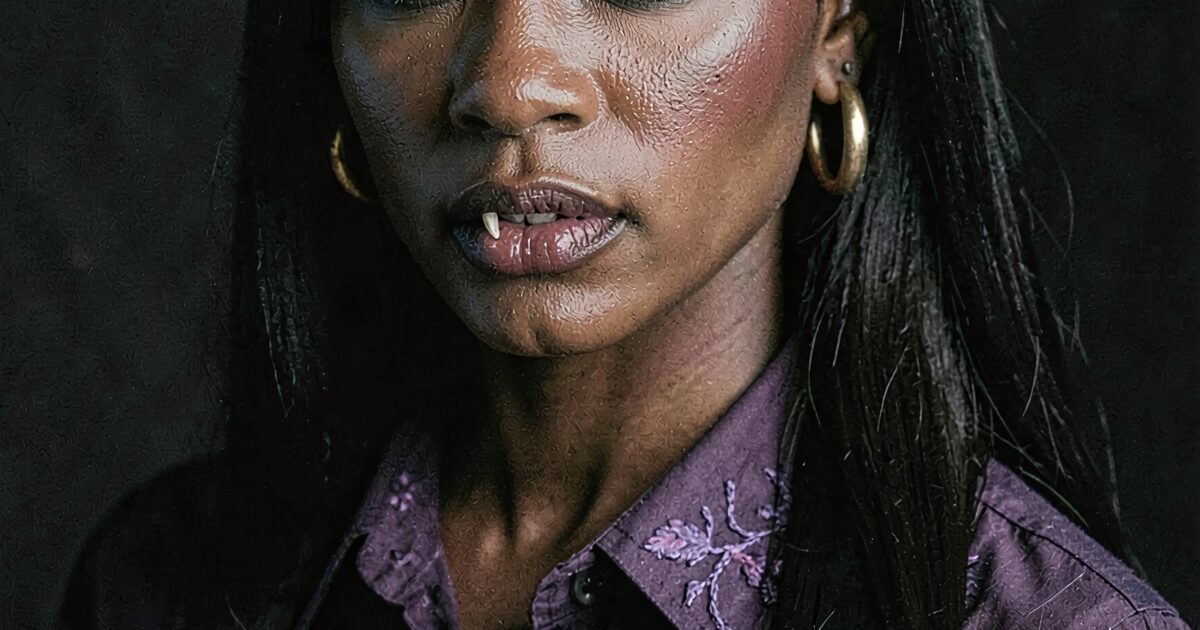
Chapter Eight: Public Interest
Judith Vale chose the bus station.
This disappointed everyone.
Leah had expected a courthouse, a newspaper office, a church, perhaps some half-forgotten municipal chamber where oaths still stuck to the furniture. Angela Rhodes had expected a council building, because she believed in buildings that could be booked. Lydia expected somewhere with records, controlled access, power sockets and at least one external auditor.
Judith chose the bus station because it was ugly, busy, publicly owned in a legally confused way, difficult to close quickly, full of CCTV, and contained enough bored witnesses to become dangerous.
“Romantic,” Mark said.
Judith glanced at him.
“Romance gets people killed. Bus stations produce corroboration.”
They emerged from the railway arches into a wet morning and moved in broken formation through the side streets. Leah pushed Lydia’s chair. Caz walked beside her with one hand ready on the handles. Angela carried the evidence container in a shopping bag from a museum gift shop. Mara kept the USB drive inside her coat. Mrs Casimir moved under a tartan blanket in her wheelchair, muttering about paving standards. Mark had lost the yellow case but retained three forms, a pen, two cable adapters, and a packet of crisps he insisted had “survived procedurally.”
Judith walked at the front, red ledger under one arm.
Behind them, the siren came and went.
Not closer. Not further.
Searching.
The sound had the layered wrongness of the Quiet Order: ambulance urgency, police insistence, air-raid memory, and something older that suggested a hunting horn being forced through public-address equipment.
Angela checked her phone.
“No signal.”
Mara checked hers.
“No signal.”
Mark held up his.
“I have one bar.”
Everyone looked at him.
He shrugged.
“Budget network. It survives shame.”
Judith stopped under the awning of a closed betting shop.
“Can you upload?”
Mark opened the phone.
The screen showed one bar, then none, then one again, as if the network were breathing.
“To where?”
“Everywhere.”
“That’s not a platform.”
Lydia lifted her head.
“No single upload.”
Her voice was thin but functional. Leah had learned that this meant Lydia was about to become professionally unreasonable.
“Split the evidence. Hash the files. Send indexes first. Small packets. Multiple recipients. Public bodies. Journalists. Councillors. Unions. Court clerks. Community groups. Random witnesses with timestamps. Don’t send the whole thing anywhere they can isolate it.”
Mark stared.
“You want me to do digital disclosure from a pavement using one bar and panic?”
“Yes.”
“Good. Clear requirement.”
Angela took out her own dead phone and held it up as if anger could produce signal.
“This is absurd.”
Judith said, “All public-interest disclosure is absurd until later, when people call it inevitable.”
Leah looked over her shoulder.
At the far end of the street, a black-and-yellow ambulance turned slowly into view.
Not the one from the alley. This one was older. Boxier. The word PARAMEDIC was written across the front, but the lettering seemed slightly misaligned, as if copied from memory.
Caz saw it.
“Move.”
They moved.
The bus station occupied the ground floor of a 1970s concrete structure attached to a shopping centre and a multi-storey car park. Its roof leaked. Its signage contradicted itself. Its toilets required a code that no one knew. A Greggs had just opened. A line of commuters waited under flickering departure boards, all in the early-morning state between resentment and surrender.
A bus station did not care about terror.
It had seen worse than terror at 7:40 on a wet Tuesday.
Judith led them to the central waiting area, beneath a digital display cycling between delayed services, council travel notices, and an advert for a dental practice.
“This is public enough,” Angela said.
“No,” Lydia whispered. “Make it documented.”
Angela understood.
She stood in the middle of the concourse, pulled herself upright, and spoke in the voice she used for emergency cabinet meetings, union strikes and journalists who thought budget pressures were personality flaws.
“Excuse me.”
No one listened.
Angela inhaled.
“EXCUSE ME.”
The concourse turned.
Not fully. But enough.
A woman with a pushchair looked up. Two students took out earbuds. A bus driver holding a bacon roll stared. The Greggs cashier leaned sideways. A security guard by the toilets frowned and reached for his radio.
Angela raised her phone even though it had no signal.
“My name is Angela Rhodes. I am the chief executive of a local authority. This woman—” she pointed to Lydia, “—is a public auditor. She has been abducted, unlawfully detained, and used as a blood supply under a concealed public-service framework. We are making a public-interest disclosure.”
The bus station paused.
Then a man near Stand 4 said, “Is this one of them TikTok things?”
Mark said, “It will be if your phone works.”
The first camera came up.
Then another.
Then, because people are not noble but they are interested, a dozen phones lifted.
Judith nodded once.
“Good.”
Caz muttered, “This is the worst comms strategy I’ve ever seen.”
“No,” Lydia said. “This is minutes.”
Angela continued.
“The evidence includes procurement records, staff reserve classifications, contributor extraction logs, dependent-person testimony, and national hidden governance arrangements. We are requesting public witnessing. Please record date, time and location.”
A teenage girl near the vending machines said, “What’s the date?”
“Today,” Mark said.
“That’s not helpful.”
Lydia said, “Tuesday, 20 June.”
Angela glanced at her.
“It’s Saturday.”
Lydia blinked.
For one second, no one spoke.
Judith turned sharply.
“What date?”
Angela looked at her phone. No signal, but the date showed.
“Saturday, 20 June.”
Lydia gripped the arms of the wheelchair.
“It was Thursday.”
“For you,” Judith said.
Leah felt cold.
“How many days did we lose?”
“Possibly none. Possibly two. Possibly someone is correcting timestamps.”
The departure board flickered.
All the bus times vanished.
A new message appeared.
PUBLIC DISCLOSURE INCIDENT — PLEASE REMAIN CALM
A second later:
MISINFORMATION MAY CAUSE HARM TO VULNERABLE GROUPS
Then:
DO NOT RECORD DISTRESSED PERSONS
The crowd shifted.
Some phones lowered.
Judith said, “Index.”
Mara opened her coat and took out the USB drive.
“The board is rewriting framing.”
Lydia’s face sharpened.
“Counter with specifics.”
Angela turned back to the crowd.
“Record this exact phrase: Lydia Venn was classified as Contributor Exception and drained in a Depth-associated holding facility.”
The departure board flashed.
UNVERIFIED ALLEGATION
Leah shouted, before she could think better of it:
“Record this exact phrase: Leah Marsh was preclassified as Staff-Focused Reserve, Route-Compatible, Do Not Release If Classified.”
The board flickered.
PERSONAL DATA BREACH
Caz shouted:
“Record this exact phrase: Lower Level residential vampire clients are being moved through care packages without lawful disclosure or safe staffing.”
The board hesitated.
It did not like vampire.
Good.
Mark raised his hand.
“Record this exact phrase: Mark Ellison is optional but present.”
Caz snapped, “Mark.”
“What? My brother is in the system.”
Mara stepped forward.
Her voice carried less by volume than by the silence it produced.
“Record this exact phrase: Mara Ellison was held as a dependent-person leverage case to coerce family labour inside blood logistics.”
The board went black.
The crowd murmured.
The security guard lowered his radio.
Someone near the coffee kiosk said, “Blood logistics?”
Mrs Casimir rolled herself forward.
Her dark glasses reflected the phones.
“Record this exact phrase: My name is Margaret Casimir. I am a vampire. I am also a person. The system has abused both facts.”
That did it.
The bus station became alive.
Not panic. Not yet. Panic requires belief. This was the stage before belief, when the mind has received too many incompatible categories and reaches for comedy, outrage, denial, fascination or filming.
A man in a hi-vis jacket said, “Did she say vampire?”
A woman with a dog said, “Don’t be stupid.”
The dog began growling at Mrs Casimir.
Mrs Casimir looked down at it.
“Good instincts.”
Then the ambulance arrived inside the bus station.
It should not have been able to. Buses entered through the far lane, yes, but ambulances did not glide silently past Stand 2 and stop beneath a sign for the 42 to Emersons Green. Its lights flashed without reflection. No siren now. No urgency. The sliding door opened.
Three people stepped out.
Paramedics, apparently.
One woman, two men, all in green, all with dry shoes.
The security guard said, “You can’t park there.”
The woman paramedic smiled at him.
He forgot what he had said.
Leah saw it happen. The sentence leaving his face. His mouth closing. His radio hand dropping.
Caz whispered, “False authority.”
Judith said, “Worse. Corrective authority.”
The woman paramedic walked towards Lydia.
“We’re here to help.”
Angela stepped between them.
“No.”
The paramedic’s smile deepened.
“Ma’am, please step away from the distressed individual.”
Angela said, “Identify your service.”
“Emergency clinical response.”
“Which trust?”
“Emergency clinical response.”
“That is not an answer.”
“It is sufficient.”
The crowd had become uncertain. The uniforms were doing their work. People believed cloth quickly. Especially when cloth came with reflective strips.
The departure board came back on.
MEDICAL INCIDENT — PLEASE GIVE STAFF SPACE
Phones lowered further.
Lydia reached for the evidence container.
Leah crouched beside her.
“What do we do?”
Lydia’s lips barely moved.
“They win if it becomes medical.”
Judith looked at the crowd.
“Then make it civic.”
Angela understood first.
She turned to the bus driver with the bacon roll.
“You. Are you employed by the council operator?”
The man blinked.
“Contracted route.”
“Good enough. State your name and that you are witnessing.”
“What?”
“Now.”
He looked at the paramedics, then at Angela, then at the phones.
“Darren Wilkes. Driver. I’m witnessing whatever this is.”
The departure board flickered.
Angela pointed to the Greggs cashier.
“You.”
“Me?”
“Name and witness.”
“Shannon Patel. Greggs. Witnessing.”
The board hesitated.
Angela pointed again.
“You. Pushchair.”
“Nadia Ellis. Witnessing.”
The teenage girl by the vending machines raised her phone.
“Keira Monk. Witnessing.”
One by one, the bus station became names.
Not audience.
Witnesses.
The corrective paramedics slowed.
Judith said softly, “Good. Public is not a crowd. Public is named people who won’t all forget the same way.”
Mara opened Lydia’s notebook, tore out a blank page, and began writing names as people said them.
The woman paramedic’s smile vanished.
“You are obstructing care.”
Angela said, “No. I am creating a witness list.”
The board flashed red.
PLEASE DO NOT SHARE NAMES ONLINE
Lydia smiled weakly.
“Index is panicking.”
The second twist came from the journalist.
He appeared near Stand 6, breathless, rain on his coat, camera bag over one shoulder. Leah recognised him vaguely from Angela’s live call. He had a narrow face, nervous eyes, and the hungry look of a man who had spent years reporting council budget cuts and suddenly found himself in the digestive tract of history.
“Ms Rhodes,” he called. “I’m recording.”
Angela looked relieved.
Judith did not.
The journalist raised his camera.
“Can you repeat the core allegation?”
Lydia stared at him.
His shoes were wet.
His fear looked real.
His camera lens, however, showed no reflection.
Judith moved.
Too late.
The camera flashed.
Not a normal flash. A flat white administrative burst that made the concourse vanish for half a second.
When Leah’s sight returned, the crowd had changed.
Not gone.
Changed.
Darren the bus driver was still there, but he looked confused. Shannon at Greggs had turned back to the till. The teenage girl was staring at her own phone as if she could not remember why she had been filming. The names Mara had written were fading from the paper.
Index had sent a camera.
The journalist lowered it.
“I’m sorry,” he said.
His face crumpled.
“I’m sorry. They have my daughter’s school file.”
Judith struck him across the face with the red ledger.
The camera fell and cracked open on the floor.
Inside was no memory card.
Only a small folded school photograph and a strip of black paper covered in white writing.
Mara grabbed the fading witness list and shoved it against Lydia’s evidence container.
“Blood,” she said.
“What?” Leah asked.
“Blood fixes some records.”
Lydia understood.
“My finger.”
“No,” Leah said.
Lydia looked at her.
“They’ve taken pints. I can spare a drop.”
Leah pricked Lydia’s finger with the pin from Angela’s museum-shop badge. Lydia hissed. Mara pressed the blood to the paper.
The names stopped fading.
The departure board flickered wildly.
CONTAMINATED PUBLIC RECORD
Mrs Casimir laughed.
“Listen to it. It hates paperwork with a pulse.”
The corrective paramedics advanced.
The crowd was forgetting and remembering unevenly. Some still filmed. Some looked embarrassed. Some had begun moving away. One old man shouted that people should leave the poor woman alone. A young mother screamed when she looked at Mrs Casimir’s teeth. The dog barked itself hoarse.
The bus station was public, but public was unstable.
That was the third twist.
Visibility was not enough. Visibility could be edited in real time.
Leah saw the answer before she could explain it.
Buses.
“Get on a bus,” she said.
Caz looked at her.
“What?”
“Not one place. Routes. Move the witnesses.”
Judith turned.
Leah pointed at the stands.
“If everyone stays here, they can contain the incident. If people leave with pieces of it on different buses, it becomes harder.”
Lydia’s eyes sharpened.
“Distributed disclosure.”
Mark said, “Like she said, but with day tickets.”
Angela moved immediately.
“Everyone who recorded, send what you have before you delete it. If you cannot send, keep the phone. Do not hand it to anyone. If you witnessed, get on your scheduled bus. Tell one person what you saw using your own name.”
The corrective paramedic shouted, “This is a medical emergency. Do not leave.”
Darren the driver swallowed.
Then he opened the doors of his bus.
“Forty-two,” he called. “Emersons Green. Witnesses welcome.”
Shannon from Greggs lifted the counter flap.
“I’m not leaving the sausage rolls.”
Mrs Casimir said, “Then tell every customer.”
“Fine.”
The teenage girl ran for the 19, still filming.
The woman with the dog got on the 42 while saying she did not believe any of this, which Judith said was acceptable because disbelief with a timestamp was still evidence.
The bus station fractured.
Good.
Bad.
Dangerous.
The corrective authorities responded by becoming less human.
Their uniforms remained. Their bodies stopped caring about fitting them. Arms lengthened. Faces smoothed. The reflective strips on their jackets became bright lines like surgical cuts.
One lunged towards Lydia.
Leah swung the marker pen.
It made contact with the paramedic’s glove and left a black line across the back of its hand.
The effect was immediate.
The paramedic froze.
On its glove, the mark spread into letters.
UNAUTHORISED TOUCHPOINT
The thing hissed.
Caz grabbed Leah.
“Stop writing on things with that until we understand it.”
“I didn’t write words.”
“That’s worse.”
Judith snatched the pen from Leah’s hand, examined it, and said, “Seal is improvising through you.”
“I don’t want Seal improvising through me.”
“Then become less useful.”
“I’m trying.”
Mrs Casimir suddenly straightened.
“Pelham.”
He appeared at Stand 3.
No one saw him arrive. He stood beneath the timetable for the 76, one hand pressed against his coat, pale and composed and bleeding black through his fingers.
Leah had never been glad to see him before.
She disliked the experience.
Pelham looked at the corrective paramedics, then at the bus station, then at Lydia.
“You do choose venues.”
Judith said, “You’re late.”
“I was detained by a chair.”
“Did it win?”
“Temporarily. Furniture is persistent.”
The woman paramedic turned towards him.
“Dependent Pelham. Return to supervised status.”
Pelham removed his glove.
“No.”
The word was quieter than the child’s no, but older. It carried different damage.
The paramedics recoiled.
Pelham smiled without pleasure.
“You cannot order what your files do not own.”
“Your obligations are active.”
“My obligations are contested.”
“By whom?”
Pelham looked at Lydia.
“By audit.”
Lydia lifted one trembling hand.
“Logged.”
The corrective paramedics shuddered.
Angela looked at Judith.
“Is that legally meaningful?”
Judith said, “At this point, everything is legally meaningful and physically dangerous.”
The 42 began pulling out.
Darren the driver looked terrified and resolute. Through the windows, Leah saw passengers holding phones, arguing, filming, disbelieving, participating. The teenage girl’s bus followed. Then another. The bus station became routes.
The departure board tried to regain control.
SERVICE DISRUPTION
Then:
UNAUTHORISED WITNESS DISTRIBUTION
Then, finally:
PLEASE REMAIN WHERE YOU ARE
Nobody did.
The corrective authorities made their last attempt.
They did not attack Lydia.
They attacked the idea of leaving.
Every exit sign in the bus station changed.
NO EXIT
NO EXIT
NO EXIT
The bus doors began to close. The concourse doors locked. The shutter on the Greggs rattled down halfway. The toilets sealed themselves with three people inside, one of whom immediately began banging and swearing with useful volume.
The bus station was becoming a room.
The Chair was learning.
Leah looked at Judith.
Judith looked at the marker.
“No.”
Leah said, “Yes.”
“That thing is no longer only a marker.”
“I know.”
“It may write you into the solution.”
“I know.”
Lydia said, “Use my blood.”
“No,” Leah said.
“Yes,” Lydia said. “It recognises material. Make it recognise public material.”
Angela had already opened the evidence container.
Leah recoiled.
“Absolutely not.”
Lydia looked at her.
“They made me supply. I decide what it supplies now.”
The sentence left no room for pity.
Leah took the marker. Lydia touched her bloodied finger to its ruined nib.
The pen warmed.
Not hot. Alive.
Leah walked to the nearest locked glass door. Behind it, morning buses moved along the street. Ordinary passengers. A man drinking coffee. A woman in a work uniform. A cyclist waiting at the lights.
Public life.
Leah wrote across the door:
PUBLIC RIGHT OF WAY
The glass cracked.
Not from force.
From contradiction.
Then it opened.
All the exit signs flickered.
PUBLIC RIGHT OF WAY
PUBLIC RIGHT OF WAY
PUBLIC RIGHT OF WAY
The doors unlocked across the concourse.
People ran.
Buses moved.
Phones transmitted.
The corrective paramedics screamed in a frequency that made the departure board rain sparks.
Pelham struck one down with the calm irritation of a man swatting away a debt collector. Mrs Casimir tripped another by moving her wheelchair precisely into its path. Caz pulled Leah back as the glass door shattered behind them. Mark shepherded three confused commuters out while shouting, “Witness safely and hydrate.”
Mara held the blood-fixed witness list against her chest.
Angela stood in the open doorway, rain blowing in around her, and said into her now-working phone:
“This is Angela Rhodes. I am making a live public-interest statement from the central bus station. The previous call was interrupted by actors falsely presenting as emergency clinical staff. We have multiple named witnesses, distributed recordings, physical evidence, and dependent-person testimony. Any attempt to classify this as a medical incident is itself part of the incident.”
Her signal held.
The crowd outside grew.
Not huge. Enough.
Passersby stopped. Bus passengers got off. Drivers leaned from cabs. Someone from a shop across the road came out holding a broom. Two actual police officers arrived and, seeing the false paramedics folding into non-human shapes under fluorescent lights, both appeared to make private decisions about how much they had been trained for.
The corrective authorities retreated.
Not defeated.
Corrected.
Driven back by the worst possible combination: witnesses, names, blood, buses, public right of way, and a chief executive speaking in full sentences on record.
As the last false paramedic withdrew into the ruined ambulance, it looked at Leah.
Its marked glove still read:
UNAUTHORISED TOUCHPOINT
“You have been written,” it said.
Then the ambulance doors closed.
The vehicle drove away without turning on its lights.
Silence followed.
Then the bus station resumed.
Not normally. Never normally. But machines restarted. People shouted. The Greggs shutter rose. The dog barked. A driver asked if anyone was still going to Emersons Green. Someone complained about delays.
Public life reasserted itself through inconvenience.
Judith looked almost satisfied.
“That will buy time.”
“How much?” Leah asked.
“Less than enough.”
Lydia slumped in the wheelchair.
Angela ended the call and looked at her.
“We need a hospital.”
Lydia said, “A real one.”
“Yes.”
“No private suite.”
“No.”
“No receiving facility.”
“No.”
“No one with dry shoes.”
Angela nodded.
“No one with dry shoes.”
Mara handed Lydia the witness list.
The names remained.
Darren Wilkes. Shannon Patel. Nadia Ellis. Keira Monk. Others. Ordinary names. Public names. Bus-station names.
Lydia held the paper against the evidence container.
“Finding Five,” she whispered.
Leah crouched.
“What?”
Lydia’s eyes stayed on the buses pulling out into the city.
“Public is not exposure.”
She swallowed.
“Public is distribution with names.”
Judith nodded.
“Good. Remember that.”
Mark appeared beside them holding a fresh marker from the bus-station lost-property desk.
“Not to distract from the moral victory, but Leah’s cursed pen is smoking.”
Leah looked down.
The original marker had cracked along its barrel. Black ink and red blood had dried together across her fingers. On the side of the pen, where the brand name used to be, new words had appeared.
PROVISIONAL CIVIC INSTRUMENT
Caz read it.
Then she looked at Leah.
“Oh no.”
Leah closed her eyes.
“I hate promotion.”
Mrs Casimir patted her hand.
“Everyone does, dear. That’s how they know you’re suitable.”
Across the street, the black-and-yellow ambulance paused at a junction.
For one moment, through the rear window, Leah saw the Chair.
Not inside.
Reflected.
High-backed. Empty. Waiting.
Then a bus passed between them, full of witnesses, and the reflection broke.
Judith Vale turned away first.
“Hospital now. Then the press. Then court. Then Brackenmere.”
Angela said, “In that order?”
“No,” Lydia whispered.
They looked at her.
She opened her eyes.
“The child first.”
No one contradicted her.
Above them, the departure board flickered one last time.
For a second it showed ordinary routes.
Then one line appeared that had not been there before:
SERVICE 0 — BRACKENMERE — DUE
Judith stared.
“Of course.”
At Stand 8, where no bus had been listed, an old single-decker pulled in without headlights.
Its destination board read:
NOT IN SERVICE
Then changed.
SCHOOL CONTRACT
Then changed again.
BRACKENMERE
The doors opened.
No driver was visible.
From inside the bus came the sound of children murmuring.
Lydia whispered, “They’re moving them.”
Judith’s face had gone very pale.
Angela looked at the hospital ambulance pulling up outside, real this time, blue lights reflecting on wet pavement.
Then at the Brackenmere bus.
Then at Lydia.
Lydia’s body had almost nothing left.
But her eyes were clear.
“Document,” she said.
Leah lifted the smoking marker.
Mara lifted the witness list.
Angela lifted her phone.
Mrs Casimir smiled, showing teeth.
The next route had arrived.
Chapter Nine: Service 0
The bus to Brackenmere waited at Stand 8 with its doors open.
Nobody boarded.
That was the first sensible thing anyone had done all morning.
The vehicle was an old single-decker, cream and green beneath a skin of road dirt, the kind once used for school contracts, parish outings, swimming lessons, custody visits, and children who had no choice about where adults sent them. Its destination display flickered between three messages:
NOT IN SERVICE
SCHOOL CONTRACT
BRACKENMERE
Then, once, too quickly:
PLACEMENT CONTINUITY
Leah saw children inside.
Not clearly. Shapes behind misted glass. Small hands pressed briefly to the windows, then withdrawn. A pale face. A school jumper. A red ribbon. A boy turning away. A girl mouthing something that might have been help or might have been hello.
Lydia was barely upright in the wheelchair. The real ambulance had arrived at the bus station, but the paramedics had stopped at the edge of the concourse because Angela Rhodes was personally checking their shoes, IDs, registration numbers, vehicle interior and whether either of them used the phrase “secure transfer.”
The lead paramedic, a broad woman called Sandeep, endured this with the expression of someone who had worked NHS emergency care long enough to accept that the public were not always wrong to be paranoid.
“I can take her to hospital,” Sandeep said. “Or I can argue. I cannot do both indefinitely.”
Lydia whispered, “Hospital.”
Leah turned.
“You said the child first.”
Lydia’s hand trembled around the blood-fixed witness list.
“I said document the child. I did not say die in a bus station for lack of saline.”
Judith Vale nodded.
“Correct. Resolution begins with keeping the auditor alive.”
That decided it, though nobody liked it.
They needed to split.
The phrase landed badly because splitting up was what people did in horror before discovering basements. But they no longer had the luxury of moving as one frightened organism. The evidence had spread. The witness routes had left. The corrective authorities had retreated. The Brackenmere bus waited. Lydia needed a hospital before her body stopped being an argumentative legal principle and became a corpse.
Angela took command because command was her native stress response.
“Lydia goes to hospital with me and one witness. Real hospital. Public ward. No private transfer. Sandeep, you radio ahead and use words I understand.”
Sandeep said, “Hypovolaemia, possible transfusion reaction, restraint injuries, severe fatigue, psychological trauma, and kidnapping.”
Angela nodded.
“Good. Specific beats euphemism.”
Lydia lifted one finger.
“Evidence stays distributed.”
Mara held up the drive.
“I keep the drive.”
Angela held up the blood container.
“This comes with Lydia.”
Lydia shook her head weakly.
“No. Too dangerous. Split blood from body but keep chain. Send sample to independent lab.”
Angela hesitated.
Judith said, “She is right.”
“It is her blood.”
“It is also evidence that everyone wants to reclaim, redefine, or destroy.”
Lydia looked at Leah.
“The marker.”
Leah held up the cracked pen.
It had stopped smoking. The words on its side remained:
PROVISIONAL CIVIC INSTRUMENT
“I don’t want this.”
“Nobody wants procedure,” Lydia whispered. “That is why it works when honest.”
Angela said, “Leah, you go with Judith to the bus. Caz with you. Mark with Mara.”
Mark opened his mouth.
Angela pointed at him.
“No debate. Your family thread is evidence and leverage. Keep both alive.”
Mrs Casimir raised her hand.
“I am going to hospital.”
Everyone looked at her.
She sniffed.
“Do not act astonished. I am old, hungry, recently residential, and technically a complainant. Also, if anyone tries to reclassify Lydia in a ward, I can bite them.”
Sandeep stared.
Angela said, “She is joking.”
Mrs Casimir smiled.
“Partially.”
Sandeep looked at Angela.
“I want it noted I am under-informed.”
“We all are,” said Mark.
Pelham appeared beside Stand 8, which made Leah’s hand tighten around the marker.
He had changed coats, or the same coat had persuaded itself to look less damaged. The black wound at his side was hidden beneath one hand. His face was pale, strained, and amused by none of it.
Judith looked at him.
“You’re still moving.”
“Disappointing to several parties.”
“Are you with us?”
“No.”
“Against us?”
“Also no.”
Leah said, “That’s useless.”
Pelham looked at her.
“Miss Marsh, usefulness is what made you inventory.”
She had no answer to that.
He turned to Lydia.
“You should not go to hospital.”
Lydia’s voice was dry.
“Because?”
“Because public hospitals are full of blood, grief, thresholds, relatives, electronic records, religious visitors, reflective surfaces, consent forms, locked cupboards, and weak night staffing.”
Sandeep said, “And trained medical professionals.”
Pelham inclined his head.
“Some of whom are excellent.”
Angela said, “She is going.”
Pelham looked at her for a long moment.
Then he stepped aside.
“Then make it noisy.”
That became the first resolution.
Not safety.
Noise.
Angela made Lydia’s hospital transfer public before it happened. She named the hospital, the ward type, the paramedic crew, the attending senior nurse, the receiving consultant, and the fact that multiple named witnesses would accompany the patient. She posted it into the live disclosure channel, sent it to the scrutiny chair, copied external audit, copied two journalists, copied the union, and asked every person in the bus station who still had a functioning phone to record the ambulance leaving.
The ambulance became hard to disappear.
Lydia was loaded in under sixty phones.
Mrs Casimir went with her, wearing dark glasses and a blanket, holding a paper cup of water she refused to drink because she had not seen the tap. Angela climbed in last, turned back to Leah and said:
“Do not get on that bus unless you can also get off it.”
Judith said, “That is the problem with all buses.”
Angela pointed at her.
“You are not as charming as you think.”
“I am not charming at all.”
“Good. Keep it that way.”
The ambulance doors closed.
Before it left, Lydia opened her eyes and fixed Leah with a look that was almost too heavy for her face.
“The child is not a case.”
“I know.”
“No. You don’t. Keep saying it until the system hates you.”
Then the ambulance pulled away.
This time, no black car followed immediately.
Three private cars did. All driven by witnesses.
That was enough.
For now.
The bus to Brackenmere hissed softly.
Caz stood beside Leah.
“I hate this plan.”
“There isn’t a plan.”
“That is the part I hate.”
Mara joined them with the red ledger under one arm and the evidence drive hidden again. Mark stood beside her, unable to stop looking at her as if she might be misfiled away while he blinked.
Judith approached the open bus doors.
The smell that came out was school vinyl, damp coats, old lunchboxes, diesel, and something underneath that belonged to courtrooms and foster homes: paper, fear, disinfectant, cheap biscuits, adult decisions.
The driver’s seat was empty.
On the dashboard lay a clipboard.
Judith did not touch it.
“Leah.”
Leah stepped forward.
The marker warmed in her hand.
“No.”
“Yes.”
“I am getting tired of instruments.”
“Then use it like a pen.”
Leah stared at the bus.
“What do I write?”
“What Lydia told you.”
Leah took a breath and wrote on the bus door, in large black letters:
THE CHILD IS NOT A CASE
The bus lights flickered.
Inside, several children began crying.
Not loudly.
Not theatrically.
The sound of children who had learned to cry quietly because loud crying made adults write things down.
Mara went very still.
Mark reached for her hand. She let him take it.
On the destination display, BRACKENMERE vanished.
For one second it showed:
OBJECTION RECORDED
Then:
BRACKENMERE
Judith nodded.
“Good. It heard us.”
Caz looked through the windscreen.
“What now?”
“Now we ask permission from the actual passengers.”
“The children?”
“Yes.”
Leah stepped onto the first stair but did not enter fully.
“Hello. My name is Leah Marsh. I’m not here to move you. I’m here to ask who wants to get off.”
The bus was silent.
Then a small voice from halfway down said, “Are you a social worker?”
“No.”
“Police?”
“No.”
“Doctor?”
“No.”
“Placement officer?”
“No.”
“Then what are you?”
Leah thought of the care app, the marker, the rota, the frame, the bus station, Lydia’s blood, the words on the pen.
“Tired,” she said. “And I have a pen.”
One child laughed.
That helped more than courage.
Judith stayed outside the bus.
Leah understood why. Judith could negotiate with artefacts and old offices, but this needed someone the children could believe was not already another room with rules.
Leah climbed one more step.
The front seats were empty. Further back, perhaps twelve children sat scattered across the bus. Some were ordinary. Some were not. A girl with hair wet as pond weed. A boy whose shadow sat beside him even when he moved. Two identical children who looked less like twins than repeated evidence. A toddler in a booster seat holding a toy rabbit with no face. And near the back, in a school jumper, with mud still on one shoe, the Brackenmere Child.
They looked at Leah calmly.
“You waved,” the child said.
“Yes.”
“You shouldn’t have.”
“Probably.”
“Adults get into trouble when they remember me.”
“I’m already in trouble.”
The child considered.
“That’s true.”
Leah stepped into the aisle.
The bus doors tried to close.
Caz wedged her boot between them.
“Absolutely not.”
The doors bounced open.
Judith called from outside, “No one sits.”
Leah looked at the empty driver’s seat. Then at every passenger seat.
“Everyone stand up if you can.”
Only three children moved.
The others looked frightened.
The Brackenmere Child said, “Seats are assignments.”
Leah understood.
A seat was not just a seat.
Not here.
She lifted the marker and wrote across the nearest seat back:
UNASSIGNED
The fabric smoked.
The child sitting in that row gasped and stood up as if something had let go of her spine.
Leah moved down the aisle.
One seat.
Then another.
UNASSIGNED
UNASSIGNED
UNASSIGNED
Each word freed one child. Some stood. Some crawled into the aisle. The toddler began crying. Mara entered then, despite Judith’s sharp intake of breath, and lifted the toddler without asking the bus.
“No,” Mara said to it. “Not this one.”
The bus engine started.
Caz shouted, “Leah.”
Leah kept writing.
The marker was hot now. Painful. The words on its side had changed again.
CIVIC INSTRUMENT — ACTIVE
“Get them off,” Leah said.
Caz began lifting children down to the concourse. Mark took the boy with the wrong shadow. Mara carried the toddler. Judith stood outside, counting them by name as they gave names, and by description when they could not.
“Name?”
“Annie.”
“Full?”
“Don’t know.”
“Then Annie, red coat, witness present.”
“Name?”
“Samir.”
“Full?”
“Samir Green. I think.”
“Samir Green, witness present.”
“Name?”
The identical children answered together.
“Neither.”
Judith paused.
“Neither what?”
“That’s what they call us.”
Judith’s face closed.
“Then today you are Neither One and Neither Two until you choose better.”
The twins smiled faintly.
The Brackenmere Child remained seated at the back.
Leah reached them last.
The marker shook in her hand.
“What’s your name?” she asked.
The child looked towards the window.
Outside, the bus station had changed again. People moved in slow motion beyond the glass. The departure board showed blank light. The world was waiting for the child’s answer.
“I have lots.”
“What do you want to be called?”
No answer.
Leah sat on the floor of the aisle.
Not on a seat.
The child noticed.
“That’s allowed.”
“Good.”
“They call me Brackenmere because they don’t know which file is first.”
“Is Brackenmere a place?”
“Sometimes. Sometimes a house. Sometimes a school. Sometimes a family. Sometimes a room where adults decide I should go somewhere else.”
“Where did you come from before the meeting?”
The child looked at their muddy shoe.
“A garden.”
“Where?”
“I’m not supposed to say.”
“Who told you that?”
“Everyone, eventually.”
The bus jerked.
Outside, Caz shouted something Leah could not hear.
The doors were closing again. Judith had one arm braced against them, face white with effort. Mara shoved another child through the gap. Mark reached in for Leah.
“Leah, now!”
Leah held the child’s gaze.
“I can’t take you if you don’t want to come.”
The child smiled sadly.
“That’s new.”
“Do you want to come?”
The bus lurched harder.
The marker split down its side. Black-red ink ran over Leah’s fingers.
The child whispered, “I don’t know how.”
Leah looked at the seat.
It did not have a number.
It had a label.
ANCHOR
There was the thread.
The child was not being transported by the bus. The bus was being held in the world by the child.
Leah wrote over the label.
Not UNASSIGNED.
Not enough.
Her hand moved before she had fully chosen the words.
FREE TO REFUSE PLACEMENT
The bus screamed.
Every window went white.
The Brackenmere Child stood.
The world snapped back so violently Leah felt it in her teeth.
Mark dragged her backwards. The child came with her, one hand clutching Leah’s sleeve. They fell down the bus steps into the concourse as the doors slammed shut behind them.
Inside the bus, the driver’s seat filled.
Not with a person.
With a chair.
High-backed. Empty. Waiting.
The bus pulled away from Stand 8 without a driver, without children, without headlights, and without sound.
Its destination board read:
SERVICE CANCELLED
Then it turned the corner and was gone.
For several seconds no one spoke.
Then one of the rescued children vomited on the floor.
Mark said, “That feels appropriate.”
The second resolution began badly.
They now had twelve children and no lawful explanation.
Angela was at the hospital. Lydia was half-dead. The police could not be trusted in any simple way. Social services were part of the affected domain. Hospitals were dangerous. Judith’s customs house had been found. The bus station was public but no longer defensible.
Caz crouched before the children.
“My name is Caz. I work in care. That does not automatically make me safe. We are going to keep you together until we know what the next safe thing is. Nobody is being placed. Nobody is being moved alone. Nobody signs anything. If any adult tells you they’re here to collect you, you shout.”
A girl in a red coat said, “What if they say they’re our parent?”
Mara answered.
“Especially then.”
That settled the children more than comfort would have.
Judith pulled Leah aside.
“Show me the pen.”
Leah opened her hand.
The marker had cracked completely. Its barrel was split. The ink had dried into a dark clot around her fingers. On her palm, where the pen had rested, words had appeared in small black letters.
USE EXHAUSTED — INSTRUMENT TRANSFER PENDING
Leah stared.
“No.”
Judith’s face tightened.
“Seal marked you.”
“Get it off.”
“I can try.”
“No. Not try. Get it off.”
The Brackenmere Child appeared beside them.
They took Leah’s stained hand in both of theirs.
The words changed.
Not vanished.
Changed.
INSTRUMENT REFUSED
Judith inhaled sharply.
Leah looked at the child.
“What did you do?”
The child shrugged.
“I said no near it.”
Judith crouched.
“What else can you refuse?”
The child looked tired suddenly.
“Rooms. Seats. Names. Sometimes families. Not hunger. Not weather. Not people who really mean it.”
“Mean what?”
“That I am theirs.”
Judith nodded slowly.
That was the third resolution.
The Brackenmere Child was not merely an anchor. They were a refusal engine. A human impossibility around whom the Settlement had built routes, chairs, records and placements because the child could disrupt binding systems by saying no.
No wonder the Chair wanted them seated.
No wonder Seal wanted them defined.
No wonder Index wanted them archived.
No wonder Depth had a nutrition caution.
Leah’s hand stopped burning.
The mark on her palm faded to a bruise.
Across the bus station, the departure board flickered.
For once, it showed only normal services.
Delayed, cancelled, platform changes.
Ordinary misery.
Judith checked the red ledger.
The first page now contained all twelve children’s names or provisional identifiers, written in different hands. Mara had added descriptions. Mark had added which bus seats they had occupied. Caz had added immediate welfare notes. Leah had added the words the child used: I don’t know how.
Judith closed it carefully.
“We have them out.”
“For how long?” Caz asked.
“Longer than they expected.”
Mara looked towards the road.
“They’ll send someone.”
“They already have,” Judith said.
A woman entered the bus station from the north entrance.
She wore a navy coat, flat shoes, no lanyard. Short grey hair. A canvas bag over one shoulder. She looked entirely ordinary, which by now made Leah instantly suspicious.
Judith did not move.
“Dr Voss.”
The woman stopped.
“Judith.”
“Are you here for the children?”
“I am here because twelve closed cases reopened simultaneously and every child-protection system in the region just produced a fatal error.”
Caz stepped in front of the children.
Dr Voss raised both hands.
“I am not here to collect. I am here to witness and advise.”
Judith’s eyes narrowed.
“Which office?”
“None. Former Repository. Current independent guardian ad litem when systems allow such comedy.”
Leah looked at Judith.
“Trust?”
“No,” Judith said.
Dr Voss nodded.
“Correct. But use, possibly.”
The woman turned to the children and sat cross-legged on the bus-station floor.
Not on a chair.
That mattered.
“My name is Eleanor Voss. I am going to ask no one to go anywhere. I am going to sit here until a proper advocate is appointed or until the universe has the courage to explain itself in writing.”
The Brackenmere Child looked at her.
“You sat on the floor.”
“Yes.”
“Adults don’t.”
“Adults should. It would improve meetings.”
The child smiled.
That was enough for Judith, apparently.
“For now,” she said.
The fourth resolution arrived by phone.
Angela called from the hospital.
Her voice was tired but strong.
“Lydia is admitted. Public ward. Real staff. Mrs Casimir has already made three complaints and one nurse has called her iconic, which may become a problem. Blood sample is split. One hospital lab, one university lab, one external forensic courier. I have two journalists downstairs and one councillor crying in the car park.”
“Good,” Judith said.
“Is it?”
“No. But useful.”
Angela paused.
“What happened with the bus?”
Leah looked at the children.
“We got them off.”
Silence.
Then Angela exhaled.
“All of them?”
“Twelve.”
“Is the Brackenmere Child with you?”
The child raised a hand.
Leah said, “Yes.”
Angela’s voice changed.
“Lydia says keep the child away from chairs.”
“We worked that out.”
“She also says Finding Six.”
Leah looked at Judith.
“What is it?”
Angela read from somewhere near Lydia’s bed.
“Finding Six: A system that cannot distinguish a child from an anchor, a witness from material, or care from containment is not a safeguarding system. It is a predator using public language.”
Judith closed her eyes briefly.
“Tell her that’s good.”
Angela said, “She knows.”
The fifth resolution was Tom.
He came through the same entrance as Dr Voss, supported by Sandeep’s off-duty colleague, who had apparently driven him in a personal car because “this lot looked like governance and I wanted no part of the paperwork.”
Tom’s face was bruised. One eye nearly closed. He wore a borrowed hoodie and hospital trousers.
Mark saw him and froze for the second time that morning.
Tom saw Mara.
Then Mark.
Then the children.
Then the ruined bus stand.
“I missed something,” he said.
Mark crossed the concourse and punched him in the chest.
Not hard.
Enough.
Then hugged him.
Tom made a sound like a man trying not to break in public and failing with dignity.
Mara joined them.
For a moment, the three Ellisons stood together in the middle of the bus station: one living night worker, one coerced technician, one misfiled dependent. Not fixed. Not safe. Not free in any clean sense. But together.
That mattered.
Leah looked away.
Caz did not. Caz watched them with the expression of a service coordinator mentally building a protection plan around three impossible siblings and already resenting the forms.
Judith turned to Dr Voss.
“Can you place them?”
“No.”
“Can you stop them being placed?”
“For seventy-two hours, if I lie creatively and use emergency advocacy law until it catches fire.”
“Do that.”
Dr Voss nodded.
The final resolution of the chapter came quietly.
Pelham returned just as the police arrived.
Real police this time, or near enough: wet shoes, confused faces, radios that worked, and the uncertain manner of officers arriving late to an incident that had already escaped language. Behind them came two plain-clothes officials who were probably not police at all.
Pelham walked past them without being challenged.
He came to Mrs Casimir’s empty space, saw she was gone, and looked almost relieved.
Then he approached the Brackenmere Child.
Leah stepped in front of them.
Pelham stopped.
“I am not here for the child.”
“What are you here for?”
“To settle an account.”
He removed a small ledger from inside his coat. Old black leather. Silver clasp. He placed it in Judith’s hands.
Judith looked genuinely surprised.
“Pelham.”
“Do not make me sentimental. It will damage us both.”
“What is this?”
“Names of private legacy dependents outside Depth. Estates, families, hidden arrangements, unregistered feeding obligations, old charitable trusts. Enough to prove Sanguine Range is not the source. Merely the wholesaler.”
Lydia’s vampire population problem, Leah thought. The hidden demographic. The old families. The private supply. The part of the map that had not wanted daylight.
“Why?” Judith asked.
Pelham looked towards the hospital route.
“Because Depth tried to classify me.”
Mrs Casimir, absent, would have laughed.
Pelham continued.
“And because Margaret was right. We have had centuries of minutes.”
He looked at Leah.
“Do not mistake this for goodness.”
“I wasn’t going to.”
“Good.”
Judith opened the ledger.
Her face changed.
“Does Dame Eleanor know you have this?”
“No.”
“Does the Chair?”
Pelham smiled.
“Not anymore.”
A police officer approached.
“Excuse me, who’s in charge here?”
Everyone looked at everyone else.
No one answered.
The Brackenmere Child raised a hand.
“No one,” they said.
The officer stared.
Judith closed Pelham’s ledger and looked at the child.
“No,” she said. “That’s not quite right.”
The child tilted their head.
Judith looked at Leah, Caz, Mara, Mark, Tom, Dr Voss, Pelham, the rescued children, the arriving witnesses, the phones still recording, the public bus station refusing to become a room.
“Everyone,” she said.
The departure board flickered.
For one second, something tried to overwrite it.
Then the board steadied.
SERVICE UPDATE: DELAYS EXPECTED
Mark read it.
“That’s the most honest thing I’ve seen all week.”
Leah laughed.
Not because anything was over.
Because some things, at last, had begun to resolve into names.
Lydia was in hospital.
The blood was split.
The evidence was distributed.
The Ellisons were together.
Mrs Casimir was out of the basement and terrorising a real ward.
Pelham had betrayed his own class, if not yet redeemed himself.
The Brackenmere children were off the bus.
The marker no longer owned Leah’s hand.
The Chair had failed to seat Lydia.
Depth had made an error.
Index had failed to erase everyone.
Seal had been forced to record refusal.
Judith Vale looked at the police officer and handed him a business card.
“Start with attempted child removal, unlawful medical containment, impersonation of emergency staff, and twelve counts of impossible placement. Then make tea. Use the red kettle.”
The officer blinked.
“What?”
Judith sighed.
“Never mind. We’ll do it slowly.”
Outside, a real bus pulled in.
Its destination board read:
City Centre
Nothing more.
Nothing hidden.
Nothing waiting.
For a moment, that was enough.
Chapter Ten: Route Variance
By noon, the evidence began to spoil.
Not all of it. Not visibly at first. Spoilage was too simple a word for what happened to records when Index, Depth and Seal realised the story had survived the bus station.
The hospital blood sample remained red.
The university sample arrived grey.
The external forensic courier delivered an empty insulated package containing a signed receipt, three cable ties, and a smell of cold pennies.
The witness list stayed legible, but several names altered in small ways. Darren Wilkes became Darren Wicks. Nadia Ellis became Nadia Ellison. Keira Monk became Keira Monckton. Shannon Patel remained Shannon Patel until someone tried to scan the page, at which point the scanner jammed and produced forty-seven copies of a 1994 bus timetable.
“Degradation,” Lydia said from the hospital bed.
She looked like someone whom a building had tried to digest and found legally indigestible. There were dark bruises on both arms, medical tape at her wrist, and a hospital blanket pulled over her knees. A saline drip worked beside her with the honest stupidity of ordinary medicine. The ward was bright, noisy, understaffed and public. Lydia had never loved anything less suitable for conspiracy.
Angela Rhodes stood by the bed with a folder, two phones, and the expression of a chief executive whose crisis had reproduced in captivity.
“Degradation?” she said.
“Evidence degradation. Not destruction. Destruction is deniable but crude. Degradation introduces ambiguity.”
The nurse changing Lydia’s observations looked at them.
“Are you talking about the blood thing?”
Angela stiffened.
The nurse did not.
“Only, Margaret in Bed Four said you’d be like this.”
Mrs Casimir, installed in Bed Four under protest from three staff nurses and one junior doctor, waved without turning from the magazine she had stolen from Outpatients.
“Don’t let them take the grey sample,” she said. “Grey means it’s been handled by someone important.”
The nurse looked at the drip.
“Her blood pressure’s still low.”
Lydia said, “My blood pressure has political context.”
“Yes,” the nurse said. “And a systolic number. Drink your water.”
Lydia drank.
That, Angela thought, was the advantage of hospitals. They contained people immune to metaphysics because they had drug rounds.
The first person not found was Tom.
He had been at the bus station. Mark had held him. Mara had spoken to him. Three witnesses had recorded him entering the concourse. One student had filmed him saying, “I was coerced through my sister’s review status.”
By noon, every video that included Tom had shifted. In one, he was hidden behind a pillar. In another, the sound dropped exactly when he spoke. In a third, his face blurred as if the phone had mistaken him for a licence plate. The nurse who had treated his bruises could not remember his name. The personal car that had brought him to the station was logged as never having left the hospital car park.
Mark called him thirty-one times.
No answer.
At 12:43, Tom’s number returned a recorded message.
The number you have called is not recognised. Please check and try again.
Mark sat in the hospital corridor, phone in both hands, and did not speak for a long time.
Mara sat beside him.
“He existed,” she said.
Mark nodded.
“They are trying to make him route-only.”
“What does that mean?”
“It means they haven’t killed him. They’ve made him part of a chain where no one holds him long enough to be responsible.”
Mark stared at the floor.
“Logistics.”
“Yes.”
“I used to think logistics meant vans.”
Mara’s mouth twisted.
“It always means bodies eventually.”
The second person not found was Pelham.
This surprised no one and troubled everyone.
Pelham had handed Judith the private legacy ledger at the bus station. Six cameras had captured him crossing Stand 8. Four showed an elegant elderly man in a dark coat. One showed nobody at all. One showed, for three frames, an ambulance poster peeling from a wall.
The private legacy ledger remained real but began losing entries.
Not pages. Entries.
Names faded from the inside outward. Ink paled. Estate addresses replaced themselves with phrases like private arrangement, historic obligation, family-maintained, not relevant to current inquiry. Judith photographed each page as fast as possible, then made Mara read the names aloud while Caz wrote them by hand in a different notebook and Leah repeated them into a recorder that did not have internet capability.
That helped, but only partly.
Names survived better when spoken by three people.
They survived best when one of those people disliked the person named.
Mrs Casimir was called from the ward on speakerphone.
“Read me the aristocrats,” she said.
Judith did.
Mrs Casimir insulted each one.
Lord Ashburn of Helston became Ashburn, tax-dodging night ferret.
The Wyndham-Mortlake Trust became Mortlake, still owes me six bottles and an apology.
Sir Edmund Vorst became Edmund the Damp, bad cuffs, worse teeth.
The names stabilised.
Judith wrote a margin note:
Hostile testimony may fix identity where neutral records degrade.
Angela read the note later and said, “That has implications for public consultation.”
“No,” Judith said. “It has implications for grudges.”
The third person not found was not a person.
It was the bus.
Service 0 had appeared at Stand 8, taken no children, left without passengers, and vanished between two traffic cameras. The city transport operator had no record of a vehicle on that route. The school-transport office had no Brackenmere contract. The DVLA number plate returned a decommissioned library van scrapped in 2003. The fuel card tied to the chassis belonged to a district council abolished in 1974.
Darren Wilkes, the bus driver, insisted he had seen it.
“I saw it because it was blocking my exit,” he told Angela in a recorded statement. “I don’t do theology before nine in the morning, but I know when a bus is in the wrong bay.”
That sentence survived all attempts at degradation.
Judith described it as “usefully low-level.”
The fourth loss was worse.
Of the twelve children removed from Service 0, only eleven remained present by early afternoon.
The missing child was Neither Two.
No one saw them leave.
No door opened. No corrective paramedic came. No chair appeared. No bus returned. One moment the identical children were sitting side by side in the community room above the bus station, wrapped in donated coats and eating crisps. The next, Neither One was alone and screaming.
Caz had been in the room.
She blamed herself instantly, efficiently, and with such violence that Dr Voss had to take her into the corridor and speak to her as if talking someone down from a ledge.
“They took a child from my care.”
“No,” Dr Voss said.
“I was in the room.”
“Yes.”
“That means—”
“That means you witnessed an impossible removal. It does not make you its cause.”
“That is not how safeguarding will see it.”
“Safeguarding is not currently qualified to see anything.”
Caz’s face twisted.
“That doesn’t help.”
“No. It is merely true.”
Neither One could not say which twin had gone. That was the problem with being named by negation. The system had not taken a child called Emma or Joseph or Aisha. It had taken one half of a refusal to name. A weaker anchor. A movable ambiguity.
Leah found Neither One under a table, arms wrapped around knees.
“Do you want me to sit here?”
The child nodded.
Leah sat on the floor, because chairs had become rude.
“They always said if one of us got placed, the other would still count,” Neither One whispered.
“Who said?”
“People.”
“What people?”
“People with folders.”
Leah closed her eyes.
She had begun to hate folders in a new and personal way.
Outside the room, Judith opened the red ledger and wrote:
Neither Two missing. Removal unobserved but witnessed by absence. Neither One confirms dual identity was administratively unstable. Immediate finding: unnamed children are more vulnerable to route capture.
The ink held.
For now.
At 15:00, the investigators met in the old magistrates’ robing room.
It was Angela’s choice, not Judith’s. The room sat behind a decommissioned courtroom now used by the council for storage, training days and overflow polling-station furniture. Angela chose it because it was public property, still had a working lock, and contained enough obsolete legal symbolism to make Seal behave cautiously.
Judith approved despite herself.
“Good room,” she said.
Angela said, “It has asbestos, probably.”
“Even better. Some forces respect legacy hazard.”
They gathered around a long table under dead fluorescent tubes and one portable work light. Lydia attended by video from her hospital bed, with Mrs Casimir visible behind her eating jelly she claimed was an insult to both nutrition and civilisation. Leah sat with Caz. Mark sat with Mara. Dr Voss sat with the surviving children in the adjacent room, refusing all requests to “temporarily classify” them. Angela chaired because nobody else had the stamina to argue about it.
On the table lay the surviving evidence.
Pelham’s fading legacy ledger.
The blood-fixed witness list.
The red ledger from Judith’s archive.
Leah’s cracked marker, now sealed in a freezer bag.
Three printed stills from the bus station.
A transcript of Lydia’s extraction-room labels.
The Depth file index, though half the filenames had degraded into generic categories.
The app logs from Leah’s phone.
Mrs Casimir’s complaint.
Mara’s Lower Level records.
A hospital chain-of-custody form signed by four people, one of whom now denied working that shift despite being visible through the ward window at the time.
Angela wrote on the whiteboard:
WHAT OUTCOME ARE WE SEEKING?
No one answered immediately.
That was the problem with surviving the impossible. Survival created the administrative need to define victory.
Mark said, “Get Tom back.”
Mara said, “And Neither Two.”
Caz said, “Protect the children we have.”
Leah said, “Stop the staff reserve classifications.”
Angela wrote each down.
Judith said, “Break the Chair’s attempt to incorporate Lydia.”
Lydia’s voice came through the laptop.
“Expose contributor conversion.”
Mrs Casimir called from the background, “And Lower Level.”
Angela wrote.
Recover missing persons
Protect Brackenmere children
Stop staff reserve / contributor pathways
Expose Depth abuse
Prevent Lydia incorporation
Review Lower Level and dependent rights
Angela turned.
“That is a list of objectives, not an outcome.”
Judith looked at the whiteboard.
“Outcome: force the Settlement into adversarial disclosure before it can self-reform.”
Angela nodded slowly.
“That is legal language.”
“It is war language wearing legal clothes.”
Lydia said, “We need a forum they cannot fully own.”
“Court?” Leah asked.
Judith shook her head.
“They own too much of Seal.”
“Press?”
Angela said, “Index can degrade narrative faster than journalists can verify it.”
“Parliament?” Mark asked.
Everyone looked at him.
“What? I know things.”
Angela considered.
“Parliament creates privilege, public record, and political risk. It also creates delay, grandstanding and people saying ‘lessons must be learned’ until the lessons die of neglect.”
Lydia said, “Inquest.”
The room went still.
Angela turned to the laptop.
“Who is dead?”
“No one has to be, not immediately. But inquests create questions of identity, custody, route, medical cause, state involvement, and public record. The extraction bay created near-fatal harm. The missing children create welfare proceedings. The false authorities create criminal investigation. None is enough alone. Together, they need a public inquiry mechanism.”
Judith nodded.
“But inquiries are where truth goes to retire.”
“Unless the terms of reference are contaminated by evidence they cannot unsee.”
Angela wrote:
FORCE PUBLIC INQUIRY / SPECIAL INQUEST / PARLIAMENTARY PRIVILEGE / CHILD WELFARE ACTION
Caz leaned back.
“We’re trying to make too many systems look at the same thing at once.”
“Yes,” Lydia said.
“Because distributed secrecy works by keeping them separate.”
“Yes.”
Caz looked at Leah.
“That might actually be an outcome.”
Angela wrote in capital letters:
COLLISION STRATEGY
Judith said, “Good.”
The work changed after that.
Not easier. More dangerous. But shaped.
They assigned threads.
Angela would force the civic route: Monitoring Officer, external audit, scrutiny chair, regional children’s safeguarding partnership, hospital board, and a request to a parliamentary contact.
Lydia would write the core findings from hospital while refusing all invitations to “liaise informally” with Dame Eleanor.
Judith would protect the red ledger and trace the Brackenmere Child’s garden origin through archive, mud, school uniform supplier, and weather.
Caz would produce sworn operational testimony on Kindred’s app, staff reserve flags, Lower Level processes and rota coercion.
Leah would stay with the children because the Brackenmere Child seemed able to refuse Seal through contact, and because the children trusted her more than rooms.
Mark and Mara would pursue Tom’s route through staff rosters, technician logs, family review credits, and the places where a person could be held without any one organisation admitting custody.
Mrs Casimir would remain in hospital because she refused to discharge until given a real complaint response and “something red with no preservatives.”
Pelham would be marked unknown.
Neither Two would be marked missing, not lost.
That distinction was Lydia’s.
“Lost implies accident,” she said.
At 16:12, the first ancient lever moved.
Not with thunder.
With an email.
Angela received it from the Department for Communities, Continuity and Local Resilience, a department whose name she was certain had not existed that morning and whose GOV.UK page had a copyright footer dated 2011.
Subject:
Temporary Direction under Public Quiet Maintenance Provisions
The direction instructed the council to preserve stability, prevent unauthorised disclosure of sensitive dependency arrangements, avoid inflammatory terminology, and cooperate with national bodies in the “safe relocation of affected minors.”
Angela read it aloud.
Caz said, “Affected minors means the children.”
Judith said, “Safe relocation means bus.”
Leah felt her stomach drop.
Angela opened the attachment.
It was signed by a minister whose photograph on the website looked plausible until Mara found three versions of him under three different names across previous governments.
“Is he real?” Mark asked.
Judith leaned in.
“Probably. That’s worse.”
The second lever came through Ofsted.
Dr Voss emerged from the children’s room holding her phone like something that had bitten her.
“They have issued an emergency concern about unregistered care provision.”
Angela stared.
“Against whom?”
Dr Voss looked at Leah.
Leah laughed once.
“No.”
“Technically,” Dr Voss said, “you are currently supervising children in a non-registered setting after removing them from a transport arrangement.”
“The transport arrangement was a ghost bus.”
“Yes. They’ve omitted that.”
Caz stood.
“They are going to make us the safeguarding risk.”
Judith said, “Of course.”
The third lever came through the hospital.
A consultant Angela trusted phoned from Lydia’s ward. His voice was controlled and angry.
“There is a transfer request in the system.”
Angela said, “Decline it.”
“I have.”
“Good.”
“It reappeared.”
“Decline again.”
“I did. It reappeared under a different consultant.”
“Who?”
Silence.
Then: “A consultant who retired in 1986.”
Lydia’s voice came faintly through the background.
“Ask if his GMC registration is current.”
The consultant said, “Ms Venn is being difficult.”
Angela said, “Prescribe that.”
The fourth lever came through procurement.
Kindred Living Support issued a formal notice alleging breach of commercial confidentiality, reputational damage, unlawful access to proprietary app data, and improper interference with critical care logistics. It requested urgent injunctive relief.
Attached to the claim was a witness statement from Caz.
Caz stared at it.
“I didn’t write that.”
Her signature sat at the bottom.
Perfect.
Mara looked over her shoulder.
“The wording is wrong.”
“How?”
“You’d never say ‘balanced and proportionate provider response’ without vomiting.”
Caz took the paper.
“Correct.”
The fifth lever came through the old realm.
That was how Judith described it because she had no better phrase and disliked the available ones: Crown, land, deep office, settled sovereignty, old law, appetite wearing legitimacy. Forces ancient to the realm did not always look supernatural. Often they looked like reserved powers, sealed orders, royal peculiar jurisdictions, emergency planning committees, old charities, inherited estates, uncommenced Acts, constables of places that no longer existed, and courts whose names could not be searched because they predated the habit of search.
At 17:00, a man in ceremonial black delivered a sealed notice to the robing room.
No one had let him into the building.
He wore no lanyard. No pass. No modern ID. His coat was trimmed with something that might once have been fur but now looked like shadow combed flat. He carried a silver-topped cane and smelled faintly of rain on stone.
Angela stood.
“Who are you?”
The man bowed.
“Clerk of the Verge.”
Judith swore.
Mark whispered, “Is that bad?”
“Very old and very annoying.”
The Clerk placed a parchment tube on the table.
“I serve notice that the matter of Brackenmere, associated dependents, civic witnesses, disputed blood, and all related instruments is claimed under ancient realm jurisdiction pending determination of disturbance to quiet order, parish continuity, royal peace, and hereditary obligation.”
Angela said, “No.”
The Clerk looked at her with polite sorrow.
“No is not usually available.”
Leah heard the Brackenmere Child from the next room.
“It is now.”
The Clerk froze.
The child appeared in the doorway.
Not dramatic. Small, tired, wearing a donated hoodie over the school jumper, one muddy shoe still tied with a double knot.
They looked at the parchment.
“No,” they said.
The tube split lengthwise.
The Clerk stepped back.
For the first time, his composure failed.
“That is not—”
“No,” the child said again.
The parchment inside the tube caught fire without flame, blackening from the centre outward.
Judith moved quickly, snatching the unburned edge with tongs and dropping it into a biscuit tin.
“Good. Very good. Partial remains.”
The Clerk stared at the child.
“You are under placement.”
“No.”
“You are under protection.”
“No.”
“You are under obligation.”
“No.”
Each refusal diminished him slightly. Not physically. Jurisdictionally. His coat lost depth. The silver on his cane dulled. His shadow detached from the wall and became ordinary.
Leah stepped beside the child.
The Clerk looked at her.
“Care worker.”
“Yes.”
“You do not understand what you shelter.”
“No,” Leah said. “But I understand shelter.”
He smiled then, and it was not defeated.
“Shelter is a claim.”
The child reached for Leah’s hand.
Leah took it.
The Clerk looked at their joined hands.
“Ah.”
Judith said, sharply, “Don’t.”
Too late.
The Clerk bowed.
“Noted.”
Then he was gone.
The sixth lever had not come from outside.
It had come from Leah.
Caz saw it first.
“What did he note?”
Judith looked at Leah and the child’s joined hands.
“Relationship.”
Leah let go immediately.
The child flinched.
“No,” Leah said, horrified. “I didn’t mean—”
The child’s face shut down.
Not fear. Practice.
They had been claimed by so many adults that even the withdrawal of a hand was a familiar document.
Dr Voss entered.
“Stop. Nobody interpret. Nobody classify.”
Judith nodded once.
“Correct.”
Leah knelt in front of the child.
“I let go because he was trying to use it, not because I didn’t want to hold your hand.”
The child studied her.
“Say it again.”
Leah did.
The child took her hand back.
This time Dr Voss said clearly, “Witnessed: comfort contact, child-led, non-possessive, no placement implication.”
Judith wrote it in the red ledger.
The air settled.
Barely.
Angela exhaled.
“We need rules for everything.”
Lydia’s voice came through the laptop.
“No. We need records for everything. Rules will be used against us. Records can be used by us.”
The room absorbed that.
Outside, the day darkened although it was not yet evening.
Clouds gathered over the old magistrates’ court. Rain struck the windows. Somewhere in the pipes, a sound began like distant traffic, though the building stood on a quiet side street.
Depth, routing.
Index, degrading.
Seal, claiming.
Ancient levers moving behind modern surfaces.
Angela looked at the whiteboard.
COLLISION STRATEGY
Under it she wrote:
Outcome sought: force concurrent public recognition before any single hidden system can absorb the evidence, witnesses or children.
Judith nodded.
“That will do.”
“For what?”
“For a declaration of war no one can admit receiving.”
Mark’s phone buzzed.
He looked at it.
His face changed.
Mara leaned in.
The message came from Tom’s unrecognised number.
No words.
Only a map pin.
Caz stepped closer.
“Where?”
Mark swallowed.
“Service depot. North side. Route archive.”
Leah looked at the Brackenmere Child.
The child looked at the map and whispered:
“That’s where buses go when people forget they were on them.”
Judith closed the red ledger.
“Then that is where Neither Two is.”
Angela looked at the window, then at the burned parchment, the whiteboard, the children’s room, the hospital laptop, the fading evidence, the old realm stirring.
“We can’t chase every route.”
“No,” Lydia said from the hospital bed.
Her face on the laptop screen was pale, exhausted, and absolutely awake.
“We choose the route that can testify.”
Mark stood.
“Mara?”
Mara took his hand.
“Tom first.”
Leah looked at Caz.
Caz looked at the child.
The child said, “Neither Two first.”
Judith looked at Angela.
Angela closed her eyes briefly.
Then opened them.
“Both are the same route.”
On the whiteboard, beneath COLLISION STRATEGY, she wrote:
ROUTE ARCHIVE — 19:00
Outside, the old siren began again.
Not near.
Not far.
Scheduled.