Morning: Woke up feeling a mix of excitement and nervousness. Today marks the start of my new project, “Our Condition.” Spent the morning prepping my camera and gear.
Afternoon: Met with the first subject, Ella. Her eyes told a story of lost dreams. Captured her in natural light, which beautifully accentuated the raw emotions she conveyed.
Evening Reflection: Feeling humbled. Ella’s vulnerability in front of the camera was both powerful and heartbreaking.
Day 3: A Spectrum of Emotions
Morning: Struggled with lighting today. Wanted to capture the subtle nuances in a way that felt authentic.
Midday: A breakthrough moment with Maya, whose expression of silent sorrow was for me, deeply moving. It reminded me why I started this project.
Evening Reflection: Realized that each woman I photograph is like a different story, unique yet universally relatable.
Day 7: The Art of Listening
Early Morning: Spent time just listening to my subjects before photographing them. Their stories are as important as the images.
Afternoon: Photographed Aisha. Her eyes were pools of unshed tears. It was a silent conversation between her soul and the lens, her body….
Evening Reflection: Today was emotionally taxing but fulfilling. Each story adds more depth to the project, making it more than just a series of portraits. I begin to feel exploitative.
Day 12: Challenging Perspectives
Morning: Experimented with different angles and shadows to capture the complexity of emotions.
Late Afternoon: Met with Zoe. Her defiant despair contrasted with the others, adding a new layer to the project.
Evening Reflection: Realizing how each woman, each portrait, challenges and reshapes my understanding of their despair and our resilience.
Day 18: Reflections and Realizations
Morning: Spent time reviewing the shots taken so far. The journey of each woman is vividly etched in each photo.
Afternoon: A moment of introspection. Realized how this project is affecting me, making me more aware of the depths of human emotion.
Evening Reflection: Feeling grateful for the trust these women have placed in me, allowing me to capture their most vulnerable moments. Spent time on digital retouches.
Day 24: Nearing the End
Early Morning: A sense of melancholy as the project nears its end. Each photo feels like a goodbye.
Afternoon: Last shooting day. The final portraits are as powerful and poignant as the first.
Evening Reflection: “Our Condition” has become a part of me, a journey through the facets of human emotion.
Final Day, 30: Looking Back
Morning: Reflections at Dawn
As the first light of dawn crept through my flat window, I found myself immersed in contemplation. Today marks the culmination of “Our Condition,” a journey that has been as personal as it has been professional. Each photograph, now neatly arranged for the exhibition at my mother’s gallery, feels like a chapter of a much larger story, a narrative of collective human experience.
Sifting through these images, I am struck by the intensity and diversity of emotions they capture. From the subtle furrow of a brow to the quiet strength in a gaze, each portrait is a testament to resilience and vulnerability. The journey these women have shared with me, and now with the world, is a poignant reminder of the silent battles fought and often unseen.
This project started as a vision to explore the depths of despair and hopelessness, but it evolved into something much more profound. It became an exploration of inner strength, unspoken pain, and a celebration of the quiet courage that lies within.
Afternoon: Preparing for the Exhibition
The hours leading up to the exhibition were a whirlwind of activity. As I arranged each portrait, I couldn’t help but recall the stories behind them. The gallery space transformed into a sanctuary of sorts, each photograph a sacred relic of a moment shared, a trust earned.
I took a moment to stand in the center of the gallery, surrounded by the faces that had become so familiar to me. There was Ella, whose eyes first opened the project with a tale of lost dreams. Maya, with her silent sorrow that spoke volumes. Aisha, whose resilience shone through her unshed tears. Each woman, an embodiment of our shared condition.
The weight of responsibility feels heavier than ever. They have entrusted me with their real stories, a mosaic of mixed emotions and experiences that demanded respect and empathy.
Evening: The Exhibition
As the first guests arrived, I felt a mix of pride and vulnerability. Each viewer’s reaction to the portraits was a reflection of their own journey, their own battles with despair and hope. The gallery became a space of silent conversations, of unspoken understandings.
Throughout the evening, I observed as people moved from one portrait to another, sometimes pausing for a long time, sometimes quickly moving on. It was clear that each image resonated differently, touching on the myriad experiences that make up our human existence.
The most profound moments were those of quiet recognition, when a viewer stood before a portrait, and something unspoken passed between them and the subject. It was in these moments that “Our Condition” transcends its physical form, becoming a bridge, a shared understanding of the fragile beauty of life.
A Journey Shared
As the night drew to a close, I realized that “Our Condition” was no longer mine alone. It belonged to every person who had shared in this experience, who had seen themselves in these portraits, who had connected with the raw, unfiltered emotions they depicted.
This project was a journey into the hearts of humanity, a reminder that beneath our varied exteriors, we share a common thread of emotions, experiences, and aspirations. In capturing their despair, I have unwittingly captured hope – the hope that comes from knowing we are not alone in our struggles, that our stories matter, and that in our vulnerability lies our greatest strength.
“Our Condition” is part of me, a chapter in my life where I learned as much about myself as I did about the subjects I photographed. I am aware of the depths and complexities of human emotion, the incredible strength that lies within our shared vulnerabilities.
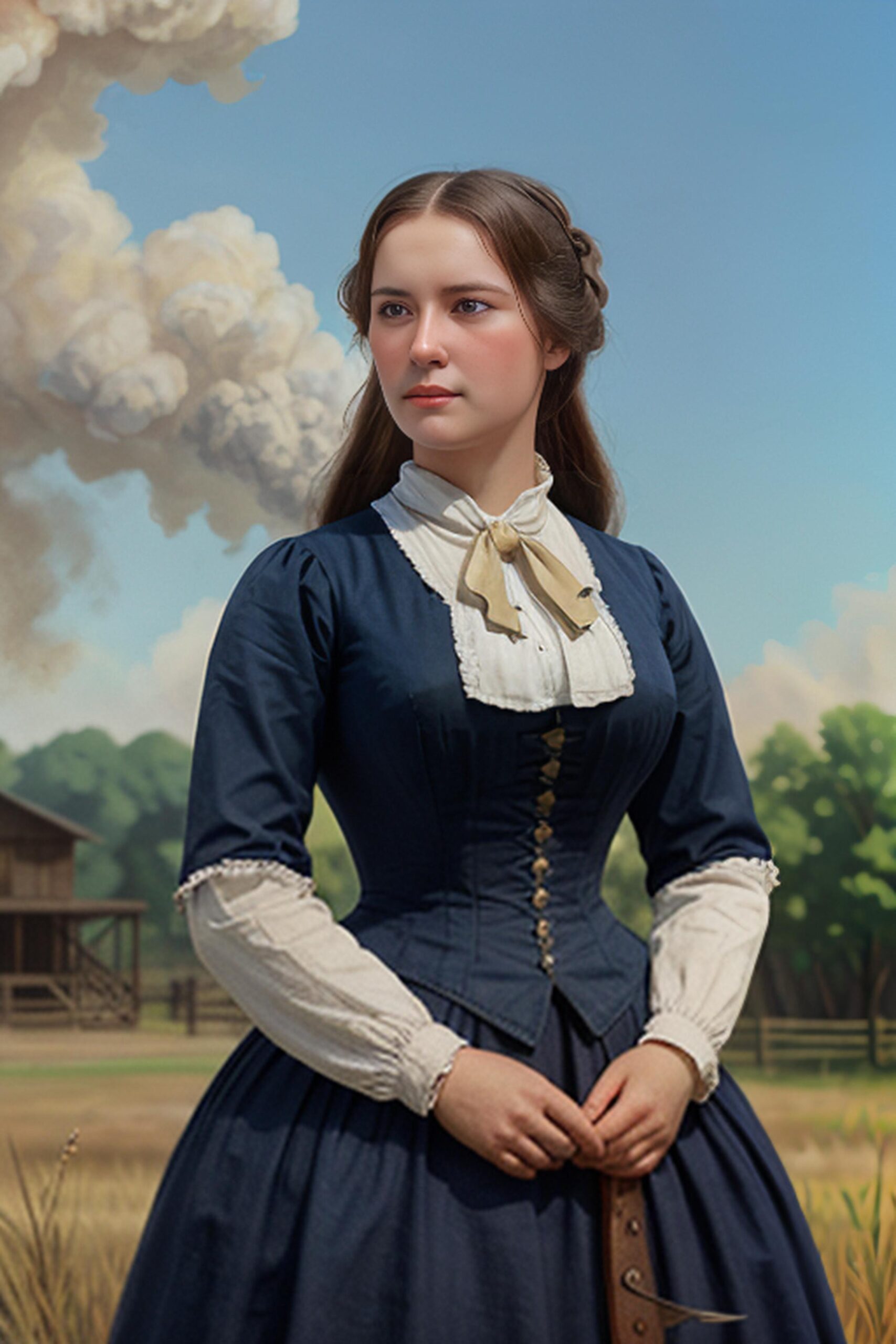
This photography project, titled “Within the Shadows of War,” seeks to cast a new light on the American Civil War, a pivotal moment in history, through the lens of the women who lived through it. It aims to uncover the often-overlooked narratives and experiences of women during this tumultuous period, exploring themes of resilience, loss, and the varied roles women played, both in the backdrop of the battlefield and in the everyday struggle for survival and dignity.
Utilizing near-authentic period clothing and settings, “Within the Shadows of War” brings to life the diverse realities of women during the Civil War era. From the working women away from the conflict to those caught in its direct path, the project encapsulates the strength, sorrow, and complexity of their experiences. Each photograph is more than just a snapshot of re-enactment; it’s a window into the past, telling stories that resonate with emotional depth and historical accuracy.
As the photographer, I draw from a deeply personal connection to this era, influenced by my heritage and my family’s diverse perspectives on history. This project is not just a tribute to the resilience of these women but also an exploration of the lasting impact of the Civil War on American identity and the ongoing dialogues about race, gender, and equality.
“Within the Shadows of War” is an invitation to pause and reflect on a critical chapter of history through a fresh, yet introspective, lens. It’s about understanding the past in its full context and recognizing the enduring strength and spirit of the women who experienced one of the most challenging periods in American history.
Shadows of War
The American Civil War, fought from 1861 to 1865, was a pivotal event in the history of the United States. Its roots lay in deep-seated political, social, and economic differences between the northern and southern states, primarily revolving around the issue of slavery and states’ rights. The election of Abraham Lincoln as President in 1860, who was seen as anti-slavery, led to the secession of eleven southern states, forming the Confederate States of America. The northern states, supporting the Union, were determined to preserve the nation and abolish slavery.
From a modern perspective, the Civil War is often viewed as a struggle for civil rights and equality. The Emancipation Proclamation issued by President Lincoln in 1863, which declared all slaves in Confederate-held territory free, is seen as a significant step towards the abolition of slavery. The war resulted in the defeat of the Confederacy and the preservation of the Union. It also led to the passage of the 13th, 14th, and 15th Amendments to the U.S. Constitution, which abolished slavery, granted citizenship to all persons born or naturalized in the United States (including former slaves), and protected the voting rights of men regardless of race, color, or previous condition of servitude.
The contemporary interpretation of the Civil War also acknowledges the catastrophic human cost of the conflict. It was the deadliest war in American history, resulting in the loss of an estimated 620,000 soldiers and an unknown number of civilian casualties. The war had devastating effects on the Southern states, with major cities like Atlanta and Richmond left in ruins, and the South’s economy was decimated.
Today, the Civil War is also viewed through the lens of racial relations and civil rights in the United States. The legacy of the war and its role in shaping attitudes about race and equality continue to be subjects of debate and reflection. The conflict and its aftermath have been re-examined in the context of the struggle for civil rights, especially in light of ongoing racial disparities and tensions in the U.S.
Furthermore, the war’s impact on women’s roles and societal expectations has gained attention in modern scholarship. Women played critical roles during the war, serving as nurses, spies, and even soldiers. The war challenged traditional gender roles and laid the groundwork for the later women’s suffrage movement.
In summary, the American Civil War is a complex and multifaceted event in American history. Its causes, the conduct of the war itself, and its long-term consequences are still the subject of much study and debate. It is seen as a turning point in the nation’s history, with significant implications for the development of the United States in terms of civil rights, race relations, and national identity.
My father was from Tennessee and he grew up in the 1960s. This added a unique dimension to my understanding of the American Civil War and its legacy. The 1960s were a tumultuous time in American history, marked by significant civil rights movements and a broader re-examination of the country’s history, including the Civil War.
In the South the 1960s was a period of profound change and often intense conflict over civil rights and the legacy of the Civil War. My father’s viewpoints were shaped by this backdrop. During this time, there were still strong sentiments in parts of the South that were sympathetic to the Confederacy, often under the guise of “heritage” or “tradition.” This perspective frequently downplayed or ignored the central role of slavery in the Civil War and the ongoing impact of racial injustice. On the other hand, the civil rights movement brought a renewed scrutiny of the Civil War’s legacy, particularly its implications for racial equality and justice. The 1960s saw significant strides in this area, with landmark legislation like the Civil Rights Act of 1964 and the Voting Rights Act of 1965. These laws were designed to dismantle segregation and protect the voting rights of African Americans, directly addressing the unresolved issues of racial inequality stemming from the Civil War era.
My father’s views on these events and the general atmosphere of the South during this time were not so positive, but his opinions were affected by the broader national dialogue about civil rights and history, which was becoming more prominent.
Today, understanding these diverse perspectives I hope I can enrich my photography project. The legacy of the Civil War is multifaceted and continues to influence American society. Capturing this complexity, especially through the lens of women’s experiences and contributions, can provide a powerful insight into how history shapes our present.
In my photographic exploration of the American Civil War, I plan to address the complex themes of race with a deeply informed, respectful, and sensitive approach. Recognizing the sensitive nature of racial issues during this period, my work will be grounded in thorough historical research to ensure accuracy and context. I aim to represent the diverse experiences and perspectives of people of color during the Civil War, avoiding stereotypes and instead focusing on the nuanced realities of their lives.
Collaboration and consultation with historians, cultural sensitivity experts, and relevant communities will be a cornerstone of my process. This will help ensure that my portrayals are not only historically accurate but also handled with the respect and sensitivity they deserve. While my work aims to be artistically expressive, I am mindful of the impact it may have. My intention is to evoke empathy and educate rather than to shock or sensationalize.
Consent and clear communication will be fundamental when working with models or re-enactors, ensuring they are comfortable and understand the intent behind the project. I am committed to avoiding the exploitation of painful historical events for sensationalism. Instead, the focus of my work will be on respectful commemoration and education.
Where appropriate, my work may draw parallels between the racial issues of the Civil War era and contemporary challenges, inviting reflection on the progress made and the ongoing struggles. The curation of my work, whether in a book or an exhibition, will be executed thoughtfully, considering the sequence of images and the overall narrative, to offer a meaningful and insightful perspective on this pivotal period in American history.
The history of women soldiers in the American Civil War is a fascinating study of bravery, tenacity, and the complexities of gender roles in 19th-century America. Women were not legally allowed to serve as soldiers in the armies of the Union or the Confederacy, but this did not stop many from participating directly in the war.
Many women disguised themselves as men to enlist in the military. Estimates suggest that approximately 400 to 750 women soldiers served in the Civil War. However, exact numbers are difficult to determine due to the secretive nature of their service. Women took on male aliases and concealed their gender through various means to fight alongside men.
The reasons why women disguised themselves and fought vary widely:
Some were motivated by patriotism and a desire to serve their country.
Others followed husbands or loved ones into war, unwilling to be separated.
For some, it was an opportunity to earn a soldier’s pay at a time when economic opportunities for women were limited.
The adventure and the break from traditional female roles were also appealing to some.
Women soldiers were sometimes discovered only after being wounded or killed. Others were found out due to illness or medical examinations. Those who were identified were typically sent away from the front lines, sometimes with a dishonorable discharge, although the dishonor was not always enforced, and in some cases, women received pensions after the war.
A few women became famous for their military service:
Sarah Emma Edmonds who served with the 2nd Michigan Infantry and participated in various battles. She also worked as a nurse and a spy.
Jennie Hodgers, known as Albert Cashier, served with the 95th Illinois Infantry and lived as a man for many years after the war.
Loreta Janeta Velazquez, a Cuban-born woman, claimed to have served as a Confederate soldier under the alias Harry T. Buford.
Women’s contributions as soldiers were largely unrecognized during the war and rarely acknowledged afterward. It was only through pension records, personal diaries, letters, and the occasional press interview that their stories came to light. The Civil War challenged the perceptions of gender roles and demonstrated the ability of women to perform military duties.
These women, through their service, played a part in expanding the understanding of what women could do and laid early groundwork for later discussions about women in the military, which would evolve significantly throughout the next centuries.
“Shadows of War” is a profound photographic exploration that delves into the often hidden and untold stories of women during times of conflict. This project illuminates the experiences of women who, despite being pivotal to the war effort and the fabric of society, have historically remained in the shadows of the more dominant narratives of battle and male heroism.
Throughout history, and especially during the American Civil War, women played multifaceted roles – as caregivers, nurses, supporters, and even direct participants in the conflict. Yet, their stories have often been relegated to footnotes, overshadowed by the tales of generals and soldiers. “Shadows of War” seeks to bring these stories to the forefront, giving voice to the voiceless and painting a more inclusive and comprehensive picture of what conflict truly entails.
The project captures the resilience, the untold suffering, the silent strength, and the often overlooked contributions of women during the Civil War. It highlights how women not only managed homes and families but also took on roles that defied gender norms of the time, such as spying, smuggling, and even dressing as men to fight.
Moreover, “Shadows of War” delves into the nuanced racial dimensions of these experiences. It portrays the diverse struggles and contributions of African American women, who faced the dual challenges of conflict and systemic racial oppression. Their stories are a testament to their unyielding strength and a critical part of the Civil War narrative.
In bringing these hidden stories to light, “Shadows of War” not only pays homage to these women but also invites reflection on the broader impact of conflict on society. It questions the traditional narratives of war, urging a re-examination of our historical understanding through a more inclusive and empathetic lens.
Through this project, we are reminded that in the backdrop of the grand narratives of war, there are countless untold stories of resilience and courage. “Shadows of War” is a tribute to these stories, a visual journey that acknowledges and honors the indispensable role of women in the tapestry of history, particularly in times of conflict.