
Tag: meme

  • The Art of the Negative

    The Art of the Negative

    The Intersection of Surrealistic Art Photography and Cultural Content:

    Roots to Convergence/Divergence

    In the evolving landscape of visual culture, the intersection of surrealistic art photography and cultural content, particularly social media memes, presents a fascinating study in contrasts and convergences.

    This essay explores the roots of both surrealistic photography and meme culture, examines their points of intersection, and discusses the ways in which they converge and diverge within the broader spectrum of visual communication.

    Surrealist Photography and Meme Culture

    Surrealistic photography, born out of the Surrealist movement of the early 20th century, was grounded in the exploration of the unconscious mind, dreams, and the irrational. Artists like Man Ray and Salvador Dalí used photography to create images that defied logical interpretation, challenging viewers’ perceptions of reality. The essence of surrealistic photography lies in its ability to provoke and disturb, using visual paradoxes and bizarre imagery to tap into deeper psychological experiences. Surrealist themes persist in contemporary high art and culture, as driver with commercialism to provoke demand.

    Meme culture, primarily a product of the digital age, has its conceptual root of the ‘meme’ as defined by Richard Dawkins in 1976. Dawkins described memes as units of cultural transmission – ideas, behaviors, or styles that spread within a culture. With the advent of the internet and social media, memes evolved into a predominant form of digital communication, often characterized by humor, satire, and rapid dissemination.

    Memes, in the context of digital culture, are pieces of media, typically humorous in nature, that are rapidly spread by internet users. They often consist of images, videos, or text that are replicated with slight variations and shared extensively across social media platforms. Initially, memes were predominantly seen as a form of entertainment, but over time, they have become a significant mode of communication and cultural expression.

    The convergence of surrealistic art photography and meme culture is most apparent in their shared capacity to communicate complex ideas quickly and impactfully. Both use a codified visual shorthand – surreal photography through symbolic imagery and memes through captioned photos or videos – to convey messages that might be more complex or less engaging if expressed through text alone. Furthermore, both surrealistic photography and memes often serve as a commentary on society and culture. Surrealistic photography has been used to challenge norms, question reality, and explore the human psyche. Similarly, memes frequently reflect and critique contemporary social issues, politics, and trends, albeit often in a more lighthearted or satirical manner.

    Despite these convergences, surrealism within photography and meme culture diverge significantly in their purpose and perception. Photography is often seen as high art, with high content to value ratio, requiring careful consideration and interpretation. It is usually crafted with intentionality and artistic vision, aiming to provoke thought and emotional response. Memes are intended to be transient forms of popular culture with a shelf life aligned to their distribution. They are generally created for quick consumption and immediate impact. The value of a meme is often measured by its viral potential – its ability to be widely shared and understood. Memes are transient; they are rapidly created, consumed, and replaced.

    At the intersection of surrealistic art photography and meme culture there is a sapce that raises questions about the evolution of visual language and its impact on our culture. As memes become more sophisticated and surrealistic elements more mainstream, the line between high art and popular culture blurs. This merging presents both challenges and opportunities – while it democratizes art and allows for broader engagement, it also risks diluting the depth and meaning traditionally associated with art. This is no bad thing, offsets of value through disruption has often been shown to drive innovation. The intersection is a complex and dynamic space where perception on high art meets the consumption of popular culture. They share some similarities in form and function, their divergences in purpose, perception, and cultural impact are have been significant. As digital culture continues to evolve, understanding these intersections becomes crucial in comprehending the changing landscape of visual communication and cultural expression.

    Surrealism’s Viral Potential

    The journey of surrealism from a niche, avant-garde movement to a viral element of mainstream culture is long established, and its subsequent reabsorption and transformation by meme culture into a new form of high art, is a fascinating study of cultural dynamics and the fluidity of artistic boundaries.

    Surrealism, which began as an intellectual and artistic movement rooted in the exploration of the unconscious, dreams, and the irrational. Its high art status was marked by its focus on philosophical and psychoanalytical underpinnings, and its deviation from traditional artistic norms. Artists like Salvador Dalí, René Magritte, and Man Ray created works that were visually arresting, deeply symbolic, thought-provoking and enduring, with images still in wide cultural circulation ~100 years later.

    The very elements that made surrealism so distinctive – its dream-like, bizarre imagery, and its ability to subvert reality – also held a wide appeal beyond the confines of high art. These elements began to permeate mainstream culture, particularly through the influence of advertising, film, and later, digital media. Surrealistic imagery became a tool for capturing attention, evoking emotions, and creating memorable visual experiences in various forms of mass media, another toolkit in our economy.

    The advent of the internet and social media supercharged the viral potential of surrealistic elements. Digital platforms democratized content creation and distribution, allowing surrealistic imagery to be shared, reinterpreted, and repurposed by a vast audience. In this digital context, surrealism found a new life, its images resonating with a generation attuned to the quick consumption of visually driven content.

    As surrealism seeped again into the digital mainstream, it also caught the attention of meme culture, a domain characterized by its rapid production, wide dissemination, and often, a satirical or humorous undertone. Meme creators began incorporating surrealistic elements into their work, using its ability to distort reality and provoke thought in a more lighthearted or ironic context.

    This incorporation of surrealism into memes can be seen as a form of subversion. Meme culture, with its roots in popular culture and its inherently transient nature, contrasts sharply with the traditional, enduring nature of high art. By adopting surrealistic elements, memes not only bring these concepts to a broader audience but also transform them, often stripping them of their original context and meaning.

    Interestingly, this interplay between surrealism and meme culture has led to a re-evaluation and re-contextualization of surrealistic imagery in the art world. As memes become more sophisticated, pervasive, their surrealistic elements are distilled and made more widely recognizable in our popular culture, there is a growing appreciation for the complexity and depth these elements can bring to both the sell of digital art forms and commercial content.

    Contemporary artists and digital creators are now exploring ways to blend surrealism with digital and meme aesthetics, creating works that challenge the traditional boundaries between high art and popular culture. This fusion is leading to a new appreciation elevating them once again to the status of high art, but in a form that is deeply influenced and informed by their journey through mainstream culture and meme subversion.

    A Surrealism is a viral meme form, its journey from high art to mainstream, and its re-elevation through meme culture, highlight the fluidity of artistic boundaries and the continuous evolution of cultural and artistic expressions. This cycle not only demonstrates the enduring appeal of surrealistic elements but also underscores the dynamic nature of art in the digital age, where the distinctions between high art and popular culture are constantly being renegotiated and redefined.

    Memes and the Mundane

    Memes, as a fundamental component of digital culture, have created a unique intersection with the mundane aspects of everyday life. This section explores how memes, originally seen as trivial or humorous internet phenomena, have evolved to encapsulate and reflect the mundane, turning everyday experiences into relatable, viral content.

    The key characteristics of memes is their ability to capture and reflect the mundane – the ordinary, everyday experiences that people commonly relate to. Whether it’s a meme about the struggles of waking up early for work, dealing with mundane tasks, or the universal experiences of daily life, memes have a unique way of turning the ordinary into something engaging and shareable.

    The power of memes in representing the mundane lies in their relatability. They often articulate common feelings or situations in a humorous and exaggerated manner, making them resonate with a wide audience. This relatability is what drives their virality; people see their own lives reflected in these memes and are compelled to share them with others who might have similar experiences.

    Beyond entertainment, memes have evolved to become a form of social commentary, using the mundane to highlight larger issues. They often provide insights into societal norms, behaviors, and the absurdities of everyday life. By doing so, they not only entertain but also provoke thought and discussion about the shared human experience. Memes the, can also serve as a coping mechanism, allowing people to deal with the challenges of daily life through humor. By laughing at a meme that perfectly encapsulates a frustrating or relatable situation, individuals find a sense of community and shared understanding, making the burdens of everyday life seem a little lighter.

    The intersection of memes and the mundane has become to have cultural significance. That statement is of course divisive, Meme based Content before it was mainstream was a culture, Memes have act as a snapshot of the zeitgeist, capturing the mood, attitudes, and experiences of a particular time. They can will provide future generations with insights into what everyday life was like during a certain period, much like how folklore or idiomatic expressions have offered insights into past cultures.

    Memes and the mundane intersect in a way that transforms everyday experiences into a shared digital language. This intersection entertains and creates a sense of shared identity and community among internet users. As memes continue to evolve, their role in capturing and reflecting the mundane aspects of life highlights their significance not just as a form of digital entertainment, but as a cultural phenomenon that shapes and reflects the collective experience of society.

    The Loss of Shock

    In contemporary culture, there has been a noticeable decline in the ability of various forms of media and art to elicit shock among audiences. This phenomenon speaks volumes about the changing landscape of media consumption, the desensitization of audiences, and the evolving nature of what is considered taboo or shocking.

    One of the primary reasons for this loss of shock value is the sheer volume of content available to modern audiences. With the advent of the internet and social media, people are exposed to a vast array of images, stories, and information on a daily basis. Surrealism shock value was in in its limited means of production and distribution, with an audience became increasing desensitized as our society moved from print, to broadcast to digital. This constant barrage of content, often including graphic and extreme material, has led to a certain level of desensitization. What once would have been considered shocking or provocative now barely registers a blip on the audience’s radar.

    Another factor contributing to this phenomenon is the shift in cultural and moral norms. Over the past few decades, there has been a significant change in what society deems acceptable or taboo. Again this appears to be a volumetric issue, with a mass audience overriding gatekeeping, moderation and censorship, with content that were once off-limits for public discussion, such as sexuality, mental health, and political dissent, are now openly discussed and represented in media and art. This openness has undoubtedly contributed to the positive progress in many social areas, but it has also raised the threshold for what can genuinely shock an audience.

    As we a have discussed with surrealism, artists and media producers historically have pushed boundaries to evoke reactions from their audiences, often using shock as a tool to challenge societal norms or draw attention to overlooked issues, However, in an environment where audiences are increasingly difficult to shock, creators are facing new challenges. The effectiveness of shock as a tool for conveying a message or eliciting a response is waning, forcing creators to find new methods of engaging with their audiences. The internet has played a dual role in this context. On one hand, it has facilitated the rapid spread of shocking content, making such material more commonplace and less impactful. On the other hand, it has also created a platform for more nuanced and diverse narratives, allowing for the exploration of complex issues in a more in-depth and less sensationalized manner.

    It’s important to note that the loss of shock value is not uniform across all cultures and contexts. In some societies or communities, where exposure to certain types of content is less common, the capacity for shock still exists, this is either die to a genuine lack of exposure or cultural norms generally being resistent to visual as a means of commercialization. Moreover, even in desensitized cultures, certain events or revelations can still provoke a significant shock response, particularly when they involve real-life incidents or profound societal implications, typically the content you can’t make up.

    The Transience and Endurance of Content

    In the realm of visual culture, the interplay between the mundane and the shocking in imagery presents a complex and intriguing dynamic. This section explores the nature of everyday (mundane) images, the impact of shocking imagery, and the curious journey of how some transient content comes to endure and gain significance over time.

    The mundane in imagery refers to the depiction of everyday life, ordinary scenes, and commonplace objects. These images are powerful in their subtlety and familiarity. Photographers like Stephen Shore and William Eggleston revolutionized the art world by turning their lenses towards the ordinary, elevating the mundane to a subject worthy of artistic consideration. The power of the mundane lies in its relatability and its ability to evoke a sense of shared experience. Everyday images act as mirrors reflecting the viewer’s own life, thereby creating a quiet but profound connection.

    In the fast-paced digital world, where the extraordinary often overshadows the ordinary, images of the mundane offer a moment of pause, an opportunity to find beauty and meaning in the overlooked aspects of life.

    Contrasting sharply with the mundane are images that shock – those that arrest the viewer with their intensity, unexpectedness, or ability to disturb. Shocking imagery has been a tool for artists and activists alike, used to draw attention, provoke thought, or incite change. The works of photographers like Diane Arbus or photojournalists capturing moments of crisis and conflict often fall into this category. Shocking images have a visceral impact. They jolt the viewer out of complacency, forcing them to confront uncomfortable realities or reconsider their perceptions.

    In the digital age, the power of shock is often magnified by the virality of content, allowing such images to reach and impact a global audience rapidly.

    The transient nature of visual content in the digital era is marked by the constant flow of images vying for attention. In this deluge, both mundane and shocking images can be fleeting, often lost in the endless stream of visual information. However, paradoxically, some of this content transcends its transient nature to endure and gain lasting significance.

    Several factors contribute to the endurance of an image. Sometimes, it’s the historical or cultural context that imbues an image with lasting relevance. For example, iconic photographs from significant historical events continue to resonate with audiences long after they were taken. In other cases, the emotional or aesthetic impact of an image allows it to stand out and maintain its relevance over time.

    In the realm of the mundane, images that capture the essence of an era, a culture, or a universal human experience can transcend their ordinary nature to become symbols of something larger and more profound. Similarly, shocking images that encapsulate pivotal moments or powerful emotions can leave an indelible mark on the collective consciousness. The journey of some transient content to enduring significance also speaks to the evolving nature of visual interpretation and appreciation. What may initially appear fleeting can, over time, gain layers of meaning and relevance, influenced by changing social, cultural, and historical contexts.

    The interplay between images of the mundane, images of shock, and the transition from transient to enduring content, highlights the complex nature of visual culture. It underscores the idea that the power of an image lies not just in its immediate impact but also in its ability to resonate, evolve, and acquire new meanings over time.

    In a world inundated with visual stimuli, understanding these dynamics becomes crucial in appreciating the depth and breadth of visual communication and its influence on society and culture.

    The diminishing ability to shock in contemporary culture is a multifaceted issue, reflecting changes in societal norms, media consumption habits, and the role of art and media in society. While it poses challenges for creators looking to make an impact, it also opens the door for more sophisticated, nuanced, and meaningful engagement with audiences. This evolution suggests a shift from shock value to substance, where the depth and relevance of the content become the primary drivers of audience engagement and reaction.

    Interplay and Value

    The interplay between memes, art, commerce, and surrealism reveals a complex web of cultural, aesthetic, and economic factors that shape our understanding of value in the digital age.

    Memes, originally simple internet jokes, have evolved into significant cultural artefacts. They embody the zeitgeist, encapsulating political opinions, societal moods, and universal human experiences. Their ease of creation and dissemination through social media platforms makes them a powerful tool for communication and community building. However, their transient nature often leads to questions about their lasting value.

    Art, particularly surrealism, challenges our perceptions of reality, pushing the boundaries of imagination and creativity. Surrealist art, known for its dreamlike, bizarre imagery, has influenced various forms of modern media, including memes. While art is traditionally seen as having intrinsic value, the digital age challenges these notions, blurring the lines between high art and popular culture.

    The commercial aspect comes into play when considering the monetization of digital content, including memes and art. The internet has democratized content creation, allowing creators to reach global audiences. However, it also raises questions about the commodification of art and culture. The value of a digital work, whether a meme or a piece of art, is often determined by its popularity and ability to generate revenue, shifting the focus from intrinsic artistic value to market-driven factors.

    Surrealism finds a new expression in memes, blending high art with popular culture. This fusion has led to the creation of memes that are not only humorous but also thought-provoking, providing a value system elevating them beyond an entertainment. The surreal nature of these memes challenges viewers, encouraging them to question and interpret, much like traditional surrealistic art.

    The value of memes, art, and their intersection with commerce and surrealism is multifaceted. It encompasses cultural significance, artistic merit, commercial potential, and social impact. While traditional metrics of valuing art remain relevant, the digital age demands a broader perspective that recognizes the cultural and social influence of digital content, including memes.

    The shifting landscape of cultural production and consumption in the digital age, where the lines between art, entertainment, and commerce are increasingly blurred, understanding this dynamic is crucial for appreciating the varied forms of value that digital content can hold in contemporary society.

    Beyond Aesthetic Value

    The advent of Non-Fungible Tokens (NFTs) has tired to revolutionize the digital art world, including in their scope the monetization of memes, which traditionally have been perceived as lacking in both aesthetic, and arguably more importantly shock value. This development has sparked a significant shift in how digital content is valued and commercialized.

    Where NFTs are unique digital assets verified using blockchain technology, ensuring their authenticity and ownership. This technology has enabled the creation of a market for digital assets that were previously difficult to commodify, including memes. By turning memes into NFTs, creators can sell their original digital content, often for substantial amounts of money. Creativity is at best fleeting, stretching a good idea mass production through codified minor variations is the personification of the definition of mundane. Where, historically, memes have been shared freely online, with little to no financial benefit for the original creators. NFTs have tried to disrupt this dynamic, allowing meme creators to monetize their work. This has been sold a ground breaking development for creators who have seen their work go viral without any direct financial benefit. Memes such as “Nyan Cat,” “Bad Luck Brian,” and others have been sold as NFTs, transforming them from cultural artifacts into digital commodities.

    As we have discussed, memes have not been considered high art, often characterized by their simplicity and humor rather than aesthetic sophistication. Their value has been in their relatability and viral potential rather than traditional artistic merit. Similarly, while some memes have carried a temporal shock value, but most are benign and designed for mass appeal and humor. The NFTs challenges traditional notions of what constitutes valuable art. By placing a traded monetary value on memes, NFTs seek disrupt the conventional art market, suggesting that the value of digital art can stem from the manufacture of supply and demand to cultural impact and popularity rather than traditional aesthetic criteria or shock value. The monetization of memes through NFTs has not been without criticism. From an aesthetic viewpoint, arguing that NTFs commodify cultural expressions into what were meant to be freely shared and enjoyed has limited scope, while raising concerns about the environmental impact of blockchain technology, which requires significant energy use fails when measured about other production and consumption patterns within society.

    NFTs and the monetization of memes represent a probable temporary shift in the dynamics digital art landscape. They challenge traditional notions of artistic value, moving to a new paradigm where cultural impact and virality hold monetary worth. As the market for NFTs continues matures, it will likely further reshape our understanding of the value and ownership of digital content.

    Similarly, the advent of generative AI into the realm of imagery has introduced a new dimension to the creation and interpretation of digital art. This technology, which uses artificial intelligence to generate images from textual prompts, is reshaping the landscape of visual content. However, it also brings forth issues. Well discuss the mundanity of recycled images from patterns and the role of consensus of meaning in prompt engineering.

    Generative AI employs advanced algorithms to create images that can range from realistic depictions to abstract creations. This technology is grounded in machine learning, where AI systems are trained on vast datasets of images and then use this training to generate new, original visual content based on input prompts. This process can open up a world of possibilities for creating digital art, offering an unprecedented level of speed and variety to those who choose to consume.

    A critical concern with generative AI is the potential mundanity arising from recycled image patterns. Since these AI systems learn from existing datasets, there’s a tendency to reproduce familiar patterns and themes. This recycling can lead to a homogenization of visual content, where generated images lack originality or become predictable. The richness and diversity of human creativity may not be fully captured if AI relies solely on pre-existing images and styles. Similar to our NFT issue, many minor variations erode value from the source. Our meme is at best canonical to its content, its shock within the context of its distribution, its value over spilling form social media to art. Are generative AI produced meme is a thousand variations diluted short of those moments.

    Prompt engineering is the process of crafting textual prompts to guide generative AI in producing specific images. The effectiveness of this process hinges on the consensus meaning – the shared understanding of the terms and concepts used in the prompts. The challenge lies in articulating prompts that accurately convey the desired outcome, considering the AI’s interpretation may differ from human expectations. This reliance on consensus can be both a limitation, and an opportunity. It can restrict the range of outputs to what is commonly understood or accepted within the dataset’s scope. On the other hand, it both allows for the exploration of shared cultural and visual languages, creating images that resonate with broader audiences. This is within the context of democratized content creation, which reapplies the moderation, gatekeeping and censorship our memes escaped.

    As generative AI continues to evolve, there’s a growing need to balance the efficiency and novelty it offers with the preservation of creativity and originality. Artists and developers are exploring ways to expand the datasets and algorithms used, incorporating diverse and unconventional imagery to broaden the AI’s creative scope. The debate on Generative AI has raises ethical questions about authorship, ownership, content and the value of AI-generated art. The potential for AI to perpetuate biases present in training datasets is a concern that requires careful consideration and ongoing refinement.

    The artistic community grapples with defining the role of AI in the creative process and the implications for human artists, the fear of being replaced is higher than their fear of being institutionally moderated. For our old school surrealists, the lifestyle choice of an Art as Outsider came with the territory of providing shock and accepting fame or infamy. But lets be honest, this was really set of generational pressures associated with the limits to production and distribution, with Post WW2 commercialization largely eliminated the high Art value of surrealism until the development of millennial digital based culture and their means of production and distribution.

    Generative AI (the means of production) is made for NFTs (the means of distribution). It represents a significant development in digital imagery, offering the real potential to democratize art creation and explore new visual languages. However, this quicky devolves into a series of challenges of value, where the mundanity of outputs, recycled image patterns and the reliance on consensus meaning in prompt engineering highlight the need for a more nuanced approach. The Interface of Humans with Technology is always about balancing capabilities. Providing opportunities for the richness of human creativity, addressing ethical considerations within the context of the digital economy is crucial for harnessing the full potential of this technology for valuer based content production.
  • Navigating the Culture Wars

    Navigating the Culture Wars

    Navigating the Culture Wars: The Power of Memes in Global Discourse

    Introduction:

    In the digital age, the concept of the ‘culture war’ has taken on new dimensions. Originally referring to conflicts over social and moral issues, the term now encapsulates a broader range of ideological battles being fought across the globe.

    This blog explores the intriguing role of memes as a tool for expressing ideas within these culture wars, highlighting their global impact and diverse applications.

    Understanding the Culture War:

    At its core, the culture war represents a clash of beliefs, values, and ideologies. From debates on climate change and immigration to clashes over gender rights and political ideologies, the culture war is ever-present. It’s not confined to a single nation or region; instead, it manifests differently across various cultural and national landscapes.

    The Role of Memes in Culture Wars:

    Memes, in this context, have emerged as a potent medium for conveying complex ideas through simple, often humorous imagery and text. They cut through the noise of traditional discourse, offering a succinct, relatable, and easily shareable format. Memes can distill nuanced arguments into digestible content, making them accessible to a broader audience.

    Global Examples of Memes in Culture Wars:

    “Distracted Boyfriend” (Global): Originating in Spain, this meme gained international fame, used to represent anything from political loyalty shifts to societal focus on new trends.

    “Florida Man” (USA): Specific to American culture, this meme humorously highlights bizarre news stories originating from Florida, reflecting on the oddities of regional behaviors.

    “Brexit” (UK): In the UK, memes around Brexit encapsulated the confusion, frustration, and humor found in the political and social discourse surrounding the UK’s decision to leave the EU.

    “Gilets Jaunes” (France): French Yellow Vests movement-related memes, which spread across Europe, exemplified grassroots political mobilization and the public’s response to economic policies.

    “Koi Fish Miracle” (China): In China, the koi fish meme symbolized good luck and fortune, reflecting traditional beliefs blended with modern digital culture.

    The Impact of Memes:

    The impact of memes in culture wars is multifaceted. On one hand, they democratize discourse, allowing anyone with an internet connection to contribute to global conversations. On the other hand, they can oversimplify complex issues, leading to misinterpretation and spreading of misinformation.

    Conclusion:

    As we delve deeper into the intricacies of the culture war and its global manifestations, it becomes clear that memes are more than just internet jokes. They are a reflection of our times – a unique blend of humor, satire, and social commentary. By understanding the power and limitations of memes, we can better appreciate their role in shaping our collective consciousness and the way we engage with the world’s most pressing issues.

    Culture Wars

    The term “culture wars” refers to the conflict between groups with different ideals, beliefs, and practices regarding cultural, moral, and social issues. This conflict often manifests in public debates, policy discussions, and even in the legislative arena, typically along political, religious, or ideological lines.

    The scope of the culture wars can be broad, encompassing a range of topics including but not limited to:

    Moral and Ethical Issues: This includes debates over abortion, LGBTQ+ rights, family and marriage values, and other topics where moral and ethical viewpoints are strongly held and vary widely.

    Education and Academia: Disputes over curriculum choices, such as the teaching of evolution versus creationism, sex education, and the inclusion of certain books or materials in school programs.

    Media and Entertainment: The portrayal of certain groups or lifestyles in media and entertainment, and the debate over censorship, age-appropriateness, and cultural representation in films, TV shows, and books.

    Political Ideology: Differences in political ideology often underpin culture wars, particularly in areas like immigration policy, healthcare, welfare, and governance.

    Religion and Secularism: The role of religion in public life, government, and policy-making, and the tension between religious values and secular approaches.

    Science and Technology: Ethical implications of scientific advancements such as genetic engineering, climate change policies, and the role of technology in society.
    Race and Ethnicity: Issues surrounding racial justice, affirmative action, and historical narratives.

    The culture wars are characterized by a lack of compromise, as they often involve fundamental beliefs and values that are deeply held and resistant to change. These conflicts can have significant social and political implications, shaping national discourse and influencing the direction of societies.

    As such, the culture wars are not just isolated disputes but ongoing, evolving dialogues about the kind of society people want to live in and the values that should guide it.

    The online discourse related to culture war is reflected in the complex, and often polarized nature of contemporary societal debates. In the realm of the internet, where communication is instant and widespread, discussions about cultural, moral, and social issues can become especially intense and multifaceted.

    Here are some key aspects of how the online discourse relates to culture war:

    Amplification of Voices: The internet allows for a vast array of voices to be heard. Individuals and groups who may have been marginalized or unheard in traditional media can share their perspectives widely online. This democratization of voice contributes to the culture wars by bringing more diverse opinions into the public sphere.

    Echo Chambers and Confirmation Bias: Online platforms often facilitate the creation of echo chambers where individuals are exposed primarily to viewpoints that reinforce their own. This can lead to confirmation bias, where people become more entrenched in their beliefs and less open to opposing viewpoints, intensifying the culture wars.

    Rapid Spread of Information and Misinformation: The internet enables the fast dissemination of both information and misinformation. In the context of culture wars, this can lead to the rapid spread of both factual content and false narratives, complicating discussions and sometimes fueling conflicts based on misunderstandings or manipulated information.

    Anonymity and Impersonal Interaction: Online interactions often lack the nuances of face-to-face communication and allow for a degree of anonymity. This can lead to more aggressive and less empathetic discourse, as individuals feel emboldened to express opinions they might not share in person.

    Memes and Viral Content: Memes and other forms of viral content play a significant role in shaping online discourse related to culture wars. They can succinctly and powerfully express complex ideas, but they can also oversimplify issues and contribute to stereotyping and misinformation.

    Polarization and Division: Online platforms can exacerbate societal divisions. The culture wars are often intensified by algorithms that prioritize content likely to engage users, which can mean promoting more extreme or polarizing material.

    Activism and Mobilization: The internet is a powerful tool for activism related to cultural, moral, and social issues. Online platforms can be used to mobilize support, organize events, and raise awareness, playing a significant role in how culture wars are fought and perceived.

    Globalization of Local Issues: Through the internet, local or national issues can gain international attention, leading to a globalization of culture wars. This means that cultural debates are no longer confined to specific regions but can become part of a global conversation.

    The internet acts both as a battleground and a meeting place for different ideologies, beliefs, and practices, playing a crucial role in how cultural conflicts are experienced and evolved in contemporary society.

    Importance

    The importance of the culture war and the reasons for writing about it stem from the significant impact these conflicts have on society, politics, and individual lives. The culture war encompasses a broad range of issues and debates that are central to the functioning and direction of societies. Here’s an explanation of its importance and why it’s a critical subject for discussion and analysis:

    Shaping Societal Values and Norms: Culture wars influence and reflect the values and norms of a society. They are often about what a society considers acceptable, moral, and important. Writing about these conflicts helps in understanding and navigating these evolving values and norms.

    Influencing Political Policies: Many culture war issues translate into political action and policy-making. Debates on topics like abortion, LGBTQ+ rights, and climate change have direct implications for legislation and governance. Analyzing these debates helps in understanding policy decisions and their broader societal impacts.

    Reflecting and Challenging Societal Power Structures: Culture wars often highlight existing power dynamics and inequalities within societies. Writing about these topics can shed light on issues of social justice, equity, and the distribution of power.

    Encouraging Civic Engagement and Dialogue: Discussing culture war topics can foster civic engagement and dialogue. It encourages people to think critically about societal issues, form informed opinions, and participate in democratic processes.

    Providing Historical Context: Writing about the culture war offers a historical perspective on current issues. Understanding the historical roots of these debates can provide insights into why they are so contentious and how they have evolved.

    Promoting Social Cohesion and Understanding: While culture wars can be divisive, writing about them thoughtfully can promote understanding and empathy between opposing sides. It can help in finding common ground and solutions that respect diverse viewpoints.

    Educational Value: Exploring culture war topics is crucial for educational purposes. It helps in teaching critical thinking, media literacy, and the ability to navigate a complex and often polarized information landscape.

    Global Relevance: Many culture war issues have global implications. Writing about them can highlight how these debates are interconnected across national boundaries, influencing and being influenced by global trends.

    Documenting Societal Change: Writing about the culture war serves as a record of societal change, capturing the zeitgeist of an era. It documents how societies grapple with change and progress.

    Artistic and Creative Expression: Finally, the culture war inspires artistic and creative expression, serving as a catalyst for literature, film, art, and music that reflect and comment on contemporary societal issues.

    Theory of Memes

    The theory of memes, often referred to in the context of memetics, is a concept that seeks to understand how cultural information spreads and evolves, analogous to the biological process of genetic evolution. This theory was popularized by British scientist Richard Dawkins in his 1976 book “The Selfish Gene.” Here’s an outline of the theory:

    Fundamental Concepts of Meme Theory

    Definition of a Meme: A meme is defined as a unit of cultural information that can be replicated and transmitted from one individual to another. This includes ideas, behaviors, styles, rituals, catchphrases, symbols, and practices.

    Replication and Transmission: Just as genes replicate through biological processes and are transmitted across generations, memes replicate through imitation and communication and are transmitted within a culture.

    Variation and Evolution: Memes undergo variation as they are passed on. As they replicate, they can change – intentionally or accidentally. This variation can affect the meme’s ability to survive and replicate further, similar to natural selection in biological evolution.

    Survival of the Fittest: Memes that are more appealing or useful to their cultural environment are more likely to be replicated and spread. This is akin to the evolutionary principle of “survival of the fittest,” where memes adapt over time to fit their cultural surroundings.

    Application to Modern Internet Memes

    In the context of internet culture, meme theory can be applied to understand the rapid spread and evolution of online memes:

    Digital Replication: Internet memes are easily replicated and shared across digital platforms, leading to rapid transmission on a global scale.

    Adaptation and Variation: Online memes often undergo significant adaptation as they spread, with users modifying them to fit different contexts or adding their own creative twists.

    Cultural Reflection and Influence: Memes reflect and influence cultural trends, societal norms, and public opinion. They can shape discourse and contribute to the collective understanding of events and issues.

    Short Life Cycle: Unlike traditional cultural memes, internet memes often have a short life cycle, quickly rising to popularity and then fading as new memes emerge.

    Criticisms of Meme Theory

    While meme theory provides a framework to understand cultural transmission, it has faced criticism:

    Oversimplification: Critics argue that it oversimplifies the complex processes of cultural change and transmission.

    Lack of Empirical Evidence: The theory has been criticized for its lack of empirical evidence and difficulty in testing.

    Reductionism: Some see it as reductionist, reducing complex cultural phenomena to mere replicators of information.

    Despite these criticisms, meme theory remains a useful lens through which to examine the dynamics of cultural information, especially in the rapidly changing landscape of digital media and communication.

    Role of Memes in Culture War

    Memes, which are often humorous images, videos, or texts that are copied (with slight variations) and spread rapidly by internet users, have become a significant part of online discourse. While they are a popular form of communication and entertainment, their impact on cultural narratives, especially in the context of polarizing topics, is noteworthy.

    Here’s an explanation of how memes can sometimes have a polarizing effect on discourse:

    Simplification of Complex Issues: Memes typically reduce complex issues to simple, easily digestible content. While this makes them highly shareable and accessible, it can also lead to oversimplification of nuanced topics, stripping away important context and details.

    Echo Chambers and Confirmation Bias: Memes often reinforce existing beliefs and viewpoints, making them particularly resonant in echo chambers where individuals are primarily exposed to information that aligns with their perspectives. This can strengthen confirmation bias, further entrenching people in their views and deepening divisions.

    Emotional Appeal and Humor: Memes usually have a strong emotional or humorous appeal. This can make them powerful in swaying opinions and shaping attitudes, as they often bypass rational analysis and appeal directly to the viewer’s emotions and biases.

    Rapid Spread and Viral Nature: The viral nature of memes means that they can spread quickly and widely, influencing public opinion and discourse on a large scale. This rapid spread can amplify polarizing messages, making them more dominant in the online conversation.

    Anonymity and Lack of Accountability: Many memes are created and shared anonymously. This can encourage the sharing of more extreme or polarizing content, as creators and sharers do not have to take personal responsibility for their messages.

    Use in Propaganda and Misinformation: Memes are sometimes used as tools for propaganda or to spread misinformation. They can be crafted to deliberately mislead or manipulate, contributing to misinformation and further polarizing discourse.

    Group Identity and ‘Us vs. Them’ Dynamics: Memes often play on group identities, including political, cultural, or social affiliations. They can enhance in-group solidarity but also create or exacerbate an ‘us vs. them’ dynamic, leading to greater polarization.

    Reaction and Counter-Memes: Memes can provoke reactions and the creation of counter-memes, leading to a back-and-forth dynamic that can entrench opposing sides in a debate. This reactive nature can escalate conflicts and deepen divisions.

    While memes are an integral part of modern digital communication with the power to entertain and inform, their tendency to simplify, emotionally charge, and rapidly disseminate content can sometimes lead to the polarization of discourse, especially on contentious topics.

    As with any form of media, the impact of memes on public discourse is complex and multifaceted.

    Culture War Memes

    Culture war memes are a prominent feature of online discourse, often reflecting and amplifying the contentious social and political debates of our times. These memes, while seemingly simple at first glance, carry deeper meanings and implications.

    Below are a few examples, with context, interpretation, and their influence:

    “OK Boomer” – This phrase became popular as a retort used by younger generations towards the Baby Boomer generation. It encapsulates the generational tensions and disagreements, particularly over social, economic, and political issues. The meme reflects the frustration and disenchantment of younger generations with what they perceive as outdated attitudes or oversimplified solutions proposed by older generations. It has fueled the generational debate, highlighting the differing perspectives on issues like climate change, economic policy, and social values.

    Pepe the Frog – Originally a harmless comic character, Pepe the Frog was co-opted by various online communities, notably in alt-right circles, and used in a range of political memes. The evolution of Pepe demonstrates how symbols can be repurposed to convey vastly different messages, ranging from innocent jokes to hate speech and extremist ideologies. This meme sparked discussions about the appropriation of internet culture for political purposes and the need for vigilance against hate speech online.

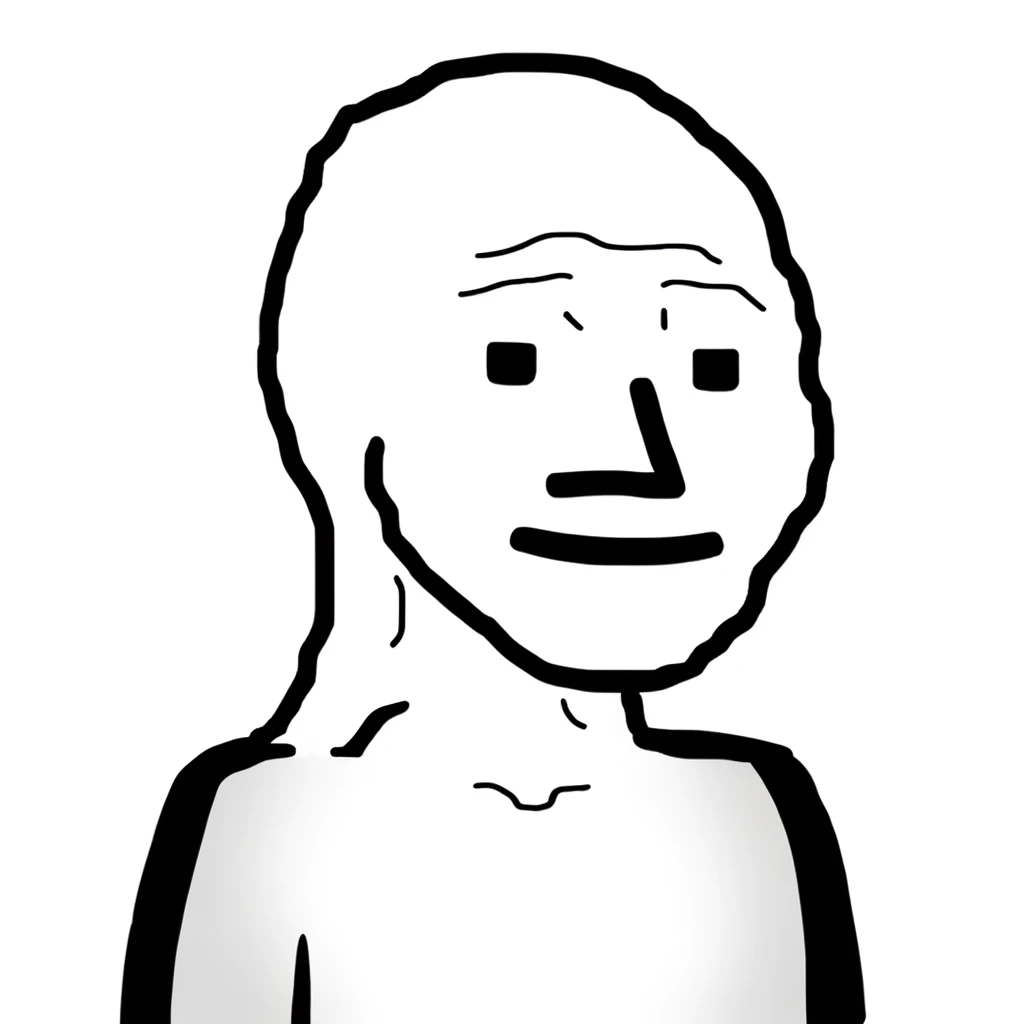
    The NPC Wojak – The NPC (Non-Playable Character) Wojak meme depicts individuals who do not think for themselves and instead parrot mainstream media and popular opinion. It’s used to criticize people who are perceived to lack critical thinking or individual thought, often aimed at those with opposing political views. The meme has become a tool for political commentary on echo chambers and ideological conformity, particularly in online and media narratives.

    “Let’s Go Brandon” – This phrase became a euphemism for a more explicit insult directed at US President Joe Biden, stemming from a misinterpretation by a reporter during a televised NASCAR event. It represents a politically charged expression of dissatisfaction with the Biden administration, while also highlighting media mistrust and political polarization. The meme has gained traction across various media, reflecting and amplifying political divisions within the United States.

    “Clown World” – Depicted by the imagery of clowns, this meme suggests that the world has become absurd and illogical, often used to comment on social and political issues. It is used to express disillusionment and cynicism towards current events and societal trends, suggesting that the world is upside down or nonsensical. This meme has resonated with those who feel alienated by the current socio-political climate, though it has also been criticized for trivializing serious issues.

    “Cancel Culture” – This meme refers to the practice of ‘canceling’ individuals or entities after they have said or done something considered objectionable or offensive. It is often used to discuss the limits of free speech, accountability, and the consequences of social media outrage. This meme has sparked debates about censorship, social justice, and the power dynamics of public shaming.

    “Virtue Signaling” –This phrase is used to describe the act of expressing opinions or sentiments to demonstrate one’s good character or the moral correctness of their position. It’s often employed critically to suggest that individuals or organizations are disingenuously adopting certain stances to gain social approval. The meme has been influential in discussions about authenticity, performative activism, and the sincerity of public statements on social issues.

    “Karen” – The ‘Karen’ meme typifies a middle-aged white woman perceived as entitled or demanding beyond the scope of what is considered appropriate. It touches on themes of privilege, entitlement, and social behavior, particularly in the context of customer service and community interactions. The meme has been used to critique certain types of socially disruptive behavior, though it has also sparked discussions about gender and racial stereotyping.

    These examples demonstrate how memes in the culture wars can encapsulate complex social and political sentiments, serving both as a means of expression and as a tool for spreading specific ideologies. They often simplify complex issues, which can lead to widespread dissemination, but also risk oversimplification or misrepresentation of nuanced topics.

    This table offers a broader perspective on various memes, illustrating their cultural significance, origins, and the impact they’ve had on society and online discourse.

    MemeMeaningOriginFirst UsePopularity (1-10)Influence
    Area 51 RaidCommentary on government secrecy and conspiracy theoriesFacebook event proposing a raid on Area 51June 20197Sparked a real event and discussions on conspiracy theories
    Cancel CulturePractice of ‘canceling’ individuals for objectionable behaviorSocial media discussions on accountability20178Ongoing debates about free speech and social justice
    Virtue SignalingCriticizing people for disingenuous moral posturingPolitical and social discourse20156Discussions on authenticity and performative activism
    KarenStereotype of entitled middle-aged white womanSocial media stereotypes20189Debates on gender and racial stereotyping
    The Rent Is Too Damn HighCommentary on rising housing costs and economic disparityPolitical party and its founder’s statements20105Raising awareness about housing policy and income inequality
    Fauci OuchieHumor/satire related to COVID-19 vaccinesDiscussions about COVID-19 and Dr. Anthony FauciEarly 20217Highlighted polarized responses to the pandemic
    Epstein Didn’t Kill HimselfSkepticism towards official narratives on Jeffrey Epstein’s deathConspiracy theories following Jeffrey Epstein’s deathAugust 20198Fueled conspiracy theories and discussions on media trust
    This Is Fine DogDenial or minimal reaction in catastrophic situationsWebcomic depicting a dog in a burning room20139Widely used to comment on personal and societal crises
    Gender Reveal PartySatire on extravagant events to reveal a baby’s genderSocial media trends and discussions20176Sparked discussions on gender norms and environmental concerns
    I’m Just Gonna Tell My KidsHumorous misinformation about historical or current eventsSocial media trend for satireLate 20196Commentary on historical revisionism and misinformatio
    OK BoomerGenerational tensions between Baby Boomers and younger generationsInternet retort by younger generations20198Highlighted generational debates and misunderstandings
    Pepe the FrogInitially harmless, became a symbol in various online communitiesComic character by Matt Furie20059Became a contentious symbol in political and social discussions
    NPC WojakDepicts individuals as non-thinking, echoing mainstream opinionsOnline political commentary20187Used in political discussions to criticize lack of original thought
    Let’s Go BrandonEuphemism for insult directed at US President Joe BidenMisinterpretation by a reporter at a NASCAR event20218Became a political slogan reflecting media mistrust
    Clown WorldSuggests the world is absurd and illogicalInternet satire on societal absurdities20166Reflects cynicism and disillusionment with the modern world
    Distracted BoyfriendHighlights distracted nature of human desires and infidelityViral stock photo turned into a meme20179Widely used to comment on human nature and relationships
    They Live Among UsAlien conspiracy theory, suggesting aliens live among humansSci-fi and conspiracy theory communities2010s5Sparked discussions on conspiracy theories and science fiction
    Change My MindInvites open debate on controversial opinionsPolitical commentator’s sign in public space20187Encouraged debates on various social and political topics
    Florida ManStereotype of bizarre behavior attributed to Florida residentsHeadlines of bizarre news stories from Florida20137Became a cultural reference point for absurd or bizarre news
    HarambeOutpouring of grief and humor following the death of a gorillaCincinnati Zoo incident and subsequent online reaction20168Led to discussions on animal rights and internet culture

    American Bias

    There is a phenomenon of perceived American bias in memes, especially those revolving around culture war topics, and the difficulty in translating the humor and context of memes across different cultures, highlights the challenges of cross-cultural communication in the digital age.

    American Bias in Memes

    Cultural Context: Many American memes are deeply rooted in the specific socio-political context of the United States. They often reference American history, pop culture, politics, and social issues that are familiar to American audiences but may be obscure to people from other cultures.

    Language and Slang: The use of English, particularly American slang, idioms, and colloquialisms, can make these memes less accessible or relatable to non-English speakers or those unfamiliar with American vernacular.

    Polarization and Echo Chambers: American social media platforms, where many of these memes are generated and shared, often reflect the polarized nature of American politics and social issues. These platforms can act as echo chambers, reinforcing a uniquely American perspective on culture war topics, which might not resonate or may be misunderstood in other cultural contexts.

    Global Reach vs. Local Relevance: While American memes can have a wide reach due to the global influence of American media and the internet, their content may not always be globally relevant. Cultural nuances, localized humor, and specific references may lose their impact when viewed outside of the American context.

    American-specific memes often reference unique aspects of American culture, politics, or social issues, which may not be easily understood or relatable to people outside the United States. Here are some examples:

    “This Is Fine” Dog: Originating from a webcomic by American artist KC Green, this meme features a dog sitting in a burning room, saying “This is fine.” While its representation of denial in the face of disaster has universal aspects, the meme is often used to comment on specific American issues like politics or health care, which might not resonate with a global audience.

    Super Bowl Halftime Show: Memes that emerge from performances or incidents during the Super Bowl halftime show are often very specific to American culture. The Super Bowl is a major event in the U.S., but its cultural significance and the nuances of the halftime performances might not be as relevant or recognized internationally.

    Thanksgiving Family Dynamics: Memes about awkward family conversations at Thanksgiving, particularly around topics like politics or personal life choices, are based on the American tradition of Thanksgiving and the family dynamics specific to it.

    Non-American Memes and American Audiences

    Cultural Specificity: Just as American memes may not fully translate to other cultures, memes from other countries often contain cultural, political, and social references specific to their origins. These nuances may be lost on American audiences who are not familiar with the respective culture’s context.

    Language Barriers: Non-English memes, or those using region-specific language and humor, can be challenging for Americans to understand, particularly if the humor is language-dependent or involves wordplay.

    Different Humor Styles: Humor varies significantly across cultures. What is considered funny or appropriate in one culture may not be perceived the same way in another. This difference can make it hard for Americans to connect with the humor in non-American memes.

    Variation in Cultural Norms and Values: Memes often reflect the norms and values of their culture of origin. Americans may not always identify with or understand the perspectives and values expressed in memes from different cultural backgrounds.

    The perception of American bias in memes and the challenges in translating memes across cultures underscore the localized nature of digital humor and cultural expression.

    Memes, as a reflection of the societies from which they originate, offer a fascinating insight into cultural similarities and differences. They also highlight the importance of cultural literacy and sensitivity in an increasingly interconnected world, where digital content can cross borders even when its underlying context does not.

    Culture Wars in Australia

    Culture wars in Australia, much like in other parts of the world, involve a series of debates and conflicts over social, moral, and political issues.

    These conflicts are shaped by Australia’s unique history, cultural diversity, and social dynamics.

    Here are some key aspects of the culture wars in Australia:

    Indigenous Rights and Reconciliation: A significant aspect of Australia’s culture wars revolves around the rights and recognition of Aboriginal and Torres Strait Islander peoples. Issues include land rights, the impact of colonialism, reconciliation, and the recognition of historical injustices.

    Immigration and Multiculturalism: Australia’s identity as a multicultural society is often at the forefront of cultural debates. Discussions around immigration policies, integration of immigrants, and the treatment of asylum seekers and refugees are recurrent themes.

    Climate Change and Environmental Policies: Given Australia’s unique natural environment and its susceptibility to climate change impacts (like bushfires and droughts), there are ongoing debates over environmental policies, fossil fuel reliance, and climate change action.

    Same-Sex Marriage and LGBTQ+ Rights: The legalization of same-sex marriage in 2017 followed a contentious public debate and a national postal survey, reflecting broader discussions on LGBTQ+ rights in Australia.

    Media Bias and Freedom: The role and influence of media in Australian politics, particularly the dominance of certain media conglomerates, provoke debates about media bias, freedom, and the shaping of public opinion.

    National Identity and Values: Debates about what constitutes “Australian values,” the significance of national symbols, and the celebration of national holidays like Australia Day are part of the cultural discourse. Australia Day, in particular, has been a point of contention, with debates about changing the date due to its association with the colonization and its impact on Indigenous peoples.

    Gender Equality and Women’s Rights: Issues such as the gender pay gap, women’s representation in politics and business, and societal attitudes towards women and gender roles are actively debated in Australia.

    Education and History Curriculum: Discussions about what should be included in the national school curriculum, particularly regarding Australian history and how it addresses issues like colonization, Indigenous history, and Australia’s role in global conflicts, are contentious.

    Religious Freedom and Secularism: Balancing religious freedom with secular policies, especially in areas like education, health, and public policy, is a recurring theme in Australian culture wars.

    Economic Policy and Social Welfare: Debates around economic management, social welfare policies, housing affordability, and the treatment of the unemployed and disadvantaged groups reflect broader ideological conflicts within Australian society.

    In summary, the culture wars in Australia encompass a wide range of issues, reflecting both global trends and unique local concerns.

    These debates are integral to understanding the evolving nature of Australian society and its values.

    Memes in Australia

    Australian-specific memes often draw from the unique cultural, linguistic, and societal characteristics of Australia. These Australian-specific memes reflect the nation’s unique humor, language, and cultural norms, showcasing the distinctiveness of Australian internet culture.

    These memes might be less relatable or understandable to those outside of Australia due to their specific references and humor.

    Here are some examples:

    “Yeah Nah” – A common Australian phrase used to express agreement before a disagreement or vice versa. It’s often used in memes to humorously show indecision or a polite way of saying no. The phrase’s nuanced use and its role in Australian conversational norms might be lost on those unfamiliar with Australian English.

    “Bunnings Sausage Sizzle” – Refers to the iconic sausage sizzles held outside Bunnings Warehouse stores. Memes often play on the cultural significance of this tradition in everyday Australian life. The specific cultural context of Bunnings and the sausage sizzle tradition is unique to Australia.

    “Drop Bears” – An Australian joke about a mythical, dangerous creature resembling a koala. Often used to playfully scare tourists. Understanding the humor requires knowledge of Australian wildlife, the koala, and local folklore.

    “Shoey” – The act of drinking a beverage from a shoe, popularized by some Australian athletes. Memes often use it to comment on Australian party culture. The practice may seem bizarre or unhygienic to those not familiar with this particular aspect of Australian culture.

    “Tony Abbott Eating an Onion” –  Memes about former Prime Minister Tony Abbott biting into a raw onion. It captures a famously odd moment in Australian politics.  The humor is tied to a specific event and personality in Australian politics, which might not be well-known internationally.

    “Cashed Up Bogans” – Refers to Australians who have come into wealth but are perceived as lacking in cultural sophistication. The term is often used in memes to explore Australian class dynamics. The term “bogan” and the associated stereotypes are unique to Australian English and culture.

    “AFL/NRL Banter” – Memes about Australian Rules Football (AFL) and National Rugby League (NRL), poking fun at teams, players, or fans. The humor often relies on specific knowledge of Australian sports and rivalries.

    “I’m Going to Bunnings” – Humorously signifies a quintessentially Australian errand, often exaggerated to reflect a sense of adventure or masculinity. Relies on the cultural context of Bunnings as an Australian household name.

    “Spiders and Snakes” –  Exaggerating Australia’s reputation for having dangerous wildlife, these memes often feature oversized or frighteningly portrayed spiders and snakes. While the presence of dangerous wildlife in Australia is known globally, the hyperbolic and humorous portrayal in memes might not resonate with non-Australians.

    “The Emu War” – References the historical event where Australia’s military was pitted against emus, often used to highlight humorous or absurd aspects of Australian history. The event is a peculiar and relatively obscure incident in Australian history, and the humor is often derived from the perceived absurdity of the situation.

    Culture Wars in China

    Culture wars in China present a unique case, distinct from Western contexts, due to the country’s political system, history, and social dynamics. While the term “culture wars” is often associated with Western liberal democracies and their public debates on social and moral issues, China’s culture wars manifest in different forms, shaped by its governance, censorship, and cultural policies. Here are some key aspects:

    Government Control and Censorship: Unlike in many Western countries where culture wars often take place in a relatively open public sphere, in China, the government exerts significant control over media, internet content, and public discourse. This control includes strict censorship of topics deemed politically sensitive or harmful to social harmony.

    Social Stability and Harmony: The Chinese government prioritizes social stability and harmony, often framing this goal as being in opposition to Western-style free speech and open debate on contentious social issues. This approach affects how culture wars are waged and perceived in China.

    Traditional Values vs. Modernization: As China continues to modernize rapidly, there’s an ongoing tension between traditional Chinese values and the influence of Western culture. Debates around family values, gender roles, and the preservation of cultural heritage versus modern liberal ideas are examples of this tension.

    Internet Culture and Youth: Despite censorship, Chinese internet culture, particularly among the youth, is vibrant and influential. Online discussions (often coded or indirect due to censorship) about lifestyle choices, pop culture, and social issues reflect a form of culture war, albeit within the constraints set by the government.

    Economic Inequality and Regional Disparities: Issues of economic inequality and regional disparities can also be seen as part of China’s culture wars. The divide between urban and rural areas, coastal and inland regions, and different socioeconomic classes leads to distinct perspectives and priorities.

    National Identity and Patriotism: Discussions around national identity, patriotism, and China’s place in the world often have cultural undertones. The government promotes a strong sense of national pride and identity, sometimes in opposition to foreign influences.

    Minority Rights and Ethnic Tensions: China’s approach to its ethnic minorities, including Tibetans and Uighurs, also reflects a form of cultural conflict, with the government emphasizing national unity and often suppressing cultural and religious expressions.

    LGBTQ+ Rights: While LGBTQ+ rights have gained more visibility in China, they remain a sensitive topic. The government’s stance is often ambiguous, tolerating certain expressions while censoring others, reflecting a cultural debate within the broader society.

    Cultural Revival Movements: There are movements focused on reviving traditional Chinese culture, philosophy, and practices (like Confucianism) which contrast with more modern, Western-influenced lifestyles.

    Western Influence and Resistance: There is an ongoing discourse about the extent to which Western ideas and lifestyles should be adopted or resisted, a debate that touches on education, media, and consumer culture.

    In summary, culture wars in China are influenced by the unique political, social, and cultural landscape of the country.

    The government’s role in controlling and guiding public discourse significantly shapes how these cultural conflicts are experienced and expressed.

    Memes in China

    Chinese-specific memes often rely heavily on local cultural, historical, and linguistic nuances, making them difficult to fully understand or appreciate in Western contexts. These Chinese memes, deeply rooted in the nuances of local culture, language, and societal norms, illustrate the diversity of humor and viral content across different cultures.

    Chinese culture war memes, often circulating on platforms like Weibo and WeChat, reflect the unique and sometimes nuanced aspects of social and political life in China.

    Due to China’s strict internet regulations and censorship, these memes can be subtle and coded in their critique or commentary.
    They also highlight how certain ideas and jokes can be incredibly specific to their cultural context.

    Here are some examples:

    “Koi Fish Miracle” (锦鲤) – Originating from a viral social media post about a koi fish bringing good luck, this meme became a symbol for wishing for fortune. The cultural significance of koi fish and the specific context of the original viral post might be lost on Western audiences.

    “Ge You Slouch” (葛优瘫) – Based on a famous Chinese actor, Ge You, slouching in a scene from a TV show. It’s used to represent lethargy or helplessness. Without knowledge of Ge You or the specific TV show, the humor and relatability of the meme may not translate. Symbolizes a common sentiment among many Chinese citizens towards societal pressures and the complexities of modern life.

    “Jia Junpeng, Your Mom Wants You Home for Dinner” (贾君鹏你妈妈喊你回家吃饭) – A random comment on a gaming forum that inexplicably went viral, used to poke fun at netizens getting distracted online. The randomness and the specific context of Chinese internet culture make this meme difficult to understand outside of China. Reflects on internet culture in China and the generational gap between tech-savvy youth and their parents.

    “Circumventing the Great Firewall” – Refers to the use of VPNs and other methods to bypass China’s internet censorship (the Great Firewall). While not a specific image or phrase, this practice has become a meme in itself among netizens. This h ighlights the tension between government control and the desire for unfiltered information and expression.

    “Crosstalk” (相声) Memes – Memes derived from traditional Chinese crosstalk comedy, incorporating wordplay and puns. The humor is deeply rooted in the Chinese language and traditional performance art, which may be obscure to the West.

    “Tang Ping” (躺平) – Lying Flat – A social movement and meme about rejecting societal pressures and opting for a minimalist, low-effort lifestyle. While the concept might be somewhat relatable, its specific ties to Chinese societal context and youth culture nuances might not fully resonate in the West. Challenges the traditional values of hard work and societal contribution that are prevalent in Chinese culture, representing a form of silent protest against the rat race.

    “Square Dancing Aunties” (广场舞大妈) – Humor surrounding the phenomenon of older women (aunties) dancing in public squares, a common sight in China. This unique aspect of Chinese urban culture and the associated stereotypes might not be well-known or humorous outside China.

    “Little Emperors” (小皇帝) – Refers to the pampered single children resulting from China’s one-child policy, often used to comment on generational behavioral traits. The specific demographic and social implications tied to the one-child policy may not be fully grasped by Western audiences.

    “Overly Attached Girlfriend” (绿茶婊) – Refers to women who appear innocent but are manipulative in relationships, akin to the Western “green tea bitch” term. The term has specific cultural connotations and background in Chinese society that might not directly align with Western interpretations.

    “Prince Charming” (白马王子) – Used ironically to refer to men who seem perfect but have hidden flaws, similar to the “not all that glitters is gold” concept. The specific use and context of this meme in Chinese culture may differ from Western fairy tale connotations.

    “Neihan Duanzi” (内涵段子) – Refers to a type of humor involving dark, often self-deprecating jokes that were once popular on a now-banned app. The humor is heavily based on Chinese social contexts, language wordplay, and internet culture, making it hard to translate or understand for non-Chinese audiences.

    Culture Wars in Europe

    Culture wars in Europe present a complex and varied landscape, reflecting the continent’s diverse array of nations, each with its unique history, culture, and social dynamics.

    Unlike the United States, where cultural conflicts are often framed within a binary political system, European culture wars are influenced by a multiplicity of political ideologies, historical contexts, and social structures.

    Here are some key aspects:

    Immigration and Multiculturalism: One of the most prominent aspects of European culture wars is the debate over immigration and multiculturalism. With the influx of immigrants and refugees from the Middle East, Africa, and other regions, there have been intense discussions and sometimes conflicts over national identity, integration, and the impact of immigration on social cohesion.

    European Union vs. National Sovereignty: The role and influence of the European Union (EU) often feature in culture wars. Debates center around issues of national sovereignty, EU bureaucracy, and the benefits and drawbacks of being part of a supranational entity. This was exemplified by Brexit – the United Kingdom’s decision to leave the EU.

    Secularism vs. Religious Identity: In countries like France, the principle of laïcité (secularism) often clashes with religious expressions, particularly in the context of Islam. This tension has led to debates over wearing religious symbols (like hijabs) in public spaces and the place of religion in a secular society.

    Rise of Populism and Right-Wing Politics: The rise of populist and right-wing political parties across Europe has intensified culture wars. These parties often focus on issues like anti-immigration, national identity, and Euroscepticism, challenging the more liberal and centrist policies.

    LGBTQ+ Rights: Similar to other parts of the world, LGBTQ+ rights are a significant aspect of culture wars in Europe. While many European countries are known for their progressive stances on LGBTQ+ issues, there is still significant resistance and debate in some regions.

    Historical Reckoning: Debates around colonialism, historical monuments, and national history are part of the culture wars. Countries like Belgium, the UK, and France grapple with their colonial pasts and how this history is remembered and taught.

    Environmentalism and Climate Change: Europe has been a leader in environmental policy, but there is still a cultural and political divide over how to address climate change, with debates around economic impact, lifestyle changes, and government policies.

    Freedom of Speech vs. Hate Speech: The balance between maintaining free speech and preventing hate speech is a contentious issue, especially in the context of rising nationalist sentiments and the refugee crisis.

    Gender Equality and Women’s Rights: Issues around gender equality, such as the gender pay gap, reproductive rights, and women’s representation in leadership, continue to be significant in Europe.

    Urban vs. Rural Divide: Similar to the US, there is often a cultural divide between urban and rural areas in Europe, with differing views on a range of issues from immigration to economic policy.

    European Culture war is characterized by their complexity and the intersection of various historical, social, and political factors. The outcomes of these culture wars have significant implications not only for individual countries but for the future of the EU and Europe’s role on the global stage.

    Memes in Europe

    European-specific memes often draw from local cultures, languages, history, and social contexts, which might not always resonate with an American audience due to the differences in cultural understanding and references. These memes, while popular and humorous within their respective cultures, may not always translate well to an American audience due to the specific cultural, historical, and linguistic contexts they rely on. European culture war memes, similar to those in other parts of the world, often revolve around local political, social, and cultural issues. They tend to reflect the unique contexts of different European countries.

    Here are some examples:

    “Poland Cannot Into Space” (Poland) – A popular meme from the webcomic series “Polandball,” which humorously depicts Poland’s historical aspirations to explore space, a reference to the country’s exclusion from major space endeavors. This reflects on national aspirations and the perception of Poland in the international community.

    “Polish Jesus” (Poland) – Memes featuring the “Jesus Christ” statue in Świebodzin, Poland, often used in humorous contexts unrelated to religion. The humor often relies on Polish cultural contexts and language-specific puns or wordplay.

    “Brexit” Memes (United Kingdom) – Various memes that emerged around the UK’s decision to leave the European Union, often satirizing the political turmoil, public confusion, and economic uncertainties associated with Brexit. These Highlight the divisive and complex nature of Brexit within the UK and its impact on European politics.

    “Spanish Laughing Guy” (Spain) – Based on a Spanish show where the host laughs uncontrollably. The subtitles are often changed to fit various contexts. The humor might be lost without understanding the original context of the show, which is well-known in Spain.

    “Gilets Jaunes” (Yellow Vests) (France) – Memes related to the Yellow Vests movement, which started as a protest against fuel tax increases and evolved into a broader anti-government movement. They represent a grassroots activism, economic struggles, and the polarization in French politics

    “Gopnik” Memes (Eastern Europe) – Features the stereotype of a Slavic lower-class youth known for squatting in tracksuits, often with sunflower seeds and vodka. The gopnik culture is specific to Eastern Europe, and the associated humor might not translate outside of that context.

    “Italian Hand Gesture” (Italy) – Memes exaggerating the Italian habit of expressive hand gestures during conversations. While somewhat internationally recognized, the nuanced humor and exaggeration are deeply rooted in Italian communication styles.

    “British Roadman” (UK) – Memes focusing on the urban youth subculture in the UK, known for specific slang, attire, and attitude. The specific cultural references, language, and lifestyle are unique to certain UK urban settings.

    “German Efficiency” (Germany) – Jokes about the stereotype of Germans being extremely efficient and methodical in everything they do. May require a deeper understanding of German culture and stereotypes to fully appreciate the humor.

    “Nordic/Scandinavian Problems” (Nordic Countries) – Humor about the unique social and cultural aspects of life in Nordic countries, like extreme politeness or weather conditions. Relies on an understanding of the Nordic lifestyle and societal norms.

    “Swedish Environmentalism” (Sweden) – Memes often featuring Greta Thunberg or related to Sweden’s proactive stance on environmental issues, including climate change activism. These reflects the growing importance of environmental issues in European and global discourse.

    “Nordic Social Welfare” (Scandinavia) – Memes about the comprehensive social welfare systems in Nordic countries, often in contrast to other European or American systems. Highlights the differences in social and economic policies across Europe.

    “Refugee Crisis” Memes (Various) – Memes addressing the European refugee crisis, often reflecting diverse viewpoints ranging from humanitarian concerns to issues of integration and cultural clashes. These highlight the complexities and varying perspectives on immigration and multiculturalism in Europe.

    “Angela Merkel’s Stance” (Germany) – Memes focusing on German Chancellor Angela Merkel’s policies, especially regarding the EU, immigration, and Germany’s role in Europe. Represents Germany’s central role in the EU and the debates over its leadership.

    “Balkan Slav Squat” (Balkans) – Similar to Gopnik memes but specific to the Balkan region, featuring the squatting pose and regional cultural elements. The humor is deeply rooted in Balkan culture, history, and stereotypes.

    “French Surrender” (France) – Jokes about the historical stereotype of France surrendering in wars, a reference to WWII. Might be misunderstood without knowledge of European history and specific wartime contexts.

    “Dutch Bike Culture” (Netherlands) – Memes about the prevalence of bicycles and biking in the Netherlands, often highlighting unusual situations involving bikes. The ubiquitous nature of biking in Dutch culture may not be as relatable or humorous to those unfamiliar with it.

    “Greek Financial Crisis” (Greece) – Memes related to Greece’s economic struggles and the European debt crisis. Represents the economic challenges within the Eurozone and the impacts of austerity measures.

    These memes offer insight into various cultural, political, and social issues pertinent to Europe, reflecting the diversity of perspectives and the complexity of the culture wars within the continent.

    Conclusion

    The use of memes in culture wars and their localization offer several insightful conclusions about modern digital culture, social dynamics, and the nature of communication in the internet age:

    Memes as Tools for Simplification and Amplification: Memes often simplify complex social, political, and cultural issues, making them more accessible and shareable. They amplify specific aspects of culture wars by presenting ideas in a concise, visually engaging format.

    Reflection of Societal Values and Tensions: Memes effectively reflect and comment on prevailing societal values, tensions, and conflicts. They can both challenge and reinforce cultural norms, often serving as barometers of public sentiment on contentious issues.

    Enhancing Engagement and Participation: By using humor and relatability, memes encourage broader engagement with culture war topics. They provide an entry point for individuals who might not otherwise engage in traditional forms of political or social discourse.

    Polarization and Echo Chambers: While memes can foster engagement, they can also contribute to polarization. They often appeal to in-group biases, reinforcing echo chambers and potentially deepening divisions within society.

    Cross-Cultural Challenges and Localization: Memes that resonate in one cultural context may not translate well to another due to differences in language, historical background, social norms, and political landscapes. Localization of memes involves adapting or reinterpreting them to fit the cultural nuances of different audiences.

    Rapid Evolution and Virality: Memes evolve rapidly and can become viral quickly, demonstrating the fast-paced nature of online communication. Their virality can significantly influence public discourse in a short period.

    Cultural Commentary and Critique: Memes serve as a form of cultural commentary and critique, offering insights into societal issues in a way that is often more direct, satirical, and candid than traditional media.

    Misinformation and Oversimplification Risks: The simplicity of memes also poses the risk of misinformation and oversimplification. Without context or deeper understanding, memes can spread misleading or incomplete information.

    Creative Expression and Community Building: Memes are a form of creative expression, allowing individuals to share experiences, humor, and ideas, fostering a sense of community among those with shared understandings and viewpoints.

    Adaptability and Resilience of Digital Culture: The widespread use of memes in culture wars underscores the adaptability and resilience of digital culture. Memes evolve and persist despite changing online environments and societal shifts.

    In conclusion, memes are a powerful and dynamic tool in the landscape of culture wars, encapsulating the complexities of modern communication. They highlight the intersection of humor, politics, social commentary, and digital culture, playing a significant role in how issues are discussed and understood in the internet age.