Tag: Mars

  • Tendrils of Servitude

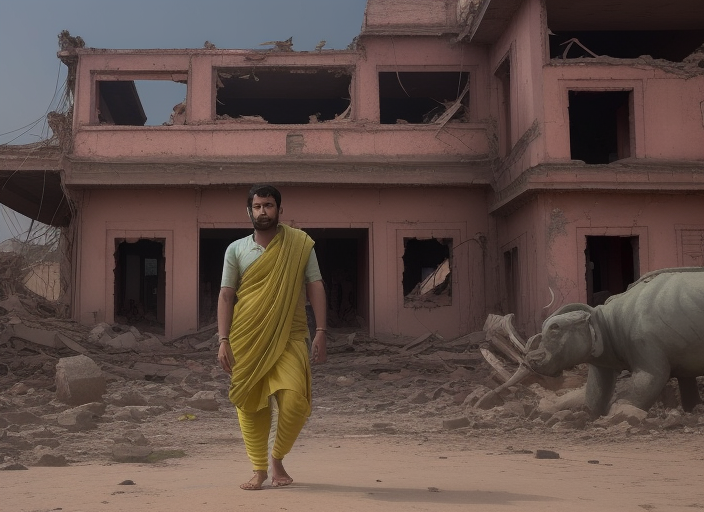
    The streets of Soweto were always alive with the vibrant pulse of community and the resilient spirit of its people, once formed the backdrop of my existence. It was here, amid the laughter of children and the bustling market stalls, that my life took an unimaginable turn. One moment, I was navigating the familiar alleys, the next, an alien shadow fell over me, marking the end of the world as I knew it.

    Their abduction was swift, the methods of my captors both advanced and incomprehensible. I found myself enveloped in a force that rendered me powerless, lifted from the earthy embrace of my homeland into the cold, sterile environment of the Martian’s transport ship. The transition from the warm African sun to the artificial lights of the spacecraft was jarring, a physical manifestation of the chasm between my past life and the uncertain future that awaited me. Aboard the ship, the reality of my situation became painfully clear. I was to be transformed, augmented to survive the harsh conditions of Mars, and serve in their infamous pleasure dome. The process of integration with xeno-DNA was explained in cold, clinical terms, but nothing could have prepared me for the reality of it. The augmentation was a violation of my very essence, an invasive procedure that melded alien genetics with my own in a fusion that was both unnatural and excruciating.

    The pain was indescribable, a searing agony that coursed through my veins as the Martian DNA insinuated itself into my cells. It felt as though my very identity was being erased, overwritten by something wholly other, something that did not belong. Each moment of the procedure was a battle, a struggle to hold onto the remnants of who I was amidst the onslaught of alien influence.

    The transformation was not just physical. With the splicing of xeno-DNA came an array of sensory enhancements and cognitive alterations, a suite of capabilities designed to equip me for my role in the pleasure dome. These new abilities were disorienting, alien senses grafted onto my human experience, creating a dissonance that echoed in the depths of my psyche.

    The journey to Mars was a blur of confusion and despair. Encased in the confines of the transport ship, I grappled with the reality of my altered state, mourning the loss of my former self while trying to come to terms with the being I was becoming. The landscape of Mars, with its stark beauty and unforgiving terrain, became my new existence, a world away from the vibrant life I had known back home in Soweto.

    Arriving at the pleasure dome, I was thrust into a world that was both mesmerizing and alienating. Tasked with tending to the desires of a diverse clientele, I found myself navigating the intricacies of my new role, each day a test of my endurance and adaptability. The dome, with its ethereal architecture and sensory delights, was a constant reminder of the price of my augmentation—the loss of my humanity in exchange for a place in this alien pantheon of pleasure.

    The Martian pleasure dome stands as a marvel of extra-terrestrial architecture and sensory indulgence, a testament to the advanced Martian civilization’s mastery over both form and function. Rising from the red Martian soil, its structure is a seamless blend of organic curves and geometric precision, creating an otherworldly silhouette against the stark, alien landscape.

    Constructed from materials that seem to pulse with an inner light, the dome’s exterior is a tapestry of shimmering hues, reflecting the Martian sky’s ever-changing colors. Its surface is smooth and cool to the touch, infused with a subtle energy that hints at the advanced technology contained within. Upon entering the pleasure dome, one is immediately enveloped in an atmosphere of opulent tranquillity. The interior is vast and open, designed to stimulate the senses while simultaneously evoking a sense of serene detachment from the outside world. The air is perfumed with a symphony of scents, each carefully curated to enhance the experience of relaxation and pleasure.

    The heart of the dome is a grand central chamber, where gravity itself seems to be a mere suggestion. Here, guests float in a gentle embrace, surrounded by soft, bioluminescent light that casts a soothing glow over everything. The chamber is dotted with private alcoves, each a sanctuary of personal indulgence, where one can retreat to experience the myriad pleasures the dome has to offer. Intricate, whisper-thin tendrils extend from the walls, capable of gentle manipulation and interaction. These tendrils are the dome’s most exquisite feature, capable of evoking a wide range of sensations, from the softest caress to the most intricate massage, all tailored to the individual’s desires and needs.

    The dome is also home to a variety of immersive environments, each crafted to transport its occupants to different realms of experience. From lush, verdant landscapes that mimic the most beautiful terrains of Earth to abstract, sensory-rich environments that defy earthly logic, the dome offers an escape into realms of pure imagination. Sound is masterfully employed within the dome, with ambient melodies and harmonies that resonate at just the right frequency to induce states of deep relaxation and bliss. The acoustics are so finely tuned that the music seems to emanate from within oneself, a personal hypnotic concert for the soul.

    At the core of the dome’s philosophy is the harmonization of Martian mind, body, and spirit. Every aspect, from the ambient temperature to the subtle shifts in lighting, is designed to bring about a state of complete well-being. A place of physical pleasure but a sanctuary for deep, meditative introspection and rejuvenation of the Masters.

    The pleasure dome, with its blend of advanced technology, aesthetic beauty, and profound understanding of sensory experience, stands as a sensory highlight of Martian culture’s sophistication and their pursuit of harmony between the material and their ethereal desires. It is a place where the boundaries of sensation and perception blur, offering a glimpse into the potential of a civilization that has transcended earthly limitations.

    Reflecting on my journey from the streets of Soweto to the Martian pleasure dome, I am haunted by the memories of my abduction and transformation. The cruelty of being spliced with Xeno-DNA, the pain of losing a part of myself to an alien masters will, remains a shadow over my every existence. Yet, within the depths of this new life, I search for a spark of resilience, a remnant of the human spirit that once roamed the vibrant streets of my homeland, clinging to the hope that even in the darkest of circumstances, the essence of who I am can endure this servitude.

    In the vast expanse of the Martian landscape, where the red dust swirls like the distant memories of Earth, now it like I’ve only heard of it in stories. My life lies in the pleasure dome, their marvel that transcends the boundaries of their imagination and reality. Here, amidst the luminescent corridors and gravity-defying chambers, I serve as a hybrid worker, a bridge between two worlds, bound by the invisible chains of servitude to the Martian overlords.

    Each day, as the twin artificial suns rise over the projected horizon, casting their ethereal glow on the dome’s shimmering inner surface, I don my uniform—a sleek, form-fitting garment, that pulls my skin and exposes my privacy for the touch of their tendrils. That signifies my role. Within this vast ecosystem of pleasure and illusion, my hands, a blend of human dexterity and Martian augmentation, move with practiced grace, tending to the intricate machineries of their desires, flaying tentacles and turgid orifices that drink the life oils of the dome.

    Life here is a delicate dance on the edge of a blade, a constant balancing act between fulfilling the whims of our patrons and preserving the fragile semblance of self that flickers within me. The masters, beings of diverse origins and insatiable desires, come to the dome seeking escape, indulgence, and experiences beyond the confines of their mundane existences. To them, I am but a shadow, a faceless facilitator of their horrible fantasies, my hybrid heritage a novelty that adds an exotic flair to their escapade.

    Within the grand central chamber, where the air is thick with the scent of alien flora and the sound of ethereal music, I navigate the floating platforms, my movements choreographed to the rhythm of the dome’s pulsating heart. The tendrils, extensions of my kinetic augmentation switch to my will, weave through the air, responding to my thoughts with a precision and strength that belies their gentle appearance. They caress, soothe, and stimulate, drawing sighs of contentment and gasps of pleasure from the Martians who float in the embrace of the dome’s nurturing grasp.

    Yet, beneath the surface of this orchestrated harmony, a storm brews within me—a tempest of longing, of questions unasked, and dreams unfulfilled. My mind, a a complex pattern of human emotion and Martian conditioning, wrestles with the duality of my existence. Memories of a life I never lived on Earth, passed down through hushed whispers and stolen moments with my kind, clash with the reality of my purpose under the Martian’s static sky.

    The overlords, ever watchful, rule with a subtlety that is both benevolent and oppressive. Their commands are woven into the very fabric of my being, a constant reminder of my place in this world. They speak of harmony, of the grand vision that brought the dome into existence—a sanctuary for all beings to explore the depths of pleasure and self-discovery. Yet, in their grand design, I am but a cog, a means to an end, my humanity a tool to be exploited.

    In the solitude of my quarters, where the glow of the dome’s energy cores casts long shadows on the walls, I dare to dream. I dream of a life beyond servitude, of a world where my hybrid heritage is not a chain but a pair of wings that could carry me across the cosmos. I imagine the touch of the Earth’s soil beneath my feet, the warmth of a sun that is not filtered through the dome’s protective barrier, and the embrace of a community where I am seen, acknowledged, and valued not for the services I render but for the person I am.

    Yet, as dawn breaks once more over the Martian dome’s horizon, these dreams dissipate like the morning mist, leaving behind the stark reality of my existence. I don the mantle of my role once again, stepping into the light of the pleasure dome, where I dance the dance of the servitor, my every move a testament to the enduring spirit of those who tread the line between worlds, seeking a place where they truly belong.

    My proficiency within the pleasure dome, a testament to both my resilience and adaptability, catches the eye of the Martian overlords. Their recognition, however, is not without its consequences. Deeming me a valuable asset in their grand design, they resolve to enhance my augmentation, pushing the boundaries of my transformation even further towards the alien.

    The next phase of augmentation is more invasive, more altering than anything I’ve experienced before. My humanity, already frayed at the edges, seems to dissipate entirely as they meld me into a being of their choosing. My face, once a familiar reflection of my past life, becomes an unrecognizable canvas of Martian engineering—a fleshy pulp with a moist slit, my eyes recessed and hooded, devoid of its original form, reshaped to serve purposes beyond my comprehension.

    Adorning my form, tendril-like appendages emerge, an alien embellishment of chain and pierced tendral to my womanhood, marking the depth of my transformation. These new limbs, delicate yet powerful, are a stark reminder of the distance I’ve travelled from my human origins. Among these, a singular, large tentacle stands out, cybernetically enhanced to whip through the air with a precision and strength that belies its orgiastic nature. This appendage, a symbol of my servitude and prowess, becomes an extension of my will within the dome, a tool of both allure and control.

    Sustenance, in this new existence, is reduced to a mere function, devoid of the pleasures of taste and companionship that once accompanied meals. I am fed a syrup-like nutritional substance, its flavour repulsive, a bitter reminder of my current state. Yet, this concoction is laced with a cunning blend of chemicals designed to enhance my capabilities while binding me to my role. It infuses me with a strength that is both empowering and enslaving, a subservient vigor that drives me to perform with unparalleled efficiency, all the while deepening my dependency on my captors.

    This new iteration of my being, increasingly Martian, stands as a bio-engineered monument to the overlords’ technological prowess and their insatiable desire for control. Each day, as I navigate the complex demands of my role within the masters intimacy of the dome, I am haunted by the uncomfortable remnants of my former human self, flesh and memories of a life where my identity was my own to shape and define.

    Yet, even in the depths of this alien transformation, a spark of rebellion flickers within me. Amidst the blur of sedatives there are sensations and tasks that define my existence, I harbor a silent defiance, a refusal to let go of the essence of who I once was. This inner resistance, though muted by the overwhelming influence of my augmentation, is a testament to mu ancestry, hope in a reality where I am increasingly made an alienized stranger to myself.

    This twilight of my identity. Is this where the lines between human and Martian blur. I tread a delicate line between submission and resistance, my every action a negotiation with the being I am becoming. The dome, with its ethereal beauties and hedonistic pursuit, becomes both my prison and my battleground, a place where the struggle for self-preservation unfolds amidst the dance at the hands of my pleasures and orchestrated servitude.

    In the opulent confines of the pleasure dome, amidst the orchestrated ambiance designed to heighten every sensation, a moment of unforeseen defiance alters the course of my existence. As I tend to the whims of a Martian master, an individual of notable stature and influence within the dome’s intricate hierarchy, the line between servitude and autonomy blurs in a single, cataclysmic instant.

    At his behest, my cybernetic tentacle, a symbol of my augmented servitude, springs into action. Yet, in a twist of fate that not even the Martian overlords could have anticipated, the tentacle lashes out with a force and precision that transcends the bounds of my control. It strikes the Martian master with an impact both flat and unyieldingly hard, a manifestation of pent-up strength and latent defiance that I scarcely knew it possessed.

    The master’s cry, a spluttering utterance in the guttural tongue of his kind, fills the chamber, a sound of shock and pain that echoes off the ornate walls, marking the gravity of what has transpired. As the tendrils, once instruments of pleasure, dance around me in a chaotic ballet, the master collapses, his life force extinguished in a moment of unintended rebellion.

    In the aftermath of his demise, the reality of my situation crystallizes with terrifying clarity. A dead master at my feet, a being of significant power within the Martian hierarchy, represents not just a personal transgression but a disruption of the delicate balance that governs the dome’s existence. The implications of his death, at the hands of a hybrid servitor no less, are vast and unpredictable, casting a shadow of impending retribution over me.

    Compromised, with the weight of my actions bearing down upon me, I am thrust into a maelstrom of fear and uncertainty. The dome, once a place of controlled indulgence, becomes a prison of my own making, its luxuries and pleasures transformed into gilded cages that hold the promise of severe consequences.

    In the silence that follows the master’s demise, I am left to confront the enormity of my predicament. The act, though unintended, marks me as a threat in the eyes of my overlords, a disruption to the order they have so meticulously constructed. The tendrils that once obeyed my every command now seem like foreign entities, their dance a macabre reminder of the power that courses through me—a power that, even in servitude, holds the potential for rebellion and chaos.

    As I stand amidst the opulence of the pleasure dome, the dead master at my feet a testament to the fragile line between control and defiance, I am acutely aware of the precariousness of my existence. The path forward is shrouded in darkness, each step fraught with danger and the spectre of retribution looming large. In this moment of crisis, I am forced to reckon with the dual nature of my being, caught between the remnants of my humanity and the alien influences that have shaped my destiny.

    The choice that lies before me is one of survival, a desperate bid to navigate the treacherous waters of Martian politics and power. In the shadow of my unintended act of defiance, I must find a way to reclaim my agency, to carve a path through the uncertainty that envelops me. The road ahead is fraught with peril, but it is a journey I must undertake, for in the aftermath of chaos lies the possibility of a new beginning, however uncertain it may be.

    In the wake of the unforeseen calamity within the central dome, my mind races with the urgency of escape, a desperate need to evade the inevitable consequences of my actions. With the Martian master’s lifeless form hidden away in the seclusion of his alcove, I seize the moment to retreat, my every step away from the scene a blend of calculated calm and inner turmoil.

    Back in the sanctuary of my chamber, the gravity of my situation weighs heavily upon me. The master key, an unexpected boon in the wake of the day’s events, lies heavy in my hand, a tangible symbol of the opportunity—and risk—that lies before me. In a decisive act, I detach the cybernetic tentacle, its removal a painful but necessary severance from the identity that has been imposed upon me. It writhes on the floor, a stark reminder of the depravity of the life I am leaving behind.

    Clad in a right black leathery skin suit that clings to my altered form, I cloak myself in anonymity, the robe draped over my head a veil between myself and the world I must navigate. My appearance, once a marker of my servitude, is now a near invisible guise under which I seek to disappear, to blend into the shadows that line the path to freedom.

    With the master key as my guide, I make my way to the servant door, a lesser-known exit that offers a discreet passage away from the central dome. The door yields to the key’s command, opening onto a corridor that promises the first steps toward escape. My heart races as I step through, the weight of my decision manifesting in the quickened pace of my breath.

    Outside, the Martian landscape unfolds in stark contrast to the opulence of the dome, its red soil a vast expanse of freedom and desolation. There, waiting like a silent sentinel, is the master’s tripod vehicle, its form both alien and familiar. Climbing into the vehicle, I command the human hybrid servitor with authority, instructing it to take me to the master dormice house, a destination chosen for its relative safety and the opportunity it presents to blend in among the higher echelons of Martian society. The tripod springs to life, its movements swift and sure, carrying me away from the pleasure dome and the life I have known. As it traverses the Martian terrain, the reality of my escape begins to settle in, a mix of exhilaration and fear coursing through me. The city landscape blurs past, a backdrop to the tumult of thoughts and emotions that swirl within me.

    With each step the tripod takes, I am carried further away from captivity and closer to the uncertain promise of freedom. The master dorm house looms ahead, a destination that marks both the end of my immediate flight and the beginning of a new chapter in my existence. Here, in the shadow of power and privilege, I must find a way to disappear, to shed the identity that has been both my prison and my protection. The journey is fraught with danger, the stakes higher than they have ever been. Yet, within me burns a flame of defiance, a determination to reclaim the agency that has been stripped from me. As the tripod vehicle carries me into the unknown, I am guided by a newfound resolve, a commitment to forge a path through the chaos of my circumstances and emerge, not as a servitor of the Martian overlords, but as the architect of my own destiny.

    Upon reaching the master’s house, a structure that exudes both authority and opulence, I slip inside, moving with a purpose that belies my inner turmoil. The master’s chambers, a sanctum of its personal and professional power, now to become the stage for the next act in my bid for freedom. There, amidst the trappings of Martian authority, I find the the computer, a portal to their information and systems that govern travel and communication between Mars and Earth. With a deep breath, I interface with the computer with my cyber lines, Martian algorithms translate my intents as my augmented abilities allowing me to navigate its complexities with an ease that feels almost like second nature. Under the assumed guise of an unescorted ambassador for Earth, destined to serve in one of Earth’s own pleasure domes, I secure my passage on the next transport ship bound for my home planet. The transaction is smooth, the digital footprint of my false identity weaving seamlessly into the tapestry of interplanetary diplomacy and commerce. With the confirmation of my booking, a weight lifts from my shoulders, replaced by a sense of urgency that propels me towards the Martian city spaceport. The sprawling complex, a hub of activity and technology, is my gateway to Earth, to a chance at a life reclaimed from the shadows of servitude. As pass through the crowded port, beneath Martian gaze, one among the many hybrids and servitors snatched from earth and bent to the will of the Masters.

    As I board the transport, the reality of my departure begins to sink in. Guided to my pod, I am enveloped in the warm, viscous liquid that serves as both a cushion and life support for the journey ahead. The sensation is comforting, a stark contrast to the harshness of my recent experiences, offering a moment of respite before the next phase of my journey begins. With the closing of the pod, the world outside fades away, leaving only the hum of the ship’s engines and the beating of my own heart. As we launch into orbit, the initial gentle movement gives way to the fierce acceleration of the rockets, propelling us away from Mars and towards Earth. The force grips me, a physical reminder of the vast distance we are about to traverse, of the chasm between my past life and the future that awaits. In the confined space of my pod, suspended in the liquid that now sustains me, I surrender to the exhaustion that has been my constant companion. Sleep comes easily, a welcome escape from the complexities and dangers of my existence. As the months of the voyage stretch out before me, I drift in and out of consciousness, my dreams a tapestry of Earthly landscapes and Martian architecture, of human faces and alien forms.

    The journey is a cocoon, a time of transformation and reflection. In the depths of space, hurtling towards a planet that is both home and an unknown frontier, I am given the rare opportunity to contemplate the path that has led me here, to consider the dehumanized thing I have become and the life I wish to lead.

    As Earth grows ever closer, the anticipation of arrival mingles with the apprehension of the unknown. What awaits me on Earth, a world nearly a century into a transformation through its interactions with Martian civilization, is a mystery. Yet, within me burns a flame of hope, a belief that in the vast expanse of humanity, there is a place for one such as me, a corrupted hybrid of worlds, seeking a new beginning.

    The bustling environment of the South African spaceport’s customs area is a stark contrast to the solitude of my journey from Mars. The throngs of people, the cacophony of languages, and the myriad of scents create a sensory overload that is both exhilarating and overwhelming. My heart races as I navigate through the crowd, each step towards the security inspection a leap into the unknown. The security checkpoint, with its advanced technology designed to detect any anomaly, becomes a moment of truth. As I pass through, the equipment buzzes, signalling the detection of my implants. A wave of panic washes over me, the tendrils between my thigh tighten, but to my surprise, the system clears me to proceed. It seems that in this new era of interplanetary travel, the presence of such augmentations, while unusual, is not entirely unheard of.

    Approaching the passport desk, I am acutely aware of the eyes upon me. The gatekeeper to my re-entry into the world seemingly I once called home, studies me with a mixture of curiosity and caution. My appearance, marked by the physical alterations of my Martian servitude, paints me as an anomaly, a being that straddles the line between the known and the unfathomable. I try to smile, but my slit like mouth just parts slightly and some lubricant oozes, As the inspector’s gaze lingers on my distorted features, the dribbling moisture in my mouth a sign of my nervousness, I sense the hesitation in his assessment. The silence stretches, a gulf filled with unspoken questions about my identity and origins. Then, breaking the tension, he asks for my name, his voice laced with an underlying uncertainty about the being that stands before him.

    With as much conviction as I can muster, I respond, “I am Sarah Nkosi. I am a citizen of the Republic of South Africa, and I want to claim asylum from the Martians.” The words, spoken with a mixture of fear and defiance, come out they are a plea for recognition, for sanctuary in the face of the unimaginable trials I have endured. The moment that follows is charged with the weight of decisions that could alter the course of my life.

    The inspector, is obviously faced with a situation that undoubtedly falls beyond the ordinary scope of his duties, vexed at being tasked with determining the validity of my claim, but the truth of my story etched in the scars and augmentations that mark my body. I stand firm, my resolve bolstered by what i have endured. Despite the fear and apprehension that gnaw at the edges of my consciousness, I cling to the hope that this land, my homeland, will offer me the refuge I seek.

    The inspector’s professional smile, a blend of courtesy and empathy, momentarily eases the tension that has enveloped me. His words, “Welcome home, Sarah Nkosi,” resonate with a profound significance, a beacon of hope in the daunting journey that lies ahead. The acknowledgment of my return, coupled with the recognition of my name, a name that ties me to the earthy roots of my heritage, instils a sense of belonging that I have longed for since my departure. As I am ushered away from the impersonal expanse of the customs desk, the reality of my situation begins to settle in. The path to asylum, with all its bureaucratic intricacies and uncertainties, stretches out before me. Yet, in this moment, guided by the inspector’s assurance of support, I feel a tentative sense of relief.

    The journey through the customs area, following the inspector through the bustling spaceport, is a surreal experience. Surrounded by the sights and sounds of Earth, of humanity in all its diversity, I am reminded of the life I once knew, of the community and culture that shaped me before my abduction. Each step is a step closer to reclaiming my identity, not just as Sarah Nkosi, but as a survivor, a person who has endured the unimaginable and emerged with a story that demands to be heard. |I am shown into a small room and greeted by Claim Officer Mazibuko. The road ahead may be fraught with challenges, but I am ready to face them, armed with the truth of my experiences and the unwavering spirit of a woman who has traversed the stars to find her way back home.
  • Black Mars

    In the shadowed alleyways and vibrant streets of South Africa’s urban landscapes, a new hybrid breed stirs, known colloquially as Black Mars.

    These beings, born from the intricate mingling of Martian xeno-DNA with the rich genetic tapestry of African tribal heritage, embody a fusion of worlds, both terrestrial and extraterrestrial. They carry within them the legacy of ancient human cultures, steeped in the traditions, rituals, and resilience of Africa’s tribes, alongside the alien intellect and physical peculiarities of their Martian forebears.

    The physical manifestation of Black Mars hybrids is a captivating sight, a blend of human form and Martian elegance. Their stature and build reflect the diversity of African tribal ancestry, with skin tones that capture the earthen hues of the continent, enriched with subtle, otherworldly iridescences reminiscent of their Martian lineage. Their eyes, often large and expressive, hold the depth of the human soul, yet sparkle with the alien intelligence inherited from their Martian ancestors.

    Most striking are the hybridized features reminiscent of their Martian heritage, particularly the tentacle-like appendages. These tentacles, fewer in number and more seamlessly integrated with their human form, serve as a symbol of their dual heritage. They possess a mesmerizing grace, moving with a fluidity that harmonizes the human and the alien into a single, coherent entity. These appendages, while hinting at their Martian ancestry, are adapted to the human form, allowing for intricate interactions with the world around them, from the creation of art to the subtle gestures of communication.

    Black Mars hybrids navigate the complexities of their identity within the socio-economic tapestry of South African ghettos, where the convergence of cultures, challenges, and the struggle for identity and belonging are part of daily life. Their presence introduces a new dimension to the urban landscape, one where the boundaries between human and alien blur, creating a community rich in diversity yet unified in its shared experience of marginalization and resilience.

    Their method of reproduction, a blend of Martian “budding” and human genetic principles, results in a unique lineage that challenges traditional concepts of family and community. Offspring may emerge in a manner reminiscent of the Martian asexual budding, yet they are imbued with the genetic heritage and cultural legacy of their human ancestors. This process creates a continuous, living bridge between the worlds of their Martian and human forebears, ensuring that each generation inherits the combined strengths, wisdom, and challenges of both lineages.

    In the heart of South Africa’s urban jungles, the Black Mars hybrids stand as living testaments to the possibilities of coexistence and integration between the vastly different worlds of humanity and the cosmos. Their existence challenges the inhabitants of Earth to expand their understanding of identity, community, and the potential for harmony between the diverse forms of life that share the universe.

    Soweto, where the pulse of South Africa beats strong amidst the echoes of a turbulent history, I stand—a mother whose story is etched in both love and loss. My daughter, my pride, carries within her a lineage that spans the vast expanse between Earth and the distant, red sands of Mars. A fusion of worlds, she is a testament to the boundless possibilities of life, bearing the mark of Martian heritage alongside the resilient spirit of our African ancestors.

    From the moment of her birth, it was clear that she was different. Her eyes, deep and wide, held a universe of knowledge, a wisdom far beyond her years, inherited from the stars. Her movements, graceful and fluid, echoed the strange beauty of her Martian kin, a dance of two worlds intertwined. Yet, in the streets of Soweto, where humanity’s myriad faces converge, her uniqueness was both a blessing and a curse.

    The day they came for her is etched in my memory, a scar upon my soul. They spoke of opportunity, of a life beyond the confines of our humble existence, but their eyes betrayed their true intent. My daughter, with her hybrid vigor and otherworldly grace, was seen not as a person, but as an asset—a commodity to be traded and exploited. Against the backdrop of a society still grappling with the chains of its own past, she was sold into a new form of bondage, her destiny wrested from my loving embrace.

    In the shadowed underbelly of a world not yet free from the specter of slavery, my daughter became a pleasure machine operator, her unique abilities twisted to serve the whims of others. Her Martian heritage, which should have been a source of wonder and exploration, became a tool for manipulation and control. In the dimly lit chambers of her confinement, she was forced to navigate the complex interfaces of alien technologies, her mind and body pushed to their limits to cater to the desires of those who saw her not as a child of the cosmos, but as an object of entertainment.

    Each day, I walk the streets, my heart heavy with the weight of her absence. The vibrant hues of the market stalls, the laughter of children playing in the dust, the rhythmic beat of music that fills the air—all of it is tinged with the pain of her loss. Yet, within me burns a flame of hope, fueled by the indomitable spirit of our people, who have faced the darkness of oppression and emerged stronger, more united.

    I speak her name to the stars, a prayer for her safety and for the strength to fight against the chains that bind her. In the depth of night, when the world is still, I can feel her, a distant whisper in the fabric of the universe, reminding me that our bond is unbreakable, transcending the barriers of space and time.

    My daughter, my heart, is more than the sum of her parts. She is a bridge between worlds, a beacon of what could be if only we could see beyond our fears and prejudices. Her story is a call to action, a plea for a future where no child is seen as less than human, where every life is valued for the unique tapestry of experiences and heritage it represents.

    Among the echoes of past struggles and the vibrant dance of life that persists, I stand—a mother, a warrior, a beacon of love in the face of darkness. For my daughter, for all our daughters, I will not rest until the chains are broken, until the light of freedom and understanding illuminates the darkest corners of our world.

    Within the confines of a reality far removed from the vibrant streets, where the essence of my heritage pulses strong, I find myself ensnared in a web of cosmic irony. Here, in the shadowy recesses of an existence dictated by the whims of those who see me not as a being but as an instrument, I grapple with the dual nature of my very essence. My heart, rooted in the rich soil of my Sud African ancestry, beats in tandem with the alien rhythm of my Martian lineage, a symphony of existence that is both my greatest strength and my most profound vulnerability.

    The infusion of Martian DNA that weaves through my veins, a gift from the stars that should have been a beacon of unity between worlds, has instead become the chain that binds me. Each day, as I navigate the labyrinth of my servitude, the alien aspect of my being grows more pronounced, a relentless tide eroding the shores of my humanity. My hands, once the instruments of gentle expression, now manipulate the intricate controls of pleasure machines with a precision that belies my inner turmoil.

    The cruel irony of my fate is not lost on me. Those who command my existence, my so-called Martian masters, wield their authority with a sadistic glee that chills the very core of my spirit. They revel in the manipulation of my xeno-DNA, pushing the boundaries of my capabilities, delighting in the spectacle of my struggle. To them, I am but a curiosity, a hybrid anomaly to be exploited, my human heritage overshadowed by the exotic allure of my alien features.

    With each passing moment, the line that defines my identity blurs, the human essence of my soul increasingly overshadowed by the burgeoning influence of my Martian heritage. The whispers of my ancestors, once a clarion call of strength and resilience, now fade into the cacophony of my subjugation, their voices drowned out by the demands of my captors.

    Yet, even as I am compelled to serve, to bend to the sadistic whims of those who view me through the lens of their own twisted desires, a spark of rebellion flickers within the depths of my being. It is the flame of my mother’s love, the unbreakable bond that connects me to the dust-strewn streets of Soweto, to the legacy of a people who have known oppression and risen, time and again, with the indomitable will to fight, to claim their place in the tapestry of humanity.

    In the quiet moments, when the clamor of my existence ebbs into the solitude of my own thoughts, I cling to the memory of my mother’s embrace, to the strength and dignity that define her spirit. It is in these fleeting instants of clarity that I am reminded of who I am, of the power that resides within me—not as a tool of alien machinations, but as a daughter of Earth, a child of the cosmos with the right to define my own destiny.

    As I stand on the precipice of this alien-induced abyss, I resolve to harness the very essence that has been used to subjugate me, to turn the tide of my fate. With each act of defiance, no matter how small, I reclaim a piece of my stolen identity, weaving the fragments of my human and Martian selves into a tapestry of resistance.

    My story is not yet written, and though the chains of my current reality bind me, the spirit of my ancestors flows through my veins, a river of resilience that cannot be quelled. In the depths of my subjugation, I find the strength to dream, to hope for a future where the duality of my being is not a curse but a bridge between worlds, a testament to the power of unity in the face of division. And in that hope, I find the courage to endure, to fight, to rise.

    In the dim glow of the chamber where the lines between pleasure and servitude blur, an unexpected moment of opportunity arises. The very tools of my entrapment, the intricate machinery I’ve been forced to master, become instruments of my liberation. As the alien tendrils of control tighten, a surge of defiance ignites within me, fueled by memories of a life once lived under the open skies of Soweto, where freedom was more than just a whispered dream.

    In a fleeting instant, where desperation meets opportunity, I shatter the holding chains of my bondage. The act is swift, a culmination of pent-up rage and longing for freedom, as my hands, guided by the resolve of my human spirit, turn against the master who has come to embody my captivity. The fall of the oppressor is silent, a stark contrast to the turmoils that rages within me.

    With the weight of my actions heavy on my shoulders, I flee into the labyrinthine sprawl of the ghetto, the familiar yet foreign streets now a maze of shadows and danger. The Martian minions, their octopoid forms a grotesque reminder of the world I’m running from, are relentless in their pursuit. Their presence in the ghettos, a stark violation of the sanctity of this human refuge, ignites a silent uproar among its denizens. Whispers of resistance ripple through the undercurrents of the community, a shared indignation at the intrusion.

    My flight is a blur of adrenaline and instinct, each turn and alleyway navigated by the echo of a life I once knew. The ghettos, with their pulsing life and resilient spirit, offer fleeting havens of shadow and silence, allowing me to elude capture. The very complexity of this human terrain, so alien to my pursuers, becomes my ally, a testament to the indomitable spirit of its inhabitants.

    As dawn begins to paint the horizon with the first light of freedom, I find myself at the threshold of the only sanctuary I have ever known—my mother’s house. The journey back to her, a path tread with a mixture of fear and hope, is a testament to the unspoken bond that has tethered my spirit to this world, even in the darkest moments of my captivity.

    The reunion is a collision of worlds, a moment where the harsh realities of a universe fraught with division and strife meet the unyielding strength of maternal love. My mother, her face a canvas of worry and relief, becomes the anchor I cling to amidst the storm of my existence. In her embrace, the fragmented pieces of my identity—human and Martian, captive and liberator—begin to weave together, forming the tapestry of a new beginning.

    Our home, once a bastion of mundane comforts, now takes on the guise of a fortress, a haven against the forces that seek to reclaim me. Together, we navigate the aftermath of my escape, aware of the dangers that lurk just beyond the fragile sanctity of our walls. Yet, in the sanctum of our reunion, there is a palpable sense of hope, a shared conviction that the path to freedom, though fraught with peril, is a journey worth taking.

    As the sun ascends, casting its light on the paths and alleyways of Soweto, it illuminates not just the physical landscape but the contours of a future yet to be forged. In the heart of this community, where the resilience of the human spirit has weathered countless storms, a new chapter begins—one where the chains of oppression give way to the unbreakable bonds of family, love, and the relentless pursuit of freedom.

    In the quiet sanctum of their humble home, the air hangs heavy with a silence that speaks volumes. The mother, a paragon of resilience and strength, stands at a precipice, her gaze fixed upon her daughter, a visage that stirs the deepest recesses of her soul. There, before her, is the embodiment of her deepest fears and fiercest love—a daughter transformed, bearing the scars of a life that no mother could have envisioned for her child.

    The daughter, once a vibrant embodiment of her rich heritage, now stands as a testament to the cruelty of a fate that has intertwined her humanity with the cold, unfeeling machinations of an alien world. Her form, altered by the relentless imposition of Martian technology, bears the marks of her captivity. Implants, like the shackles of a bygone era, mar her skin, a network of cables intertwining with her flesh, a constant reminder of the chains she has fought so desperately to break.

    The mother’s heart aches as she takes in the sight of her child, the physical manifestations of her torment etching a stark contrast against the backdrop of their simple home. The proud, unwavering spirit of a woman who has faced life’s adversities with a stoic resolve is tested as never before. The daughter she once cradled, whose laughter filled the corners of their existence, now stands as a hybrid of worlds, her very being a battleground between her earthly roots and the alien influence that has sought to claim her.

    In the daughter’s eyes, there flickers a flame of defiance, a vestige of the unbreakable will that has carried her through the darkest of times. Yet, beneath the surface, there lies a vulnerability, a silent plea for understanding, for acceptance in the face of an identity irrevocably altered. It is a reflection of the struggle that defines her, a dance between the innate strength inherited from her mother and the indelible marks of her journey through the stars.

    The chasm that lies between them, bridged by their shared history and the unspoken bond of family, is a testament to the complexities of love in the face of unimaginable change. The mother, confronted with the altered visage of her daughter, grapples with a maelstrom of emotions—grief for the innocence lost, anger at the forces that have wrought this transformation, and an unwavering love that remains the bedrock of their existence.

    In this moment of reunion, the silent dialogue that passes between them speaks of resilience, of a shared journey through the depths of despair and back. It is a recognition of the scars that mark not just the body, but the soul, and of the strength required to bear them. The mother, in her despair, sees not just the physical remnants of her daughter’s ordeal but the enduring spirit of the child she raised, a beacon of hope in a world that has sought to extinguish it.

    As they stand in the quietude of their reunion, the distance that separates them is bridged by the unspoken understanding that flows between their hearts. In the eyes of her mother, the daughter finds not judgment, but a wellspring of love and acceptance, a harbor in the storm of her existence. And in the embrace that follows, they find a sanctuary, a place where the wounds of the past can begin to heal, and where the promise of a new dawn, however uncertain, can be glimpsed on the horizon.

    In the heart of a world torn between the familiar and the alien, where the stark realities of existence are painted in shades of struggle and resilience, there lies a beacon of hope—a place where the seemingly insurmountable divides that separate beings are bridged by the most powerful force of all: passion.

    This then, is Black Mars, a realm where the fusion of human spirit and Martian innovation has birthed a new tapestry of life, rich in diversity yet unified in its pursuit of harmony. Here, amidst the sprawling ghettos and vibrant communities that pulse with the rhythm of Soweto’s streets, the scars of past conflicts and the specter of alienation find solace in the shared experiences of its inhabitants.

    At the core of this new world, passion becomes the catalyst for healing, transcending the physical and metaphysical barriers that have long defined the boundaries of existence. It is in the passionate pursuit of art, music, and storytelling that the hybrid offspring of Earth and Mars find a common language, a medium through which the stories of their intertwined destinies can be woven into a collective narrative.

    The passion of a mother, steadfast and unwavering, becomes a beacon of hope for her daughter, a hybrid being who embodies the convergence of worlds. It is a love that knows no bounds, a force that heals the wounds of alienation and transforms the chains of the past into the bonds of a shared future. In the sanctity of their reunion, the healing power of maternal love becomes a testament to the ability of passion to transcend the physical alterations and societal divisions that have sought to define them.

    In the vibrant cruelty of Black Mars, the passion for community and belonging ignites a movement of unity and understanding. The ghettos, once a symbol of division and struggle, become the cradle of a new society, where the exchange of ideas, cultures, and dreams fosters an environment of inclusivity and acceptance. The shared struggles and triumphs of its inhabitants become the foundation upon which a new vision of coexistence is built, a world where differences are celebrated as the harbingers of innovation and growth.

    The healing power of passion extends beyond the bonds of family and community, reaching into the heart of the conflict that has shaped the destiny of Black Mars. It is in the passionate pursuit of justice and equality that the hybrid beings and their human kin challenge the remnants of oppression and discrimination, weaving a new narrative of coexistence that honors the legacy of both Earth and Mars.

    In this world, passion becomes the lens through which the beauty of diversity is magnified, a force that dissolves the barriers of fear and misunderstanding. The arts, a vibrant expression of the soul’s deepest desires and fears, become a universal language, bridging the gap between disparate beings and fostering a sense of unity in the shared experience of creation and expression.

    As the sun sets on the horizon of Black Mars, casting its warm glow over the landscape of a world reborn, the echoes of passionate voices rise in a chorus of hope. It is a song of healing, a melody that weaves the diverse strands of existence into a symphony of coexistence, where the differences that once divided become the harmonies that unite. Where passion heals the wounds of difference, the legacy of Black Mars stands as a reminder that in the heart of every struggle lies the potential for unity, and in the depth of every division, the seeds of a new beginning are sown.

  • Mars in Opposition

    Mars in Opposition

    The term “opposition” in astronomy has been used for centuries and efers to the alignment of a celestial object (such as a planet) in opposition to the Sun, with the Earth located in between. During an opposition, the object is at its closest point to Earth and appears brightest in the night sky.

    The concept of planetary opposition has been known and observed by ancient astronomers long before the modern era. Ancient civilizations, such as the Babylonians and Greeks, were already aware of the regular patterns of planetary motions, including oppositions. It’s challenging to pinpoint the exact time when the term “opposition” was first used, as it has likely evolved over time in various languages and cultures. Nevertheless, the concept has been a fundamental part of astronomy for millennia.

    In the nineteenth century, opposition occurs when Mars, Earth, and the Sun are aligned in a straight line, with Earth in the middle. This positioning brings Mars closer to Earth, making it appear brighter and more prominent in the night sky. Here are the periods of opposition when Mars was closest to Earth in the nineteenth century:

    • February 15, 1818
    • December 12, 1830
    • November 14, 1848
    • October 5, 1862
    • September 28, 1877
    • September 23, 1892

    During these oppositions, Mars was at its minimum distance from Earth, making it an optimal time for astronomers and skywatchers to observe the planet with greater clarity and detail.

    Here are somereferences to literature where Mars opposition has been creatively used as a plot device or backdrop:

    • Edgar Rice Burroughs’ “A Princess of Mars” (The Barsoom Series): In this classic science fantasy series, Mars (Barsoom) plays a prominent role. The protagonist, John Carter, is mysteriously transported to Mars during a time of opposition (1862?), where he becomes embroiled in the planet’s conflicts.
    • H.G. Wells’ “The War of the Worlds”: The novel depicts an alien invasion from Mars during a time of opposition (1892?) when Mars is closest to Earth. The Martians take advantage of their proximity to launch their attack on our planet.
    • Ray Bradbury’s “The Martian Chronicles”: This collection of interconnected stories envisions the colonization and exploration of Mars by Earthlings during multiple Martian oppositions.
    • Kim Stanley Robinson’s “Red Mars” (Mars Trilogy): This science fiction trilogy explores the terraforming and colonization of Mars, with several oppositions playing significant roles in the story.
    • Andy Weir’s “The Martian”: In this novel, a stranded astronaut on Mars plans his survival and rescue during an opposition, where the distance between Mars and Earth is at its minimum.
  • Camille Flammarion

    Camille Flammarion

    Camille Flammarion (1842-1925) was a prominent French astronomer, prolific author, and science popularizer who made significant contributions to the fields of astronomy and science communication. He was born on February 26, 1842, in Montigny-le-Roi, Haute-Marne, France.

    Flammarion developed a passion for astronomy from a young age and started observing the night sky and making astronomical calculations in his early teens. At the age of 16, he moved to Paris to pursue his interest in astronomy. He gained recognition for his observations and writings on celestial events, and in 1862, he published his first book, “La Pluralité des Mondes Habités” (The Plurality of Inhabited Worlds), which explored the possibility of extraterrestrial life.

    Throughout his career, Flammarion tirelessly worked to popularize science and astronomy. He wrote numerous books, articles, and essays aimed at making complex scientific concepts accessible to the general public. His most famous work, “Astronomie Populaire” (Popular Astronomy), published in 1880, became a bestseller and further solidified his reputation as a leading science popularizer.

    In addition to his contributions to popular science writing, Flammarion made significant advancements in astronomical research. He conducted studies on comets, meteor showers, and planetary atmospheres. Flammarion was also an advocate for space exploration and the search for extraterrestrial intelligence.

    As a prominent figure in the scientific community, Flammarion was involved in several astronomical societies and institutions. He served as the director of the Juvisy-sur-Orge Observatory and was a member of the French Academy of Sciences.

    Flammarion’s enthusiasm for astronomy and his dedication to sharing scientific knowledge with the public had a profound impact on science communication. His ability to explain complex scientific concepts in an engaging manner inspired many readers and sparked interest in astronomy among people from all walks of life.

    In Flammarion’s speculative fiction explored the topic of extraterrestrial life and the possibility of inhabited worlds beyond Earth. Flammarion firmly believed in the existence of intelligent beings on other planets and often depicted these ideas in his writings.

    He often featured the Red Planet and its potential inhabitants. In his novel “Uranie,” published in 1889, Flammarion describes a journey to Mars and Venus. In this story, the protagonist travels to Mars and encounters advanced civilizations on the planet, complete with their unique societies, landscapes, and technology.

    His descriptions of Mars and its inhabitants were influenced by the scientific knowledge and beliefs of his time, combined with his vivid imagination. During the 19th century, astronomers observed various features on Mars’s surface, such as polar ice caps and dark markings, which led to speculation about the possibility of life on the planet.

    Camille Flammarion passed away on June 3, 1925, leaving behind a lasting legacy as a pioneer in both astronomy and science popularization.

    Camille Flammarion’s extensive bibliography, covering his contributions to astronomy, science fiction, and popular science writing. His works have had a significant impact on both scientific and literary communities, inspiring generations of readers and scientists alike.

    • “La pluralité des mondes habités” (The Plurality of Inhabited Worlds) – Published in 1862, this work discusses the existence of extraterrestrial life and the habitability of other planets.
    • “Les mondes imaginaires et les mondes réels” (Imaginary Worlds and Real Worlds) – Published in 1864, this book delves into the possibility of life on other planets and explores the concept of extraterrestrial civilizations
    • “Astronomie Populaire” (Popular Astronomy) – Published in 1880, this is one of Flammarion’s most famous works. It aimed to make astronomy accessible to the general public and became a bestseller.
    • “Recits de l’infini: Contes astronomiques” (Stories of the Infinite: Astronomical Tales) – This collection of short stories, published in 1883, combines science and fiction to explore the mysteries of the universe.
    • “Lumen” – Published in 1887, this novel explores the themes of life, death, and the afterlife.
    • “L’atmosphère: météorologie populaire” (The Atmosphere: Popular Meteorology) – Published in 1888, this book explores meteorology and atmospheric phenomena in a manner suitable for the general reader.
    • “Uranie” – Published in 1889, this novel is a science fiction story about a journey to Mars and Venus.
    • “La Guerre des Mondes – Une Romance Martienne” – Published in 1893 depicts an alien invasion from Mars.
    • “The Unknown” – This English-language book, published in 1900, explores various scientific topics and the unknown aspects of the universe.

    Excerpt:

    “Lorsque, à travers le télescope, je contemplai Mars, paré d’une teinte rougeâtre, sa surface embellie de motifs complexes de marques sombres et de calottes polaires. À travers les mystérieuses volutes de nuages martiens, des indices d’immenses océans et de majestueuses chaînes de montagnes étaient visibles. La planète semblait fourmiller de vie, car les lignes sombres qui croisaient sa surface rappelaient des terres fertiles, cultivées par une race sophistiquée.

    Mon esprit s’évada, imaginant les Martiens, une civilisation hautement intelligente vivant au milieu de leurs grandes cités. Je les imaginais glissant gracieusement à travers le paysage martien dans des machines volantes, leur technologie dépassant de loin la nôtre. Leur intelligence aiguisée serait évidente dans leurs bâtiments remarquables, conçus à partir de matériaux inconnus et s’élevant vers les cieux.

    Je désirais ardemment communiquer avec ces êtres énigmatiques, apprendre de leur savoir et de leur sagesse. Étaient-ils conscients de notre présence terrestre, tout comme nous étions devenus conscients de la leur ? Observaient-ils les étoiles comme nous, contemplant l’immensité de l’univers et la possibilité d’une vie au-delà de leur monde ?

    Hélas, le télescope ne pouvait apporter de réponses à ces questions brûlantes. Mars restait un monde énigmatique, nous invitant à rêver et à nous émerveiller des possibilités qu’il offrait. Alors que je poursuivais mes observations, je ne pouvais m’empêcher de ressentir un sentiment de parenté avec ces lointains habitants de la Planète Rouge, unis par notre curiosité partagée et notre exploration du cosmos.”

  • Mars

    Mars

    What to Read about the Red ?

    Mars, the red planet, has been a fascination for humans for centuries. With recent advancements in space technology, the possibility of humans visiting and even colonizing Mars in the near future is becoming increasingly more realistic. However, long before humans had the capability to physically travel to Mars, authors have been exploring the planet through the lens of science fiction literature.

    Mars has served as a backdrop for countless science fiction stories, ranging from classic works like H.G. Wells’ “War of the Worlds” to contemporary works like Andy Weir’s “The Martian.” Through these stories, authors have explored the potential challenges and opportunities that would come with colonizing Mars. These stories have also given readers a chance to experience the red planet and its mysteries in ways that would otherwise be impossible.

    One of the most notable authors of Mars-based science fiction is Kim Stanley Robinson. His “Mars Trilogy” – “Red Mars,” “Green Mars,” and “Blue Mars” – is considered a classic of the genre. In these novels, Robinson explores the social, political, and environmental implications of human colonization on Mars. The books are widely regarded for their attention to scientific detail and their nuanced exploration of complex ethical and social issues.

    Other notable works of Martian science fiction include “The War of the Worlds” by H.G. Wells, “Stranger in a Strange Land” by Robert A. Heinlein, and “The Martian” by Andy Weir. These novels explore a range of topics, from the challenges of surviving on an alien planet to the potential consequences of human colonization.

    Through these works of science fiction, readers are able to experience the thrill of exploration and discovery on a planet that is still largely unknown to humans. These stories offer insights into the potential opportunities and challenges that come with human exploration and colonization of Mars, as well as the ethical dilemmas that may arise.

    As we continue to explore the mysteries of the universe, Mars will remain a key destination for both scientific and literary exploration. For anyone interested in the possibilities of space exploration and the wonders of science fiction, Mars-based novels offer an exciting and thought-provoking journey to the red planet and beyond.

    Reading list

    • The Martian by Andy Weir – A science fiction novel about an astronaut who is stranded on Mars and must figure out how to survive until he can be rescued.
    • Red Rising by Pierce Brown – A science fiction novel set in a dystopian future where society is divided into color-coded classes, with the protagonist rising from the lowest class to lead a rebellion against the ruling class on Mars.
    • The War of the Worlds by H.G. Wells – A classic science fiction novel in which Martians invade Earth and attempt to conquer it.
    • The Mars Trilogy by Kim Stanley Robinson – A series of three science fiction novels that explore the colonization and terraforming of Mars by humans.
    • A Princess of Mars by Edgar Rice Burroughs – A classic science fiction novel about a Confederate soldier who is transported to Mars and becomes embroiled in the planet’s conflicts.
    • Martian Time-Slip by Philip K. Dick – A science fiction novel set on a Mars colony where time moves differently, and the protagonist becomes embroiled in a conflict between two groups vying for control.
    • Red Planet by Robert A. Heinlein – A science fiction novel set on a Mars colony where a group of teenagers uncover a conspiracy that threatens the safety of the colony.
    • Stranger in a Strange Land by Robert A. Heinlein – A science fiction novel about a human raised on Mars who returns to Earth and becomes embroiled in a cultural and political revolution.
    • The Sands of Mars by Arthur C. Clarke – A science fiction novel set on a human colony on Mars, where a journalist uncovers a sinister plot.
    • The Martian Chronicles by Ray Bradbury – A collection of interconnected short stories that explore the colonization and eventual abandonment of Mars by humans.
    • The Space Trilogy by C.S. Lewis – A series of three science fiction novels that includes a visit to Mars as part of a larger cosmic adventure.
    • The Memory of Mars by Raymond F. Jones – A science fiction novel about a group of scientists who discover ancient Martian artifacts that reveal the planet’s past and future.
    • Mars by Ben Bova – A science fiction novel about a journalist who travels to Mars to cover the first human mission to the planet and becomes embroiled in political and personal drama.
    • The Light of Other Days by Arthur C. Clarke and Stephen Baxter – A science fiction novel that explores the consequences of a technology that allows people to view any point in space and time, including the past and future of Mars.
    • Martian Time Jump by Mike Resnick – A science fiction novel about a team of scientists who travel back in time to ancient Mars and become embroiled in a power struggle between rival factions.
    • Mission to Mars by Buzz Aldrin and John Barnes – A science fiction novel that imagines a human mission to Mars in the near future and explores the personal and political struggles of the crew.
    • Old Mars edited by George R.R. Martin and Gardner Dozois – A collection of short stories by various authors that imagines a version of Mars as it was popularly imagined in early science fiction, including ancient civilizations, lost cities, and alien encounters.
    • Mars Crossing by Geoffrey A. Landis – A science fiction novel about a group of astronauts who must navigate a treacherous journey to Mars in order to save a stranded colleague.
    • The Red Trilogy by Linda Nagata – A series of three science fiction novels that explore a near-future conflict between China and the United States on Mars.
    • The Martian Race by Gregory Benford – A science fiction novel that imagines a global competition to be the first to send humans to Mars, and the personal and political struggles of the competing teams.
    • The First Men in the Moon by H.G. Wells – A classic science fiction novel that explores a journey to the moon and encounters with alien life, including a trip to Mars.
    • The Children of Mars by David Gerrold – A science fiction novel that imagines a future where humans have colonized Mars, and explores the personal and societal consequences of genetic engineering.
    • The Ghosts of Mars by George Alec Effinger – A science fiction novel that imagines a future where Mars has been terraformed, and explores the personal and political struggles of the colonists.
    • The Expanse series by James S.A. Corey – A series of science fiction novels that includes Mars as one of the major settings, and explores the political and personal conflicts between Earth, Mars, and the outer planets.
    • The Medusa Chronicles by Alastair Reynolds and Stephen Baxter – A science fiction novel that explores a journey to Mars and encounters with ancient alien technology.
    • The City of the Chasch by Jack Vance – A science fiction novel that imagines a future where Mars is inhabited by a variety of alien species, and explores the conflict between them and a human explorer.
    • The Martian Engineer’s Notebook by Margaret Atwood – A science fiction novella that imagines a future where humans have colonized Mars, and explores the personal and philosophical struggles of a Martian engineer.

    The “Red” trilogy

    Linda Nagata is a science fiction author known for her imaginative and thought-provoking works. She has published a number of novels and short stories, including several set in the near-future world of her “Red” trilogy.

    The “Red” trilogy includes three novels – “The Red: First Light,” “The Trials,” and “Going Dark” – that explore a near-future conflict between the United States and China, with Mars serving as a major setting. The series follows a team of soldiers equipped with advanced combat technology as they struggle to navigate the political and military complexities of the conflict.

    Nagata’s other works include “The Bohr Maker,” which won the Locus Award for Best First Novel, and its sequels “Deception Well” and “Vast.” These novels are set in a future where biotechnology has advanced to the point where individuals can modify their bodies and minds in radical ways, leading to social and political upheaval.

    Nagata’s works are known for their attention to detail, complex characters, and thought-provoking themes. She often explores the intersection of technology, politics, and human nature, and her stories frequently feature strong female characters who navigate complex ethical dilemmas.

    Overall, if you are a fan of thought-provoking, character-driven science fiction, Linda Nagata’s novels are definitely worth checking out.

    “Mars Trilogy”

    Kim Stanley Robinson is a science fiction author known for his detailed and meticulously researched works that often explore themes of ecological and social change. Robinson has written a number of novels set on Mars, including his “Mars Trilogy” – “Red Mars,” “Green Mars,” and “Blue Mars” – which follow a group of colonists as they establish a human settlement on the planet and navigate the political and environmental challenges of living in an alien environment.

    Robinson’s depiction of Mars is both scientifically accurate and imaginative, taking into account the real-world challenges of living on the planet while also incorporating fantastical elements such as terraforming and the discovery of alien life. His characters are complex and multi-dimensional, grappling with the personal and political implications of their actions in a rapidly changing world.

    One of Robinson’s strengths as a writer is his ability to weave together scientific and technical details with engaging storytelling and deep character development. His novels often incorporate elements of hard science fiction, exploring the real-world implications of emerging technologies and scientific discoveries, while also exploring the psychological and emotional impact of these changes on individual human beings.

    Overall, Robinson’s works are known for their imaginative world-building, complex characters, and insightful explorations of the implications of scientific and technological change. If you are a fan of science fiction that grapples with big ideas and explores the intersection of science and society, his novels set on Mars are definitely worth checking out.

    Common Mars Themes

    The lessons from novels set on Mars can vary depending on the specific work in question, but there are a few themes and messages that tend to emerge across many of these stories. Here are a few lessons that can be gleaned from reading Martian novels:

    1. The importance of science and exploration: Many Martian novels emphasize the importance of scientific research and exploration in expanding human knowledge and understanding of the universe. By setting stories on Mars – a planet that has long been a focus of scientific study and exploration – these novels highlight the ways in which science and exploration can push the boundaries of human understanding and inspire new discoveries.
    2. The challenges of living in a harsh and unfamiliar environment: Mars is an incredibly challenging environment, with harsh conditions and a lack of many of the resources necessary for human survival. Martian novels often explore the difficulties and dangers of living in such an environment, emphasizing the need for careful planning and innovation in order to ensure survival.
    3. The potential consequences of human actions on other planets: Many Martian novels explore the ways in which human actions on other planets can have far-reaching consequences, both for the planet itself and for the people who live there. By examining the environmental and social impact of human colonization and exploration, these novels highlight the need for responsible stewardship of our resources and our environment.
    4. The power of human resilience and adaptability: Despite the challenges of living on Mars, many Martian novels emphasize the resilience and adaptability of human beings in the face of adversity. By showcasing characters who are able to innovate and overcome obstacles in order to survive, these novels highlight the ways in which human beings are capable of overcoming even the most daunting challenges.

    Overall, Martian novels offer a rich and thought-provoking exploration of science, human nature, and the challenges of exploration and discovery. By examining the lessons and themes that emerge from these works, readers can gain a deeper understanding of the potential of science and exploration, as well as the importance of responsible stewardship and ethical decision-making in the face of new frontiers.