The Intersection of Surrealistic Art Photography and Cultural Content:
Roots to Convergence/Divergence

In the evolving landscape of visual culture, the intersection of surrealistic art photography and cultural content, particularly social media memes, presents a fascinating study in contrasts and convergences.
This essay explores the roots of both surrealistic photography and meme culture, examines their points of intersection, and discusses the ways in which they converge and diverge within the broader spectrum of visual communication.
Surrealist Photography and Meme Culture
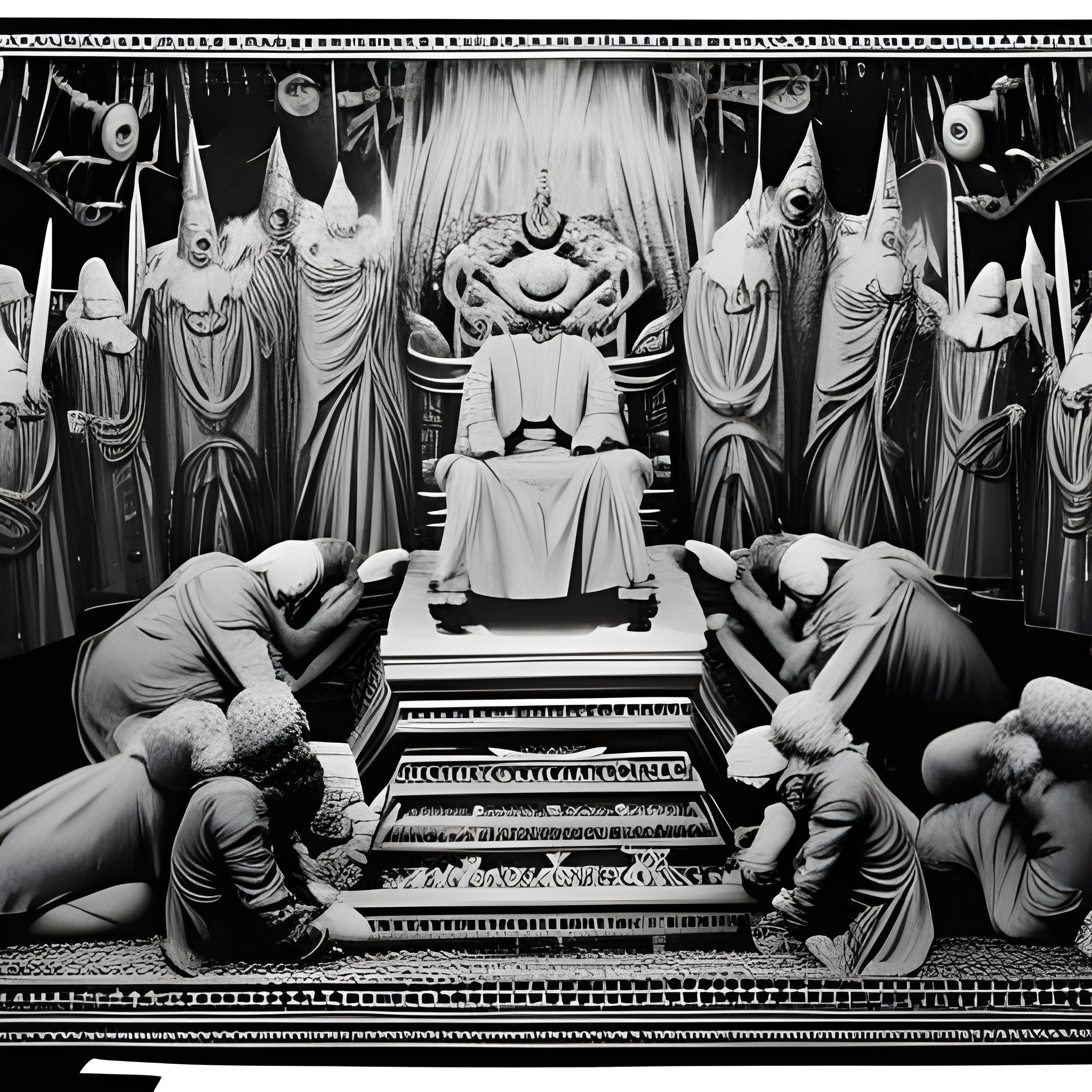
Surrealistic photography, born out of the Surrealist movement of the early 20th century, was grounded in the exploration of the unconscious mind, dreams, and the irrational. Artists like Man Ray and Salvador Dalí used photography to create images that defied logical interpretation, challenging viewers’ perceptions of reality. The essence of surrealistic photography lies in its ability to provoke and disturb, using visual paradoxes and bizarre imagery to tap into deeper psychological experiences. Surrealist themes persist in contemporary high art and culture, as driver with commercialism to provoke demand.
Meme culture, primarily a product of the digital age, has its conceptual root of the ‘meme’ as defined by Richard Dawkins in 1976. Dawkins described memes as units of cultural transmission – ideas, behaviors, or styles that spread within a culture. With the advent of the internet and social media, memes evolved into a predominant form of digital communication, often characterized by humor, satire, and rapid dissemination.
Memes, in the context of digital culture, are pieces of media, typically humorous in nature, that are rapidly spread by internet users. They often consist of images, videos, or text that are replicated with slight variations and shared extensively across social media platforms. Initially, memes were predominantly seen as a form of entertainment, but over time, they have become a significant mode of communication and cultural expression.
The convergence of surrealistic art photography and meme culture is most apparent in their shared capacity to communicate complex ideas quickly and impactfully. Both use a codified visual shorthand – surreal photography through symbolic imagery and memes through captioned photos or videos – to convey messages that might be more complex or less engaging if expressed through text alone. Furthermore, both surrealistic photography and memes often serve as a commentary on society and culture. Surrealistic photography has been used to challenge norms, question reality, and explore the human psyche. Similarly, memes frequently reflect and critique contemporary social issues, politics, and trends, albeit often in a more lighthearted or satirical manner.
Despite these convergences, surrealism within photography and meme culture diverge significantly in their purpose and perception. Photography is often seen as high art, with high content to value ratio, requiring careful consideration and interpretation. It is usually crafted with intentionality and artistic vision, aiming to provoke thought and emotional response. Memes are intended to be transient forms of popular culture with a shelf life aligned to their distribution. They are generally created for quick consumption and immediate impact. The value of a meme is often measured by its viral potential – its ability to be widely shared and understood. Memes are transient; they are rapidly created, consumed, and replaced.
At the intersection of surrealistic art photography and meme culture there is a sapce that raises questions about the evolution of visual language and its impact on our culture. As memes become more sophisticated and surrealistic elements more mainstream, the line between high art and popular culture blurs. This merging presents both challenges and opportunities – while it democratizes art and allows for broader engagement, it also risks diluting the depth and meaning traditionally associated with art. This is no bad thing, offsets of value through disruption has often been shown to drive innovation. The intersection is a complex and dynamic space where perception on high art meets the consumption of popular culture. They share some similarities in form and function, their divergences in purpose, perception, and cultural impact are have been significant. As digital culture continues to evolve, understanding these intersections becomes crucial in comprehending the changing landscape of visual communication and cultural expression.
Surrealism’s Viral Potential
The journey of surrealism from a niche, avant-garde movement to a viral element of mainstream culture is long established, and its subsequent reabsorption and transformation by meme culture into a new form of high art, is a fascinating study of cultural dynamics and the fluidity of artistic boundaries.
Surrealism, which began as an intellectual and artistic movement rooted in the exploration of the unconscious, dreams, and the irrational. Its high art status was marked by its focus on philosophical and psychoanalytical underpinnings, and its deviation from traditional artistic norms. Artists like Salvador Dalí, René Magritte, and Man Ray created works that were visually arresting, deeply symbolic, thought-provoking and enduring, with images still in wide cultural circulation ~100 years later.
The very elements that made surrealism so distinctive – its dream-like, bizarre imagery, and its ability to subvert reality – also held a wide appeal beyond the confines of high art. These elements began to permeate mainstream culture, particularly through the influence of advertising, film, and later, digital media. Surrealistic imagery became a tool for capturing attention, evoking emotions, and creating memorable visual experiences in various forms of mass media, another toolkit in our economy.
The advent of the internet and social media supercharged the viral potential of surrealistic elements. Digital platforms democratized content creation and distribution, allowing surrealistic imagery to be shared, reinterpreted, and repurposed by a vast audience. In this digital context, surrealism found a new life, its images resonating with a generation attuned to the quick consumption of visually driven content.
As surrealism seeped again into the digital mainstream, it also caught the attention of meme culture, a domain characterized by its rapid production, wide dissemination, and often, a satirical or humorous undertone. Meme creators began incorporating surrealistic elements into their work, using its ability to distort reality and provoke thought in a more lighthearted or ironic context.
This incorporation of surrealism into memes can be seen as a form of subversion. Meme culture, with its roots in popular culture and its inherently transient nature, contrasts sharply with the traditional, enduring nature of high art. By adopting surrealistic elements, memes not only bring these concepts to a broader audience but also transform them, often stripping them of their original context and meaning.
Interestingly, this interplay between surrealism and meme culture has led to a re-evaluation and re-contextualization of surrealistic imagery in the art world. As memes become more sophisticated, pervasive, their surrealistic elements are distilled and made more widely recognizable in our popular culture, there is a growing appreciation for the complexity and depth these elements can bring to both the sell of digital art forms and commercial content.
Contemporary artists and digital creators are now exploring ways to blend surrealism with digital and meme aesthetics, creating works that challenge the traditional boundaries between high art and popular culture. This fusion is leading to a new appreciation elevating them once again to the status of high art, but in a form that is deeply influenced and informed by their journey through mainstream culture and meme subversion.
A Surrealism is a viral meme form, its journey from high art to mainstream, and its re-elevation through meme culture, highlight the fluidity of artistic boundaries and the continuous evolution of cultural and artistic expressions. This cycle not only demonstrates the enduring appeal of surrealistic elements but also underscores the dynamic nature of art in the digital age, where the distinctions between high art and popular culture are constantly being renegotiated and redefined.
Memes and the Mundane

Memes, as a fundamental component of digital culture, have created a unique intersection with the mundane aspects of everyday life. This section explores how memes, originally seen as trivial or humorous internet phenomena, have evolved to encapsulate and reflect the mundane, turning everyday experiences into relatable, viral content.
The key characteristics of memes is their ability to capture and reflect the mundane – the ordinary, everyday experiences that people commonly relate to. Whether it’s a meme about the struggles of waking up early for work, dealing with mundane tasks, or the universal experiences of daily life, memes have a unique way of turning the ordinary into something engaging and shareable.
The power of memes in representing the mundane lies in their relatability. They often articulate common feelings or situations in a humorous and exaggerated manner, making them resonate with a wide audience. This relatability is what drives their virality; people see their own lives reflected in these memes and are compelled to share them with others who might have similar experiences.
Beyond entertainment, memes have evolved to become a form of social commentary, using the mundane to highlight larger issues. They often provide insights into societal norms, behaviors, and the absurdities of everyday life. By doing so, they not only entertain but also provoke thought and discussion about the shared human experience. Memes the, can also serve as a coping mechanism, allowing people to deal with the challenges of daily life through humor. By laughing at a meme that perfectly encapsulates a frustrating or relatable situation, individuals find a sense of community and shared understanding, making the burdens of everyday life seem a little lighter.
The intersection of memes and the mundane has become to have cultural significance. That statement is of course divisive, Meme based Content before it was mainstream was a culture, Memes have act as a snapshot of the zeitgeist, capturing the mood, attitudes, and experiences of a particular time. They can will provide future generations with insights into what everyday life was like during a certain period, much like how folklore or idiomatic expressions have offered insights into past cultures.
Memes and the mundane intersect in a way that transforms everyday experiences into a shared digital language. This intersection entertains and creates a sense of shared identity and community among internet users. As memes continue to evolve, their role in capturing and reflecting the mundane aspects of life highlights their significance not just as a form of digital entertainment, but as a cultural phenomenon that shapes and reflects the collective experience of society.
The Loss of Shock
In contemporary culture, there has been a noticeable decline in the ability of various forms of media and art to elicit shock among audiences. This phenomenon speaks volumes about the changing landscape of media consumption, the desensitization of audiences, and the evolving nature of what is considered taboo or shocking.
One of the primary reasons for this loss of shock value is the sheer volume of content available to modern audiences. With the advent of the internet and social media, people are exposed to a vast array of images, stories, and information on a daily basis. Surrealism shock value was in in its limited means of production and distribution, with an audience became increasing desensitized as our society moved from print, to broadcast to digital. This constant barrage of content, often including graphic and extreme material, has led to a certain level of desensitization. What once would have been considered shocking or provocative now barely registers a blip on the audience’s radar.
Another factor contributing to this phenomenon is the shift in cultural and moral norms. Over the past few decades, there has been a significant change in what society deems acceptable or taboo. Again this appears to be a volumetric issue, with a mass audience overriding gatekeeping, moderation and censorship, with content that were once off-limits for public discussion, such as sexuality, mental health, and political dissent, are now openly discussed and represented in media and art. This openness has undoubtedly contributed to the positive progress in many social areas, but it has also raised the threshold for what can genuinely shock an audience.
As we a have discussed with surrealism, artists and media producers historically have pushed boundaries to evoke reactions from their audiences, often using shock as a tool to challenge societal norms or draw attention to overlooked issues, However, in an environment where audiences are increasingly difficult to shock, creators are facing new challenges. The effectiveness of shock as a tool for conveying a message or eliciting a response is waning, forcing creators to find new methods of engaging with their audiences. The internet has played a dual role in this context. On one hand, it has facilitated the rapid spread of shocking content, making such material more commonplace and less impactful. On the other hand, it has also created a platform for more nuanced and diverse narratives, allowing for the exploration of complex issues in a more in-depth and less sensationalized manner.
It’s important to note that the loss of shock value is not uniform across all cultures and contexts. In some societies or communities, where exposure to certain types of content is less common, the capacity for shock still exists, this is either die to a genuine lack of exposure or cultural norms generally being resistent to visual as a means of commercialization. Moreover, even in desensitized cultures, certain events or revelations can still provoke a significant shock response, particularly when they involve real-life incidents or profound societal implications, typically the content you can’t make up.
The Transience and Endurance of Content

In the realm of visual culture, the interplay between the mundane and the shocking in imagery presents a complex and intriguing dynamic. This section explores the nature of everyday (mundane) images, the impact of shocking imagery, and the curious journey of how some transient content comes to endure and gain significance over time.
The mundane in imagery refers to the depiction of everyday life, ordinary scenes, and commonplace objects. These images are powerful in their subtlety and familiarity. Photographers like Stephen Shore and William Eggleston revolutionized the art world by turning their lenses towards the ordinary, elevating the mundane to a subject worthy of artistic consideration. The power of the mundane lies in its relatability and its ability to evoke a sense of shared experience. Everyday images act as mirrors reflecting the viewer’s own life, thereby creating a quiet but profound connection.
In the fast-paced digital world, where the extraordinary often overshadows the ordinary, images of the mundane offer a moment of pause, an opportunity to find beauty and meaning in the overlooked aspects of life.
Contrasting sharply with the mundane are images that shock – those that arrest the viewer with their intensity, unexpectedness, or ability to disturb. Shocking imagery has been a tool for artists and activists alike, used to draw attention, provoke thought, or incite change. The works of photographers like Diane Arbus or photojournalists capturing moments of crisis and conflict often fall into this category. Shocking images have a visceral impact. They jolt the viewer out of complacency, forcing them to confront uncomfortable realities or reconsider their perceptions.
In the digital age, the power of shock is often magnified by the virality of content, allowing such images to reach and impact a global audience rapidly.
The transient nature of visual content in the digital era is marked by the constant flow of images vying for attention. In this deluge, both mundane and shocking images can be fleeting, often lost in the endless stream of visual information. However, paradoxically, some of this content transcends its transient nature to endure and gain lasting significance.
Several factors contribute to the endurance of an image. Sometimes, it’s the historical or cultural context that imbues an image with lasting relevance. For example, iconic photographs from significant historical events continue to resonate with audiences long after they were taken. In other cases, the emotional or aesthetic impact of an image allows it to stand out and maintain its relevance over time.
In the realm of the mundane, images that capture the essence of an era, a culture, or a universal human experience can transcend their ordinary nature to become symbols of something larger and more profound. Similarly, shocking images that encapsulate pivotal moments or powerful emotions can leave an indelible mark on the collective consciousness. The journey of some transient content to enduring significance also speaks to the evolving nature of visual interpretation and appreciation. What may initially appear fleeting can, over time, gain layers of meaning and relevance, influenced by changing social, cultural, and historical contexts.
The interplay between images of the mundane, images of shock, and the transition from transient to enduring content, highlights the complex nature of visual culture. It underscores the idea that the power of an image lies not just in its immediate impact but also in its ability to resonate, evolve, and acquire new meanings over time.
In a world inundated with visual stimuli, understanding these dynamics becomes crucial in appreciating the depth and breadth of visual communication and its influence on society and culture.
The diminishing ability to shock in contemporary culture is a multifaceted issue, reflecting changes in societal norms, media consumption habits, and the role of art and media in society. While it poses challenges for creators looking to make an impact, it also opens the door for more sophisticated, nuanced, and meaningful engagement with audiences. This evolution suggests a shift from shock value to substance, where the depth and relevance of the content become the primary drivers of audience engagement and reaction.
Interplay and Value
The interplay between memes, art, commerce, and surrealism reveals a complex web of cultural, aesthetic, and economic factors that shape our understanding of value in the digital age.
Memes, originally simple internet jokes, have evolved into significant cultural artefacts. They embody the zeitgeist, encapsulating political opinions, societal moods, and universal human experiences. Their ease of creation and dissemination through social media platforms makes them a powerful tool for communication and community building. However, their transient nature often leads to questions about their lasting value.
Art, particularly surrealism, challenges our perceptions of reality, pushing the boundaries of imagination and creativity. Surrealist art, known for its dreamlike, bizarre imagery, has influenced various forms of modern media, including memes. While art is traditionally seen as having intrinsic value, the digital age challenges these notions, blurring the lines between high art and popular culture.
The commercial aspect comes into play when considering the monetization of digital content, including memes and art. The internet has democratized content creation, allowing creators to reach global audiences. However, it also raises questions about the commodification of art and culture. The value of a digital work, whether a meme or a piece of art, is often determined by its popularity and ability to generate revenue, shifting the focus from intrinsic artistic value to market-driven factors.
Surrealism finds a new expression in memes, blending high art with popular culture. This fusion has led to the creation of memes that are not only humorous but also thought-provoking, providing a value system elevating them beyond an entertainment. The surreal nature of these memes challenges viewers, encouraging them to question and interpret, much like traditional surrealistic art.
The value of memes, art, and their intersection with commerce and surrealism is multifaceted. It encompasses cultural significance, artistic merit, commercial potential, and social impact. While traditional metrics of valuing art remain relevant, the digital age demands a broader perspective that recognizes the cultural and social influence of digital content, including memes.
The shifting landscape of cultural production and consumption in the digital age, where the lines between art, entertainment, and commerce are increasingly blurred, understanding this dynamic is crucial for appreciating the varied forms of value that digital content can hold in contemporary society.
Beyond Aesthetic Value
The advent of Non-Fungible Tokens (NFTs) has tired to revolutionize the digital art world, including in their scope the monetization of memes, which traditionally have been perceived as lacking in both aesthetic, and arguably more importantly shock value. This development has sparked a significant shift in how digital content is valued and commercialized.
Where NFTs are unique digital assets verified using blockchain technology, ensuring their authenticity and ownership. This technology has enabled the creation of a market for digital assets that were previously difficult to commodify, including memes. By turning memes into NFTs, creators can sell their original digital content, often for substantial amounts of money. Creativity is at best fleeting, stretching a good idea mass production through codified minor variations is the personification of the definition of mundane. Where, historically, memes have been shared freely online, with little to no financial benefit for the original creators. NFTs have tried to disrupt this dynamic, allowing meme creators to monetize their work. This has been sold a ground breaking development for creators who have seen their work go viral without any direct financial benefit. Memes such as “Nyan Cat,” “Bad Luck Brian,” and others have been sold as NFTs, transforming them from cultural artifacts into digital commodities.
As we have discussed, memes have not been considered high art, often characterized by their simplicity and humor rather than aesthetic sophistication. Their value has been in their relatability and viral potential rather than traditional artistic merit. Similarly, while some memes have carried a temporal shock value, but most are benign and designed for mass appeal and humor. The NFTs challenges traditional notions of what constitutes valuable art. By placing a traded monetary value on memes, NFTs seek disrupt the conventional art market, suggesting that the value of digital art can stem from the manufacture of supply and demand to cultural impact and popularity rather than traditional aesthetic criteria or shock value. The monetization of memes through NFTs has not been without criticism. From an aesthetic viewpoint, arguing that NTFs commodify cultural expressions into what were meant to be freely shared and enjoyed has limited scope, while raising concerns about the environmental impact of blockchain technology, which requires significant energy use fails when measured about other production and consumption patterns within society.
NFTs and the monetization of memes represent a probable temporary shift in the dynamics digital art landscape. They challenge traditional notions of artistic value, moving to a new paradigm where cultural impact and virality hold monetary worth. As the market for NFTs continues matures, it will likely further reshape our understanding of the value and ownership of digital content.
Similarly, the advent of generative AI into the realm of imagery has introduced a new dimension to the creation and interpretation of digital art. This technology, which uses artificial intelligence to generate images from textual prompts, is reshaping the landscape of visual content. However, it also brings forth issues. Well discuss the mundanity of recycled images from patterns and the role of consensus of meaning in prompt engineering.
Generative AI employs advanced algorithms to create images that can range from realistic depictions to abstract creations. This technology is grounded in machine learning, where AI systems are trained on vast datasets of images and then use this training to generate new, original visual content based on input prompts. This process can open up a world of possibilities for creating digital art, offering an unprecedented level of speed and variety to those who choose to consume.
A critical concern with generative AI is the potential mundanity arising from recycled image patterns. Since these AI systems learn from existing datasets, there’s a tendency to reproduce familiar patterns and themes. This recycling can lead to a homogenization of visual content, where generated images lack originality or become predictable. The richness and diversity of human creativity may not be fully captured if AI relies solely on pre-existing images and styles. Similar to our NFT issue, many minor variations erode value from the source. Our meme is at best canonical to its content, its shock within the context of its distribution, its value over spilling form social media to art. Are generative AI produced meme is a thousand variations diluted short of those moments.
Prompt engineering is the process of crafting textual prompts to guide generative AI in producing specific images. The effectiveness of this process hinges on the consensus meaning – the shared understanding of the terms and concepts used in the prompts. The challenge lies in articulating prompts that accurately convey the desired outcome, considering the AI’s interpretation may differ from human expectations. This reliance on consensus can be both a limitation, and an opportunity. It can restrict the range of outputs to what is commonly understood or accepted within the dataset’s scope. On the other hand, it both allows for the exploration of shared cultural and visual languages, creating images that resonate with broader audiences. This is within the context of democratized content creation, which reapplies the moderation, gatekeeping and censorship our memes escaped.
As generative AI continues to evolve, there’s a growing need to balance the efficiency and novelty it offers with the preservation of creativity and originality. Artists and developers are exploring ways to expand the datasets and algorithms used, incorporating diverse and unconventional imagery to broaden the AI’s creative scope. The debate on Generative AI has raises ethical questions about authorship, ownership, content and the value of AI-generated art. The potential for AI to perpetuate biases present in training datasets is a concern that requires careful consideration and ongoing refinement.
The artistic community grapples with defining the role of AI in the creative process and the implications for human artists, the fear of being replaced is higher than their fear of being institutionally moderated. For our old school surrealists, the lifestyle choice of an Art as Outsider came with the territory of providing shock and accepting fame or infamy. But lets be honest, this was really set of generational pressures associated with the limits to production and distribution, with Post WW2 commercialization largely eliminated the high Art value of surrealism until the development of millennial digital based culture and their means of production and distribution.
Generative AI (the means of production) is made for NFTs (the means of distribution). It represents a significant development in digital imagery, offering the real potential to democratize art creation and explore new visual languages. However, this quicky devolves into a series of challenges of value, where the mundanity of outputs, recycled image patterns and the reliance on consensus meaning in prompt engineering highlight the need for a more nuanced approach. The Interface of Humans with Technology is always about balancing capabilities. Providing opportunities for the richness of human creativity, addressing ethical considerations within the context of the digital economy is crucial for harnessing the full potential of this technology for valuer based content production.