Tag: Cooking

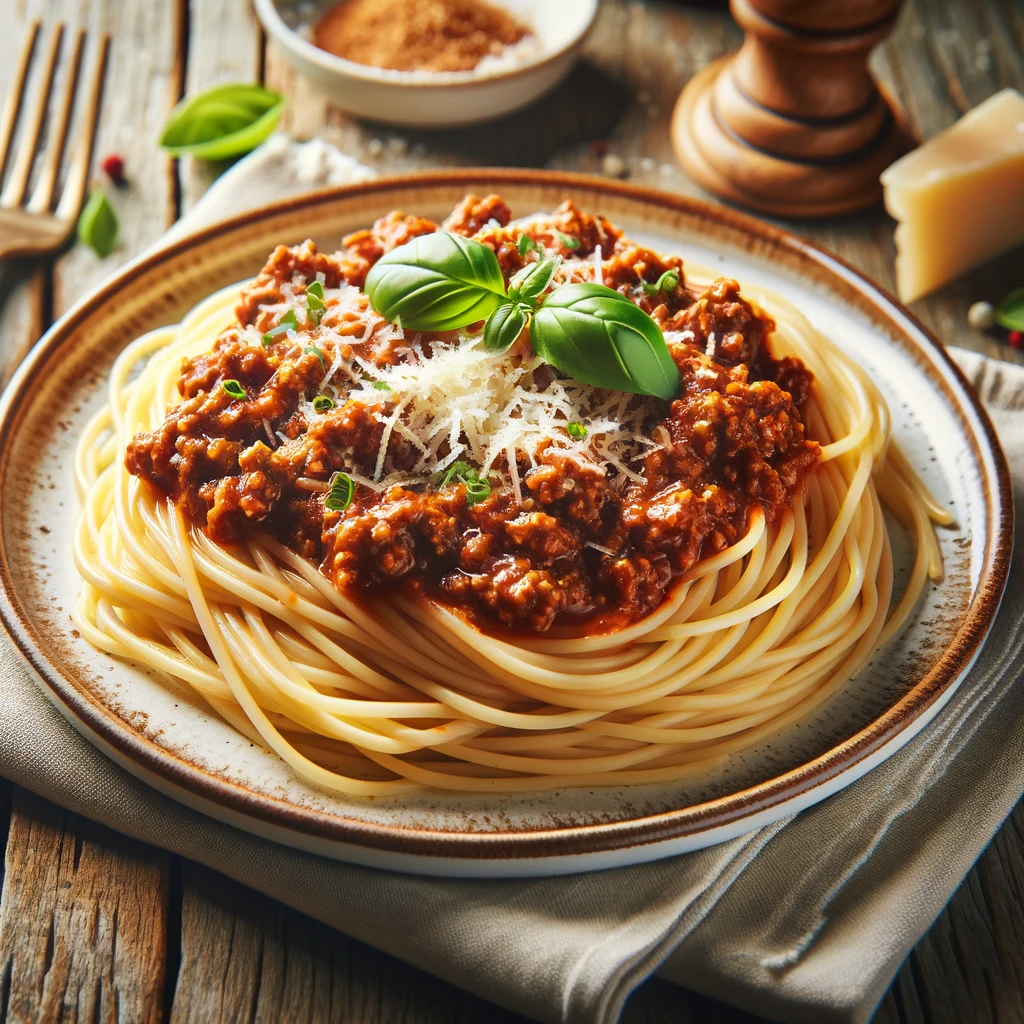
  • Spaghetti Bolognese

    Spaghetti Bolognese

    A good Bolognese sauce, traditionally known as ragù alla bolognese in Italian cuisine, is a meat-based sauce that originates from Bologna, Italy. It is known for its rich, complex flavors and hearty texture. Here are some key characteristics of a good Bolognese sauce:

    1. Rich and Flavorful: A well-made Bolognese sauce has a deep, rich flavor that comes from a combination of meat (often ground beef, sometimes mixed with pork), aromatic vegetables (like onions, carrots, and celery), and a robust tomato base. The flavors are well-balanced, with no single ingredient overpowering the others.
    2. Slow-Cooked and Tender: One of the hallmarks of a good Bolognese sauce is its slow cooking process. It is typically simmered over low heat for several hours, which allows the flavors to meld together beautifully and the meat to become incredibly tender and infused with the sauce.
    3. Texture: The sauce should have a thick, hearty texture, but not be too chunky. The meat should be finely ground, and the vegetables should be finely diced and cooked down until they are soft and meld into the sauce.
    4. Tomato Flavor: While tomatoes are an essential component, a traditional Bolognese sauce is not overly tomato-heavy. It uses just enough tomato (either in the form of paste, pureed, or diced tomatoes) to enhance the sauce without overwhelming the other flavors.
    5. Herbs and Spices: Aromatic herbs like oregano, basil, and bay leaves are often used to add depth to the sauce. Nutmeg is another common addition that provides a unique warmth to the flavor profile. The seasoning should be well-balanced, complementing the richness of the meat.
    6. Wine and Dairy: A splash of wine (typically red) is often used to deglaze the pan and add acidity and complexity to the sauce. Towards the end of cooking, a bit of milk or cream is sometimes added to create a richer, more velvety texture.
    7. Integration with Pasta: Good Bolognese sauce clings well to the pasta, typically a broader shape like tagliatelle or pappardelle, or classic spaghetti. The sauce should not be too dry or too liquidy but should coat the pasta evenly.
    8. Appearance: It usually has a rich, deep color ranging from reddish-brown to deep brown, indicating the thorough caramelization of the ingredients and the concentration of flavors.
    9. Aromatic: A good Bolognese sauce is aromatic, with the scents of cooked meat, vegetables, herbs, and wine creating an inviting and warm aroma.

    A good Bolognese sauce is characterized by its rich, layered flavors, tender meat, and slow-cooked, hearty texture. It is a staple of Italian cuisine and a testament to the power of simple, quality ingredients cooked with care and patience.

    Here’s a classic recipe for Spaghetti Bolognese:

    Ingredients

    For the Bolognese Sauce:

    • Olive oil: 2 tablespoons
    • Onion (finely chopped): 1 medium
    • Carrots (finely chopped): 2 small
    • Celery stalks (finely chopped): 2
    • Garlic cloves (minced): 2
    • Ground beef (or a mix of beef and pork): 500g (1 pound)
    • Canned tomatoes: 800g (28 ounces) or 2 cans
    • Tomato paste: 2 tablespoons
    • Red wine: 1 cup (optional)
    • Beef or vegetable broth: 1 cup
    • Dried oregano: 1 teaspoon
    • Bay leaves: 2
    • Salt and pepper: to taste
    • Fresh basil (optional): a handful

    For Serving:

    • Spaghetti: 400g (14 ounces)
    • Grated Parmesan cheese
    • Fresh basil leaves

    Instructions

    1. Prepare the Vegetables: In a large pan, heat the olive oil over medium heat. Add the chopped onions, carrots, and celery. Sauté until the vegetables are softened, about 5-7 minutes. Add the minced garlic and cook for another minute.
    2. Brown the Meat: Increase the heat to medium-high and add the ground meat to the pan. Break it apart with a spoon. Cook until the meat is browned and no longer pink.
    3. Add Tomatoes and Seasonings: Stir in the canned tomatoes, tomato paste, red wine (if using), beef or vegetable broth, dried oregano, bay leaves, salt, and pepper. Bring to a simmer.
    4. Simmer the Sauce: Reduce the heat to low and let the sauce simmer gently, uncovered, for about 1 to 1.5 hours. Stir occasionally, adding a bit of water or more broth if the sauce gets too thick. Taste and adjust the seasoning as needed. If you have fresh basil, add it towards the end of cooking.
    5. Cook the Spaghetti: While the sauce is simmering, bring a large pot of salted water to a boil. Cook the spaghetti according to the package instructions until al dente. Drain and set aside.
    6. Serve: Serve the hot Bolognese sauce over the cooked spaghetti. Garnish with grated Parmesan cheese and fresh basil leaves if desired.
    7. Enjoy: Your Spaghetti Bolognese is ready to be enjoyed!

    Tips

    • Wine Choice: If using wine, a dry red like Chianti or Merlot works well.
    • Simmering Time: Longer simmering times can enhance the flavor. If you have the time, letting it simmer for a couple of hours can deepen the taste.
    • Meat Options: Some recipes use a mix of pork and beef for added flavor.

  • Recipe

    Recipe

    What is a Recipe ?

    The term “Recipe” is a structural notation that includes components in addition to the list of ingredients. These include:

    • The Head Note: The Head note or Introduction is the first component of a recipe, the head note is the introduction to the the recipe and provides context, for example it tells the tells the story of the recipe.
    • The Ingredients – A list of material and their quantity that make up the recipe.
    • The Instruction: These can or precede or come the after ingredients list, and include preparation or directional information, such as greasing pans and preheating the oven. Other use include substitution of ingredients and alternative methods of preparation.
    • The Direction: Also commonly called the “Method,” this provides directions and steps for assembling and cooking the ingredients. The Instruction and Direction can be concatenated.
    • The Media: Optional Photographs, videos and Audio (podcasts). These components accompany recipes and have copyright protection separate from the other components of the recipe.

    A Template for Instructions and Directions

    1. Preheat the oven to the desired temperature.
    2. Gather all necessary ingredients and equipment needed for the recipe.
    3. Prepare any ingredients that require mixing or chopping beforehand, such as butter, eggs, and so on.
    4. If a recipe calls for melting butter or chocolate chips, melt them in a double boiler or in the microwave at medium heat in 30-second intervals.
    5. In a large bowl, mix together all dry ingredients such as flour, sugar, baking powder, baking soda, and so on until everything is combined evenly.
    6. In a separate bowl, mix together all wet ingredients such as egg whites, melted butter, vanilla extract or other flavorings until everything is combined evenly.
    7. Combine the wet and dry ingredients by mixing them together until everything is just combined – do not overmix!
    8. Grease the baking pan with butter or cooking spray and pour the batter into it evenly.
    9. Place into pre-heated oven and bake according to instructions provided in recipe (typically 25-30 minutes).
    10. Test with a toothpick inserted into center of cake to make sure it is done before taking out of oven; toothpick should come out clean when done cooking.
    11. Allow cake to cool before serving or frosting if desired.
    12. Enjoy!

    Licensing Collections

    The origins of the ingredients of a dish and the general steps involved in making them are likely in the public domain. A Christmas Cake, for example, has no distinct original owner.

    Most recipes, however, include content in addition to the list of ingredients, which make them subject to Copyright. Similar to ideas, facts and history, there isn’t copyright protection on recipes published only as a lists of ingredients. In fact I am not sure there is a way to release a formally written recipe into the public domain..

    Copyright protection applies to any written text, photographs or videos accompanying that list of ingredients. The headnotes and instructions on how to combine ingredients are protected by copyright.

    A collection recipes as a whole (for example a “Cookbook”, “Article” or “Blog”) is protected by copyright. Collections are protected even if the individual recipes themselves are in the public domain.

    An Authors intent for a collection of recipes and the supporting materials should be apply a Creative Commons license. This should allow you to share the recipes freely and others to use them for their own purposes. The details of the license are outlined in the collections copyright notice..

    The Creative Commons Attribution-ShareAlike 4.0 International License (CC BY-SA 4.0) is what an Author can assigned as the appropriate license to use for their Collection. This license allows for others to share, adapt, and build upon the work for commercial or non-commercial purposes as long as they give “appropriate credit” and distribute the resulting work under the same terms.

    As the recipient or consumer of any collection of recipes you can legally able do the following:

    • Make that recipe for your yourself, family or even as a caterer for a large group or the public.
    • Make that recipe and sell its as a finished food product.
    • Make media (Take a photo, or make a Video) of the finished food creation from a copy right protected recipe and share the photo on your Social Media Account or blog.
    • Share on your Social Media Account, blog or elsewhere on how you cooked the recipe and your thoughts about it, a summary of the recipe, and a link to it.

    With reference to the concept of “appropriate credit” within Creative Commons,  be mindful to link to an authorized source, such as the cookbook writer’s or publisher’s website, or to a recipe elsewhere that’s been clearly authorized.

    Fostering a culture of respect for copyright and ethics in recipe writing indirectly helps you protect your own “original” recipe. If you are posting another blogger’s recipe on your site, you should get permission to do so and clearly indicate that you’re using the recipe with their permission. If your recipe is a derivative work, inspired by someone elses published recipe or a dish you consumed in a restaurant or at a friends home, give them the attribution.

    .. That being said, as the author of a Collection of Recipes, you may no intention or means of seeking royalties, or spending any of our effort in chasing “appropriate credit”…

    Creative Commons license expires when the underlying copyright and similar rights expire.

    Disclaimer

    It is always worth thinking about including a disclaimer.

    The collection is provided for informational or entertainment purposes only and no recipe should be used for medical or any other advice. The authors shall not be held liable for any errors or omissions in the recipes or instructions, nor for any damages resulting from the use of such recipes. All recipes are provided “as is” without any express or implied warranties, including merchant-ability or fitness for a particular purpose.