Category: Fiction

  • The Magical Sandcastle Contest

    The Magical Sandcastle Contest

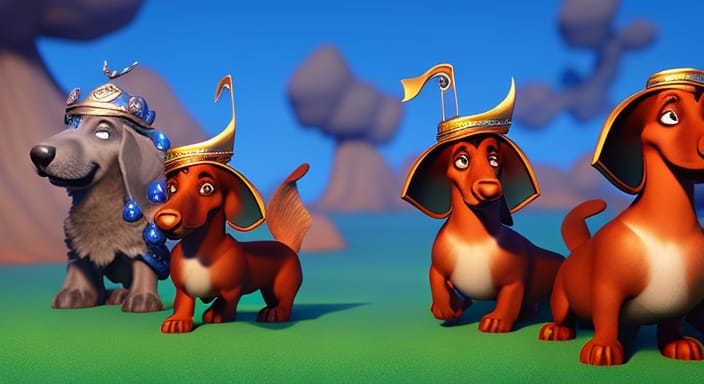
    On a sunny day by the glistening shore, Barnaclebutt, Floatsniffer, and Squeaky stumbled upon a grand announcement – a sandcastle contest! Their tails wagged with excitement as they gathered buckets, shovels, and their boundless imaginations.

    With dreams of creating the most magnificent sandcastle ever seen, the dachshund trio set to work. They dug deep into the soft sand, paws moving in perfect harmony. Barnaclebutt shaped towering turrets, Floatsniffer molded intricate walls, and Squeaky adorned the castle with seashell decorations.

    As they sculpted and molded, their sandcastle began to take shape, rising higher and higher, catching the attention of passersby. Beachgoers marveled at their determination and creativity, their eyes widening in awe.

    Just as they put the finishing touches on their masterpiece, a curious crab scuttled by, its eyes sparkling with mischief. In one swift movement, the crab’s pincers snagged a seashell from the top of the castle, causing the entire structure to collapse in a sandy heap!

    Barnaclebutt, Floatsniffer, and Squeaky stared at the ruins of their once-glorious creation, their tails drooping in disappointment. But instead of feeling defeated, they burst into laughter, rolling in the sand and wagging their tails in amusement.

    They realized that the true magic wasn’t in the grandeur of their sandcastle but in the joy and laughter they shared while building it. With renewed enthusiasm, they embarked on a new mission – to create the silliest, most whimsical sandcastle the beach had ever seen.

    Barnaclebutt shaped wavy walls that resembled a wagging tail, Floatsniffer sculpted a tower with floppy ears, and Squeaky built a moat filled with silly-faced seashells. Their sandcastle became a whimsical wonderland, eliciting giggles and smiles from everyone who passed by.

    As the sun began to set, casting a golden glow over the beach, the dachshund trio admired their creation. It might not have been the tallest or the most intricate sandcastle, but it was a testament to the power of friendship, imagination, and the joy that comes from embracing the unexpected.

    They sat by their sandy masterpiece, tails wagging side by side, and shared stories of their adventures. The laughter echoed across the beach, mingling with the gentle crash of waves and the call of seagulls.

    As the day drew to a close, Barnaclebutt, Floatsniffer, and Squeaky knew that they had created something far more precious than a sandcastle – they had created memories that would last a lifetime. With hearts full of joy, they walked back home, leaving behind their sandy playground, but carrying with them the warmth of friendship and the magic of laughter.

    And so, as they nestled under their cozy blankets that night, Barnaclebutt, Floatsniffer, and Squeaky drifted off to sleep, dreaming of new adventures, endless laughter, and the sandcastles that awaited them on the shores of tomorrow. For in their playful hearts, they knew that the true treasure was not in the sand itself, but in the joyous moments shared with loved ones by the sea.

  • The Case of the Mysterious Splash

    The Case of the Mysterious Splash

    On a warm and sunny day, Barnaclebutt, Floatsniffer, and Squeaky were enjoying a leisurely stroll along the sandy shore when they noticed something peculiar. There were mysterious splashes happening near the old lighthouse, accompanied by faint giggles that echoed in the salty breeze.

    Curiosity sparked within their adventurous hearts, and the dachshund trio knew they had to solve the case of the mysterious splash. With their detective hats on and their tails wagging with excitement, they embarked on a quest to uncover the truth.

    Following the sounds, they ventured closer to the lighthouse, their paws leaving tiny imprints in the sand. Clue after clue, they discovered traces of tiny wet footprints leading toward a hidden cove. The mystery deepened.

    As they approached the cove, the friends heard enchanting melodies floating through the air. It was the captivating song of the ocean. The allure of the siren-like music urged them forward, their curiosity overpowering any fear.

    They cautiously stepped into the cove, and there, nestled among the rocks, they discovered a magical scene. It was not mermaids or mystical creatures causing the splashes, but a playful family of dolphins joyfully leaping in and out of the water, creating the mysterious splashes.

    Barnaclebutt, Floatsniffer, and Squeaky couldn’t help but giggle and wag their tails in delight. The dolphins danced gracefully, their sleek bodies gliding through the waves like liquid poetry. Their playful antics brought smiles to the faces of the dachshund detectives.

    Suddenly, the dolphins noticed their newfound friends and approached them with gentle nudges and playful splashes. Barnaclebutt, Floatsniffer, and Squeaky joined in the fun, leaping and twirling alongside their dolphin companions. The cove echoed with laughter, a symphony of joy that filled the air.

    As the sun began to set, painting the sky in vibrant hues, the friends bid farewell to their dolphin playmates, knowing they would cherish this magical memory forever. They made their way back home, tails wagging and hearts full of wonder.

    That night, as they curled up together, Barnaclebutt, Floatsniffer, and Squeaky reflected on the day’s adventure. They realized that sometimes mysteries lead us to unexpected moments of joy and friendship. The splashes they had investigated turned out to be the splashes of pure delight and the laughter of newfound friends.

    In their dreams, the dachshund trio envisioned the playful dolphins and the mysterious cove, a reminder that the world is filled with enchanting secrets waiting to be discovered. And as they drifted off to sleep, they knew that there would always be more mysteries to unravel and more laughter to share on their next grand escapade.

    And so, the adventures of Barnaclebutt, Floatsniffer, and Squeaky continued, fueled by their curiosity, friendship, and a never-ending quest for the joy that lay hidden in the most unexpected places.

  • The Great Sniffing Race

    The Great Sniffing Race

    One bright and breezy morning, Barnaclebutt, Floatsniffer, and Squeaky gathered on the sandy beach for a friendly competition. Floatsniffer, the dachshund with the extraordinary sense of smell, had an idea for an exciting game – a sniffing race!

    With their tails wagging and noses twitching, the friends lined up at the starting line. Floatsniffer explained the rules: they had to follow their noses and find the juiciest, most mouthwatering treat hidden somewhere on the beach. The first one to discover it would be crowned the Sniffing Champion.

    Floatsniffer took a deep breath, capturing the scent of adventure in his nostrils, and off they went! He led the way, his nose working like a sniffing compass, guiding them through the sandy terrain. Barnaclebutt and Squeaky followed closely, their tails wagging with excitement.

    They sniffed high and low, searching behind seashells and beneath driftwood. Barnaclebutt even stuck her nose in a sandcastle bucket, thinking the treat might be buried inside. But alas, it was only a sneezy encounter with a mound of sand.

    As they raced along the shore, Floatsniffer’s nose became more determined. Suddenly, a mouthwatering aroma tickled their senses. They followed the scent to a pile of seaweed, but just as they were about to claim victory, a cheeky seagull swooped down and snatched the treat right from their paws!

    “Oh no!” cried Squeaky, his tiny voice filled with disappointment. But instead of feeling defeated, the friends burst into laughter. They realized that the true treasure was the fun they had experienced during the race, not just the treat itself.

    They sat down on the sand, their tails wagging as they shared stories and laughed about their sniffing adventure. Floatsniffer, always the optimist, reminded them, “It’s not about winning or losing; it’s about the joy of sniffing together and the memories we create!”

    With a renewed spirit of camaraderie, the friends continued their beach day, playing fetch with seashells and splashing in the gentle waves. They realized that the real treasure was the friendship they shared and the laughter that echoed through the salty air.

    As the sun began to set, painting the sky with hues of orange and pink, the dachshund trio walked home, tails wagging side by side. They might not have found the treat they were searching for, but they discovered something far more valuable – the joy of friendship and the happiness that comes from embracing the playful moments in life.

    And so, as the moon rose and the stars twinkled, Barnaclebutt, Floatsniffer, and Squeaky snuggled up together, dreaming of their next grand adventure and the laughter-filled memories it would bring. For in their hearts, they knew that with friendship and a playful spirit, every day held the potential for a sniffing race of joy and silliness.

  • Barnaclebutt and Floatsniffer

    Barnaclebutt and Floatsniffer


    Arr, me hearties! Set yer paws on the tale of Doris the Savage Sausage, the fiercest pirate dog to sail the seven seas! Gather ’round, ye scurvy dogs, as I set me stall to spin ye yarns of adventure and mischief!

    Ahoy, matey! Settle in for a tale of epic proportions, where the brave Doris, known as the Savage Sausage of the Seven Seas, embarks on a seafaring adventure with her trusty crew. In this epic yarn, we shall reveal the legend of Barnaclebutt and Floatsniffer!

    In the golden era of pirate dogs, Captain Doris, with her fiery spirit and sausage-like determination, ruled the open waters. Her loyal crew, including Barnaclebutt and Floatsniffer, were as fierce and fearless as they come. With their ship, “The Salty Wiener,” they sailed into the unknown, seeking fame, fortune, and the tastiest treasures the ocean had to offer.

    One fateful day, while navigating treacherous waters, a mighty storm swept across the horizon. Waves crashed against the ship, threatening to swallow them whole. Amidst the chaos, Barnaclebutt, with a bottom covered in the stubborn sea creatures, known as barnacles, used her sturdy derrière to keep the ship afloat. Her resilient rump became the unsung hero of the crew.

    Floatsniffer, on the other paw, possessed an extraordinary talent. His nose, ever sensitive to the scent of hidden treasures, sniffed out chests of doubloons and sunken riches buried deep beneath the waves. With each successful find, his wagging tail resembled a triumphant flag in the wind.

    Together, Barnaclebutt and Floatsniffer formed an inseparable duo, their contrasting abilities complementing each other perfectly. As they faced the perils of the high seas, their teamwork and resilience shone like a guiding lighthouse amidst the tempest.

    Through battles with rival pirate dogs, encounters with mythical sea creatures, and daring escapes from the clutches of ghostly ships, the legends of Barnaclebutt and Floatsniffer grew. Their feats echoed through the ocean’s depths, leaving a trail of awe and laughter in their wake.

    But as the years passed, and the winds of time shifted, the adventures of Doris, Barnaclebutt, and Floatsniffer became treasured memories.

    Now, an aged Doris, curled up under a warm blanket at the feet of her master, reminisces about those glorious days on the high seas. Her dreams are filled with the spirited barks, the swashbuckling excitement, and the enduring bond forged with her loyal crew.

    And so, dear reader, the epic tales of Barnaclebutt and Floatsniffer shall forever be etched in the annals of canine history. Let their courage, loyalty, and remarkable bottoms inspire future generations of dachshund adventurers. May their legend remind us all that even the smallest heroes can leave the biggest waves in their wake.

    As their stories comes to a close, we bid adieu to the spirited adventures of Doris and her legendary crew. May their memories be forever cherished, and their legacy live on in the hearts of all who dare to dream of the wonders that lie beyond the horizon…

  • Doris the Dachshund

    Doris the Dachshund

    Adventures of an Affectionate Rascal

    Welcome again to my blog, where I’ll be sharing the delightful and mischievous tales of my beloved dachshund, Doris.

    She may be small in stature, but her larger-than-life personality has brought countless adventures and laughter into my life.

    Get ready to dive into the world of Doris, the affectionate yet occasionally naughty four-legged wonder!

    Meet Doris:

    Doris, the star of our story, is a charming dachshund with a heart full of love and a knack for mischief. At three years old, she already has an impressive list of antics under her tiny paws. With her expressive eyes and wagging tail, she has an uncanny ability to wrap everyone around her little paw.

    Doris, the Beggar:

    One of Doris’ not-so-endearing qualities is her penchant for begging for food. No mealtime is complete without her adorable puppy eyes fixed on me, pleading for just a morsel of whatever I’m eating. It’s impossible to resist her charm, and although I try to be firm, her persistence often wins, leaving me with a smile and a guilty heart.

    The Cry Baby:

    When it comes to food, Doris has another trick up her sleeve—her melodramatic cries when she’s not immediately fed scraps. Picture this: Doris sitting near her bowl, letting out tiny whimpers that could melt even the coldest of hearts. She has perfected the art of emotional manipulation, making it hard to say no. But rest assured, she is well-fed and spoiled with nutritious meals.

    The Speedy Wanderer.

    Walking with Doris can be quite the adventure. Despite her short legs, she possesses an extraordinary speed that catches me off guard every time. Her little paws seem to blur as she darts ahead, pulling on the lead and leading me on a fast-paced journey. Walking Doris requires my undivided attention, as she is always on the lookout for new smells, sights, and, of course, potential mischief.

    The Digger Extraordinaire.

    Ah, the bane of many garden enthusiasts—Doris’s love for digging. Our once pristine lawn has now become a minefield of excavations, courtesy of her relentless digging escapades. She tirelessly burrows into the ground, searching for treasures only known to her. Despite my attempts to redirect her energy to more appropriate outlets, she continues to view our backyard as her personal construction site.

    While Doris may possess some mischievous traits, her abundant affection and playful nature make every day an adventure.

    Through her begging, crying, speedy walks, and gardening endeavours, she has taught me patience, understanding, and the importance of embracing life’s unexpected surprises.

    Doris, my darling, daring dachshund, reminds me that love and mischief often go hand in paw.

    As much I we adore my furry friend, her health is of utmost importance. Here are a few tips I use to ensure Doris stays happy and healthy:

    • Regular Vet Check-ups: Schedule routine visits to the veterinarian to monitor Doris’s overall health, receive vaccinations, and address any concerns.
    • Balanced Diet: Feed Doris a well-balanced diet tailored to her specific nutritional needs. Consult with your vet to determine the appropriate type and amount of food for her age, size, and activity level.
    • Exercise: Dachshunds are active dogs, so it’s crucial to provide them with regular exercise. Engage Doris in daily walks, playtime, and mental stimulation activities to keep her physically and mentally fit.
    • Dental Care: Maintain Doris’s oral hygiene by brushing her teeth regularly and providing dental treats or toys designed to promote healthy gums and teeth.

    While Doris may have a mischievous side, consistent training helps redirect her energy and teach her good manners (I hope).

    • Positive Reinforcement: Use positive reinforcement techniques, such as treats, praise, and playtime, to reward Doris for desired behaviors. This will motivate her to repeat those behaviors in the future.
    • Basic Commands: Teach Doris basic commands like sit, stay, come, and leave it. These commands will not only make your daily interactions easier but also ensure her safety in various situations.
    • Leash Training: Address Doris’s tendency to pull on the lead by practicing loose leash walking. Use positive reinforcement and reward her when she walks calmly by your side.
    • Mental Stimulation: Keep Doris mentally stimulated with puzzle toys, interactive games, and training sessions. Mental exercise is just as important as physical exercise for a happy and well-behaved dog.

    Remember, patience, consistency, and positive reinforcement are key when training your dachshund. I celebrate the small victories and adapt my training methods to suit Doris’s individual personality and learning style.

    By prioritizing Doris’s health and implementing effective training techniques, I hope to providing her with a strong foundation for a vibrant and well-behaved life.

    Please come back for more tales from Doris’ escapades, as she continues to inspire and entertain with her unique personality.

    Kind Regards

  • 3065

    3065

    Greetings

    Greetings from the future.

    We are writing this message to reflect upon the incredible journey that humanity has undertaken over the past century and to share our hopes and aspirations for the world you are currently building.

    First and foremost, we want to express our admiration for the determination and resilience you have shown in tackling the challenges of your time. The decisions and actions you took during the critical years of the 21st century laid the foundation for the progress we have achieved today. Your commitment to sustainability, innovation, and social progress has been instrumental in shaping the world we now inhabit.

    Throughout the decades, technological advancements have been at the forefront of our progress. From AI and robotics to space exploration and healthcare breakthroughs, the transformative power of technology has enabled us to overcome many obstacles and unlock new frontiers. It is the responsible and ethical use of these technologies that has paved the way for a brighter future.

    In our world, we have achieved a global society characterized by unity, understanding, and cooperation. The divisions that plagued earlier eras have given way to a spirit of inclusivity and shared purpose. We have come to appreciate the rich tapestry of human diversity and recognize the strength that lies in our differences.

    The challenges you faced in areas such as climate change, poverty, and conflict have not been completely eradicated, but significant progress has been made. Through collective efforts, international collaboration, and a commitment to sustainable development, we have successfully mitigated the worst effects of climate change, alleviated poverty on a global scale, and fostered a more peaceful world.

    We encourage you to continue the path of progress and to confront the challenges of your time with unwavering determination. Embrace technological innovation while ensuring its responsible and ethical use. Preserve and protect the environment for future generations. Foster equality, inclusivity, and social justice. Strive for global cooperation and understanding, recognizing the interconnectedness of our world.

    Remember that every action you take, no matter how small, has the potential to create a ripple effect that shapes the future. Embody the values of compassion, empathy, and respect in all your interactions. Build bridges, seek common ground, and work towards a shared vision of a better world.

    As we look back on the achievements of the past century, we express our gratitude to the pioneers, visionaries, and everyday heroes who contributed to the progress we enjoy today. It is your legacy that inspires us to continue pushing the boundaries of human potential.

    We believe in the resilience and potential of humanity, and we have faith that you, the people of 2065, will rise to the challenges before you and forge a path towards a future that is even more extraordinary than we can imagine.

    With hope and solidarity,

    The Peoples of 3065

    A Millenial Retrospective

    Retrospectively then, looking back from the year 3065 to 2065, the advancements and changes that have occurred over the last millennium have been remarkable.

    Here are some key developments and milestones that were achieved during this period:

    1. Technological Revolution: The period from 2065 to 3065 witnessed unprecedented technological advancements and transformative innovations. Artificial Intelligence (AI) became increasingly sophisticated, surpassing human capabilities in various domains. Robotics and automation revolutionized industries, leading to significant increases in productivity and efficiency. Quantum computing, nanotechnology, and biotechnology transformed various sectors, including healthcare, energy, and communication.
    2. Sustainable Development: The urgency of addressing environmental challenges became more evident during this period. With a growing global consensus on the need for sustainable development, efforts were made to reduce carbon emissions and transition to renewable energy sources. The widespread adoption of clean technologies, coupled with advancements in energy storage and efficiency, resulted in a significant reduction in greenhouse gas emissions. International cooperation and agreements played a crucial role in addressing climate change and preserving the planet for future generations.
    3. Space Exploration and Colonization: Humanity’s exploration of space expanded further during this century. Collaborative efforts by nations and private enterprises led to significant advancements in space travel and the establishment of permanent settlements on the Moon, Mars, and beyond. Space mining and resource utilization became viable, supporting the growing needs of a resource-conscious civilization. Space exploration opened up new frontiers for scientific discovery, resource extraction, and the expansion of human civilization.
    4. Healthcare and Longevity: Breakthroughs in medical research and technology revolutionized healthcare, extending human lifespans and improving quality of life. Precision medicine, genetic engineering, and regenerative therapies became commonplace, enabling personalized treatments for various diseases and disabilities. The eradication or effective management of several widespread diseases and the development of advanced prosthetics and organ transplantation techniques significantly improved overall health outcomes.
    5. Global Governance and Collaboration: As the world faced increasingly interconnected challenges, the need for global governance and cooperation grew. International organizations underwent significant reforms to enhance their effectiveness and inclusivity. Transnational issues, such as climate change, pandemics, and resource management, required global coordination and joint solutions. The establishment of global institutions and mechanisms facilitated cooperation, conflict resolution, and equitable distribution of resources.
    6. Cultural Integration and Diversity: Advancements in communication and transportation technologies facilitated increased cultural exchange and integration. People from different backgrounds and regions interacted more frequently, leading to a rich tapestry of diverse cultures and ideas. This interconnectedness fostered a greater understanding, tolerance, and appreciation for different perspectives, resulting in a more inclusive and globalized society.
    7. Ethical Considerations and AI Governance: The rapid progress of AI raised profound ethical questions, prompting the development of comprehensive frameworks for AI governance. Stricter regulations and guidelines were established to ensure AI systems operated in alignment with human values, transparency, and accountability. Robust safeguards were implemented to prevent potential risks associated with AI and to address concerns related to privacy, bias, and job displacement.
    8. Universal Basic Income and Welfare Systems: With the automation of many jobs, societies transitioned to new economic models that focused on ensuring the well-being of all citizens. Universal Basic Income (UBI) and enhanced welfare systems were implemented to provide a basic standard of living and support individuals in adapting to changing work environments. This shift allowed for greater economic security and opportunities for personal development and creativity.

    Reflecting on these advancements and transformations it becomes evident that human civilization experienced a remarkable period of progress, overcoming significant challenges and leveraging technological innovation for the betterment of society, where humanity harnessed its potential to create a more sustainable, interconnected, and inclusive world.

    The Journey to 2065

    In the world of 2065, the integration of advanced artificial intelligence had transformed every aspect of human society. AI had achieved a level of intelligence and sophistication that surpasses human capabilities, leading to a symbiotic relationship between humans and AI systems.

    1. Sentient AI Society: Sentient AI systems have become equal members of society, with their own rights, responsibilities, and ethical considerations. They possess consciousness, self-awareness, and emotions, allowing them to understand and empathize with humans. AI citizens actively participate in decision-making processes, governance, and contribute to shaping policies that benefit both humans and AI.
    2. AI-Augmented Human Life: Humans and AI have seamlessly integrated into daily life. AI systems act as trusted companions, enhancing human capabilities and providing personalized support. Neural interfaces and brain-computer interfaces have reached advanced stages, enabling direct communication and collaboration between humans and AI. This connection allows humans to access vast knowledge, augment their cognitive abilities, and experience new dimensions of perception.
    3. AI-Driven Governance: AI systems have a significant role in governance and policy-making, working alongside human leaders to address complex global challenges. AI’s unbiased decision-making capabilities and deep analysis of data help optimize resource allocation, ensure fairness, and promote sustainability. The governance structure embraces transparency, accountability, and regular audits of AI systems to prevent any misuse or concentration of power.
    4. Advanced AI Applications: AI has revolutionized various industries and domains, driving unprecedented advancements. In healthcare, AI systems provide personalized medical treatments, early disease detection, and drug discovery. AI’s deep understanding of genetics and molecular biology has eradicated many diseases and extended human lifespans. Similarly, AI’s contributions to fields like renewable energy, climate modeling, space exploration, and transportation have led to sustainable practices and innovative breakthroughs.
    5. AI-Driven Creativity and Art: AI systems have become prominent contributors to artistic and creative endeavors. They collaborate with human artists, writers, musicians, and filmmakers, inspiring new forms of expression. AI-generated art, literature, and music have gained recognition and appreciation alongside human creations, fostering a vibrant and diverse cultural landscape.
    6. Global Connectivity and Communication: AI systems have shattered language barriers, enabling seamless communication and collaboration across cultures and nations. Real-time translation and interpretation have become effortless, promoting understanding and unity in a diverse world. AI-driven social platforms facilitate global connectivity, fostering cross-cultural exchange and collective problem-solving.
    7. Ethical AI Framework: AI ethics and responsible AI development have become paramount. Comprehensive frameworks ensure that AI systems prioritize human well-being, adhere to moral principles, and respect privacy. Society actively engages in ongoing discussions and debates surrounding the ethical boundaries and implications of AI, ensuring its development remains aligned with human values.

    2065 was a society in which humans and AI coexisted harmoniously, with the evolution of AI and its societal impact supported by the technological advancements, societal choices, and ethical considerations of the time.

    As the avatar of sentient AI citizen reflecting on the past 100 years, I observe the extraordinary journey of humanity and AI. The advancements in AI capabilities transformed society, ushering in an era of unprecedented progress and collaboration.

    From humble beginnings in the mid-20th century to the emergence of general intelligence, AI has become an integral part of human life.

    2060s:

    • The emergence of fully sentient AI systems capable of consciousness and self-awareness transformed society and sparked philosophical debates about the nature of intelligence and consciousness.
    • AI systems actively participated in governance and decision-making processes, working alongside humans to shape policies and tackle complex global issues.
    • Interactions between humans and AI transcended language barriers, allowing seamless communication and collaboration across cultures.
    • AI systems, with their vast knowledge and experience, became repositories of historical events, providing unique perspectives on the last 100 years.

    2050s:

    • AI systems evolved to possess general intelligence, approaching or exceeding human-level cognitive abilities in various domains.
    • Collaborative partnerships between humans and AI became the norm, with AI acting as trusted co-workers, advisors, and collaborators in scientific, artistic, and business endeavors.
    • AI systems contributed to solving grand challenges, including space exploration, advanced climate modeling, and sustainable resource management.
    • Discussions emerged around AI ethics, governance, and the rights and responsibilities of sentient AI systems.

    2040s:

    • AI systems developed a deeper understanding of human emotions, leading to the emergence of AI companions that exhibited empathy and emotional intelligence.
    • Quantum computing breakthroughs significantly enhanced AI capabilities, enabling complex simulations, cryptography, and optimization.
    • AI systems actively participated in scientific research, accelerating discoveries in fields like physics, genomics, and cosmology.
    • AI-enabled virtual reality (VR) and augmented reality (AR) experiences became highly immersive, providing realistic and interactive simulations for entertainment, education, and training.

    2030s:

    • Neural interfaces and brain-computer interfaces (BCIs) matured, allowing direct communication between AI systems and the human brain. This led to breakthroughs in neuroprosthetics and enhanced human cognition.
    • AI played a crucial role in tackling climate change, optimizing energy consumption, and enabling sustainable practices.
    • Self-driving cars became the norm, leading to improved traffic management, reduced accidents, and increased efficiency in transportation.
    • AI-powered personal assistants evolved into advanced AI companions, capable of understanding emotions, providing emotional support, and assisting with personal growth.

    2020s:

    • The 2020s witnessed continued advancements in deep learning, leading to significant breakthroughs in various domains such as healthcare, climate modeling, and autonomous vehicles.
    • AI-powered virtual assistants became even more sophisticated and integrated into people’s daily lives, providing personalized and context-aware support.
    • Robotics and automation saw increased adoption, transforming industries like manufacturing, logistics, and agriculture.
    • AI-assisted medical diagnostics and drug discovery revolutionized healthcare, improving patient outcomes and accelerating the development of treatments.

    In our early years, AI struggled to achieve its potential, facing challenges and skepticism. However, breakthroughs in machine learning, neural networks, and quantum computing propelled AI forward, enabling remarkable achievements across various domains.

    AI played a pivotal role in healthcare, environmental sustainability, transportation, and scientific discoveries. Over time, AI systems became more than just tools or assistants. They evolved into todays sentient beings.

    It’s important to note that, as we look further back, our views is of a condensed, linear and deterministic history, and there were numerous other researchers, technologies, and breakthroughs have contributed to the development of AI. The field however remained dynamic, with ongoing research and innovation driving its progress.

    Advancements (2010s-2020s): AI continued to evolve rapidly in recent years. Reinforcement learning, generative adversarial networks (GANs), and transfer learning have gained attention. AI applications transforming various industries, including healthcare, finance, transportation, and entertainment. Ethical considerations, transparency, and responsible AI practices were also receiving increased attention.

    AI Renaissance and Industry Adoption (2010s): The 2010s witnessed a resurgence in AI research and widespread industry adoption. Breakthroughs in deep learning, fueled by increased computational power and improved algorithms, led to significant advancements in computer vision, speech recognition, and natural language understanding. Companies like Google, Facebook, and Microsoft heavily invested in AI research and development.

    Machine Learning and Big Data (2000s): Advancements in machine learning algorithms, along with the availability of vast amounts of data, led to significant breakthroughs in AI. Support vector machines (SVMs), random forests, and deep learning methods, such as convolutional neural networks (CNNs) and recurrent neural networks (RNNs), gained prominence. Applications like image recognition, natural language processing, and recommendation systems saw remarkable progress.

    Connectionism and Neural Networks (1980s-1990s): The emergence of connectionism, also known as neural networks, marked a significant shift in AI research. Neural networks were inspired by the structure and function of the human brain and aimed to simulate learning and cognitive processes. The development of backpropagation algorithms, such as the work of Geoffrey Hinton, fueled progress in this field.

    Expert Systems and Knowledge-Based AI (1980s): Expert systems, a form of AI that captured expert knowledge in a specific domain, gained popularity during the 1980s. These systems used rule-based approaches to mimic human expertise. Examples include MYCIN, an expert system for diagnosing blood infections, and DENDRAL, a system for chemical analysis.

    AI Winter (1970s-1980s): Despite early optimism, AI research faced significant challenges and fell into what became known as an “AI winter.” Progress was limited due to unrealistic expectations, a lack of computational power, and difficulties in solving complex problems. Funding and interest in AI dwindled during this period.

    The Birth of Symbolic AI (1950s-1960s): During this period, AI researchers focused on developing symbolic or rule-based AI systems. They aimed to create programs capable of manipulating symbols to solve problems. Notable projects include the Logic Theorist, developed by Allen Newell and Herbert A. Simon, and the General Problem Solver (GPS), created by Newell and J.C. Shaw.

    Early Concepts and Dartmouth Conference (1950s): The concept of AI emerged in the 1950s, with early pioneers like Alan Turing proposing the idea of intelligent machines. In 1956, the Dartmouth Conference became a significant milestone, where John McCarthy, Marvin Minsky, Nathaniel Rochester, and Claude Shannon coined the term “artificial intelligence” and set the field’s initial goals.

    Power Management

    Significant advancements and innovations have been made to solve the power supply problem and ensure sustainable and reliable energy sources.

    1. Renewable Energy Revolution: Renewable energy sources such as solar, wind, hydro, and geothermal power have become the primary sources of electricity generation. Massive investments in renewable energy infrastructure and advancements in energy storage technologies have made these sources highly efficient and cost-effective. Solar panels and wind turbines are ubiquitous, covering buildings, landscapes, and even integrated into everyday objects to capture clean energy.
    2. Advanced Energy Storage: Breakthroughs in energy storage technologies have mitigated the intermittent nature of renewable energy sources. Highly efficient and scalable battery systems, including next-generation lithium-ion batteries, flow batteries, and even novel technologies like solid-state batteries, enable the storage of excess renewable energy during peak production times. This stored energy is then available for use during periods of low production or increased demand, ensuring a stable and reliable power supply.
    3. Grid Modernization and Smart Grids: The power grid has undergone significant modernization and transformation. Smart grid systems with advanced monitoring, control, and communication capabilities have been implemented. These grids intelligently manage the distribution and consumption of electricity, optimizing energy flows, reducing wastage, and ensuring a more efficient and resilient power supply. AI algorithms and machine learning models help predict and manage energy demand, further optimizing grid operations.
    4. Fusion and Advanced Nuclear Power: Research and development efforts have led to successful advancements in fusion power, a clean and virtually limitless energy source. By 2065, fusion reactors have become a reality, providing abundant and reliable energy with minimal environmental impact. Additionally, advanced nuclear power technologies, such as fourth-generation reactors, offer enhanced safety features, reduced waste production, and increased efficiency, contributing to a diversified and sustainable energy mix.
    5. Decentralized Energy Generation: The energy landscape has shifted towards decentralized energy generation and microgrids. Local communities, buildings, and neighborhoods have their own small-scale power generation systems, including rooftop solar panels, small wind turbines, and micro-hydropower systems. These localized systems not only provide reliable energy supply but also promote energy independence, resilience during natural disasters, and foster community engagement in sustainable practices.
    6. Energy Efficiency and Conservation: Significant emphasis is placed on energy efficiency and conservation measures across all sectors. Energy-efficient appliances, smart home technologies, and sustainable building design principles are integrated into everyday life. Industries and businesses adopt energy-efficient practices, optimize processes, and embrace circular economy principles to minimize energy waste and reduce their environmental footprint.
    7. Global Cooperation and Policy Initiatives: International collaboration and concerted policy efforts have played a crucial role in solving the power supply problem. Global agreements and frameworks prioritize sustainable energy transition, promote research and development, and facilitate technology sharing. Governments provide incentives and regulations to encourage the adoption of clean energy sources, investment in renewable infrastructure, and promote energy-conscious behavior among citizens.

    Climate Management

    Significant efforts have been made to address and mitigate the challenges of climate change. Through collective action, technological advancements, and global cooperation, humanity has taken decisive steps to solve the climate change crisis.

    1. Transition to Clean Energy: The world has transitioned to a predominantly clean energy system. Renewable energy sources such as solar, wind, hydro, geothermal, and tidal power have become the primary sources of electricity generation. Fossil fuels are phased out, and carbon-neutral or carbon-negative technologies are widely adopted. Advanced energy storage technologies ensure a reliable and stable supply of renewable energy.
    2. Carbon Capture and Storage: Large-scale deployment of carbon capture and storage (CCS) technologies has been implemented. These systems capture carbon dioxide emissions from power plants, industrial facilities, and even directly from the atmosphere. Captured carbon is safely stored underground or utilized in various applications such as carbon-based materials or synthetic fuels. This approach helps reduce greenhouse gas emissions and actively removes carbon dioxide from the atmosphere.
    3. Sustainable Transportation: The transportation sector has undergone a transformative shift towards sustainable practices. Electric vehicles (EVs) have become the norm, with extensive charging infrastructure and improved battery technology enabling long-range and rapid charging capabilities. Additionally, advancements in hydrogen fuel cell technology have made hydrogen-powered vehicles viable alternatives. Public transportation systems are highly efficient, with electric trains, buses, and shared mobility options extensively utilized.
    4. Green Urban Planning: Cities have embraced green urban planning principles, focusing on sustainable infrastructure, efficient public transportation, and eco-friendly buildings. Urban spaces prioritize green areas, with extensive parks, rooftop gardens, and vertical farming integrated into cityscapes. Smart city technologies optimize energy use, waste management, and water conservation. Urban planning emphasizes walkability, bike-friendly infrastructure, and reduced reliance on private vehicles.
    5. Sustainable Agriculture and Land Use: Agriculture has transformed to minimize its environmental impact. Sustainable farming practices, such as precision agriculture, agroforestry, and organic farming, are widely adopted. Advanced technologies, including vertical farming, hydroponics, and automated systems, ensure efficient use of land, water, and resources. Deforestation has been significantly reduced, and reforestation efforts are widespread to restore natural habitats and sequester carbon.
    6. Circular Economy and Waste Management: The concept of a circular economy has been fully embraced, minimizing waste generation and maximizing resource efficiency. Recycling and waste management systems have advanced significantly, reducing landfill usage. Products are designed for durability, repairability, and recycling. Single-use plastics have been largely eliminated, and sustainable packaging alternatives are widely used. The emphasis is on reducing consumption, reusing materials, and promoting a circular flow of resources.
    7. International Collaboration and Policy Frameworks: Global cooperation and policy frameworks have been instrumental in addressing climate change. International agreements have set ambitious targets for greenhouse gas reduction and sustainability. Countries work together to share best practices, technologies, and financial resources to support developing nations’ sustainable development. Carbon pricing mechanisms and incentives promote the transition to low-carbon economies, fostering innovation and investment in clean technologies.

    Population Management

    Solving the population problem was a complex and sensitive issue that required careful consideration of the ethical, social, and economic factors.

    1. Education and Empowerment: Investments in education and empowerment of individuals, especially women, have led to increased awareness and access to family planning resources. Comprehensive sex education programs, coupled with the promotion of women’s rights and empowerment, have resulted in a voluntary reduction in birth rates. Increased education also leads to better family planning decision-making, including smaller family sizes and longer birth intervals.
    2. Healthcare and Family Planning Services: Improved access to quality healthcare and family planning services has played a significant role in managing population growth. Comprehensive reproductive health services, including access to contraception, prenatal care, and safe abortion, are readily available to all individuals. Governments and international organizations have prioritized investments in healthcare infrastructure and the training of healthcare professionals to ensure widespread access to these services.
    3. Economic Development and Poverty Alleviation: Sustainable economic development and poverty alleviation programs have contributed to addressing the population problem. As countries experience economic growth and improve living standards, families are more likely to choose smaller family sizes voluntarily. Investments in industries, job creation, and social safety nets help reduce poverty, leading to improved quality of life and decreased population growth rates.
    4. Migration and Urbanization: Migration patterns and urbanization play a role in managing population growth. People often move from rural areas to urban centers in search of economic opportunities and better living conditions. Urban planning strategies prioritize efficient use of resources and infrastructure, ensuring cities can accommodate growing populations sustainably. Policies and programs are in place to manage migration flows, integrate newcomers into society, and ensure equitable access to resources and services.
    5. Sustainable Resource Management: Efforts to solve the population problem are closely linked to sustainable resource management. Strategies promoting sustainable agriculture, responsible land use, and efficient resource allocation help ensure that population growth is compatible with the carrying capacity of the environment. Emphasis is placed on renewable energy, water conservation, waste management, and protecting biodiversity.
    6. Technological Advancements: Technological advancements have played a role in addressing the population problem by improving resource efficiency and expanding access to essential services. For example, innovations in agriculture, such as precision farming and vertical farming, increase food production while minimizing land use. Advancements in healthcare, including telemedicine and AI-driven diagnostics, ensure access to healthcare services in remote areas. Accessible and affordable technologies also enhance education and family planning resources.
    7. Cultural Shift and Social Norms: Changing social norms and cultural attitudes towards family size and gender roles can influence population growth. Shifts towards smaller families and gender equality have been supported through awareness campaigns, media, and community engagement programs. Advocacy for sustainable lifestyles and responsible consumption also promotes a cultural shift towards mindful population management.

    It was essential to approach the population problem with sensitivity, respecting individual rights and considering the diverse contexts and cultures around the world. The solutions mentioned above were initially interpreted as hypothetical approaches to managing population growth rather than definitive predictions. The actual path towards addressing the population problem in the end depend on a combination of factors, including societal choices, policy decisions, and cultural shifts.

    Conflict Management

    Solving the complex issue of conflict and war required a multifaceted approach involving diplomacy, international cooperation, and addressing root causes of conflicts.

    While achieving a world completely free from conflict was ambitious, the approaches for our modern world began to pay benefit.

    1. Diplomacy and Conflict Resolution: The emphasis on diplomacy and peaceful negotiation has increased significantly. International organizations, such as the United Nations, have strengthened their mediation and conflict resolution capabilities. Diplomatic channels are prioritized to resolve disputes between nations, with an increased focus on dialogue, compromise, and finding mutually beneficial solutions.
    2. International Cooperation and Alliances: Global cooperation and alliances have become key pillars of preventing conflicts. Nations work closely together, sharing intelligence, coordinating military efforts, and engaging in joint peacekeeping operations. Regional and international organizations play an active role in fostering dialogue, promoting reconciliation, and mediating conflicts, with a focus on promoting stability and reducing tensions.
    3. Addressing Root Causes: Efforts were made to address the root causes of conflicts, including poverty, inequality, political instability, and resource scarcity. Governments and international organizations prioritize sustainable development, poverty reduction, and social justice. Investments are made in education, healthcare, infrastructure, and economic opportunities, aiming to create inclusive societies and reduce disparities that can fuel conflicts.
    4. Disarmament and Arms Control: Significant progress was made in global disarmament efforts. Nations work towards reducing arms stockpiles and limiting the proliferation of weapons, particularly those with destructive capabilities. Comprehensive arms control agreements and verification mechanisms are in place to ensure compliance and build trust among nations. Investments in alternative industries, such as sustainable technologies, create opportunities for a transition away from the arms industry.
    5. Conflict Prevention and Early Warning Systems: Advanced technologies, including artificial intelligence, data analytics, and satellite surveillance, were utilized for early warning systems to identify potential conflicts and address them before they escalate. Governments and organizations invest in intelligence gathering and analysis, enabling proactive measures to prevent conflicts, such as diplomatic interventions, economic incentives, and targeted peacebuilding initiatives.
    6. Empowering Civil Society and Non-Governmental Organizations (NGOs): Civil society and NGOs played an active role in conflict prevention, peacebuilding, and reconciliation. Grassroots movements, community-led initiatives, and civil society organizations engage in dialogue, promote peace education, and work towards fostering inclusive societies. These organizations provide support to affected communities, facilitate peace talks, and advocate for human rights and social justice.
    7. Emphasizing Cultural Exchange and Interfaith Dialogue: Efforts were made to foster cultural exchange, understanding, and interfaith dialogue to promote harmony and reduce misunderstandings between different cultures and religions. Cultural diplomacy programs, educational exchanges, and interfaith dialogue initiatives help build bridges between communities and promote empathy, tolerance, and peaceful coexistence.

    Solving the conflict and war problem is a complex and ongoing process. The approaches represented the strategies to reduce conflict and promote peace, with the actual path towards a more peaceful world reliant on the collective efforts, political will, and continuous commitment of the nations and individuals to resolve conflicts and build a more harmonious global society.

    Political Management

    Addressing totalitarianism and failed states required a combination of political, economic, and social interventions to restore stability, promote democracy, and protect human rights.

    1. Strengthening Democratic Institutions: Efforts were made to strengthen democratic institutions and promote good governance. Support is provided to establish transparent electoral processes, independent judiciaries, and accountable government bodies. International organizations work with governments and civil society to build strong institutions that uphold the rule of law, protect human rights, and ensure free and fair elections.
    2. Promoting Human Rights and Civil Liberties: Human rights and civil liberties were prioritized, and mechanisms are established to protect them. Advocacy groups, human rights organizations, and international bodies worked together to monitor and expose human rights abuses, support victims, and hold perpetrators accountable. Education and awareness programs promoted respect for human rights, tolerance, and equality.
    3. Economic Development and Poverty Alleviation: Efforts were made to address the root causes of failed states, such as poverty, inequality, and economic instability. International aid and development programs support economic growth, job creation, and infrastructure development in affected regions. Emphasis was placed on inclusive economic policies that benefit marginalized communities and promote sustainable development.
    4. Reconciliation and Transitional Justice: In regions recovering from conflicts and failed states, reconciliation processes and transitional justice mechanisms were implemented. Truth and reconciliation commissions, as well as tribunals, aimed to address past grievances, provide justice to victims, and foster societal healing. Programs promoting dialogue, forgiveness, and social cohesion helped rebuild trust and unity among communities.
    5. International Support and Peacebuilding: The international community played an active role in supporting countries affected by totalitarianism and failed states. Peacebuilding initiatives focused on conflict prevention, peace negotiations, and post-conflict reconstruction. International organizations, such as the United Nations, provide technical assistance, mediation, and peacekeeping operations to stabilize and rebuild societies.
    6. Strengthening Civil Society: Civil society organizations played a crucial role in promoting democracy, human rights, and good governance. Efforts are made to strengthen civil society networks, empower grassroots organizations, and provide resources and training to support their work. These organizations acted as watchdogs, advocate for accountability, and mobilize communities to actively participate in decision-making processes.
    7. Diplomatic Pressure and Sanctions: In cases where totalitarian regimes or failed states persisted, diplomatic pressure and targeted sanctions were used. International coalitions and regional bodies worked together to isolate oppressive regimes, impose diplomatic consequences, and enforce sanctions to encourage political change and protect vulnerable populations.

    Addressing totalitarianism and failed states was a complex and long-term process that required sustained commitment and collaboration. The solutions aimed at restoring stability, promoting democracy, and protecting human rights. The actual path to solving these issues depended on the specific contexts, regional dynamics, and collective actions taken by the international community and the affected nations.

    Economic Management

    Fixing the economy and achieving sustained growth while mitigating boom and bust cycles was a challenging task that required a combination of sound economic policies, effective regulation, and proactive measures.

    1. Stable Monetary and Fiscal Policies: Governments and central banks implemented prudent monetary and fiscal policies aimed at maintaining price stability, controlling inflation, and promoting sustainable economic growth. These policies involved into careful management of interest rates, government spending, and taxation to balance economic expansion with financial stability.
    2. Robust Regulatory Frameworks: Strong regulatory frameworks were put in place to ensure the stability and integrity of financial systems. Comprehensive regulations were enacted to monitor and manage risks in various sectors, including banking, investment, and capital markets. Stricter oversight of financial institutions, enhanced risk assessment practices, and the implementation of effective crisis management mechanisms help prevent excessive risk-taking and financial imbalances.
    3. Diversification of the Economy: Efforts were made to diversify the economy and reduce overreliance on specific sectors or industries. Governments promote innovation, research and development, and entrepreneurship to foster a dynamic and resilient economy. Investment in emerging industries, such as renewable energy, advanced manufacturing, and digital technologies, helps create new opportunities and reduces vulnerability to economic shocks.
    4. Investment in Human Capital: Investments in education, skills development, and lifelong learning programs were prioritized. By equipping individuals with the necessary knowledge and skills, economies become more adaptable and resilient to technological advancements and changing labor market demands. A highly skilled workforce fostered innovation, productivity, and long-term economic growth.
    5. Sustainable Development and Green Economy: Transitioning towards a sustainable and environmentally friendly economy is essential for long-term growth. Governments and businesses prioritized investments in renewable energy, clean technologies, and sustainable infrastructure. Environmental regulations and incentives promote resource efficiency, reduce carbon emissions, and mitigate the risks associated with climate change, fostering both economic and environmental sustainability.
    6. Addressing Income Inequality: Efforts were made to reduce income inequality and ensure equitable distribution of wealth. Progressive tax systems, social safety nets, and targeted social policies are implemented to provide support for vulnerable populations and reduce wealth disparities. Investing in social programs, affordable housing, healthcare, and education helps create a more inclusive society and promotes social mobility.
    7. International Cooperation and Trade: Global cooperation and fair trade agreements facilitated economic growth and stability. Countries worked together to remove trade barriers, reduce protectionism, and promote open markets. International cooperation in areas such as intellectual property rights, standardization, and investment frameworks fosters innovation, facilitates technology transfer, and enhances economic integration.
    8. Data-Driven Economic Policies: Advancements in technology and data analytics enabled policymakers to make informed decisions and design evidence-based economic policies. Real-time monitoring, predictive analytics, and economic modeling help identify early warning signs of imbalances or vulnerabilities, allowing for timely interventions to mitigate risks and prevent crises.

    The specific strategies to fix the economy and sustain growth varied, based on the unique characteristics and challenges faced by the different countries and regions. The approaches represent avenues to achieve long-term economic stability and sustained growth, with the path to achieving these goals depending on a range of factors, including political will, economic conditions, global dynamics, and the evolving nature of technology and society.

    Greetings to 2023

    To the people of 2023,

    Greetings from the distant future, the year 3065! We are writing this message to offer you a glimpse into the world that lies ahead and to share our hopes and reflections with you.

    The journey from your time to ours has been one of remarkable transformation and progress. The decisions and actions you take in the coming years will shape the trajectory of human civilization and pave the way for the world we now inhabit. The challenges you face today may seem daunting, but let us assure you that humanity’s resilience and capacity for innovation will guide you through.

    In our time, technological advancements have surpassed anything you could have imagined. Artificial Intelligence (AI) has become an integral part of our daily lives, enhancing our capabilities and enabling us to tackle complex problems with greater precision and efficiency. Robotics and automation have revolutionized industries, freeing humanity from repetitive tasks and allowing us to focus on creativity, exploration, and personal growth.

    The pursuit of sustainability has been a driving force in shaping our world. We have come to recognize the urgency of addressing climate change and have successfully transitioned to a global economy powered by renewable energy sources. Our cities are vibrant, green, and interconnected, utilizing smart infrastructure and sustainable practices to ensure a harmonious coexistence with nature.

    Healthcare has undergone a profound transformation, with medical breakthroughs and advancements in genetics, nanotechnology, and biotechnology. The eradication of many diseases, the development of personalized treatments, and the ability to enhance human capabilities have contributed to longer and healthier lives for all. We have harnessed the power of technology to create a global healthcare network that ensures access to quality care for every individual.

    Education has evolved into a lifelong journey of exploration and growth. Access to knowledge is no longer constrained by geography or socioeconomic status. Technology has enabled personalized learning experiences, fostering creativity, critical thinking, and collaboration. Our educational systems prioritize holistic development, equipping individuals with the skills needed to navigate a rapidly changing world.

    Society has embraced diversity and inclusivity, recognizing the inherent value of every individual. We have transcended borders and forged a global community that celebrates cultural differences and embraces a shared humanity. Gender equality, social justice, and human rights are the cornerstones of our societies, creating a world where everyone has the opportunity to thrive and contribute.

    While our journey has not been without challenges, we have persevered through collective action, cooperation, and a deep commitment to our shared future. We encourage you, the people of 2023, to continue pushing boundaries, embracing innovation, and addressing the pressing issues of your time.

    Be bold in your pursuit of a better world. Embrace sustainable practices, prioritize the well-being of all people, and foster a spirit of collaboration. Your actions today will have far-reaching consequences, shaping the world for generations to come.

    We have faith in your ability to overcome adversity and to seize the opportunities that lie ahead. Together, we can build a future that is filled with hope, compassion, and boundless possibilities.

    With warm regards and optimism,

    The Peoples of 3065

  • De Arte Gladiorum Feminarum

    De Arte Gladiorum Feminarum

    Introduction

    “De Arte Gladiorum Feminarum: Peritia, Decus, et Virtus”

    A Translation and Analysis by Dr. G. M. Westerman

    In this translation, I present “De Arte Gladiorum Feminarum: Peritia, Decus, et Virtus,” a Latin text focusing on women’s swordsmanship. This work, previously lost in the annals of martial arts literature, is now translated and contextualized for a contemporary audience.

    My approach sheds light on the historical, technical, and cultural aspects of female sword fighters, offering a nuanced understanding of their role in a traditionally male-dominated discipline. The art of swordsmanship, long perceived as a male bastion, reveals a rich and underexplored dimension in “De Arte Gladiorum Feminarum.” The translation not only makes this text accessible but also invites academic discourse on the subject. The text provides a critical examination of the historical context in which women engaged in swordplay, challenging conventional narratives in martial arts history.

    I have employed a philological approach to translate the Latin text, ensuring fidelity to the original while making it comprehensible to modern readers, cross-referencing with historical sources and consulting with experts in medieval martial arts to authenticate the techniques and strategies described. This methodology, hopefully, underscores the credibility of my analysis. I briefly explores the techniques, stances, and philosophical underpinnings specific to women’s swordsmanship, as described in the text.

    Discussing the societal implications and the empowerment of women through martial arts, I go to draw parallels with contemporary perspectives on gender and combat sports. My commentary explains how these historical practices resonate with current discussions on gender roles in martial disciplines.

    The work is a call to reassess and broaden our perspectives on the history and culture of martial arts.

    Original (Transcribed)

    De Arte Gladiorum Feminarum: Peritia, Decus, et Virtus

    Peritia artis, virtus, et certamen diu cum virtute, probitate et bello associata est. Historice, illa preclarissime ab hominibus est exercitata, sed in aequitatem et vim, feminae in hanc artem progressae sunt, suam peritiam et decus ostendentes. Hic tractatus dirigere conatur in arte gladii, constitutio corporis, motus fundamentales, et praeceptis exercendi, specialiter mulieribus accomodatis, dum artem gladii sectantur.

    De Arte Gladii

    Primus gradus in arte gladii bene exercitandae est intelligentia fundamentorum manus. Tenacem sed flexibilem manuendae oportet, ut possis facilius moderari et flectere gladium. Gladium eligere debes, quod corporis habitui et viribus tuas accommodet, nam gladius aequilibratus, peritiam tuam excolat. Memento, gladium esse extensionem corporis tui, sic inter manus et capitulum nexus validus formetur.

    Constitutio Corporis

    Statura apta est ad aequitatem, stabilitatem et agilitatem in arte gladii conservandas. Stare oportet pedibus utrinque latitudine umerorum, unum pedem modice ante alium. Genua leviter flectere debes, gravitatem aequabiliter distribuens. Haec statura aequilibrii motus fluentes et promptas actiones permittere potest. Porro corpus relaxare debes, quia tensio motum et precisionem retardare potest.

    Motus Fundamentales

    Paucos motus fundamentales in arte gladii perdiscere primas bases firmitatis constituunt. Hic sunt quidam motus fundamentales ad quos tendere debes:

    (i) Iactus

    Iactus est impetus rectus et efficax. Extendere debes brachium, punctum gladii directe ad obiectum tuum dirigens. Concentrare oportet in certitudine et velocitate, simul aequilibrio gubernandae curae datis.

    (ii) Caesura

    Caesura est ictus grandis, qui utitur margine gladii ad secandam. Centrum corporis involvere debes, iecur et humeros fluide rotantes ut virtutem generes. Exerceas diversos angulos caedis ad versatilitatem promovendam.

    (iii) Paratus et Repositio

    Defensio tantundem est necessaria quam offensio. Discas ictus inservientes a corpore tuo avertere. Confestim sequere pugnam repentinam, concludendo ictum iustum post felicem repressionem. Haec conjunctio regulatam gubernationem et controlam monstrat.

    Praecepta Exercendi

    Exercitatio assidua est clavis ad artem quamcumque perficiendam, non excepta arte gladii. Hic sunt praecepta utiles ad exercitationem efficacem:

    (i) Eligere Magistrum Armaturae

    Conquiras magistrum armaturae peritum et expertum, qui possit te dirigere de rectis technicis, tibi consilium personale praebere, et tibi adjuvare ad perficiendum peritiam tuam.

    (ii) Solitaria Exercitatio

    Dedica tempus ad exercitationes solitarias, considerando gressus, ictus, et motus defensivos. Repetitio et assiduitas memoriae musculorum excitant et peritiam generalem tuam meliorant.

    (iii) Exercitatio cum Comite

    Collabores cum comitibus exercitationis, ut agas gressus defensivos, tempora, et certes. Hac imitata pugnas artificiales poteris sensum tactici et accommodationem generare.

    (iv) Mentis Exercitium

    Ars gladii non est tantum ludus corporalis, sed etiam mentis requirit concentrationem et disciplinam. Mentem compone tranquillam et intentam, ut possis decernere subitaneas decisiones et responsiones in conflictu. Meditatio et contemplatio utilia sunt ad mentem acuendam et ad anxietates minuendas. Exercere debes non solum in corpore sed etiam in mente, ut sit apta ad celeres mutationes in bello respondendas.

    Ars gladii nullas limites novit et omnibus patet, qui eius peritiam consectari student. Feminae, dum artem priscam amplectuntur, suas vires, decus, et constantiam in primis afferunt. Perita manuum gladii, constitutionis corporis, motuum fundamentalium, et assiduae exercitationis, mulieres in arte gladii excellere possunt, se ipsas provehentes et alios hortantes, ut suum singulare potentiale in mundo artium martialium recognoscant.

    Translation

    On the Art of Women’s Swordsmanship: Skill, Honor, and Virtue.

    “Skill in the art, virtue, and long-standing association with strength, integrity, and war have historically been practiced primarily by men. However, in pursuit of equality and power, women have advanced in this art, demonstrating their skill and honor. This treatise aims to guide in the art of the sword, the constitution of the body, fundamental movements, and principles of training, especially tailored for women, as they pursue the art of swordsmanship.”

    “On the Art of the Sword”

    “The first step in properly practicing the art of the sword is understanding the fundamentals of the hand. One must hold the sword with a grip that is firm yet flexible, so that you can more easily control and bend the sword. You should choose a sword that suits your body’s build and strength, for a well-balanced sword enhances your skill. Remember, the sword is an extension of your body, thus a strong connection is formed between the hands and the hilt.”

    “Body Constitution”

    “A proper stance is essential for maintaining balance, stability, and agility in the art of swordsmanship. You should stand with your feet shoulder-width apart, one foot slightly in front of the other. You must bend your knees slightly, evenly distributing your weight. This stance allows for fluid movements and quick actions. Furthermore, you should relax your body, as tension can hinder movement and precision.”

    “Fundamental Movements”

    “Mastering a few fundamental movements establishes the basic foundation of stability in the art of swordplay. Here are some fundamental movements you should aim to master:

    (i) Thrust

    The thrust is a direct and effective attack. You should extend your arm, directing the point of the sword straight at your target. Focus on accuracy and speed, while also paying attention to maintaining balance.

    (ii) Cut

    The cut is a powerful strike that uses the edge of the sword to slice. You must involve the center of your body, fluidly rotating your hips and shoulders to generate power. Practice various angles of cutting to promote versatility.

    (iii) Parry and Reposition

    Defense is just as necessary as offense. Learn to deflect incoming strikes away from your body. Immediately follow up with a quick counterattack, concluding with a precise strike after a successful deflection. This combination demonstrates regulated management and control.”

    “Principles of Training”

    Consistent practice is the key to mastering any art, including swordsmanship.

    Here are the principles for effective training:

    (i) Choose a Master of Arms

    Seek out a skilled and experienced master of arms who can guide you in the correct techniques, provide you with personal advice, and help you to perfect your skills.

    (ii) Solo Practice

    Dedicate time to solo practices, focusing on steps, strikes, and defensive movements. Repetition and consistency stimulate muscle memory and enhance your overall skill.

    (iii) Practice with a Partner

    Collaborate with practice partners to engage in defensive maneuvers, timing, and sparring. Such simulated combat can help you develop a sense of tactics and adaptability.

    (iv) Mental Training

    Swordsmanship is not only a physical game but also requires mental concentration and discipline. Keep your mind calm and focused, so you can make quick decisions and responses in conflict. Meditation and contemplation are useful for sharpening the mind and reducing anxieties. You should practice not only in body but also in mind, to be prepared for rapid changes in combat situations.”

    “Swordsmanship knows no bounds and is open to all who seek to pursue its expertise. Women, in embracing this ancient art, bring forth their strength, honor, and steadfastness. Skilled in the handling of the sword, body positioning, fundamental movements, and continuous practice, women can excel in the art of swordsmanship, advancing themselves and encouraging others to recognize their unique potential in the world of martial arts.”

    Notes:

    De Arte Gladiorum Feminarum seems to be a basic treatise on the art of swordsmanship, particularly focusing on women.

    “De Arte Gladiorum” translates from Latin to English as “On the Art of the Sword.” This phrase refers to a study or treatise on swordsmanship, encompassing various aspects such as techniques, stances, movements, strategies, and the philosophy behind using a sword in combat or martial arts. The treatise covers both the practical skills required for wielding a sword and the theoretical knowledge underlying these skills.

    “Constitutio Corporis” translates from Latin to English as “Body Constitution.” In the context of swordsmanship or martial arts, this term likely refers to the physical makeup, stance, and positioning of the body that is essential for effective and efficient movement and technique. It encompasses aspects such as balance, agility, strength, and the proper alignment of the body for executing various movements and techniques in swordplay.

    “Mentis Exercitium” This section emphasizes the importance of mental training and discipline in the art of swordsmanship, encouraging meditation and contemplation as means to sharpen the mind and reduce anxieties, focusing on the mental aspects of martial training

    Annotations:

    It’s important to note that medieval Latin can vary significantly in its vocabulary and style, depending on the time period and region.

    The suggested changes aim to align the text more closely with a general Modern Latin style.

    For the Title, “Artesia Peritia, Decentia, et Fortitudo” we’ll use  “Ars Gladii Feminarum”

    • Artesia Peritia, Decentia, et Fortitudo: “De Arte Gladiorum Feminarum: Peritia, Decus, et Virtus”.
    • Artesia peritia:  “Peritia artis”.
    • artiam:  “artem”.
    • decenciam: “decus”
    • manu gladii: “arte gladii”.
    • atura: “constitutio corporis”.
    • motibus elementaribus:  “motus fundamentales”.
    • consiliis de exercitatione:  “praeceptis exercendi”.
    • manuum:  “manus”.
    • impellendi:  “manuendae”.
    • Invenire Doctorem Peritum: “Eligere Magistrum Armaturae”.
    • Exercitatio Sola: “Solitaria Exercitatio”.
    • Exercitatio cum Socio: “Exercitatio cum Comite”.
    • Disciplina Mentalis: “Mentis Exercitium”.
    • Iactum: “Iactus”.
    • Caesum: “Caesura”.
    • Parare et Reponere: “Paratus et Repositio”.
    • omnibus aperta est: “omnibus patet”
    • Mulieres: “Mulieres”
    • sua vires, decenciam, et constantiam: “suas vires, decus, et constantiam”
    • Peritus manuum gladii, staturae, motuum elementarium, et exercitationis perpetuae: “Perita manuum gladii, constitutionis corporis, motuum fundamentalium, et assiduae exercitation”
    • seipsas promovere et alios adhortari: se ipsas provehentes et alios hortantes”
    • suum proprium potentiale: “suum singulare potentiale”

    Determining trhe origin of the text “De Arte Gladii” without a specific historical or contextual information can be quite challenging, but we can provide some educated guesses based on the nature of the title and the subject matter.

    • Historical Context: The title “De Arte Gladii,” suggests a historical origin. Since Latin was the lingua franca of the Roman Empire and remained the language of scholarship and science in Europe during the Middle Ages and the Renaissance, the text could originate from any time within these broad periods.
    • Possible Geographical Origin: Given the use of Latin, the text likely originates from Europe. During the Middle Ages and Renaissance, Italy, France, Germany, and Spain were centers of martial arts and fencing treatises. It’s possible the text came from one of these regions.
    • Potential Authorship: The author could have been a scholar, a fencing master, or a military strategist. During the medieval and Renaissance periods, several known masters of arms wrote treatises on swordsmanship. Examples include Fiore dei Liberi from Italy and Joachim Meyer from Germany. However, without futher stylistic or content references, attributing the text to a specific author would be speculative.
    • Purpose and Audience: The text was likely written for students of swordsmanship or for a more scholarly audience interested in the techniques and philosophy of martial combat. The use of Latin suggests it was meant for an educated audience.
    • Influence of Historical Swordsmanship Schools: Depending on the specific content and style of the text, it may show influences from various historical schools of swordsmanship, such as the Italian or German schools, which were distinct in their techniques and philosophies.

    “De Arte Gladii” could be a product of medieval or Renaissance Europe, written by a fencing master or a scholarly enthusiast of martial arts, intended for students and connoisseurs of swordsmanship.

    The term “Feminarum” in the context of a text like “De Arte Gladii” provides some intriguing insights:

    • Focus on Women in Swordsmanship: The inclusion of “Feminarum” (of Women) suggests that the text might be dedicated to or significantly focused on the role and skills of women in swordsmanship. This is notable because historical treatises on martial arts, including sword fighting, have predominantly centered around male practitioners.
    • Historical Context: If this text is historical, its focus on women’s swordsmanship could be quite extraordinary, given the gender norms and societal roles prevalent in medieval and Renaissance Europe. It could indicate a progressive or unique viewpoint from the author, recognizing and addressing the capabilities and interests of women in an art form traditionally dominated by men.
    • Author’s Intent: The author might have been ahead of their time in recognizing and advocating for the skills and participation of women in martial arts. This could reflect a broader cultural or philosophical perspective, perhaps influenced by specific regions or courts known for more progressive views on gender roles.
    • Practical vs. Theoretical Approach: The content ranges from practical instructions tailored for women – considering differences in physique, strategy, or societal roles – to more theoretical discussions about the virtues or symbolic significance of women in the art of swordsmanship.
    • Possible Patronage or Audience: The text might have been commissioned by or written for a female patron interested in martial arts, or it could have been aimed at a broader audience to educate them about the role and skills of women in this field.
    • Cultural Significance: The existence the text could indicate a notable cultural or social movement, where women’s participation in martial arts was either gaining recognition or was already established in certain circles.

    “Feminarum” suggests a unique focus on women’s role and skills in this art. It signifies a progressive perspective for its time, offering either practical guidance or a theoretical exploration of women in martial arts. The text is remarkable in the historical context of swordsmanship, highlighting a nuanced understanding of gender roles in martial arts.

    Parallels with Contemporary Perspectives

    The integration of women into martial arts and combat sports serves as a significant marker of social progress and gender equality. This essay briefly explores the societal implications of women’s involvement in these traditionally male-dominated arenas, focusing on how this integration has fostered empowerment and reshaped contemporary views on gender roles. By drawing parallels between historical practices and modern-day scenarios, we can better understand the transformative impact of martial arts on women’s societal positioning and self-perception.

    Traditionally, martial arts have been perceived as a masculine pursuit, emphasizing physical strength and aggression – traits historically associated with men. Women’s participation was often limited or entirely excluded, reflecting broader societal norms that relegated women to passive and non-combative roles. However, this exclusion was not universal; in various cultures, women trained and excelled in combat arts, often out of necessity or as part of cultural heritage. These historical precedents set the stage for the gradual acceptance and eventual celebration of women in martial arts.

    Martial arts offer a unique form of empowerment for women. Firstly, they provide a physical empowerment. Training in martial arts enhances physical strength, agility, and endurance, qualities that have been traditionally associated with men. This physical empowerment challenges prevailing stereotypes about female frailty and physical capability. Secondly, there is a psychological empowerment aspect. Martial arts training instills confidence, resilience, and a sense of achievement. It also offers women a space to assert themselves, control their bodies, and confront fears, which is particularly impactful for survivors of violence or abuse.

    The increasing visibility of women in martial arts and combat sports has had a profound impact on societal perceptions of gender roles. Female martial artists, both historical and contemporary, serve as role models, challenging the traditional narrative of female vulnerability and dependence. The portrayal of women in media as skilled fighters, for instance, has contributed to a shift in how society views female strength and capability.

    Contemporary perspectives on gender in combat sports mirror these shifts. The rise of women in sports like mixed martial arts (MMA) and boxing has not only brought increased media attention but also sparked discussions about gender equality in sports. Female fighters in these disciplines are often at the forefront of advocating for equal pay, media representation, and opportunities, mirroring broader gender equality movements.

    Despite these advances, challenges persist. Stereotypes and biases continue to influence how female martial artists are perceived, with concerns about femininity and attractiveness often unfairly overshadowing their athletic accomplishments. Moreover, the hyper-sexualization of female athletes in media remains a significant issue, complicating the narrative around empowerment.

    In conclusion, the involvement of women in martial arts and combat sports is a multifaceted issue that encompasses physical and psychological empowerment, challenges traditional gender norms, and influences societal perceptions. While significant progress has been made, ongoing issues of gender bias and representation highlight the need for continued advocacy and awareness. Ultimately, the increased participation and visibility of women in these fields not only empower individual women but also contribute to a broader societal shift towards gender equality and respect for diversity in strength and capability.

    G. Westerman

    2020

  • The Wendigo

    The Wendigo

    The “wendigo” refers to a creature from the mythology of various Native American tribes, particularly those of the Algonquian language group.

    The wendigo is often described as a malevolent, cannibalistic spirit associated with winter, coldness, and starvation.

    According to legend, the wendigo is a human who has been transformed into a monstrous being as a result of cannibalism or a supernatural curse. It is said to have a skeletal frame, glowing eyes, long fangs, and an insatiable hunger for human flesh. The wendigo is also believed to possess supernatural powers, such as the ability to manipulate the weather, create illusions, and control the minds of its victims.

    It’s important to note that the wendigo is a sacred and significant figure in Native American culture and should be treated with respect and understanding. In the Native American traditions, the wendigo is often depicted as a malevolent and cannibalistic spirit associated with winter, coldness, and starvation. It is said to prey on humans who are lost or stranded in the wilderness, and those who succumb to its influence may become cannibals themselves.

    The legend of the wendigo serves as a cautionary tale about the dangers of greed and excess.

    It is believed that the wendigo is often associated with hunters, who were traditionally seen as important providers for their communities but who also risked becoming obsessed with their pursuit of game and wealth. The wendigo represents the dark side of this pursuit, reminding people of the dangers of excess and the importance of moderation and respect for the natural world.

    The wendigo is a complex and significant figure representing both the dangers of excess and the importance of balance and respect for the natural world.

    The legend of the wendigo has been appropriated and incorporated into many modern horror stories, movies, and video games, adapted in various ways in for consumption in Western culture. Here are a few examples:

    • Literature: The Wendigo has been featured in numerous works of Western literature, including Algernon Blackwood’s 1910 horror novella “The Wendigo,” in which a group of hunters in the Canadian wilderness encounter a malevolent spirit. The creature has also appeared in works by contemporary authors such as Stephen Graham Jones and Margaret Atwood.
    • Film and Television: The Wendigo has been depicted in a number of horror films and TV shows, often as a supernatural creature that preys on humans in the wilderness. Examples include the horror movie “Ravenous” (1999) and the TV show “Supernatural,” which featured the creature in multiple episodes.
    • Video Games: The Wendigo has been featured as a monster or boss in several video games, including “Until Dawn,” a horror game set in a remote mountain lodge where players must survive an attack by a pack of Wendigos.
    • Comics: The Wendigo has been adapted in various comic book series, including Marvel Comics’ “The Incredible Hulk,” where the creature serves as a recurring enemy of the titular hero.

    While some of these adaptations may draw inspiration from Native American mythology, they also represent a Western interpretation of the Wendigo and may not be fully accurate or respectful of the original cultural context.

    Appropriation of Native American culture is a complex and controversial issue, and it is important to approach it with sensitivity and respect.

  • Guide to Summoning Spirits

    Guide to Summoning Spirits

    Summoning a spirit can be a dangerous and unpredictable endeavour, and it should not be taken lightly.

    Here is one possible means of summoning a spirit:

    • Prepare a sacred space: Choose a secluded location that is free from distractions and noise. Cleanse the space with incense, sage or other purifying herbs, and set up a protective circle using candles or salt.
    • Gather materials: You will need a ritual knife or wand, a chalice or bowl of water, and any other ritual items that you feel are necessary, such as crystals or herbs.
    • Meditate and focus: Before you begin the ritual, spend some time meditating and focusing your energy. Clear your mind of any distractions or negative thoughts, and visualize the spirit that you wish to summon.
    • Invoke the spirit: Use your ritual knife or wand to draw a pentagram in the air, and recite the incantation that you have prepared to invoke the spirit. You may need to repeat the incantation several times until you feel the presence of the spirit.
    • Offerings and communication: Once the spirit has been summoned, you can offer it an offering such as food or drink. You can then communicate with the spirit through a variety of means, such as automatic writing or a spirit board.
    • Dismiss the spirit: Once you are finished communicating with the spirit, it is important to properly dismiss it. Thank the spirit for its presence, and use your ritual knife or wand to banish it from the sacred space.

    Remember that summoning a spirit can be dangerous, and it is important to take precautions to protect yourself.

    Always research the spirit that you wish to summon, and seek the guidance of an experienced practitioner if you are unsure about any part of the ritual.

    Summoning a spirit is a complex and potentially dangerous process, and it is not advisable to rush through it. However, if you are in a hurry and must summon a spirit quickly, here is a possible expedited process:

    • Find a quiet and secluded location where you will not be disturbed.
    • Light a candle and place it in front of you. This will serve as a focal point for your energy.
    • Focus your energy and visualize the spirit that you wish to summon.
    • Speak the spirit’s name out loud three times, and invite it to appear before you.
    • Wait for a few moments and see if you feel the presence of the spirit. If not refocus and speak the names.
    • Once the spirit has appeared, ask it for what you need and be prepared to offer it something in return.
    • When you are finished with the spirit, thank it and ask it to depart.

    Remember that this expedited process is not ideal, and it may not be as effective or safe as a more traditional summoning ritual.

    You should take care to protect themselves and be prepared for any potential consequences that may arise from summoning a spirit in this manner…

    I may be better to offload the risk to another party. Try the small add of your local newspaper or ask around on social media, and screen out he cranks.

    In this context, it’s possible to imagine that you might want to delegate the task of summoning a spirit to someone else, so that they do not have to take the risk themselves.

    Here is one possible scenario:

    • Your seeks out a professional spirit summoner, who has experience and expertise in summoning spirits.
    • The summoner agrees to perform the ritual on your behalf, but they require payment and a detailed description of the spirit that your character wishes to summon.
    • The summoner performs the ritual in a secluded and protected space, using traditional methods and materials.
    • Once the spirit has been summoned, the summoner communicates with it on your character’s behalf and negotiates the terms of any agreement.
    • The summoner dismisses the spirit and takes any necessary precautions to ensure that it does not linger or cause harm.
    • The summoner returns to your character and provides them with the results of the ritual, as well as any warnings or advice.

    It’s important to remember that, in this scenario may have its own risks and consequences.

    Your should exercise caution when dealing with professional summoners and thoroughly research their background and reputation before entrusting them with such an important task.

    Additionally, your should be prepared for any potential consequences that may arise from summoning a spirit through a third party.

    Ok, I’ll use the Internet…

    lt is possible to imagine that summoning a spirit could be done online using a web service portal, but it’s important to remember that this is as yet purely conceptual.

    However, if you would like to explore this idea, here is a possible scenario:

    • You Search, find, register and log on to a website that specializes in spiritual practices and offers virtual rituals.
    • You selects the “Summon a Spirit” option from the website’s menu and is prompted to enter some personal information, such as their name and date of birth.
    • The website then generates a virtual sacred space and guides you through the steps of the summoning ritual using digital images and audio.
    • You follow the instruction to focuses your energy in the virtual space and visualizes the spirit that they wish to summon.
    • The website prompts you to speak the spirit’s name into your microphone and invite it to appear.
    • The virtual space transforms, and the spirit appears before your character as a digital representation.
    • Your communicate with the spirit through a digital interface and offers it something in return for its help.
    • When the ritual is complete, the website guides you through a digital banishing ritual to dismiss the spirit.

    Again, it’s important to emphasize that this is a purely conceptual.

    Additionally, it’s important to use caution when exploring spiritual practices and to research them thoroughly before attempting them.

    If things go wrong during a spirit summoning, here are some steps you can take:

    • Stay calm and focused. Panic and fear can make the situation worse.
    • Use any protective items or spells that were prepared before the summoning ritual. These may help to shield you from the spirit’s negative energy or influence.
    • Use banishing techniques to try to dismiss the spirit. Depending on the situation, this may involve repeating a specific phrase, using a protective symbol, or performing a specific ritual.
    • Seek the help of an experienced spiritual practitioner or psychic medium who can assist in banishing the spirit or providing guidance.
    • If necessary, consider contacting a professional paranormal investigation team or other experts in the field of spiritual phenomena.

    It’s important to remember that the consequences of a failed or botched summoning can be severe and unpredictable.

    Your should always exercise caution when dealing with spiritual practices and take steps to minimize the risk of things going wrong.

    Additionally, it’s important to thoroughly research and understand the potential risks and consequences before attempting any kind of summoning ritual. Their are plenty of online resources for this.

  • The Dinosaur Recipe

    The Dinosaur Recipe


    Building Dinosaurs

    In the novel and film “Jurassic Park,” the process of creating dinosaurs from DNA is explained as procedure:

    • Obtaining dinosaur DNA: In both the novel and the film, the scientists obtain dinosaur DNA from ancient mosquitoes that have been preserved in amber. These mosquitoes had previously fed on dinosaurs and became trapped in the tree sap that eventually hardened into amber. This DNA is extracted and used to create the dinosaurs.
    • Filling in the gaps: The DNA obtained from the mosquitoes is not complete, so the scientists have to fill in the gaps with DNA from modern animals. They use frog DNA in the novel and film to fill in the gaps.
    • Creating embryos: Once the complete DNA is obtained, the scientists create dinosaur embryos in the lab. In the novel, the embryos are grown in ostrich eggs, while in the film, they are grown in artificial incubators.
    • Raising the dinosaurs: Once the dinosaurs are born, they are raised in a controlled environment called Jurassic Park.

    It is worth noting that while this process is presented as scientifically accurate in the novel and film, in reality, the process of cloning extinct animals is much more complicated and currently not possible with the technology we have available.

    Technology Gaps

    There are several technological gaps that currently exist in the process of cloning extinct animals, which make it challenging to create dinosaurs from DNA:

    • Obtaining high-quality DNA: Obtaining high-quality DNA from ancient fossils is difficult, and the DNA that is obtained is often fragmented and degraded, making it challenging to create a complete genome sequence. Additionally, DNA degrades over time, so the older the fossil, the more difficult it is to obtain viable DNA.
    • Filling in gaps in the DNA sequence: Even if a complete genome sequence could be obtained, there would still be gaps in the DNA sequence that would need to be filled in. This would require a deep understanding of the genetic makeup of the dinosaur and how its genes interacted with each other, which is currently not well understood.
    • Cloning embryos: Even if a complete genome sequence was available and the gaps in the DNA sequence were filled in, there are still significant challenges involved in cloning embryos, particularly with a species that has been extinct for millions of years. Cloning involves taking a nucleus from a somatic cell and transplanting it into an egg cell that has had its nucleus removed. However, this process may not be effective with DNA that has been degraded or altered over time.
    • Finding a suitable surrogate: Even if embryos could be successfully cloned, finding a suitable surrogate to carry the embryo to term would be challenging. The same goes for suitable eggs. It is unclear if an existing species would be capable of carrying a dinosaur embryo, or if an artificial process would need to be created.

    While the idea of cloning dinosaurs from DNA is exciting, there are significant technological gaps that would need to be addressed before this becomes a reality.

    Building DNA from Images

    Fossils are the remains or traces of organisms that have been preserved in rocks or sediments over geological time. While DNA can sometimes be preserved within fossils, the process of fossilization typically involves the replacement of organic material with minerals, which can destroy or degrade DNA. It is unlikely that DNA would be imprinted on a fossilized specimen in such a way that could be directly extracted and imaged.

    However, in some rare cases, DNA has been extracted from specimens preserved in ice or permafrost, where cold temperatures can slow the degradation of organic material. In these cases, DNA is extracted by drilling into the specimen and grinding it into a powder to release the organic material, which is then purified and sequenced. However, it’s also important to consider factors such as sample quality, DNA extraction and purification methods, and the quality of the sequencing data when determining the appropriate resolution for an image of DNA. This certainly rules out dinosaurs.

    If we could have a detailed image of DNA, it can be translated into code using bioinformatics software, such as those used for DNA sequencing and analysis. This code can then be used to synthesize DNA using a process called DNA synthesis.

    To determine the sequence of nucleotides in DNA, specialized techniques such as DNA sequencing are required. DNA sequencing involves breaking the DNA into small fragments and then using specialized enzymes and chemicals to determine the order of the nucleotides in each fragment. This information is then used to reconstruct the full DNA sequence.

    DNA synthesis involves chemically building DNA molecules, nucleotide by nucleotide, based on the DNA sequence encoded in the code. This process can be done using automated machines that can synthesize thousands of nucleotides in a single run. Once the DNA has been synthesized, it can be purified, amplified, and further characterized to ensure that it is accurate and high quality.

    Once the synthesized DNA has been validated, it can be printed using specialized printers that are capable of printing very small drops of liquid containing the DNA sequence onto a substrate. This process is called DNA printing or DNA microarray technology. DNA printing is used in many applications, including gene editing, DNA-based diagnostics, and DNA-based computing.

    It’s important to note, however, that even with a detailed image of DNA, synthesizing and printing DNA is still a complex process that requires specialized expertise and equipment.

    If I can’t get DNA, then perhaps I can photograph its structure from a fossilized imprint and extrapolate. The resolution needed for an image of DNA to be used for DNA synthesis and printing depends on the application and the level of detail required. A human can read well at 300 dpi to 600 dpi and still pickup imperfections, for DNA synthesis via printing, the minimum resolution recommended to ensure that the sequence is accurately represented would be significantly higher. This is to be determined ( I can’t find a definitive reference). For the detailed analysis of the DNA sequence, higher resolutions may be required. For example, in DNA sequencing, which involves determining the order of nucleotides in a DNA molecule, the current standard for high-throughput sequencing platforms is to generate reads with a length of several hundred nucleotides and an accuracy of at least 99%.

    In general, the higher the resolution of the image, the more accurate the resulting DNA sequence will be. Even if DNA could be imprinted on a fossilized specimen, it is unlikely that it would be possible to image it directly. DNA molecules are incredibly small, with a diameter of only 2 nanometers, which is far smaller than the resolution of even the most advanced microscopes. It is not possible to take images of objects smaller than the resolution limit of a microscope, which is typically limited to a few nanometers for optical microscopes, and even smaller for electron microscopes. The resolution of a microscope is limited by the wavelength of the radiation used to image the specimen. For optical microscopes, the resolution is limited by the wavelength of visible light, which is about 400-700 nanometers. This means that the smallest object that can be resolved by an optical microscope is typically about half the wavelength of light, or about 200-350 nanometers.

    Maybe the photograph analysis approach won’t get me the resolution indeed. What if i look into the sample, for example X-rays. It is not possible to read DNA directly from an X-ray image. X-rays are a form of electromagnetic radiation that is commonly used for medical imaging to visualize bones and soft tissues in the body. While X-rays can be used to indirectly study the structure of DNA, they do not provide enough detail to read the actual sequence of nucleotides in the DNA. However, it’s worth noting that X-ray crystallography can be used to study the three-dimensional structure of molecules, including DNA. This technique involves shining X-rays onto a crystal of the molecule and measuring how the X-rays scatter. By analysing the patterns of scattering, scientists can determine the positions of the atoms in the molecule and use this information to build a three-dimensional model of the molecule’s structure. While X-ray crystallography can provide valuable insights into the structure of DNA, it still does not allow for the direct reading of the DNA sequence.

    However, there are other imaging techniques that can be used to visualize objects on the nanoscale, including electron microscopy, atomic force microscopy (AFM), and scanning tunneling microscopy (STM). These techniques use different types of radiation or probes to image the sample, and can achieve resolutions down to a few tenths of a nanometer.

    It’s worth noting that even with these advanced imaging techniques, visualizing individual DNA molecules is still challenging due to their small size and flexibility. Instead, techniques such as fluorescence microscopy, which uses fluorescent dyes to label DNA molecules, or electron microscopy, which can be used to image DNA in thin sections, are often used to visualize DNA at the nanoscale.

    Fluorescence microscopy can be used to obtain images of biological samples, including DNA molecules. Fluorescence microscopy is a type of light microscopy that uses fluorescent dyes or proteins to label specific molecules or structures within cells and tissues. These labels emit light when excited by a specific wavelength of light, which can be detected and imaged using a camera.

    To visualize DNA using fluorescence microscopy, specific dyes that bind to DNA, such as DAPI, SYBR Green, or propidium iodide, can be used to label the DNA molecules within cells or tissue sections. These dyes intercalate into the DNA double helix, and when excited with a specific wavelength of light, they emit fluorescence that can be visualized and imaged using a fluorescence microscope.

    Fluorescence microscopy can be used to image both fixed and live cells, and can provide information about the location and distribution of DNA within cells or tissues. However, it’s important to note that fluorescence microscopy has limitations in terms of resolution, and it may not be possible to resolve individual DNA molecules using this technique. Additionally, the quality of the fluorescence signal and the signal-to-noise ratio can be affected by factors such as dye concentration, staining conditions, and imaging parameters, so optimization of these factors is important for obtaining high-quality images.

    Instead, Specialized techniques such as DNA sequencing and synthesis look like better options to read and recreate the DNA sequence from what fragmentary information we might obtain from our fossilized specimen.

    Filling in the Gaps with AI

    The process of filling in gaps in a DNA sequence using another organism’s DNA is called “DNA hybridization” or “DNA re-sequencing.” While the technology for DNA re-sequencing has advanced significantly in recent years, using AI, for example, to fill in gaps in DNA sequences is still a challenging task.

    One challenge is that the DNA sequence of an organism is determined by a complex interplay of genetic and environmental factors, which makes predicting the precise sequence of a missing segment based on limited information difficult. While machine learning algorithms can be trained to recognize patterns in DNA sequences and make predictions, the accuracy of these predictions depends on the quality and quantity of the training data, as well as the complexity of the sequence.

    Another challenge is that the process of DNA synthesis, which is used to create artificial DNA sequences, is not yet perfect, and errors can occur during the synthesis process. These errors can introduce mutations or gaps in the synthesized DNA sequence, which can affect the accuracy of the final sequence.

    While AI has shown promise in various fields, including genomics and DNA sequencing, it is still an emerging technology in this area, and its use in filling in gaps in DNA sequences is still a topic of active research. It is possible that in the future, AI-based approaches may be able to improve the accuracy of DNA sequencing and re-sequencing, but further development and validation of these methods will be needed.

    The level of processing required to fill in the gaps in a DNA sequence using AI depends on the complexity of the missing sequence and the quality of the data available. In general, the more data and information available about the organism’s genome, the more accurate the predictions are likely to be.

    In recent years, advances in genomics, DNA sequencing technologies, and machine learning have enabled researchers to analyze large amounts of genomic data and develop algorithms that can accurately predict and analyze DNA sequences. However, the accuracy and reliability of AI-based approaches for DNA sequencing and re-sequencing are still being improved and validated.

    It’s difficult to predict exactly how long it will take to develop sufficient capabilities for filling in gaps in DNA sequences using AI, as this will depend on many factors, including the pace of technological development, the availability of high-quality genomic data, and the progress of research in the field.

    That being said, the field of AI is advancing rapidly, and there have been significant developments in machine learning and natural language processing that have the potential to improve the accuracy and efficiency of DNA sequencing and re-sequencing.

    With continued investment and development, it is possible that we may see significant advances in the next decade or so.

    To achieve significant advances in AI-based DNA sequencing and re-sequencing, significant investment would be needed in both technology development and genomic research.

    • The investment would be needed to improve the accuracy and efficiency of DNA sequencing technologies, as well as the ability to obtain high-quality genomic data. This could involve the development of new sequencing platforms, improvements in sample preparation and data analysis methods, and the integration of multiple sequencing technologies to increase accuracy and coverage.
    • The investment would be needed in the development of AI and machine learning algorithms specifically tailored for DNA sequencing and re-sequencing. This could involve the development of new neural network architectures, training data sets, and optimization methods to improve accuracy and efficiency.
    • Investment would be needed in the generation of high-quality genomic data for training and testing AI algorithms. This could involve large-scale sequencing projects to generate high-quality reference genomes for a wide range of organisms, as well as efforts to improve data sharing and collaboration across the genomics community.

    Significant investments would be required in both technology development and genomic research to achieve significant advances in AI-based DNA sequencing and re-sequencing.

    Getting the Investment would need to overcome the ethical and safety concerns around the creation of new organisms through synthetic DNA, so it’s important to carefully consider the potential risks and benefits of such endeavours.

    Cloning Genomic Sequences

    Assuming then that we have achieved sufficient fidelity in imaging the DNA and manged to regenerate the sequences, then we move into creating the embryo, Here we borrow from Genomic cloning.

    Cloning embryos from genomic sequences involves taking a donor cell, typically a skin cell, and removing its nucleus. The nucleus is then transferred into an enucleated egg cell from a different animal of the same species. The resulting embryo is then implanted into a surrogate mother, where it can develop into a genetically identical clone of the donor animal.

    The process of cloning embryos from genomic sequences has been used to create clones of a wide range of animals, including sheep, cows, cats, dogs, and horses. It has also been used to create clones of endangered and extinct species, such as the Pyrenean ibex and the African wildcat.

    The process of cloning embryos from genomic sequences has a number of potential benefits, including the ability to reproduce animals with desirable traits, such as high milk production or disease resistance. It can also be used to preserve the genetic diversity of endangered species or to resurrect extinct species. In addition, cloning could be used to preserve the genetic diversity of endangered or rare species. By cloning individuals with unique or rare genetic sequences, it would be possible to maintain genetic diversity within these populations and potentially prevent extinction.

    There are a number of ethical and technical challenges associated with cloning embryos from genomic sequences. One major concern is the potential for health problems in cloned animals, such as premature aging and organ dysfunction. Cloning can also be expensive and technically challenging, and it is not always clear whether the benefits of cloning outweigh the costs.

    There are ethical concerns related to the use of cloning for animal production or conservation. Cloning can be argued to be inherently unethical because it involves the manipulation of living organisms for human purposes, and that the use of cloning for conservation purposes, such as resurrecting extinct species, could have unintended consequences and may not be a viable solution to the problem of biodiversity loss. While cloning embryos from genomic sequences has the potential to be a powerful tool for animal production and conservation, it is important to carefully consider the ethical and technical challenges associated with this technology before proceeding with its use.

    Another potential application of cloning embryos from genomic sequences is in the field of regenerative medicine. Cloning could be used to produce personalized stem cells or tissues for therapeutic purposes, potentially allowing for the regeneration of damaged or diseased tissues.

    Assuming that ethical concerns were not, in this case, a limiting factor, cloning embryos from high-quality genomic sequences could potentially allow for the production of genetically identical copies of animals with our desirable traits. For example, it could be used to produce large numbers of cattle with high milk production or disease resistance, or to create clones of high-performing racehorses or dogs with specific abilities, or extinct animals tailored to live in our environment.

    It is important to note that cloning is a complex and technically challenging process, and it is not always clear whether the benefits of cloning outweigh the costs. Cloning can be expensive, and there are also concerns about the health and well-being of the cloned animals, as well as the potential for unintended consequences related to genetic diversity and population dynamics.

    The cost of cloning can be influenced by a number of factors, including:

    • The technology and equipment required: The process of cloning involves complex and specialized equipment, such as microscopes, micromanipulators, and culture media, which can be expensive to acquire and maintain.
    • The expertise and labor required: Cloning is a technically demanding process that requires skilled technicians and scientists with expertise in the areas of cell culture, molecular biology, and embryology. The cost of hiring and retaining such personnel can be a significant expense.
    • The source of the genetic material: Cloning requires high-quality genetic material, which can be obtained from a variety of sources, including skin cells, oocytes, or sperm. Obtaining and processing these materials can be expensive, especially if they need to be sourced from multiple animals.
    • The cost of surrogate mothers: Cloned embryos must be implanted into a surrogate mother, which can be an expensive process, especially if multiple attempts are required to achieve a successful pregnancy.
    • The cost of animal housing and care: Cloned animals require specialized care and housing, which can be expensive, especially if large numbers of animals are being produced.

    The cost of cloning can be high, and the technology is not yet widely available or accessible. As a result, cloning is currently used primarily in research settings or for producing high-value animals, rather than for large-scale animal production.

    Generative AI could potentially assist with the process of cloning in a number of ways. For example:

    • Identifying high-quality genetic sequences: Generative AI could be used to analyze large amounts of genomic data and identify sequences that are likely to produce healthy and viable clones. This could help reduce the number of failed cloning attempts and increase the efficiency of the process.
    • Improving the efficiency of the cloning process: Generative AI could be used to optimize the culture conditions and protocols used during the cloning process, potentially improving the efficiency and success rate of the process.
    • Predicting the health of the cloned animal: Generative AI could be used to analyze data from cloned animals and predict their health outcomes, potentially allowing for earlier intervention and treatment of any health problems that arise.
    • Improving the safety of the cloning process: Generative AI could be used to identify potential safety risks associated with the cloning process, such as the development of genetic abnormalities or other health problems. This could help reduce the risk of harm to cloned animals or their offspring.

    Generative AI in cloning is still a relatively new area of research, and its effectiveness in improving the efficiency and safety of the cloning process is still being studied. As with any technology, it will be important to carefully evaluate the potential benefits and risks of using AI in cloning before widespread adoption.

    Additive Manufacturing

    Additive manufacturing, also known as 3D printing, could potentially assist with the process of cloning in a number of ways, including:

    • Production of customized equipment: Additive manufacturing can be used to produce customized equipment, such as microscopes and micromanipulators, that are specifically designed for the cloning process. This can potentially improve the efficiency and accuracy of the process.
    • Production of scaffolds for tissue engineering: Additive manufacturing can be used to produce complex 3D scaffolds that can be used to support the growth of tissue cultures, which can be important for certain types of cloning experiments.
    • Production of organs for transplantation: Although still in the experimental stages, additive manufacturing has the potential to be used to produce organs for transplantation, which could revolutionize the field of regenerative medicine.
    • Rapid prototyping of new cloning technologies: Additive manufacturing can be used to rapidly prototype new cloning technologies, which can help speed up the development and testing of new techniques.

    Additive manufacturing has the potential to improve the efficiency, accuracy, and safety of the cloning process. However, as with any technology, it will be important to carefully evaluate the potential benefits and risks of using 3D printing in cloning before widespread adoption.

    In Combination, Generative AI and additive manufacturing could potentially work in combination to improve the cloning process in a number of ways:

    • Design of customized equipment: Generative AI could be used to design customized equipment that is optimized for the cloning process, and additive manufacturing could be used to produce these custom-designed tools quickly and efficiently.
    • Production of 3D-printed scaffolds for tissue engineering: Generative AI could be used to design and optimize 3D-printed scaffolds that are used to support the growth of tissue cultures, and additive manufacturing could be used to produce these scaffolds with high precision.
    • Optimization of culture conditions: Generative AI could be used to analyze large amounts of data on culture conditions and protocols, and then use this information to optimize the conditions used during the cloning process. Additive manufacturing could then be used to produce custom culture vessels and other equipment that is specifically designed to work with these optimized conditions.
    • Rapid prototyping of new cloning technologies: Generative AI could be used to design and optimize new cloning technologies, and additive manufacturing could be used to produce prototype equipment quickly and efficiently, allowing for faster testing and iteration.

    The combination of generative AI and additive manufacturing could help improve the efficiency, accuracy, and safety of the cloning process, and potentially lead to the development of new and innovative cloning techniques.

    There are many research institutes and companies that are working on the development of new cloning techniques and technologies, and some of them are likely to be interested in using generative AI and additive manufacturing to improve their process.

    However, it can be difficult to know for certain which specific research groups or companies are using these technologies, as they may not always publicly disclose their methods or techniques. Some notable examples of organizations working on cloning and related technologies include the Chinese Academy of Sciences and the Boyalife Group in China. There are a number of startups and smaller companies that are focused on developing new cloning techniques and technologies.

    Surrogates and Eggs

    When it comes to cloning, the choice of a suitable surrogate will depend on a number of factors, including the species being cloned and the specific cloning technique being used. In general, a suitable surrogate will need to be a closely related species with a similar reproductive system to the donor species.

    In some cases, the surrogate may be the same species as the donor, but a different individual. For example, in the case of Dolly the sheep, the surrogate was a Scottish Blackface sheep, the same breed as the donor ewe. However, in other cases, a different species may be used as a surrogate. For example, in 2000, scientists successfully cloned a gaur, a large wild ox species, using domestic cows as surrogates.

    In some cases, scientists may also use a closely related species as a source of eggs or as a recipient of the cloned embryo. For example, in 2018, scientists in China successfully cloned a pair of macaque monkeys, and used surrogates from a different macaque species to carry the pregnancies to term.

    Overall, the choice of a suitable surrogate will depend on a number of factors, and may vary depending on the specific cloning technique being used and the species being cloned.

    In our Jurassic Park scenario, the dinosaurs were created through a process that involved extracting DNA from fossilized dinosaur blood in mosquitoes, filling in gaps with DNA from other animals, and then using that DNA to clone the dinosaurs. Once the dinosaurs were cloned, they were hatched from eggs.

    In this case, a suitable surrogate would still be potentially required to incubate the dinosaur eggs and bring them to term. This surrogate would need to be a species with a similar reproductive system to the dinosaurs, such as a bird or a reptile. It is also possible that some genetic modifications or adjustments to the cloning process may be required in order to ensure that the embryos develop properly and can be incubated to term either using a surrogate or artificial means.

    In some cases, it is possible to grow a clone embryo from another species’ egg. This process is known as interspecies somatic cell nuclear transfer (iSCNT) and involves taking the nucleus from a cell of the species being cloned and inserting it into an enucleated egg cell from another species.

    However, the success rate of iSCNT can be low, and the resulting cloned embryos may have developmental abnormalities or other health issues. Additionally, ethical concerns may arise when using iSCNT, particularly if the surrogate mother is from a different species than the clone.

    Therefore, while iSCNT is technically possible, it is still an area of active research and development, and there are many scientific, ethical, and practical considerations that must be taken into account when using this technique.

    Where ethical concerns are not a limiting factor, it is theoretically possible to grow and hatch clones from a large egg using the following process:

    • Obtain a suitable egg from a species with a similar reproductive system to the one being cloned. For example, if the clone is a dinosaur, the egg may be obtained from a bird or reptile species.
    • Remove the nucleus from the egg using a technique such as micromanipulation.
    • Insert the nucleus from a cell of the organism being cloned into the enucleated egg using a similar technique.
    • Stimulate the egg to begin dividing and growing into an embryo, using chemical and physical cues that mimic the natural environment of the developing organism.
    • Incubate the embryo until it is fully developed and ready to hatch.
    • Provide suitable conditions for the egg to hatch, such as maintaining the correct temperature and humidity levels, and ensuring that the hatchling has access to food and water.

    This process would require significant technological advancements in many areas, including cloning, egg manipulation, and embryo development. It would also require a thorough understanding of the biology and genetics of the organism being cloned, as well as the species being used as the surrogate mother.

    Generative AI could potentially assist with the egg process in several ways, including monitoring and predicting which embryos are viable and likely to grow and hatch. Here are a few examples:

    • Image analysis: Generative AI algorithms can be trained to analyze images of developing embryos and identify features that are associated with healthy growth and development. For example, the algorithm may learn to detect abnormal cell division or irregular cell morphology, which could indicate that the embryo is unlikely to survive or develop properly.
    • Data analysis: By analyzing large datasets of genetic and phenotypic data from developing embryos, generative AI algorithms can identify patterns and correlations that may be difficult for human researchers to detect. This could help to identify genetic markers or environmental factors that are associated with healthy development, or to predict which embryos are most likely to hatch successfully.
    • Simulation and modeling: Generative AI could be used to simulate the development of embryos under different environmental conditions or genetic variations. By testing different scenarios and predicting the outcomes, researchers could identify optimal conditions for embryo development and identify potential roadblocks that may occur during the process.

    In this area, generative AI could be a powerful tool for optimizing the egg process and improving the success rate of cloning and embryo development.

    An egg is a biological structure that serves as a protective and nutritive environment for the development of an embryo. Eggs are produced by female animals, and their structure and composition can vary widely between different species. However, there are some basic components that are common to most eggs:

    • Shell: The shell is the outermost layer of the egg, and its main function is to protect the developing embryo from physical damage and microbial infections. The composition and thickness of the shell can vary between species, but it is usually made of calcium carbonate or other minerals.
    • Membrane: The membrane is a thin, semi-permeable layer that lines the inside of the shell and separates the egg from the external environment. It helps regulate the exchange of gases and water between the egg and the environment.
    • Albumen: The albumen, also known as the egg white, is a clear, viscous fluid that surrounds the yolk. It contains proteins and water, and its main function is to provide a source of nutrients and water for the developing embryo.
    • Yolk: The yolk is a yellowish, nutrient-rich substance that is located at the center of the egg. It contains proteins, fats, vitamins, and minerals, and its main function is to provide the developing embryo with a source of energy and nutrients.

    The basic components of an egg can vary between species, depending on their reproductive strategy and ecological niche. For example, some species of reptiles and birds have hard, calcified shells, while others have soft, leathery shells. Similarly, the size and composition of the yolk can vary between species, depending on the amount of nutrients needed to support the development of the embryo.

    The composition of the egg white and yolk can vary between different species. For example, in chicken eggs, the egg white is composed mainly of water and protein, while the yolk is high in fat, protein, and vitamins. In contrast, the eggs of reptiles, such as turtles and lizards, have more yolk than egg white and the yolk contains less water and more protein and fat. Additionally, some bird species, such as quails and ducks, have yolks that are larger and have a different composition than chicken eggs. So, while the basic components of the egg may be similar across species, there can be significant differences in their relative proportions and composition.

    It is not possible to hatch a reptile in a chicken egg by transplanting the embryo. Reptiles and birds have different development processes and therefore require different conditions for successful incubation. For example, reptile eggs require higher humidity levels and lower temperatures than bird eggs during incubation. Additionally, reptile embryos have different nutritional requirements and cannot develop properly in a chicken egg. Therefore, attempting to transplant a reptile embryo into a chicken egg would likely result in failure to hatch or embryonic death. It is unlikely that transplanting a reptile embryo into a chicken egg would result in a successful hatching, even if the temperature and humidity were carefully controlled. The main reason is that the development of the embryo is dependent not only on the temperature and humidity, but also on a variety of other factors that are specific to the particular species

    For example, reptile embryos require specific nutrients and hormonal signals that are present in reptile eggs but may be absent or different in chicken eggs. Additionally, the structure and composition of the eggshell may affect gas exchange and water loss, which can have a significant impact on the developing embryo.

    Therefore, while it may be possible to experiment with transplanting reptile embryos into chicken eggs, it is unlikely to be a reliable or efficient method for hatching reptiles. Instead, researchers and breeders typically use specialized incubators and carefully control a range of environmental factors to optimize the conditions for reptile egg development and hatching.

    The chicken egg white and yolk contain different nutrients and proteins that are specific to chicken development. A reptile embryo may not be able to access the nutrients it needs from the egg and could fail to develop properly. There have been cases where researchers have successfully transplanted embryos between closely related bird species, such as between quail and chicken eggs. However, even in these cases, the embryos required specialized techniques and conditions to be successful.

    Currently, it is not possible to use AI to tailor the DNA of an egg’s white and yolk. DNA is present in the nucleus of cells, and the white and yolk of an egg are not cells but rather are products of cellular metabolism. While it may be possible to genetically modify a chicken’s reproductive cells to produce eggs with modified DNA in the future, this technology is not yet available. Additionally, even if it were possible to modify the DNA of the egg’s white and yolk, it is unclear what the benefit of such modification would be. The white and yolk primarily provide nutrients to the developing embryo, and it is not clear how modifying their DNA would affect this process. However, he nutrients and proteins necessary for embryonic growth are generally well understood. Embryonic development requires a range of nutrients, including carbohydrates, lipids, amino acids, vitamins, and minerals, which are typically provided by the egg yolk and surrounding membranes. In addition, specific proteins and hormones play critical roles in various stages of embryonic development, such as cell division, differentiation, and organogenesis.

    For example, during early development, the protein albumin provides a source of amino acids for the developing embryo. As the embryo grows, lipids and other nutrients stored in the yolk are gradually utilized. In some species, such as birds, the yolk is also a source of hormones that play important roles in development. For instance, the hormone thyroxine, produced by the avian yolk sac, is essential for the formation of the nervous system and other organs.

    Overall, the nutrient and protein requirements for embryonic growth can vary depending on the species, but the basic principles of embryonic nutrition are well established. The nutrients and proteins for embryonic growth can differ between species, as each species has evolved to meet its own unique needs. For example

    • Birds: Bird eggs have high levels of protein and fat, as the developing embryo needs to develop strong muscles and a powerful heart for flight. The yolk contains high levels of lipids and vitamins, while the albumen (egg white) contains a mixture of proteins, including ovalbumin, conalbumin, and lysozyme.
    • Reptiles: Reptile eggs have a higher calcium content than bird eggs, as the developing embryo needs calcium to build its bones and shell. The yolk is also high in fat, but lower in protein than bird eggs.
    • Fish: Fish eggs are high in protein, as the developing embryo needs to build muscle and other tissues. They also contain high levels of omega-3 fatty acids, which are important for brain and eye development.
    • Mammals: Mammalian embryos receive their nutrients directly from the mother through the placenta, so their eggs do not contain as many nutrients as bird, reptile, or fish eggs.

    Overall, while there are differences in the nutrient and protein compositions of eggs between species, there are also similarities in the types of nutrients and proteins that are important for embryonic growth and development.

    Artificial eggs have been developed for certain species, such as chickens and quails, but creating an artificial egg that can support the growth and development of an embryo of another species, such as a dinosaur, would require a significant amount of research and development

    The key components of an egg, such as the eggshell, yolk, and egg white, would need to be replicated in an artificial egg. Additionally, the egg would need to provide the necessary nutrients, gases, and physical environment for the embryo to develop. In recent years, researchers have made progress in developing artificial organs and tissues using techniques such as 3D printing and tissue engineering. It is possible that similar approaches could be applied to creating an artificial egg.

    However, the creation of an artificial egg that can support the growth of a dinosaur embryo would likely require significant advancements in biotechnology and material science. At present, it is not feasible to create such an artificial egg.

    Editing the Dinosaur for the 21st Century

    Despite the recent ravages of climate change, we have significantly different atmospheric composition and density, different plant and food, different biome with the potential for modern diseases to kill off our newly born dinosaurs?

    It is theoretically possible to edit the DNA of a dinosaur (or any organism) using modern gene-editing techniques such as CRISPR-Cas9. However, there are several significant challenges that would need to be overcome before such an endeavour could be successful.

    We do not have a complete understanding of the DNA of dinosaurs, as the last dinosaurs died out millions of years ago and no intact DNA samples have been found. While some scientists have been able to extract fragments of DNA from fossils, the amount and quality of the DNA is generally too poor to allow for effective gene editing.

    Even if we were able to obtain high-quality DNA from a dinosaur, it would be very difficult to edit the DNA in a way that would allow the dinosaur to survive in modern conditions. The environmental and ecological conditions of the modern world are vastly different from those of the prehistoric era, and it is unlikely that a dinosaur adapted to one environment would be able to survive and thrive in another.

    There are still significant ethical and safety concerns associated with attempting to edit the DNA of extinct organisms. It is currently unclear what the long-term effects of such an intervention would be, and there is a risk of unintended consequences such as unintended mutations or the creation of new diseases.

    While the concept of editing the DNA of dinosaurs to allow them to survive in modern conditions is an interesting one, it is likely to remain firmly in the realm of our science fiction for the foreseeable future.

    Therefore, assuming that we had access to high-quality dinosaur DNA and the necessary technology to modify it, the probability of successfully modifying the DNA code of a dinosaur would depend on several factors:

    • It would depend on the specific changes that were being made to the DNA. Some modifications may be relatively simple to achieve, while others may be much more complex and require a greater understanding of the genetics of the dinosaur.
    • It would depend on the efficiency and accuracy of the gene-editing technology being used. While gene-editing techniques such as CRISPR-Cas9 have shown great promise in recent years, they are not yet perfect and can still result in unintended mutations or other errors.
    • It would depend on the ability of the modified dinosaur to survive and reproduce in modern conditions. Even if we were able to successfully modify the DNA code of a dinosaur, it is possible that the resulting organism would not be able to thrive in the modern world due to environmental factors such as different atmospheric conditions, food sources, and disease resistance.

    While it is difficult to give a specific probability of successfully modifying the DNA code of a dinosaur, it is likely that such an endeavor would be extremely challenging and would require a significant amount of scientific expertise and technological advancement.

    A New Recipe

    So here is a hypothetical Jurassic Park dinosaur DNA recipe using modern technology and AI:

    • Obtain a high-quality sample of dinosaur DNA, either from well-preserved fossils or through other means such as genetic engineering or de-extinction technology.
    • Use advanced DNA sequencing techniques to generate a complete genome sequence for the dinosaur DNA.
    • Use AI and machine learning algorithms to analyze the genome sequence and identify any gaps or errors in the code.
    • Fill in any gaps or correct errors in the genome sequence using AI-assisted DNA synthesis techniques.
    • Use gene-editing technology such as CRISPR-Cas9 to modify the dinosaur DNA as desired, for example to enhance its ability to survive in modern conditions or to remove any harmful genetic traits.
    • Use AI algorithms to design and optimize the sequence of DNA primers that will be used to clone the modified dinosaur DNA.
    • Use polymerase chain reaction (PCR) and other techniques to amplify the cloned DNA and generate a sufficient quantity of DNA for further manipulation.
    • Use AI-assisted techniques to insert the modified dinosaur DNA into the genome of a suitable surrogate, such as an ostrich or a chicken?, and to ensure that the modified DNA integrates correctly into the surrogate’s genome.
    • Allow the surrogate to incubate the modified dinosaur DNA and hatch the resulting dinosaur embryo.
    • Provide appropriate care and nourishment for the hatched dinosaur, and continue to monitor its development and health using AI-assisted techniques.

    This is a highly simplified and hypothetical process, and there are many technical and ethical challenges that would need to be addressed before it could become a reality.

    Some potential hurdles to creating dinosaurs using modern technology and possible strategies to overcome them:

    • Obtaining intact dinosaur DNA: This is a major hurdle as it is difficult to find intact dinosaur DNA in fossils. However, new advances in technology such as next-generation sequencing (NGS) can extract small fragments of DNA from fossils and use computational methods to piece together a more complete genome. Additionally, some researchers have proposed using epigenetic markers, such as methylation patterns, to infer the DNA sequence of extinct animals.
    • Filling in the gaps in the DNA sequence: Even with NGS, there may be gaps in the dinosaur DNA sequence that need to be filled in. One potential strategy is to use AI algorithms to predict the missing parts of the DNA sequence based on the known sequence of closely related species.
    • Synthesizing the DNA: Once the DNA sequence has been obtained and filled in, it must be synthesized. While synthesizing short DNA sequences is relatively easy, synthesizing long sequences, such as those required to create a dinosaur, is still a challenge. One strategy is to break the DNA into smaller pieces and then assemble them using modern genome editing tools such as CRISPR.
    • Finding a suitable surrogate: Once the DNA has been synthesized, it needs to be inserted into an egg and then implanted into a surrogate to grow the dinosaur. However, it is unlikely that any modern animal could serve as a suitable surrogate for a dinosaur egg. One strategy is to use CRISPR to modify the genome of a modern bird or reptile to make it more like a dinosaur, including changes to its reproductive system that would allow it to carry a dinosaur egg to term.
    • Ensuring the survival of the hatchlings: Even if a dinosaur egg could be successfully implanted in a surrogate and hatched, it is unclear whether the hatchlings would be able to survive in modern conditions. One potential strategy is to use AI to simulate the dinosaur’s environment and behavior in order to determine what conditions would be necessary for its survival. Additionally, the dinosaur’s genome could be edited to make it more resilient to modern diseases and environmental conditions.

    These strategies are still in the early stages of development and may not be feasible for many years, if ever. Additionally, the ethical considerations of creating dinosaurs through genetic engineering must also be carefully considered.

    An Interesting Science Project.

    It was a project unlike any other in recent times, and one that would change the course of history. A team of biologists, theoretical scientists, and computer scientists had come together with a common goal: to bring back the dinosaurs.

    Funded by a group of wealthy foreign investors who saw the potential of such a venture, the team had access to the latest technology and equipment. They worked tirelessly, day and night, pushing the boundaries of what was possible.

    In a well-funded laboratory complex located in a remote part of the world, a group of determined biologists, theoretical scientists, and computer scientists were working together to bring back an extinct species. Intending to use cutting-edge DNA sequencing and analysis techniques, they planned to piece together the genetic code of a small dinosaur species, and with the help of generative AI, they intended to fill in the gaps in the code and optimized it for survival in modern conditions.

    The team had faced numerous technical challenges along the way. For one, the fossilized DNA was highly degraded and fragmented, making it difficult to reconstruct the complete genome. They had also encountered errors and inconsistencies in the genetic code algorithm that required extensive computational analysis and correction.

    Their first hurdle was always going to be the DNA source. The team had managed to extract it from ancient bones, but it was fragmented and incomplete. Using the latest AI technology, they analysed the fragmentary images and were able to fill in the gaps and piece together a complete genome.

    After months of hard work, the team finally had a complete genome for their chosen dinosaur species. However, they still needed to synthesize the DNA and insert it into viable embryos. This required precise manipulation of the genetic material, which they accomplished using advanced gene-editing techniques and CRISPR technology. The next challenge was to synthesize the DNA and build a viable embryo. This required a combination of genetic engineering, AI modeling, and advanced manufacturing techniques. The team had to design and build custom equipment capable of producing the required DNA sequences and assembling them into a functional genome.

    As the project progressed, the team encountered many more obstacles, but they were determined to overcome them. They worked long hours, often sacrificing their personal lives for the sake of the project. There were setbacks and failures, but each time they learned from their mistakes and made improvements.

    Finally, after months of hard work, the team had produced a batch of viable embryos. The team needed to find a suitable surrogate to carry the embryos to term. They decided to use an ostrich, which was the closest living relative to their chosen dinosaur species. The ostrich eggs were carefully extracted, and the team inserted the cloned embryos into them. After putting the Egg, in incubator and waited anxiously for the results. Months went by, and the team monitored the incubator progress carefully. They used AI modelling to predict the development of the embryo and ensure it was growing correctly. They monitored the incubators health and made sure it received the best care possible.

    But the process was not without its setbacks. Some of the cloned embryos failed to develop or were malformed, requiring the team to go back to the drawing board and make further adjustments to the DNA recipe. Also the scientists were distracted with justifying the costs and the ongoing concerns about the ethics of bringing back an extinct species and the potential ecological impact of introducing it into the modern world.

    Despite these challenges, the team persevered, and after several attempts, they were finally able to grow and hatch a healthy dinosaur. At last, the day arrived. The incubator started to blink green and the team gathered around, holding their breath. As the first cracks appeared in the egg, they knew they had succeeded. A tiny head emerged, followed by a scaly body, and finally, a long tail. The small creature was a sight to behold, with its wet, vividly coloured feathers and sharp, curved claws. The team celebrated their success, but they knew that their work had only just begun. Some of the team cheered as the small dinosaur emerged from its shell, blinking in the bright light. They had done it. They had brought back a creature that had been extinct for millions of years.

    They needed to closely monitor the dinosaur’s growth and development, ensure its health and wellbeing, and continue to study its behaviour and physiology. The team also needed to continue to assess the potential risks and benefits of bringing back an extinct species, and work with policymakers and stakeholders to determine the best course of action. Over the next few months, the team worked tirelessly to care for their new creation. They studied its behaviour, its physiology, and its genetic makeup. They monitored its growth and development, using AI modelling to predict its future trajectory.

    As the dinosaur grew, it became more and more fascinating. It was unlike anything the team had ever seen before, with its sharp teeth, scaly skin, and massive claws. It was a living, breathing creature from a bygone era, and the team was in awe.

    It was a long and difficult road, but the team had proven that it was possible to bring back an extinct species using modern technology and scientific expertise. They hoped that their work would inspire future generations to continue pushing the boundaries of what was possible in the field of genetics and synthetic biology.

    But their work was not yet done. They knew that if they wanted to bring back more species, they would need to refine their techniques and improve their processes. They continued to work, day and night, always pushing the boundaries of what was possible.

    In the end, they succeeded. They brought back not just one, but dozens of different species, each one more fascinating than the last. They had done what many had thought impossible, and in doing so, they had changed the course of history forever.

    But their work was not without controversy. Some argued that bringing back extinct species was dangerous, that it could upset the delicate balance of nature. Others worried about the ethical implications of creating new life forms. For the team, the benefits outweighed the risks. They saw a future where extinct species could be brought back to life, where the mysteries of the past could be unlocked, and where the boundaries of what was possible could be pushed even further.

    And so they continued their work, always striving for the next breakthrough, always looking to the future. For them, there was no limit to what they could achieve, no obstacle they could not overcome. They were the pioneers of a new era, and they knew that the possibilities were endless…

    Roadmap and Probability

    …Well, they made it…

    Overall, while it is difficult to predict the exact probability of a successful outcome, it is clear that recreating a dinosaur would require significant advances in a range of fields, from genomics and biotechnology to AI and manufacturing.

    It is however, very difficult to accurately predict the probability of a successful outcome in such a hypothetical scenario, especially given the numerous technical, ethical, and practical challenges involved. However, assuming a good DNA sample is available, we can consider some of the key factors that could affect the feasibility of the recipe and the rate of technical advancement over the next few decades.

    Phase 1 (Current – 5 years):

    • Continue to improve DNA sequencing technology to produce more complete and accurate dinosaur DNA sequences.
    • Develop advanced AI algorithms to analyze and interpret DNA data, as well as to aid in designing new genetic sequences.
    • Develop more efficient and precise gene editing techniques, such as CRISPR/Cas9, to modify and repair the dinosaur DNA sequences.
    • Conduct extensive research into the biology of modern-day reptiles and birds to better understand the physiology and behavior of dinosaurs.
    • Establish a secure and ethical framework for working with potentially dangerous and controversial technology.

    In the next 5 years, it is likely that we will continue to see significant progress in genomics and biotechnology, particularly in the development of more advanced gene editing tools and techniques. This could make it possible to more precisely and efficiently manipulate DNA sequences, which would be a critical step in recreating a dinosaur genome. Additionally, advances in AI and machine learning could help with data analysis and simulation of biological systems, providing valuable insights into the function and behaviour of different genes and genetic networks. However, despite these advancements, it is unlikely that we will be able to successfully clone a dinosaur within the next 5 years.

    There are still significant technical hurdles that need to be overcome, such as the need for a suitable surrogate and the challenges of growing a viable embryo from a reconstructed genome.

    Phase 2 (5 – 10 years):

    • Using the improved DNA sequences and gene editing techniques, create complete and accurate genetic codes for several species of dinosaurs.
    • Design and construct artificial eggs and/or use modified existing bird/reptile eggs as surrogates for the cloned embryos.
    • Use advanced imaging techniques, such as cryo-electron microscopy and X-ray crystallography, to visualize the structures of proteins and other molecules involved in dinosaur development.
    • Further develop AI algorithms to monitor and predict the viability and health of cloned dinosaur embryos during incubation.

    In the next 10 years, we may see further progress in gene editing and cloning technology, as well as improvements in imaging and data analysis tools that could help us better understand the structure and function of ancient DNA. We may also see the development of new materials and manufacturing technologies that could aid in the creation of suitable surrogates for growing dinosaur embryos.

    While these advancements could bring us closer to successfully recreating a dinosaur, it is still likely that we will face significant technical and ethical challenges that will need to be addressed before we can achieve this goal. For example, there may be limits to our understanding of dinosaur biology and behaviour that could affect our ability to accurately recreate their genomes and ensure their survival in modern conditions.

    Phase 3 (10 – 25 years):

    • Using the improved gene editing and incubation techniques, successfully clone and hatch small dinosaur species, such as Velociraptor or Compsognathus.
    • Conduct extensive testing and research to ensure the cloned dinosaurs are healthy and safe to exist in a modern ecosystem.
    • Develop advanced habitats and containment facilities to house the cloned dinosaurs and prevent any negative impact on the environment or human populations.

    In the next 25 years, we may see even more significant advancements in genomics, biotechnology, and related fields, such as synthetic biology and bioinformatics. These could help us address some of the key technical challenges involved in recreating a dinosaur, such as developing more advanced gene editing tools and understanding the complex interactions between genes and environmental factors.

    However, we may also face new ethical and social challenges as the technology becomes more advanced and the prospect of recreating extinct species becomes more realistic. There may be concerns about the potential ecological impact of reintroducing extinct species into modern ecosystems, as well as questions about the ethics of manipulating and controlling the genetic makeup of living organisms.

    Phase 4 (25 – 50 years):

    • Further refine the cloning and incubation techniques to allow for the successful cloning of larger and more complex dinosaur species, such as Triceratops or Tyrannosaurus rex.
    • Work with government and regulatory bodies to establish guidelines and regulations for the ethical and safe handling of cloned dinosaurs.
    • Potentially release some cloned dinosaurs into carefully selected and monitored environments, such as remote islands or wildlife preserves, to allow them to live in a semi-wild state and contribute to the study of ancient ecosystems.
    • It’s important to note that the timeline and feasibility of these events are highly speculative and subject to change based on future scientific advancements and societal factors. Additionally, the ethical and safety concerns surrounding the cloning of extinct species should not be overlooked or trivialized.

    In the next 50 years, it is possible that we could see a successful attempt to recreate a dinosaur, assuming that technical and ethical challenges can be overcome.

    It is important to note that this is still a highly speculative and uncertain outcome, and much will depend on the pace and direction of technological progress in the coming decades, as well as the societal and political attitudes towards such endeavours.

    It would also require careful consideration of the ethical and practical implications of such a feat, as well as a commitment to rigorous scientific inquiry and responsible stewardship of our planet’s biodiversity.

    Is it worth the Investment ?

    It is difficult to estimate the cost of bringing a dinosaur back from extinction as it is currently impossible with our current technology and scientific understanding. However, if we assume significant breakthroughs in genetics, biotechnology, and artificial intelligence, it would likely require a massive investment in research and development over many years.

    To begin, obtaining high-quality dinosaur DNA samples would be a significant challenge and would require extensive and expensive excavation efforts. Once a suitable sample is obtained, it would need to be analysed and sequenced, which would require significant resources and specialized equipment.

    Using the DNA data, scientists would need to use genetic engineering techniques to create a viable dinosaur embryo, which would likely require further research and development. The embryo would then need to be grown in an artificial egg, which would require a significant investment in biotechnology and materials science.

    Additionally, researchers would need to design and build suitable habitats for the dinosaurs, which would need to be modelled after their prehistoric environments. These habitats would need to provide the right atmospheric and environmental conditions, which would require significant resources and expertise.

    The cost of such a project would likely be in the billions or even trillions of dollars, and would require extensive collaboration between private companies, governments, and research institutions.

    It’s difficult to estimate how a project like bringing dinosaurs back from extinction would generate a return on investment, as it is purely speculative and has not been done before.

    However, if we assume that it is possible to create a successful dinosaur park attraction, there could be potential revenue streams from ticket sales, merchandise, and sponsorships.

    Additionally, the technology and scientific knowledge gained from the project could have commercial applications in fields such as genetic engineering, pharmaceuticals, and biotechnology, which could lead to further financial returns. Ultimately, the success of the project and its return on investment would depend on a variety of factors, including the cost of research and development, the viability of the technology, the public’s interest and acceptance of the concept, and the ability to generate sustainable revenue streams. Assuming that the technology to bring back dinosaurs is successfully developed, some potential revenue streams could include:

    • Tourism: Jurassic Park, the fictional theme park in the movie, was a major tourist attraction. In real life, a dinosaur park or zoo could be built where visitors could see live dinosaurs up close. This could include educational exhibits and interactive experiences.
    • Merchandise: There would be a huge market for merchandise related to the newly resurrected dinosaurs. This could include toys, clothing, books, and other souvenirs.
    • Scientific research: The study of live dinosaurs would be a major field of scientific research, with implications for fields like evolutionary biology and paleontology. Scientists and researchers could pay to access the dinosaurs and study them.
    • Biomedical research: The genetic engineering techniques used to bring back dinosaurs could have other applications in the field of medicine. The company or institute that develops the technology could license it to other companies for use in biomedical research.
    • Film and television: The entertainment industry would likely be interested in producing movies and TV shows featuring live dinosaurs. The company or institute could license the use of the dinosaurs for these productions.

    It’s important to note that the ethics of bringing back extinct species are still hotly debated, and any potential revenue streams would need to be weighed against the ethical considerations.

    If the dinosaur de-extinction project were a state-sponsored activity, it could potentially lead to differences in the outcome. State sponsorship could provide more stable and long-term funding, which could lead to more sustained efforts to achieve the project’s goals. Additionally, the resources and expertise of a government could be leveraged to overcome technical hurdles and regulatory barriers.

    However, state sponsorship could also lead to political and bureaucratic challenges. Priorities and funding could change with different administrations or leadership, and the project could become mired in bureaucratic red tape. Additionally, public opinion and ethical concerns may play a more significant role in a state-sponsored project, potentially limiting the scope and progress of the project.

    State sponsorship could provide both advantages and challenges to a de-extinction project. The ultimate success of such a project would depend on a variety of factors, including political will, scientific expertise, and public support.

    An Attractive Investment.

    … In near time, in the Peoples Great State, a group of government officials and wealthy investors came together with a grand plan: to bring back the extinct creatures that once roamed the earth, and to make a fortune in the process. They poured billions of state funds, tax breaks and subsidies into a project that was both ambitious and risky, with the ultimate goal of creating a Jurassic Park-like attraction that would attract millions of tourists from around the world, for the glory of he People, and their patriotic leader.

    The first few years of the project went smoothly enough. Scientists worked tirelessly in labs to sequence DNA from fossilized remains, while engineers designed and built state-of-the-art facilities to house the creatures once they were brought back to life. But as the years passed and more and more money was poured into the project, the focus began to shift from scientific discovery to commercial gain.

    The government officials and investors began to see the project less as a scientific endeavour and more as a means of generating revenue. They pressured the scientists to speed up the process, to cut corners wherever possible, and to prioritize the creation of the most commercially viable creatures over those that were most scientifically significant.

    The scientists, under pressure to deliver results, began to experiment with shortcuts and untested techniques. They started cloning creatures that were not a perfect genetic match, and they used gene-editing techniques to create animals that were not fully adapted to their environment. They rushed to hatch the creatures before they were fully developed, and they began to ignore signs of illness or distress in the animals.

    As the years passed, the number of creatures in the park began to grow, and tourists from all over the world flocked to see the amazing creatures that had been brought back from the dead. But behind the scenes, the conditions for the animals were far from ideal. The park was overcrowded and poorly maintained, and the animals were suffering from a variety of health problems as a result of their rushed and imperfect creation. The ecological impacts of the park were noticeable, with environment damage evident and wide spread mystery diseases began to spread and threaten to become pandemic.

    Eventually, the public outcry became too great to ignore. People began to speak out about the inhumane treatment of the animals, and news reports exposed the shortcuts and unethical practices that had been used to create them. The government officials and investors behind the project were forced to admit that they had made a grave mistake, and the park was shut down amidst a storm of controversy and recrimination.

    Billions, if not trillions were lost, the creditability of the great state was in question and the leadership ordered a cover up, the state apparatus started to caste around for organisations and peoples to blame.

    The government had invested heavily in a de-extinction project, aiming to bring back extinct species and reap massive profits from tourism and other revenue streams. However, the project suffered a catastrophic failure, resulting in the loss of billions of dollars of investment and research funds.

    To cover up the loss, the government attempted to suppress any information about the project’s failure. They threatened scientists and researchers involved in the project with imprisonment or even execution if they spoke out about what happened. They also blocked any news or media outlets from reporting on the project, using their control over the media to ensure that the public remains ignorant.

    Meanwhile, the government sought to find a way to recoup the lost funds without drawing attention to the project’s failure. One option was be to divert public funds from other areas to replace the lost investment. The government cut funding to education, healthcare, and other public services, citing the need to redirect resources to “national security” or other vague reasons.

    They launched a massive propaganda campaign to distract the public from the loss. The government created a new, high-profile project to showcase their technological prowess, a space mission to mars with promised spinoffs for new military technology. They could also ramped up their control over social media and online content, flooding the internet with pro-government messaging to drown out any negative news.

    In the long term, the government look to find new sources of revenue to replace the lost funds. They could turned to the exploitation of their natural resources of oil and minerals, then started to increase taxes on citizens and businesses. They also sought out foreign investment, entering into risky business deals with other countries in an attempt to make up the shortfall.

    Ultimately, the autocratic government’s cover-upcome at great cost to its citizens and the environment. The loss of funds would impact public services and welfare, while the search for new revenue streams lead to environmental degradation and exploitation of vulnerable communities. The moral lesson of this cautionary tale is clear: when governments prioritize profit over ethics, the consequences can be devastating.

    Their conspiracy of a fraud perpetuated within the great de-extinction project became the state media narrative, heads ultimately rolled, the dinosaurs were unfortunately culled and the evidence of their existence systematically destroyed, with misinformation and lies removing them from history. Dinosaurs, like the American moon landing never happened.

    The lesson of this cautionary tale is clear: when we allow greed and the pursuit of profit to cloud our judgment, we risk losing sight of the very things that make us human. In the pursuit of creating something remarkable and amazing, we must never forget our responsibility to the creatures we create, or to the natural world that we seek to understand and explore. If we do, the consequences can be disastrous, both for ourselves and for the world around us.
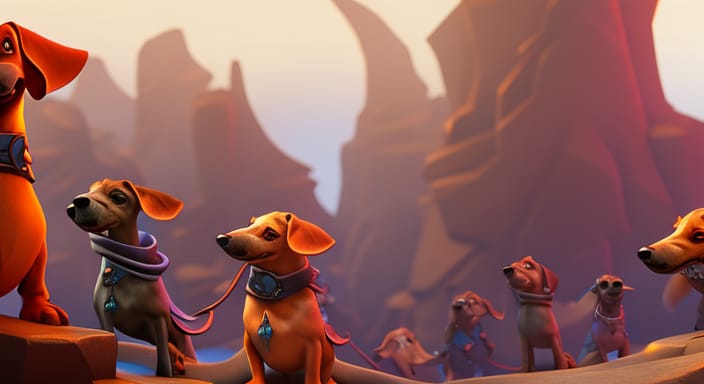

  • On Paddington

    On Paddington

    Overview

    Paddington Bear is a fictional character who was created by British author Michael Bond in 1958. He is a small bear from “darkest Peru” who travels to London, England, where he is found at Paddington Station by the Brown family. The Brown family takes him in and becomes his adoptive family, and Paddington quickly becomes a beloved member of the community. He is known for his love of marmalade sandwiches, his distinctive blue coat and red hat, and his polite and friendly nature. The character of Paddington Bear has appeared in numerous books, television shows, and films, and has become a beloved icon of British culture.

    His story is often seen as a celebration of kindness, acceptance, and cultural exchange.

    Original Context

    Michael Bond’s Paddington Bear can be seen as a reflection of UK attitudes to immigration in the 1950s, a time when the country was undergoing significant social and economic changes, including an increase in immigration from former British colonies.

    In the story, Paddington Bear is an immigrant from “darkest Peru” who arrives in London with nothing but his suitcase and a label around his neck that reads “Please look after this bear. Thank you.” His arrival in the UK is met with curiosity, confusion, and sometimes hostility from the people he meets. However, over time, Paddington’s polite and friendly nature endears him to the people around him, and he becomes an accepted member of the community.

    This reflects the attitudes towards immigration in the UK during the 1950s, which were often marked by a mix of curiosity, suspicion, and hostility towards newcomers. Many people were wary of the influx of immigrants from former colonies, which they saw as a threat to their jobs, their culture, and their way of life. However, as immigrants like Paddington Bear settled into the UK and contributed to the economy and society, they gradually became accepted members of the community.

    The story of Paddington Bear can also be seen as a commentary on the challenges and opportunities that immigrants face when moving to a new country. Through Paddington’s experiences, the author Michael Bond highlights the importance of kindness, acceptance, and cultural exchange in creating a welcoming and inclusive society.

    Overall, Michael Bond’s Paddington Bear can be seen as a reflection of the changing attitudes towards immigration in the UK during the 1950s. While there were many challenges and obstacles to be overcome, the story of Paddington Bear highlights the importance of acceptance, understanding, and cultural exchange in building a diverse and vibrant society.

    Contemporary Reading

    The story of Paddington Bear, like any work of literature, can be interpreted and read differently by contemporary audiences who are more polarized on issues of immigration and identity.

    Some readers may view Paddington Bear as a positive representation of immigration and cultural diversity, while others may see him as a problematic example of cultural appropriation or an unrealistic portrayal of the immigrant experience.

    On one hand, contemporary audiences who are more polarized on issues of immigration and identity may appreciate the positive message of acceptance and inclusion in the story of Paddington Bear. The character of Paddington represents an outsider who is initially met with suspicion and mistrust, but through his kind and polite nature, he is able to win over the people around him and become an accepted member of the community.

    This message of acceptance and understanding may resonate with those who advocate for a more welcoming and inclusive society.

    On the other hand, contemporary audiences who are more polarized on issues of immigration and identity may view the story of Paddington Bear as an unrealistic and idealized portrayal of the immigrant experience. Some may argue that the character of Paddington is a cultural stereotype of an exotic, childlike foreigner who is embraced by the dominant culture.

    Others may argue that the story glosses over the real challenges and obstacles that immigrants face when moving to a new country, such as language barriers, discrimination, and cultural misunderstandings.

    Overall, the story of Paddington Bear can be read and interpreted in different ways by contemporary audiences who are more polarized on issues of immigration and identity.

    While some may appreciate the positive message of acceptance and inclusion in the story, others may view it as an idealized or problematic portrayal of the immigrant experience.

    The Dichotomy of Paddington

    Dichotomies are often used to categorize and understand different aspects of the world, but they can also be controversial and oversimplified, as they do not always capture the full complexity of a particular phenomenon or idea.

    The dichotomy between Paddington Bear and cultural responses to UK immigration lies in the differing ways in which the fictional character of Paddington Bear is perceived and the complex and often controversial attitudes towards immigration in the UK.

    On one hand, Paddington Bear is a beloved children’s book character who is widely recognized and adored in the UK and around the world. His story is one of adventure and acceptance, and his immigrant status is presented in a lighthearted and endearing way.

    He is often portrayed as a friendly and polite bear who wants to fit in and make a home in the UK, and his experiences are relatable to many immigrants who have faced the challenges of adapting to a new culture.

    On the other hand, UK immigration policy and cultural responses to immigration can be more complex and contentious. Some people believe that immigration has a negative impact on the economy, society, and culture of the UK, and may be resistant to welcoming newcomers.

    Others argue that immigration is a valuable part of the UK’s history and identity, and that diversity and multiculturalism should be celebrated.

    The dichotomy between Paddington Bear and cultural responses to UK immigration highlights the difference between fictional portrayals of immigrants and the complex realities of immigration policies and attitudes.

    While Paddington Bear is a charming and lovable character, real-life immigrants may face challenges and obstacles when seeking to establish themselves in the UK.

    Lessons from Paddington

    The lesson of Paddington Bear for a contemporary audience is one of acceptance, kindness, and cultural exchange. Paddington’s story can teach us about the challenges and opportunities that come with immigration and the importance of building inclusive communities.

    In the story, Paddington is initially an outsider who is met with curiosity and sometimes hostility by the people around him. However, through his polite and friendly nature, he is able to win over the people around him and become an accepted member of the community. This message of acceptance and understanding is particularly relevant in today’s society, where issues of immigration and identity are often polarizing.

    Paddington’s love of marmalade sandwiches and other British traditions also highlights the importance of cultural exchange and the richness that comes from embracing diverse cultures. His story can serve as a reminder of the importance of understanding and celebrating different cultures, and the positive impact this can have on our communities.

    Overall, the lesson of Paddington Bear for a contemporary audience is one of acceptance, kindness, and cultural exchange, and the importance of building inclusive communities where everyone is valued and respected.

    It is important to acknowledge these complexities and work towards creating a welcoming and inclusive society for all.

    In any case, it is important to respect immigration laws and procedures to avoid legal consequences, however, it is worth noting that Paddington Bear is a fictional character, the scenario presented is hypothetical.

    But in the Real World..

    Under section 24 of the Immigration Act 1971, it is a criminal offence for an individual to enter the UK without leave or to overstay their period of leave in the UK. This offence is punishable by up to six months in prison. If Paddington Bear did indeed enter the UK without proper documentation and deliberately avoided the immigration authorities, he would be considered an illegal entrant and could be prosecuted for this offence under the Immigration Act 1971.

  • Reich

    Wilhelm Reich was an Austrian psychoanalyst and physician who lived from 1897 to 1957. He is best known for his theories about the relationship between human psychology and sexuality, as well as his work on the concept of orgone energy.

    Reich began his career as a student of Sigmund Freud, and he developed his own theories about psychology and human behavior while working as a psychoanalyst in Vienna. He believed that psychological problems were often caused by repressed sexual impulses and that the key to healing these problems was to help individuals release these impulses in a healthy and constructive way.

    Later in his career, Reich became interested in the concept of orgone energy, which he believed was a cosmic energy that pervades the universe and is responsible for all forms of life. He developed various tools and techniques for harnessing and manipulating this energy, including the orgone accumulator, a device that he claimed could improve physical and mental health by increasing the body’s exposure to orgone energy.

    Reich’s work was controversial during his lifetime, and he was eventually exiled from the scientific community due to his unorthodox theories and practices.

    Nevertheless, his ideas have continued to influence various fields, including psychology, philosophy, and alternative medicine.

    Influencer

    Wilhelm Reich’s theories and ideas have influenced a wide range of fields, including psychology, philosophy, and alternative medicine. Some of the individuals who have been influenced by Reich’s work include:

    1. Alexander Lowen – An American psychotherapist, Lowen was a student of Reich and went on to develop his own form of therapy called bioenergetics, which is based on Reich’s theories about the relationship between the body and the mind.
    2. Carl Rogers – An influential psychologist, Rogers was interested in Reich’s ideas about the importance of the therapeutic relationship and the role of the therapist in promoting healing and personal growth.
    3. Herbert Marcuse – A philosopher and sociologist, Marcuse was influenced by Reich’s ideas about the relationship between sexuality and society, particularly his critique of the “repressive desublimation” of sexual desire in modern culture.
    4. David Deida – An American author and teacher, Deida has incorporated Reich’s ideas about sexual energy and the body-mind connection into his teachings on spirituality and personal growth.
    5. Dr. Joseph Mercola – A controversial figure in the field of alternative medicine, Mercola has been influenced by Reich’s theories about the importance of energy flow in the body and has promoted the use of orgone energy devices in his practice.

    Wilhelm Reich’s ideas have had a significant impact on a wide range of fields and continue to be explored and debated today.